
Introduction
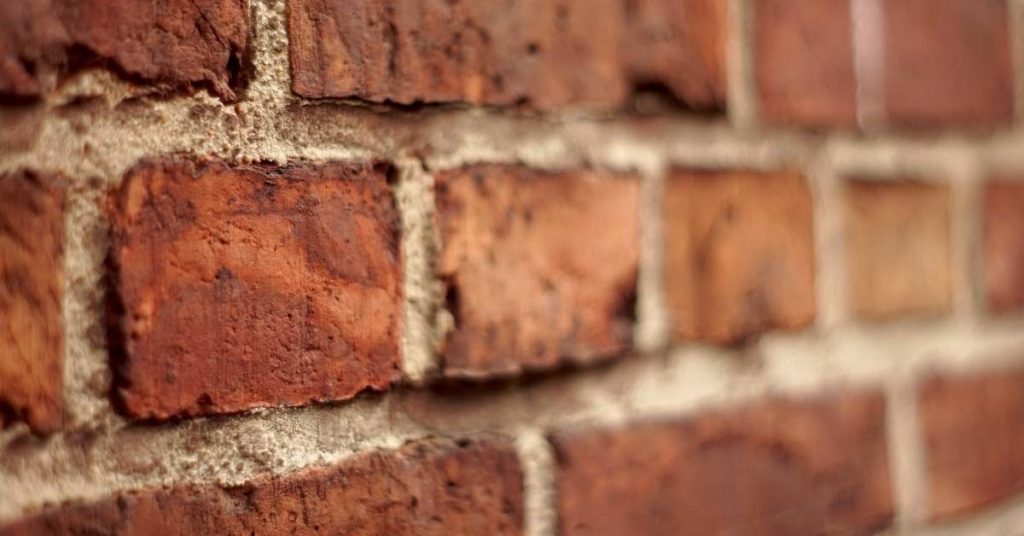
Lime mortar is a traditional, breathable binder used for soft historic brick.
Portland cement mixes are stronger and quicker to set but can trap moisture and damage delicate masonry. This DIY guide helps you decide what to use and how to work safely around fragile brick.
Before you start, test a small area and read the label for your mix. Follow the manufacturer’s instructions for mixing and tooling, and check local codes or historic guidelines. If in doubt, choose a lime-based option and plan for slower work and breathable joints.
Key takeaways
- Soft historic brick requires lime or hydraulic lime with compatible mortar.
- Assess existing mortar color, texture, and joint profile before choosing replacement.
- Pure Portland cement is generally unsuitable for irreplaceable soft brick conditions.
- Hydraulic lime or lime-hydraulic hybrids offer breathable joints for historic walls.
- Request product labels, test reports, and installation guidelines from suppliers; check safety data.
- Follow a staged repointing plan; monitor moisture and brick softness during cure; wear PPE.
Table of Contents
- Introduction
- Key takeaways
- Why Mortar Choice Matters for Soft Historic Brick
- Assessing Your Brick and Existing Mortar Before Repointing
- How Lime Mortar and Portland Cement Differ for Historic Masonry
- Decision Framework: When to Use Lime, Portland, Hydraulic Lime, or Hybrids
- Material Specs and Standards Explained (What to Request from Suppliers and Contractors)
- Tools and Materials Checklist for Repointing Soft Brick
- Step-by-Step Repointing Process Tailored for Soft Brick
- Visual Checkpoints, Monitoring, and Troubleshooting After Repointing
- Conclusion
- FAQ
Why Mortar Choice Matters for Soft Historic Brick
Soft historic brick is porous and flexible, so the mortar you choose interacts with the brick rather than just filling joints. The right match helps to avoid spalling, cracking, and rapid deterioration caused by overly stiff mixes. Compatibility guides how moisture moves and how easily salt formations can form inside the wall.
Conservation-minded repointing considers brick softness, weather exposure, and historical appearance. Check manufacturer instructions or product labels for guidance on softness, rigidity, and breathing behavior to ensure you are selecting an appropriate mortar option. When in doubt, verify recommendations with a supplier or local conservation authority before starting.
Masonry Compatibility Principles
When repointing soft historic brick, it’s crucial to understand the principles of masonry compatibility. This ensures your mortar doesn’t damage the brick over time.
The key concepts are:
Relative Hardness: Mortar should be softer than the brick. Portland cement mortars are too hard and can cause damage when the brick expands or contracts with temperature changes.
Vapor Permeability: Mortar needs to breathe, allowing moisture to escape from the brick. Impermeable mortars trap water, leading to decay.
Sacrificial Behavior: Soft mortars can absorb some shock and movement, protecting the brick. This is known as ‘sacrificial’ behavior.
Consequences of Using Inappropriate Mortar
Using a mortar that’s too hard or impermeable for soft historic brick can lead to serious damage over time. Here are some common consequences:
Spalling: The face of the brick can flake off, leaving an uneven surface and reducing the brick’s strength.
Cracking: When the mortar is too hard, it doesn’t flex with the brick. This can cause cracks in both the mortar and the brick itself.
Accelerated Decay: Trapping moisture in the brick leads to accelerated decay. This can make the brick crumble and fall apart.
Assessing Your Brick and Existing Mortar Before Repointing
Start with a careful visual survey of brick condition, looking for FLAT-? (note: avoid including numbers) spalling, and mortar softness. Note any loose or crumbling joints and uneven joints that signal distress. Record observed patterns to guide next steps.
Perform simple field checks like gently tapping bricks and testing moisture movement in controlled spots. If the existing mortar is severely degraded or you suspect hidden damage, plan to send samples to a laboratory for analysis per label or manufacturer instructions. Follow local rules or guidance from a conservation program when collecting samples.
Identifying soft brick and signs of distress
Soft or friable bricks are a common issue with historic masonry. They feel crumbly, like they’ll turn to dust in your hands.
Visual indicators include:
- Crumbling edges
- Pitting and honeycombing
- Missing chunks of brick
Signs of distress that need urgent attention are:
- Large cracks or gaps in mortar joints
- Brick faces falling off
- Widespread crumbling
Mortar analysis and diagnostic testing
To specify the right replacement mortar, you need to know what’s in your existing one. Here are tests to request:
Petrographic analysis – identifies mineral composition of both brick and mortar.
Binder identification – determines type of binder (lime, cement, etc.) used in the original mortar.
These results help you match the new mortar to your historic masonry. Don’t skip these tests; they’re crucial for a successful repointing job.
How Lime Mortar and Portland Cement Differ for Historic Masonry
Lime mortar is generally softer and more breathable, which can help wooden and soft brick survive moisture cycles. Portland cement mixes tend to be stiffer and less forgiving on porous brick, increasing the risk of cracking. The balance between rigidity and moisture release matters for long-term durability.
Consider how salt movement and dampness interact with brick faces when choosing a mix. Check product data sheets or manufacturer instructions for guidance on permeability and setting behavior. If unsure, compare options with a masonry professional or supplier and confirm compatibility with soft brick per local guidelines.
Breathability and moisture movement
Lime mortar is breathable. It allows moisture to pass through, preventing water from getting trapped in the brickwork.
This is crucial for soft bricks, which are more susceptible to damage from freeze-thaw cycles and salt crystallization when moisture gets trapped.
Portland cement mortar, on the other hand, is less permeable. It can trap moisture, leading to these very issues in soft masonry.
Strength, elasticity, and long-term weathering
Lime mortar is more flexible than Portland cement. It can stretch and compress without cracking, making it better suited for historic masonry that may have settled over time.
This elasticity helps distribute stress evenly, reducing the likelihood of cracks forming in soft bricks under pressure from weathering or movement.
Portland cement is stiffer. It can’t absorb as much movement, leading to increased stress on the masonry and a higher risk of cracking over time.
Decision Framework: When to Use Lime, Portland, Hydraulic Lime, or Hybrids
Match the mortar type to the masonry condition and conservation goals, prioritizing the preservation of softness in the brick. Use lime-based options where breathability and gentle load transfer are key. Reserve Portland-rich mixes for situations where high strength is essential and the brick is not at risk of damage.
Hydraulic lime or lime-putty hybrids can offer a middle ground, but check how they affect moisture movement and brick surface finish. Always verify suitability with the product label or manufacturer instructions, and consult local conservation standards if available. When in doubt, test a small area and monitor performance before full reuse.
Situations favoring lime-based mortars
Lime mortars are the go-to choice for preserving soft, historic brick. They’re breathable, flexible, and gentle on old masonry.
Highly porous brick: Lime’s permeability lets moisture move freely, preventing trapped water from damaging your walls.
Listing requirements: Many historic preservation guidelines mandate lime mortars to maintain authenticity. Check local regulations before starting work.
Complementary aesthetics: Lime mortars often match the color and texture of old mortar, keeping your repointing discreet.
When Portland or hydraulic materials may be considered
While lime is usually best, there are rare cases where stronger binders might be needed. Proceed with caution.
- Severe erosion: If your brick’s face layer is eroded, a stronger mortar can provide better support. Look for high-strength hydraulic limes (NHL 5).
- Frost resistance: In areas prone to freezing, use frost-resistant materials like NHL 3.5 or Portland cement.
- Avoid pure cement: Never use straight Portland cement – it’s too strong and rigid for historic brick.
- Mock-ups first: Always test any non-lime mortar on a small, hidden area before committing to the whole job.
- Monitor closely: Keep an eye out for signs of distress if you’ve used hydraulic or Portland materials. Cracking or staining could indicate a poor match.
Controlled hybrid approaches and transitional solutions
Sometimes, a middle-ground approach can help protect your soft brick while meeting modern needs. These strategies should be tried and tested first.
Sacrificial lime face: Apply a thin layer of lime mortar over a stronger core to combine strength with breathability. This works best on well-bonded masonry.
Transitional repointing: Repoint small sections at a time, allowing the old and new mortars to bond gradually. This minimizes stress on the brick.
Mock-ups are key: Always trial any hybrid approach on a small scale before rolling it out across your entire wall. Monitor these test areas closely for signs of distress.
Material Specs and Standards Explained (What to Request from Suppliers and Contractors)
Ask for clear documentation that describes the mortar’s permeability, strength class, and shrinkage behavior relative to soft brick. Request a written specification that explains acceptable workmanship tolerances and curing guidelines. Avoid committing to proprietary mixes without understanding the performance targets.
Require samples or test data showing compatibility with historic brick and a plan for dampness control and salt management. Check that the supplier or contractor can provide a data sheet, label instructions, and references to local standards or conservation guidelines. If any item is unclear, request clarification before purchasing or contracting.
Key material descriptors to specify
Specifying the right materials is crucial for a successful repointing job. The choices you make here will affect how well your mortar bonds with the brick, its durability, and how it weathers over time.
- Binder type: Specify ‘lime’ or ‘hydraulic lime’ for historic brick. Avoid Portland cement unless absolutely necessary.
- Aggregate grading: Ask for a well-graded, clean aggregate with particles ranging from sand to 10mm. This ensures good compaction and strength.
- Workability: Specify ‘plastic’ or ‘putty’ consistency for better adhesion and easier application. Avoid ‘stiff’ mixes that can lead to cracking.
- Carbonation behaviour: Look for a mortar that carbonates slowly to prevent rapid strength gain, which can cause stress on the brick.
- Vapor permeability: Specify an open, porous mortar to allow moisture movement and prevent dampness. Avoid impermeable mortars that trap moisture and lead to efflorescence or spalling.
How to write a tender/contract spec without exact ratios
Rather than prescribing an exact mortar mix, specify performance targets and test methods. This allows contractors to propose their own mixes that meet your requirements.
Compressive strength: Specify a range relative to the brick’s compressive strength (e.g., 75-100% of brick strength).
Vapor permeability: Require a minimum value, such as 0.2 ng/m·s·Pa or higher.
Testing: Instruct contractors to provide lab test results backing their proposed mix and to conduct on-site tests during application.
Mock-ups, sampling, and acceptance criteria
Before approving full-scale repointing, require contractors to create mock-ups for visual and performance assessment. This helps ensure the chosen mortar meets your expectations.
Visual inspection: Check that the mock-up’s appearance matches your desired finish and color. Look for any signs of discoloration or incompatibility.
Performance testing: Conduct simple tests on the mock-up, such as checking its flexibility with a snap gauge or assessing its bond strength by prying out a small sample.
Acceptance criteria: Clearly define what constitutes an acceptable result in your contract. This could include specific visual standards and performance targets.
Tools and Materials Checklist for Repointing Soft Brick
Prepare a practical toolkit that includes non-metal tools to minimize brick marking, along with protective gear for dust and mortar. Include a trowel, margin trowel, jointer, and a bucket for clean mixing water. Have a brush and a gentle cleaning method ready for brick faces after work.
Stock lime or hydraulic lime products, appropriate sand, and a small amount of Portland cement only if specified by your plan. Keep a damp cure setup or breathable cloths if the chosen mortar requires slow hydration. Verify handling and compatibility per product instructions and local rules before using.
Hand and power tools suited to soft brick
Before you start, make sure you have the right tools for the job. Soft bricks need gentle handling to avoid damage.
- Tuckpointing tool: Use this narrow blade to remove old mortar without damaging the bricks.
- Margin trowel: For applying new mortar, use a margin trowel with a flexible edge to avoid breaking the soft brick edges.
- Brick jointer: This tool helps create a neat finish on repointed joints. Use it gently to avoid scratching the bricks.
- Soft brush: Gently clean out joints before pointing to remove dust and debris.
- Pointing trowel: A small, flexible trowel helps apply mortar precisely into the joints.
- Hawk: Use this to carry mortar from your mixing area to the wall.
- Power tools (optional): If using, ensure they’re suitable for soft bricks. Air-powered tools are gentler than electric ones.
- Masonry drill bit: For any drilling needed, use a masonry bit to avoid damaging the brick.
Quick rule: Always choose tools designed for masonry work and fit them properly to minimize damage to soft bricks.
Safety, access, and scaffolding considerations
Safety is paramount when working on historic brick walls. Here’s what you need to consider before starting.
- Fall protection: Use safety harnesses and ropes for high work. Always tie off securely.
- Scaffolding: Ensure it’s sturdy, level, and secure. Check regularly during use.
- Dust control: Wear a respirator to protect against mortar dust. Wet down surfaces before working to minimize dust.
- Access planning: Consider how you’ll reach all areas safely. Use ladders or platforms if necessary.
- Emergency plan: Have a plan in place for emergencies, like falls or accidents.
- Weather check: Avoid working in wet or icy conditions to prevent slips and falls.
- Electrical safety: If using power tools, ensure they’re properly grounded and checked for safety.
- Fire safety: Keep flammable materials away from heat sources and open flames.
Quick rule: Always prioritize safety. Never take shortcuts or ignore safety measures.
Mortar mixing, storage, and site batching notes
Proper mortar mixing and storage are crucial for a successful repointing job. Here’s how to do it right.
- Mixing method: Use a slow-speed mixer or mix by hand in a wheelbarrow to avoid overworking the lime.
- Water addition: Add water slowly, mixing well after each addition to ensure even consistency.
- Workability check: Mortar should be stiff but workable. Adjust sand and water content as needed.
- Avoid contamination: Keep your materials clean and separate to prevent contaminants from affecting the mortar’s performance.
- Storage time: Lime mortars need to cure before use. Allow at least 24 hours for proper curing.
- Site batching: If mixing on-site, keep batches small to ensure they’re used within their working life.
- Protect from frost: Keep mixed mortar above freezing temperatures to prevent damage during curing.
- Cleanliness: Keep your mixing area clean and free of debris that could contaminate the mortar.
Quick rule: Always mix, store, and batch mortars according to the manufacturer’s guidelines or industry standards to ensure optimal performance.
Step-by-Step Repointing Process Tailored for Soft Brick
Begin with careful cleaning of the joints and surrounding brick surfaces, avoiding aggressive methods that could abrade soft brick. Use a compatible mortar mix and test a small area first to confirm behavior. Protect adjacent brick faces during the process to prevent staining or damage.
Fill joints in stages with controlled tooling to minimize pressure on the brick. Restrict moisture exposure during curing and follow the supplier’s guidance on protection methods. If a problem arises, check the product label for troubleshooting steps and local guidelines for remediation.
Step-by-Step Process
The following steps guide you through a careful repointing sequence tailored for soft brick, ensuring your work is thorough yet gentle on the delicate surfaces.
- Preparation: Inspect the wall, gather tools, and set up safety measures like scaffolding. Ensure all tools are clean to avoid contamination.
- Remove old mortar: Use a pointing trowel or joint raker to carefully remove old mortar from joints, aiming for a depth of around 15-20mm (about half the width of the joint).
- Clean joints: Gently brush out dust and debris using a soft-bristled brush. Avoid wire brushes that can damage brick edges.
- Mix new mortar: Follow your chosen recipe, ensuring you maintain consistent ratios for strength and durability. Mix small batches at a time to keep it workable.
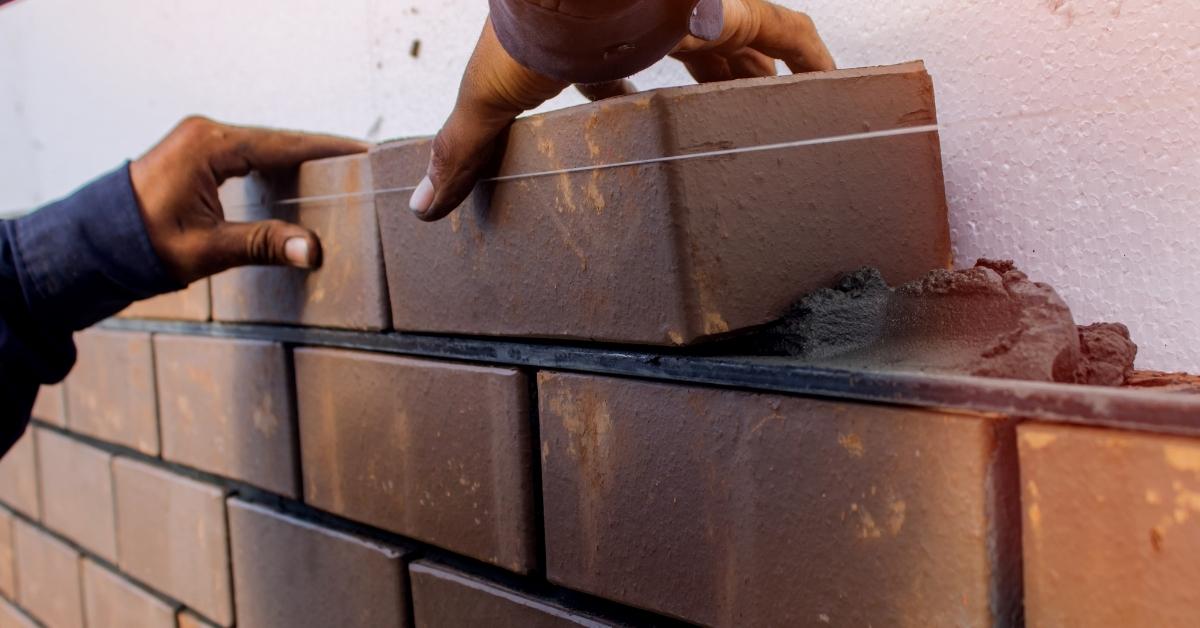
- Apply new mortar: Using a pointing trowel or jointing tool, fill joints with fresh mortar, pressing it firmly into place. Work in small sections to avoid overworking the mortar.
- Finish joints: Use a jointer or pointing trowel to create your desired joint profile, ensuring it slopes slightly towards the center of the wall for proper water shedding.
- Clean tools and site: Once finished, clean all tools thoroughly to prevent them from setting solid. Sweep up any fallen debris for a tidy finish.
- Final checks: Inspect your work, checking for any missed spots or areas that need touch-up. Ensure joints are filled correctly and no mortar has dropped onto the face of bricks.
Raking out old mortar and cleaning joints
Removing old mortar is a critical step in repointing. The goal is to remove just enough mortar to create a sound base for the new mortar, without damaging the brick edges.
Use a pointing trowel or joint raker to carefully scrape out old mortar. Be gentle, applying even pressure and working from the bottom of the joint upwards. Aim for a removal depth of around 15-20mm (about half the width of the joint).
Once you’ve removed the old mortar, use a soft-bristled brush to gently clean out any remaining dust or debris. This ensures good adhesion for the new mortar.
Never use wire brushes or power washers, as they can damage the delicate brick edges and flakes.
Applying new mortar and joint finishing techniques
Filling joints with fresh mortar is a critical step in repointing. The goal is to create a strong, durable bond that protects your bricks from water damage.
Using a pointing trowel or jointing tool, fill joints with fresh mortar. Press the mortar firmly into place, ensuring it fills the entire width and depth of the joint. Work in small sections, to avoid overworking the mortar and compromising its strength.
After filling the joints, use a jointer or pointing trowel to create your desired joint profile. Ensure the profile slopes slightly towards the center of the wall, allowing water to drain away from the bricks. This helps prevent water from penetrating the walls and causing damage.
Avoid overworking the mortar once it’s in place. Overworking can cause the mortar to lose its plasticity and become weak.
Curing, protection, and early maintenance
Curing is a critical process that allows new mortar to set properly. During this time, the mortar gains strength and durability.
Keep newly pointed walls wet for at least three days, using damp hessian or plastic sheeting if necessary. This prevents rapid drying, which can cause cracking and weakness in the mortar.
If rain is forecast within a few days of pointing, protect your work with a temporary shelter to prevent water from washing out the new mortar. Once the initial curing period is over, allow the wall to dry naturally.
After about seven days, inspect your work for any signs of cracking or weakness. If necessary, touch up any areas that need attention. Regular maintenance checks will help ensure the longevity and effectiveness of your repointing work.
Visual Checkpoints, Monitoring, and Troubleshooting After Repointing
Establish a post-work inspection routine that looks for cracking, delamination, or mortar loss around joints. Note any changes in brick surface texture or color that might indicate incompatible materials. Keep a log of evolving conditions over time for reference.
If issues appear, refer to the original specifications and contact the supplier or contractor for guidance. Use the product label or manufacturer instructions to determine corrective steps and ensure that any remedial work keeps moisture moving and brick faces protected. When uncertain, seek local conservation advice before proceeding.
Visual checkpoints and documentation tips
Use this checklist to track your repointing project’s progress and ensure quality.
- Before work: Take photos of the entire area, close-ups of problem spots, and note existing conditions. This helps identify any issues that arise later.
- During work: Document the raking out process, new mortar application, and joint finishing. Snap pictures at each stage to monitor progress.
- After work (short-term): Inspect for proper adhesion, no gaps or voids, and correct joint profile within 24-48 hours. Check for any signs of efflorescence.
- After work (long-term): Revisit the site after a few months and a year to monitor mortar performance and detect any early issues.
Quick rule: Regular documentation helps spot problems early, making repairs easier and less costly.
Common issues and how to address them
Be aware of these common repointing pitfalls and know how to tackle them.
- Shrinkage: Check for cracks or gaps in the mortar. If found, remove and replace the affected mortar. Ensure proper water content in your mix to prevent shrinkage.
- Poor adhesion: Inspect joints for any signs of delamination. If mortar is peeling off, clean the joint and reapply fresh mortar. Ensure surfaces are clean and dry before applying new mortar.
- Efflorescence: Look for white powdery deposits on the surface. If present, remove with a wire brush and apply a suitable sealant to prevent recurrence. This indicates excess moisture or salt in the wall.
Quick rule: Address issues promptly to prevent minor problems from becoming major ones.
Maintenance planning and when to consult a conservator
Regular inspections and timely intervention can extend the life of your repointing work. Know when to call in a professional.
- Annual inspection: Check for any signs of deterioration, efflorescence, or moisture ingress. Perform minor repairs if necessary.
- Every 5 years: Conduct a thorough inspection and consider applying a suitable sealant to protect the mortar from further damage.
- Unusual salt or moisture behavior: If you notice excessive efflorescence, water stains, or other unusual signs, consult a conservation specialist. They can provide tailored advice for your specific situation.
Quick rule: Regular maintenance and timely professional intervention can significantly extend the life of your repointing work.
Conclusion
Protecting soft historic brick comes down to choosing the right mortar and tying it to careful, disciplined repointing. Do it right and you get durability, authentic appearance, and fewer costly repairs down the road.
Before you start, confirm the brick, the existing mortar, and the climate conditions; run a small test patch to verify adhesion and curing; choose lime-based or hydraulic options as the projects require, then plan the work in workable weather, prepare tools and materials, clean joints, apply in thin, even layers, and protect the fresh work from rapid drying and freezing during the cure. Check the substrate and joints in stages, and monitor moisture intrusion after completion so you don’t chase problems later.
Common mistakes to avoid include using Portland cement on soft historic brick, over-wet or over-dry joints, and rushing cure cycles or weather protection. Always keep a dampening plan for initial curing, test patches for color and texture first, and wear eye protection and gloves while mixing and troweling. If you’re unsure about the right mix, or if the project covers a large area, or masonry is structurally questionable, call in a professional—it saves money and prevents irreversible damage in the long run.
FAQ
How do I tell if lime mortar is the way to go for my soft historic brick?
Look at the existing mortar and brick texture. If the mortar dissolves easily with a touch of water or looks soft and crumbly, lime is usually gentler on brick. Check the brick maker’s history and ask for lime-compatible mix options from the supplier.
What should I check on the brick and mortar before deciding to repoint?
Inspect for severe spalling, cracking, or efflorescence. Note where soft brick is most damaged and avoid aggressive cleaning or demolition near those spots. Always confirm with the manufacturer instructions or a mortar spec sheet before mixing anything new.
How can I avoid common problems when repointing soft brick?
Use a mortar that matches the brick’s softness and porosity. Don’t force a hard mortar into soft brick joints; it creates cracking and water traps. If in doubt, test a small area and follow the label directions on every bag or bucket.
What should I request from suppliers or contractors when planning lime or lime-hydraulic mixes?
Ask for the mortar type, lime particle size, and any pozzolanic additives they recommend. Get the product label, batch number, and curing guidance in writing. If local rules apply, follow them and verify with the supplier’s datasheet before work starts.