
Introduction
Insulating block walls can be achieved with interior foam or exterior foam, and the choice shapes how moisture moves through the wall.
Interior foam keeps insulation on the room side, while exterior foam faces the outdoors. Both approaches affect how moisture dries and where you risk condensation.
When you plan the install, think about moisture paths, vapor control, and how the foam will be protected from damage.
Follow the product label and manufacturer instructions, and check local rules for any requirements.
If you’re unsure, compare interior versus exterior options in terms of moisture risk, finishing compatibility, and long‑term performance.
Key takeaways
- Interior foam insulation requires careful vapor and air barrier planning to prevent condensation.
- Exterior foam minimizes thermal bridging but must be installed with proper flashing and drainage.
- Moisture management: ensure block walls are dry before insulation and maintain drainage paths.
- Choose foam type based on climate, moisture risk, and existing wall condition.
- Look for proper ASTM/Local codes and manufacturer guidance on foam installation.
- Inspect for moisture and mold after installation; address issues promptly.
Table of Contents
- Introduction
- Key takeaways
- Why Insulating Concrete Block Walls Matters
- Types of Foam Insulation Used with Block Walls
- Interior Foam Insulation: Methods and Best Practices
- Exterior Foam Insulation: Methods and Best Practices
- Moisture Consequences and Hygrothermal Risks
- Thermal Performance, Energy Impact, and Comfort Outcomes
- Cost, Durability, Maintenance, and Common Mistakes
- Safety, Codes, Tools, and Materials Checklist
- Conclusion
- FAQ
Why Insulating Concrete Block Walls Matters
The thermal behavior of block walls differs from typical framed walls because of their mass, porosity, and the way cores and veneers interact with moisture. This section introduces the concepts of heat loss and heat gain in plain terms, with emphasis on core-filled CMU blocks and veneer choices that influence performance. Look for how U-values and R-values are described on product labels or datasheets to guide comparisons.
Insulation improves comfort by reducing drafts and cold spots, and by moderating temperature swings inside living spaces and in response to exterior exposure. The way foam is placed—on the interior or exterior—changes the interior climate and the ease of retrofit. Homeowners, builders, and retrofit pros can use a simple framework to weigh installation disruption, finishes, vapor management, and maintenance when choosing a path forward.
How block walls conduct heat and moisture
Concrete block walls differ from other wall types due to their thermal mass and potential for thermal bridging through cores or blocks. Thermal mass helps stabilize indoor temperatures, but it can also retain heat gain during summer months.
Moisture moves in masonry assemblies through capillary action, which can lead to issues like efflorescence and mold growth if not managed properly. Inspecting block cores, joints, and veneer for potential thermal bridges and moisture entry points is crucial before making insulation decisions.
U-value, a measure of heat transfer, and R-value, indicating resistance to heat flow, are essential metrics to assess the thermal performance of your block walls. Check these values and look for signs of moisture intrusion or efflorescence to inform your insulation strategy.
Interior Foam vs Exterior Foam: A Quick Comparison
When insulating block walls, choose between applying foam insulation on the interior or exterior. Each approach offers distinct advantages and considerations.
Exterior foam delivers superior thermal performance by reducing heat loss through the entire wall assembly. It also manages moisture by preventing entry into the wall system. However, it may require additional finishing work and could be more disruptive during installation.
Interior foam, conversely, is less disruptive to existing finishes and maintains interior aesthetics. It enhances indoor comfort by reducing drafts and cold spots. Nevertheless, it does not address thermal bridging through the block cores and may trap moisture within the wall assembly if not combined with proper vapor management.
Evaluate your local climate, code/label requirements, typical cost and time implications, accessibility for installation, disruption to existing finishes, and long-term maintenance needs when selecting between interior and exterior foam insulation strategies.
Types of Foam Insulation Used with Block Walls
Common foam categories for block walls include interior rigid boards (EPS, XPS, polyiso), exterior continuous foam boards, exterior or interior sprayed foams (open-cell or closed-cell), and hybrids that combine layers. Note where each type is typically applied and what code considerations may apply to those placements. Check product data sheets or manufacturer instructions for placement guidance.
Moisture and vapor dynamics depend on the foam type and its location. Vapor permeability, dew point behavior, and moisture migration differ between interior and exterior foams, so plan smart moisture management strategies and consider vapor retarders where appropriate. Use a quick reference to determine when a vapor barrier is recommended on interior or exterior sides.
Rigid foam boards (EPS, XPS, polyiso)
Rigid foam boards are a popular choice for insulating concrete block walls. They come in various types such as expanded polystyrene (EPS), extruded polystyrene (XPS), and polyisocyanurate (polyiso).
These boards provide continuous insulation, reducing thermal bridging and improving overall energy efficiency. They are typically installed on the interior of block walls due to their rigid nature.
Key factors to consider: R-value per inch, thickness required for desired R-value, and compatibility with your specific project needs.
Spray Polyurethane Foam (Open-Cell vs Closed-Cell)
Spray polyurethane foam (SPF) is a viable option for insulating block walls. It comes in two types: open-cell and closed-cell.
Open-cell SPF offers lower R-value but superior vapor permeability, making it suitable for interior applications where moisture management is critical. Closed-cell SPF provides higher R-value and better moisture resistance, often used in exterior applications or when high insulation values are required.
Check: your wall’s exposure to moisture, desired R-value, and local building codes before choosing between open-cell and closed-cell SPF.
Hybrid options and insulated systems
For a balanced approach, consider hybrid insulation systems. These combine interior rigid foam boards with exterior continuous foam or cavity insulation to maximize energy efficiency and moisture management.
Insulated concrete forms (ICFs) are another option, providing both structure and insulation in one system. Composite systems can also be used, combining foams with other materials like fiberglass batts or cellulose.
Evaluate: your project’s specific needs, budget, and local building codes to determine the best hybrid or insulated system for your block walls.
Interior Foam Insulation: Methods and Best Practices
Interior foam options include adhesive rigid boards, mechanically fastened boards, and sprayed-in-place foams. Each method has its own attachment approach and suitability for concrete block walls. Verify attachment methods and edge detailing with the manufacturer if you plan retrofits.
Installation sequence matters for a durable interior system. Start with surface prep, ensure flatness, fit and secure boards, seal edges around openings, and treat transitions to other materials. Maintain an airtight interior envelope while considering where interior vapor retarders belong and how they interact with the exterior assembly.
Installing interior rigid foam (adhere, tape, furr out)
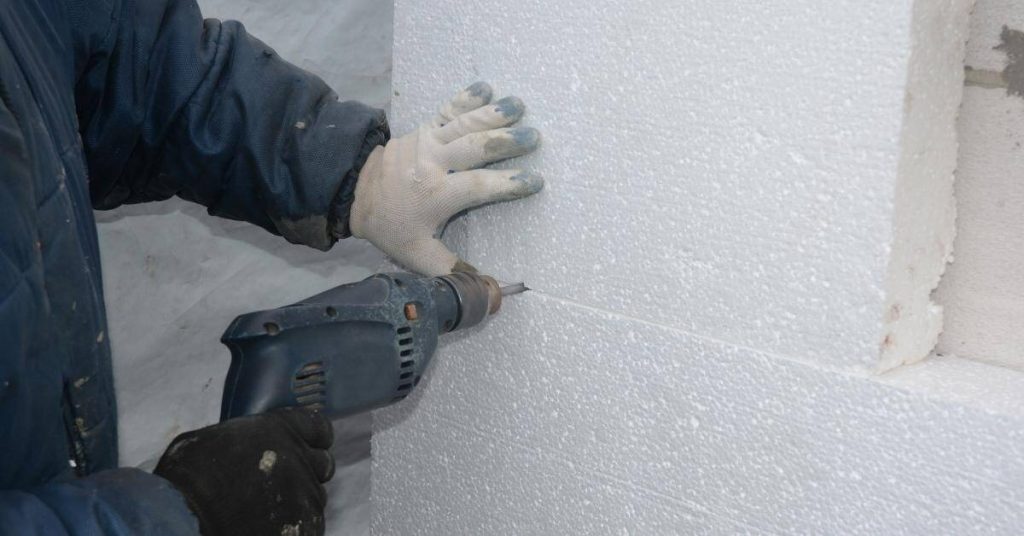
Begin by cleaning the block wall surface to ensure proper adhesion. Use a suitable adhesive for your chosen foam board, following the manufacturer’s guidelines. Apply adhesive evenly across the back of the board or along its edges.
Press the foam board firmly against the wall, ensuring it is flat and well-adhered. Use tape to seal the seams between boards and around openings. To create a service cavity for utilities and finish materials, furr out the foam using appropriate framing techniques.
Pro tip: Check foam board flatness before installation. Ensure adhesive coverage is even and complete. If using mechanically fastened boards, use appropriate fasteners for the substrate (e.g., concrete screws) and follow manufacturer’s guidelines.
Applying interior spray foam
Prepare the substrate by ensuring it is clean, dry, and free of contaminants. Follow the manufacturer’s instructions for proper ventilation and safety precautions before application.
Spray the foam evenly across the surface, following the recommended coverage rate. Allow the foam to expand fully and adhere to the substrate. Use a flat tool to smooth the surface if necessary.
Pro tip: Monitor foam expansion to ensure it fills voids completely and adheres well to the substrate. If using open-cell spray foam, consider additional air sealing measures due to its semi-permeable nature.
Interior vapor control and finishing
Install a suitable vapor retarder on the warm side of the insulation, following local code requirements. Ensure it is compatible with your chosen insulation type.
Seal all seams, edges, and penetrations using appropriate tape and sealant to maintain a continuous air barrier. Install finish materials according to manufacturer’s guidelines, ensuring they do not compromise the vapor retarder or air barrier.
Pro tip: Ensure all seams, edges, and penetrations are properly taped or sealed to maintain a continuous air barrier. If installing drywall over foam, consider using moisture-resistant drywall in high humidity areas.
Exterior Foam Insulation: Methods and Best Practices
Exterior continuous insulation options for block walls include rigid foam boards and external spray foams, each integrating differently with masonry substrates. Review how each material stays continuous across the wall plane and interfaces with drainage. Consult the product label or installation guide for placement and edge detailing requirements.
Exterior foam works with a drained/ventilated wall concept that includes an air gap, drainage plane, and weather-resistive barrier. Ensure flashing and edge protections extend across openings and terminations. Always check for UV protection requirements and compatible cladding to protect the foam and maintain performance.
Continuous exterior rigid foam with drainage plane
Installing a continuous layer of exterior rigid foam insulation on block walls requires careful detailing to ensure proper water management and insulation continuity. Begin by applying a weather-resistive barrier (WRB) over the foam, creating a secondary drainage plane.
Furring strips should then be installed to create an air gap for cladding attachment and ventilation. Ensure they are spaced appropriately to allow for drainage and prevent obstruction of the drainage plane.
The WRB must be compatible with both the foam insulation and the chosen cladding system. Regularly inspect it during installation to address any gaps or tears that could lead to water intrusion.
Exterior spray foam and encapsulation approaches
Exterior spray foam insulation offers a different set of considerations compared to rigid board insulation. It provides better conformity to irregular surfaces but may require more substrate preparation, such as cleaning and priming.
Understand the trade-offs between board and spray foam options, including their respective R-values, before making a decision. Exterior spray foam can provide uniform coverage, but it’s crucial to address any under-insulated areas or voids promptly to maintain performance.
Consider the specific project needs when choosing between exterior spray foam and rigid board insulation. Both have their advantages and should be selected based on the unique requirements of each situation.
Flashing, cladding attachment, and interface details
Proper detailing at interfaces where foam insulation meets windows, doors, foundations, and roofs is crucial to prevent leaks, thermal short-circuits, and moisture buildup. Begin by installing head, sill, and jamb flashings before attaching any cladding.
Flashing materials must be compatible with the foam insulation and other components in the wall assembly. Regularly inspect all interfaces during installation to ensure proper sealing and integration of flashings.
If window or door installation follows the foam application, install head, sill, and jamb flashings before cladding attachment. This ensures a watertight seal at these critical interfaces and prevents air leaks.
Moisture Consequences and Hygrothermal Risks
Interior foam and exterior foam placements influence moisture storage and the potential for trapped moisture within block assemblies. Consider how capillary action in block cores interacts with foam layers and how this affects drying potential. Assess the overall assembly rather than single components to understand risk.
Identify hygrothermal risk factors unique to each placement, including dew-point shifts and exterior moisture loads. Use moisture mapping and dew-point considerations relevant to the local climate to guide decisions. Incorporate vapor barriers, air barriers, and drainage strategies at the assembly level.
Moisture Risks from Interior Foam Installs
Installing foam insulation on the interior face of concrete blocks can trap inward-driven moisture, reducing the wall’s ability to dry towards the interior. This can lead to potential freeze/thaw issues and mold growth if not detailed correctly.
To mitigate these risks:
Inspect for signs of condensation or mold growth on interior surfaces. Ensure proper detailing at joints, seams, and penetrations to prevent inward-driven moisture from being trapped. Install a vapor control layer on the warm side of the foam.
Moisture Risks from Exterior Foam Installs
Exterior foam insulation can shift the dew point into the wall, altering drying to the exterior. This can lead to moisture buildup and potential damage if not properly controlled.
To manage these risks:
Inspect for signs of water intrusion or condensation on interior surfaces near exterior foam. Verify that the foam has low permeability and is compatible with a drainage plane. Install a drainage plane to manage exterior-driven moisture.
Inspecting and Testing for Moisture Vulnerability
Ambiguous or complex conditions may require specialist consultation. Perform visual checks, use moisture meters, and consider infrared scans to detect any moisture issues.
If moisture issues are detected:
Address the source of moisture immediately. If conditions remain ambiguous or complex, consult a hygrothermal specialist for further guidance.
Thermal Performance, Energy Impact, and Comfort Outcomes
Foam placement on interior versus exterior faces alters heat flow paths and moisture movement through block walls. Consider how each arrangement changes the effective insulation continuity and the potential for thermal bridging at openings and corners. These effects influence interior surface temperatures and perceived comfort.
Describe practical ways to estimate energy impact without exact numbers, using conceptual approaches and conservative assumptions. For precise projections, rely on energy modeling tools or building audits. Use climate context, air leakage, and occupancy patterns to guide planning and avoid common pitfalls.
How placement affects effective insulation and bridging
Placing foam insulation on the exterior of concrete block walls provides continuous coverage, reducing thermal bridging at openings and corners. This is because exterior foam follows the wall’s contours without interruption, minimizing heat transfer through these areas.
Exterior foam, when installed correctly, can significantly reduce thermal bridging, maximizing the effective R-value of the insulation. However, ensure proper installation and continuity to avoid gaps or voids that could compromise performance.
In contrast, interior foam installed over existing insulation in block cavities may not perform as well due to thermal bridging at studs. While it adds R-value, heat can still transfer through these points, reducing the overall effectiveness of the insulation.
Estimating energy savings and comfort changes
Accurately estimating energy savings and comfort improvements from foam insulation requires considering multiple factors. These include climate, existing construction details, HVAC system efficiency, and air leakage rates.
For a quick estimate, compare utility bills before and after installation. However, for precise projections, consider using energy modeling tools or conducting a building audit. These methods can provide more accurate predictions of energy savings and comfort improvements.
In cold or heating-dominant climates, exterior foam may offer greater savings due to reduced thermal bridging. Conversely, in hot or cooling-dominant climates with efficient HVAC systems, interior foam might provide more comfort benefits with less energy impact.
Cost, Durability, Maintenance, and Common Mistakes
Consider upfront material costs alongside long-term energy savings, maintenance, and potential replacement costs. Lifecycle cost analysis helps compare interior versus exterior foam options. Financing or incentives may inform the decision, but verify current program eligibility and requirements.
Durability and performance risks involve moisture migration, UV exposure, freeze–thaw effects, and how foam interacts with block walls. Routine maintenance should address moisture intrusion, mold risk, and insulation gaps. Identify installation pitfalls that lead to moisture issues or reduced R-value, and use a structured checklist to avoid them.
Upfront costs versus long-term lifecycle considerations
When choosing between interior and exterior foam insulation for block walls, it’s crucial to consider both the initial investment and long-term savings. While exterior foam may have a higher upfront cost due to its installation complexity, it often provides better thermal performance and reduced maintenance needs in the long run.
Quick check: Compare upfront costs with estimated annual energy savings to assess lifecycle cost. If long-term savings outweigh initial price, consider exterior foam for better thermal performance and reduced maintenance.
Pro tip: Verify insulation material costs, energy efficiency ratings (R-value), and potential maintenance/replacement expenses before making a decision.
Common installation mistakes to avoid
To ensure the longevity and effectiveness of your foam insulation, it’s important to avoid common installation mistakes that can lead to moisture issues and reduced R-value.
- Inadequate drainage: Improper water management allows moisture to accumulate behind the insulation, leading to mold growth and structural damage. Ensure proper drainage planes are installed.
- Missing or damaged vapor barriers: Without a functioning vapor barrier, moisture can pass through the insulation, reducing its effectiveness and potentially causing damage. Inspect and replace any damaged vapor barriers during installation.
- Improper sealing around openings: Gaps around windows, doors, and other openings allow air and moisture to enter, reducing the R-value of your insulation. Seal all openings thoroughly with appropriate sealants.
- Inconsistent foam thickness: Inconsistencies in foam thickness can lead to thermal bridging, reducing the overall effectiveness of your insulation. Ensure consistent foam application throughout the installation process.
Summary: Regularly inspect your insulation for these common mistakes and address any issues promptly to prevent moisture intrusion or reduced performance.
Maintenance, inspection, and repair guidance
Regular maintenance is essential to ensure the optimal performance of your foam insulation. Use this checklist to inspect your insulation and address any issues promptly.
- Moisture intrusion: Check for signs of water damage or mold growth on the interior walls. If moisture is detected, call a professional for remediation to prevent structural damage.
- Mold activity: Inspect for visible mold growth or musty odors, which indicate a moisture problem. Address any mold issues promptly to prevent further spread.
- Pest activity: Check for signs of pests, such as nests or droppings, which can compromise the integrity of your insulation. Seal any entry points and address pest infestations promptly.
- Insulation settling or gaps: Inspect your insulation for signs of settling or gaps, which can reduce its effectiveness. Address any issues promptly to maintain optimal R-value.
- Vapor barrier integrity: Check the vapor barrier for tears or damage, which can allow moisture to pass through the insulation. Repair or replace damaged vapor barriers as needed.
- Flashing and cladding attachment: Inspect flashing and cladding attachments for signs of damage or wear, which can allow water intrusion. Repair or replace any damaged components promptly.
- Drainage plane functionality: Ensure that your drainage plane is functioning properly, allowing moisture to escape behind the insulation. Address any issues with drainage promptly to prevent moisture buildup.
Quick rule: Regularly inspect your insulation and address any issues promptly to maintain optimal performance and prevent further damage.
Safety, Codes, Tools, and Materials Checklist
Follow safety fundamentals and PPE guidelines for foam work, including ventilation when cutting or applying foam and safe storage of materials. Plan for scaffold use or fall protection where needed. Always prioritize personal safety on site.
Consult local codes and inspection checkpoints, including energy and moisture requirements, and the sequence of AHJ inspections. Confirm tool and material specs with manufacturers and attach a quick-reference checklist to ensure compliance during installation.
Safety, PPE, and Fire Considerations
Ensure a safe working environment by following these guidelines before starting foam installation.
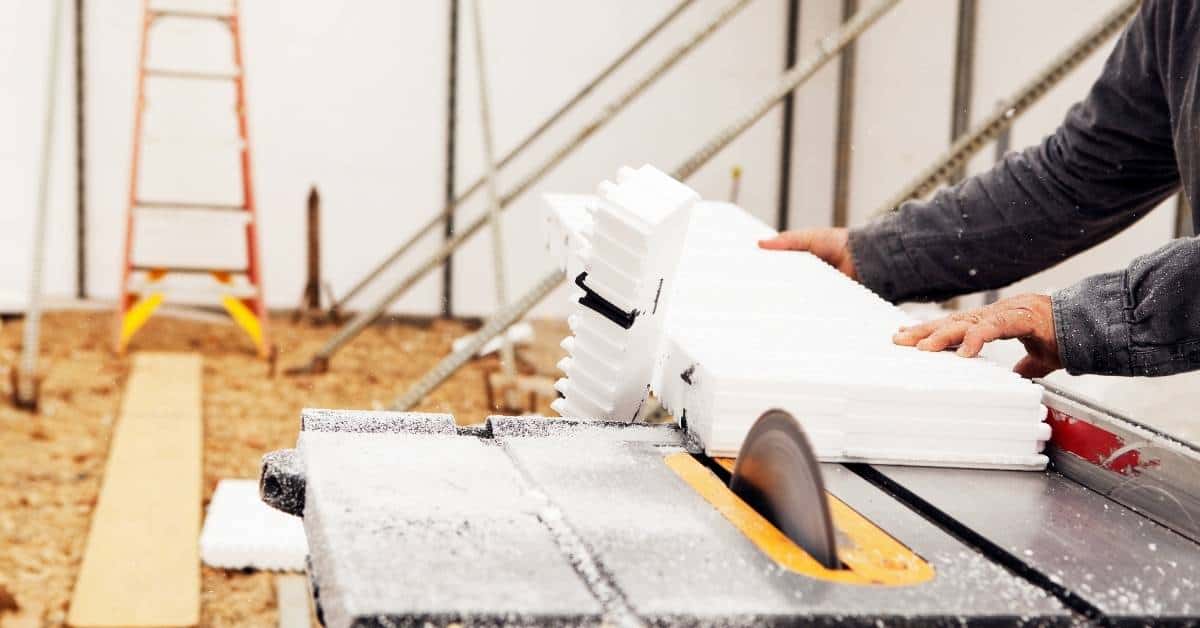
- Personal Protective Equipment (PPE): Wear appropriate eye/face protection, respirator for dust/chemicals, gloves, and hearing protection. Ensure proper ventilation when sawing or applying foam.
- Flammable Materials: If working with open flames or heat sources, ensure fire-resistant clothing and no exposed skin.
- Adhesives and Solvents: Follow safe handling and storage guidelines for adhesives, foams, and solvents to prevent accidents.
- Elevated Work: Use fall protection when working on scaffolds or elevated surfaces.
- Fire-Resistant Clothing: Wear fire-resistant clothing if working near heat sources or open flames.
- Skin Protection: Cover exposed skin to prevent chemical burns or irritation from foams and adhesives.
- Ventilation: Ensure proper ventilation when sawing or applying foam to prevent the buildup of harmful fumes.
- Emergency Procedures: Establish emergency procedures in case of accidents or spills.
Quick rule: Always confirm all safety gear is in place before starting work. Address any gaps immediately to prevent accidents.
Building Code, Vapor Control, and Inspection Checkpoints
Verify your foam installation complies with local building codes and regulations by following this checklist.
- Local Building Codes: Review International Building Code (IBC) and International Residential Code (IRC) to confirm specific requirements for your project.
- Vapor Control: Verify vapor control measures, including vapor retarder/barrier placement, with local code officials.
- Fire Blocking: Confirm fire blocking requirements and ensure they are met during installation.
- Continuous Insulation: Check if continuous insulation is required in your area and confirm the foam meets these requirements.
- Inspection Milestones: Note AHJ-approved inspection milestones, such as pre-frame, final, moisture/air-seal checks, and required tests or documentation.
- Moisture-Prone Areas: If installing in moisture-prone areas, ensure vapor control measures are adequate to prevent mold growth and structural damage.
- Fire Ratings: Confirm the foam’s fire rating meets local requirements.
- Air-Sealing: Ensure proper air-sealing techniques are used to maintain indoor air quality and energy efficiency.
Quick rule: Always consult with local inspectors or code officials to confirm specific requirements for your project. Address any non-compliance issues promptly to avoid delays or rework.
Tools and Materials Checklist and What to Verify
Confirm you have the necessary tools and materials for a successful foam installation by following this checklist.
- Masonry Bits: Required for drilling into block walls. Key spec: Drill bit size matching wall anchors or screws. Jobsite tip: Keep bits sharp for easier drilling.
- Rotary Hammer: Essential for drilling into concrete and masonry. Key setting: Low speed for better control when drilling. Warning: Use safety glasses to protect from debris.
- Foam Tools: Walk-behind or hand tools for foam application. Key spec: Compatible with chosen foam type (open/closed cell). Jobsite tip: Rent or borrow if infrequent use.
- Caulking Gun: Needed for applying sealants and adhesives. Key spec: Size matching adhesive cartridge. Jobsite tip: Clean gun thoroughly after use to prevent clogging.
- Tape/Measuring Tools: Essential for accurate measurements and securing foam in place. Key spec: Tape measure length suitable for project size. Warning: Double-check measurements to avoid mistakes.
- Moisture/Thermal Meters: Required for testing moisture levels and thermal performance. Key setting: Calibrate meters regularly for accurate readings. Jobsite tip: Rent or borrow if infrequent use.
- Foam Datasheets: Verify foam type (interior/exterior), thickness, board/spray foam, adhesive/fastener profiles, vapor barriers, edge seals, and flashing with manufacturer datasheets.
Conclusion
Safety, durability, and a clean appearance depend on choosing the right foam approach for your block walls and following careful, repeatable steps. Start with a small area to test moisture response, check manufacturer guidance, and verify that any foam installed will not trap moisture or create condensation issues that compromise framing or finishes.
Make your plan in practical steps: confirm whether interior or exterior foam best suits your climate and wall condition, prepare the surface as directed by the product instructions, install or seal in stages following the approved method, perform moisture and temperature checks after each step, and progress only after successful testing. If you encounter unexpected dampness, material delamination, or odd odors, pause and reassess before continuing.
Common mistakes to avoid include skipping surface preparation, choosing foam that is not-rated for exterior exposure or for blocking moisture, and overlooking ventilation or drainage considerations that affect hygrothermal performance. Always follow safety rules: wear eye and skin protection when applying foam products, ensure proper ventilation, and respect labeling for storage and curing times. If you are unsure about local codes or the correct assembly sequence, consult the product instructions or a qualified professional before proceeding.
When in doubt, reach out to a professional for an assessment or installation help—a careful evaluation can prevent costly mistakes and long-term damage. With careful planning and disciplined execution, you can improve comfort and energy efficiency while maintaining the integrity and appearance of your block walls.
FAQ
What are the main differences between interior foam and exterior foam insulation for block walls?
Interior foam adds insulation on the inside face of the block wall, while exterior foam goes on the outside. Each placement changes moisture behavior, drainage considerations, and potential risk of condensation, so review manufacturer guidance and local conditions before choosing.
What installation methods are commonly used for block wall insulation, and what should I verify?
Common methods include installing rigid foam boards with a continuous layer and sealing joints, or applying foam as part of a composite system. Verify product compatibility with concrete blocks, proper edge sealing, and any required fasteners, tapes, or coatings per the manufacturer instructions and local rules.
How do R-values and performance considerations differ between interior and exterior foam for block walls?
R-values indicate thermal resistance, but actual performance depends on installation quality and moisture management. Check the product datasheet for labeled R-value, thickness, and recommended installation details rather than assuming performance from shape or color alone.
What about moisture control and energy savings when using foam insulation on block walls?
Moisture control relies on proper vapor barriers, drainage, and air sealing. Energy savings come from reducing heat transfer when insulation is correctly installed and continuous, as described by the manufacturer; consult installation guidelines and consider potential moisture risks in your climate before proceeding.