
Introduction
Reinforcement details inside a corner of stucco help prevent cracks from redeveloping. This article gives practical, home-friendly ways to strengthen the joint as you repair. Think of it as a light rebuilding of the corner so movement from framing or temperature doesn’t keep tearing at the surface.
Start by inspecting the crack and removing loose material so the new reinforcement has a solid base. Use a compatible patching compound and, where appropriate, embed fiberglass mesh or thin metal reinforces along the corner, pressing it in as you work. Feather the edges, let it cure per the label, and avoid forcing movement until it hardens; check local rules or manufacturer tips if unsure.
Key takeaways
- Inspect all inside corners for hairline cracks and moisture before reinforcement.
- Use continuous backer rod and mesh lath per manufacturer guidance to reduce crack transfer.
- Embed corner beads and flexible reinforcement to accommodate seasonal movement without tearing.
- Select materials compatible with stucco resin and climate; check labels for flex.
- Plan movement joints and transition details during layout to prevent embedded cracks.
- Wear eye protection and gloves; clean work area to avoid contamination.
Table of Contents
- Introduction
- Key takeaways
- Why Inside Corners Crack — Root Causes and Mechanics
- Reinforcement Principles That Prevent Repeat Cracking
- Reinforcement Materials and Material Selection Explained
- Step-by-Step Reinforcement Technique for Inside Corners
- Movement Joints, Control Joints, and Transition Details
- Inspection Checklist and Diagnosing Repeat Cracking
- Environmental, Curing, and Maintenance Practices to Reduce Recurrence
- Tools, Materials Checklist, and Project Sequencing for DIY and Pros
- Conclusion
- FAQ
Why Inside Corners Crack — Root Causes and Mechanics
Inside corners concentrate stress because of geometry and movement of the wall and siding. The corner acts like a hinge where differential movement shows up as crack initiation. Substrate issues, previous repairs, and poor adhesion can all contribute to crack formation here.
Cracks often start where the finished coat bends around the corner, then propagate with seasonal movement and moisture changes. Look for places where substrate flex, framing shrinkage, or lath issues may be letting the corner deflect. When in doubt, verify substrate condition and any relevant product guidance before proceeding.
Stress concentration and corner geometry
Inside corners are trouble spots for stucco. They create a high-stress area where forces concentrate.
The angle in the corner causes bending forces. This is like when you bend a ruler – it wants to snap at the point of highest curvature. Same thing happens here, but with your stucco.
There’s also shear force at work. Imagine pushing two walls together from opposite sides. The stucco at the corner takes that push and wants to slide apart. That’s shear force.
Substrate movement and differential deflection
Your walls aren’t static. They move, ever so slightly. This is normal, but it can cause cracks at inside corners.
Framing might shift, sheathing might warp, or supports might not be level. Any of these can cause your walls to deflect differently in different spots. That’s differential deflection.
At the corner, where two walls meet, this movement is amplified. It’s like a seesaw – one side goes up, the other goes down. The stucco at that point gets stretched or compressed, and cracks happen.
Moisture, adhesion loss, and environmental contributors
Water’s a big player in stucco cracking. It gets into tiny cracks, freezes, expands, and makes those cracks bigger.
Then there’s thermal cycling. Heat causes expansion, cold causes contraction. Over time, this wears down the bond between your stucco and its substrate.
All these environmental factors work together to weaken the adhesion of your stucco. Once that happens, it’s easier for cracks to form and re-form at inside corners.
Reinforcement Principles That Prevent Repeat Cracking
The core design goal is to move stress away from the plane of the finished coat and allow controlled movement across the corner. Reinforcement should bridge the corner without creating a rigid, highly stressed strip. This helps prevent new cracks from opening in the coat.
Long-term bond matters, so use materials compatible with the base coat and follow manufacturer instructions. Check labels or data sheets for compatibility and suggested application methods before starting any work.
Stress redistribution and load path continuity
Reinforcement’s main job is to create a continuous load path, spreading stresses away from the inside corner tip. This reduces stress concentration and prevents cracking.
Imagine your reinforcement as a bridge. It carries loads from one side of the corner to the other, preventing them from piling up at the tip.
Use steel or fiberglass mesh, embedded in the scratch coat. This creates a strong bond with the substrate, helping distribute stresses evenly.
Accommodating movement vs. rigid restraint
Inside corners move. Reinforcement should allow this while preventing cracking. It’s a balancing act.
Allow movement with expansion joints or flexible details where corners meet walls or other structures. This lets the stucco breathe and move without stressing the reinforcement.
Provide rigidity with reinforcement in areas prone to high stress, like inside corners. Here, you want your mesh to hold everything together, preventing movement that could cause cracking.
Bond and compatibility fundamentals
Strong bond between reinforcement and substrate is key. Here’s how:
Use compatible materials. Stucco, mesh, and substrate should all play nice together. Incompatibility can lead to adhesion loss.
Proper surface prep. Clean, dry, and primed surfaces ensure good bond. Remove any contaminants that could hinder adhesion.
Correct embedment. Reinforcement should be fully embedded in the scratch coat. This creates a mechanical bond, locking everything together.
Reinforcement Materials and Material Selection Explained
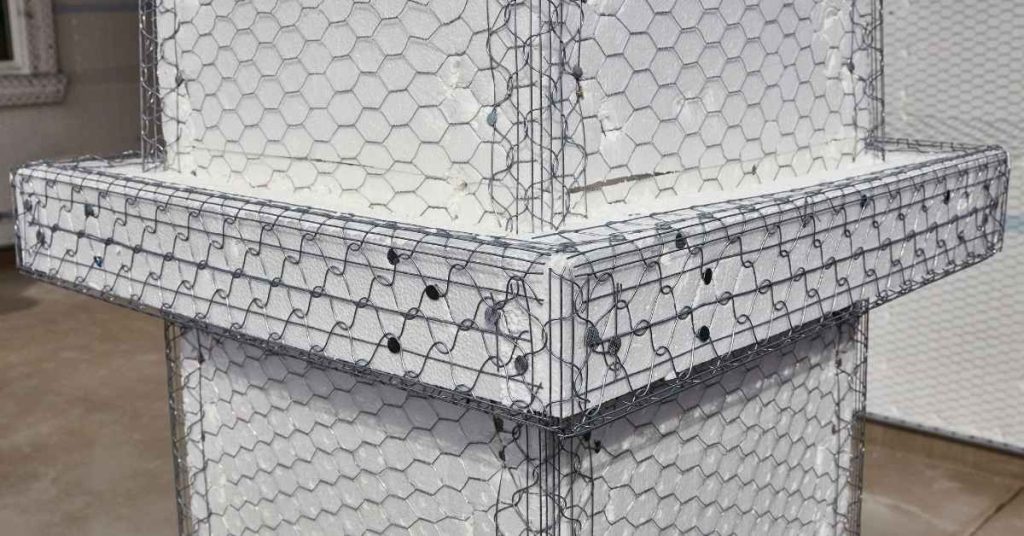
Common reinforcements include fiberglass mesh, corner beads made of stainless or galvanized metal, and lath options designed for corners. Each type has different bendability, strength, and corrosion resistance. The choice should suit the substrate and climate you’re working in.
Prioritize bond strength, flexibility, and corrosion resistance, and ensure the material matches the base coat system. Always verify performance attributes on the product data sheet or instructions before purchasing or applying.
Mesh types and characteristics
When it comes to reinforcing your stucco corners, you’ve got options with mesh. Let’s break down a few:
Woven vs Unwoven Fiberglass Mesh: Woven mesh is stronger due to its interlaced design. It’s great for high-traffic areas or where extra strength is needed. Unwoven, on the other hand, is lighter and more flexible, making it easier to install but less resistant to stress.
Self-Bonding Mesh: This mesh has an adhesive backing that sticks directly to your substrate. It’s a time-saver as you don’t need to apply a separate layer of scratch coat first. However, it might not be suitable for all substrates or climates.
Higher-Tenacity Products: For areas with high stress or movement, consider higher-tenacity mesh. These are made from thicker fibers and can withstand more strain before failing.
Metal bead and angle options
Metal corner beads and angles add a rigid barrier to your stucco corners, helping prevent cracking. Here’s what you need to know:
Corrosion Resistance: Choose stainless steel or galvanized metal for your beads and angles. These won’t rust like regular steel, ensuring your reinforcement lasts as long as your stucco.
Profile Shape: Beads come in different profiles – L-shape, T-shape, or even custom designs. The shape you need depends on the corner geometry and desired aesthetic.
Remember, metal beads are best used where corners aren’t subject to much movement. They’re rigid, so they can’t accommodate much substrate deflection without cracking themselves.
Fasteners, adhesives, and compatible substrates
To ensure your reinforcement stays put, you’ll need the right fasteners, adhesives, and a suitable substrate. Here’s how:
Fasteners: Use appropriate screws or nails to attach your mesh or metal beads. Stainless steel is best for corrosion resistance. Make sure they’re long enough to penetrate into the framing but not so long they poke through the stucco.
Adhesives: For self-bonding mesh, follow the manufacturer’s instructions. If using a separate adhesive, ensure it’s compatible with your substrate and reinforcement material.
Compatible Substrates: Reinforcement works best on stable substrates. That means no major movement or deflection. Check your walls before installing. If they’re not solid, address those issues first to prevent repeat cracking.
Step-by-Step Reinforcement Technique for Inside Corners
Start with a clean, dry substrate and remove loose material from the corner. Apply the chosen reinforcement to the inside corner following the manufacturer’s seating and embedment guidance. Secure the edge and ensure it sits flush to prevent voids in the finish.
Then bridge the corner into the adjacent planes and integrate with the base coat substrate per instructions. Allow for proper curing and check transitions to adjacent surfaces so they don’t create new stress risers. If instructions vary, defer to the product label or data sheet for specifics.
Step-by-Step Process
This section guides you through the practical steps to reinforce inside corners and minimize repeat cracking.
- Inspect the area: Check for any signs of damage, rot, or loose lath before starting. If unsure, consult a pro.
- Prepare the site: Ensure safety by clearing the work area, wearing appropriate PPE, and setting up proper scaffolding if needed.
- Remove damaged material: Use a chisel or oscillating tool to carefully remove cracked or damaged stucco (see next step for details).
- Clean and prep substrate: Thoroughly clean the surface, remove any loose debris, and ensure it’s dry before applying new material.
- Install corner reinforcement: Embed mesh or metal bead correctly, ensuring proper overlap and anchoring (detailed in following steps).
- Apply base coat: Mix and apply the first layer of stucco, embedding the reinforcement as you go. Ensure even coverage and thickness.
- Feather edges: Use a trowel to feather the edges of the base coat, avoiding abrupt thickness changes that cause cracking (detailed in later steps).
- Apply finish coats: Apply subsequent layers of stucco, allowing each to cure properly before applying the next. Ensure even application and proper curing time.
- Final inspection: Once fully cured, inspect the work for any signs of cracking or other issues. Address any problems promptly.
Substrate prep and removal of failed material
Proper substrate preparation is key to a successful repair. Removing damaged material correctly ensures a strong bond for the new stucco.
- Removing damaged stucco: Use a chisel or oscillating tool with a wood blade to carefully remove cracked or damaged stucco. Be cautious not to damage the underlying lath.
- Cleaning the substrate: Thoroughly clean the surface using a wire brush, vacuum, or damp cloth to remove all dust and debris. Ensure the substrate is dry before applying new material.
- Checking for rot or damage: Inspect the exposed lath and substrate for any signs of rot, water damage, or loose lath. If found, repair or replace these areas before proceeding.
- Avoiding common mistakes: Do not try to fill cracks with new stucco without removing the damaged material first. This will only lead to further cracking and a weak bond.
- Preparing for new application: Ensure the substrate is sound, dry, and free of any contaminants that could affect adhesion.
Installing corner reinforcement correctly
Proper installation of corner reinforcement is crucial to prevent repeat cracking. Here’s how to do it right:
First, ensure your chosen reinforcement (mesh or metal bead) is compatible with your stucco system and meets the required ratings.
Placing and overlapping mesh/metal bead: Position the reinforcement along the inside corner, ensuring proper overlap at the edges. This helps distribute stress evenly across the corner.
Anchoring methods: Secure the reinforcement in place using appropriate fasteners or adhesives. Follow the manufacturer’s instructions for best results. Ensure fasteners are driven into solid substrate and not just lath.
Embedding into base coat: As you apply the first layer of stucco, embed the reinforcement into the base coat. Ensure it is fully covered and embedded to provide a strong bond and load path continuity.
Embedding, feathering, and finishing to reduce stress risers
Proper embedding of reinforcement and careful finishing techniques help minimize stress risers that cause cracking.
Embedding mesh: As you apply the base coat, ensure the mesh is fully embedded into the stucco. Use a trowel or float to press the stucco into the mesh, ensuring full coverage and contact.
Feathering edges: When applying the base coat, use a trowel to feather the edges of the stucco. This involves tapering the thickness of the stucco at the edges, avoiding abrupt changes in thickness that can cause stress risers and cracking.
Building profiles: Carefully build up subsequent layers of stucco, ensuring even application and proper curing time between coats. Avoid applying stucco too thickly in one layer, as this can also create stress risers.

Movement Joints, Control Joints, and Transition Details
Place movement or control joints where anticipated movement could occur, and position them relative to the inside corner as advised by guidance for your system. The goal is to isolate the corner from rigid blocks of finish coats. Use proper detailing to accommodate expansion and contraction without pulling at the corner.
Detail transitions to other materials so there’s a smooth, non-binding path into edges, windows, or reveals. Always cross-check with local rules and product instructions to ensure you’re detailing joints in the correct locations.
When and where to locate control or expansion joints
Control and expansion joints are crucial for managing movement in your stucco. They should be placed every 8-10 feet horizontally and vertically, depending on local codes and manufacturer recommendations.
Inside corners need a joint too. Place it about 2 inches from the corner to allow for some flexibility. Check with your local building department or manufacturer guidelines for exact spacing.
Remember, these joints aren’t just lines in the stucco – they go all the way through the substrate and into the framing if possible. This lets movement happen where you want it to, not where it causes cracks.
Detailing transitions to windows, doors, and dissimilar materials
Material choices at transitions can make or break your stucco job. You need good adhesion, flexibility, and a solid barrier against water.
- Stucco to wood/vinyl frames: Use an approved sealant like silicone or acrylic latex. Apply it in a continuous bead along the transition. Back this with a flexible flashing tape for extra protection.
- Stucco to metal frames: Use a high-quality, flexible caulk designed for metal. Apply it generously and use a backing material like foam tape to prevent cracking at the joint.
- Stucco to brick/stone: Ensure both surfaces are clean and damp before applying a thinset-based adhesive. Use a flexible sealant over this, embedding it into the stucco as you apply.
- Stucco to dissimilar cladding: Always use a compatible material for your transition. Incompatible materials can lead to cracking, staining, or weak bonds.
Reinforcing offsets, reveals, and architectural projections
Inside corners next to returns, reveals, or offsets can be tricky. These features often create stress concentrations that lead to cracking.
Offsets: Use a wider mesh at the offset to distribute stress more evenly. Consider using a heavier gauge wire too.
Reveals and projections: Here, you’ll need extra reinforcement. Add a second layer of mesh, lapping it over the first by about 2 inches. Use a heavier gauge wire for this second layer.
In all these cases, make sure your fasteners are long enough to go into solid framing members. This helps distribute stress and keeps your stucco secure.
Inspection Checklist and Diagnosing Repeat Cracking
Visually inspect crack width, pattern, and whether the corner shows signs of movement or substrate failure. Feel for any soft or hollow spots behind the corner that may indicate delamination. Check for moisture intrusion or efflorescence near the corner.
Use these clues to diagnose likely causes, such as substrate movement, poor adhesion, or improper reinforcement. When in doubt, reference the product instructions or data sheets to confirm allowable conditions and remedies.
Visual checkpoints and measurable indicators
Use this checklist to assess the condition of inside corners visually. It’s best to do this before touching or repairing any cracks.
- Crack pattern: Look for linear, diagonal, or star-shaped cracks. Linear cracks along corners are common but diagonal or star-shaped ones may indicate serious issues.
- Crack width: Measure crack widths with a feeler gauge. Narrow cracks (less than 0.1mm) might be hairline shrinkage cracks, while wider ones need immediate attention.
- Efflorescence: Check for white, powdery deposits on the surface. This could indicate water damage or poor drainage behind the stucco.
- Lath exposure: Look for exposed lath or mesh. This is a sign of severe cracking and may require full replacement.
- Crack location: Check if cracks are at corners, offsets, or reveals. Corners are common spots but cracks elsewhere might indicate other issues.
- Crack depth: Use a small screwdriver to gently probe cracks and check their depth. Deep cracks may require more extensive repair.
- Surface delamination: Gently tap the surface with a hammer. A hollow sound could indicate delamination, which needs immediate attention.
- Moisture content: Use a moisture meter to check for excess moisture behind the cracks. High moisture levels may indicate water damage or poor drainage.
Quick rule: If you find deep, wide, or star-shaped cracks, exposed lath, delamination, or high moisture content, consider full replacement rather than localized repair.
Determining root cause vs. superficial failure
Use this checklist to distinguish between surface-level cracks and those caused by underlying issues.
- Crack edges: Check if crack edges are sharp or rounded. Sharp edges usually indicate recent cracking due to movement, while rounded ones might be old shrinkage cracks.
- Crack surface: Look for cracked paint or wallpaper at the crack site. If present, it suggests a recent crack that caused the finish to crack as well.
- Substrate movement: Gently push and pull on the corner. Any movement could indicate structural issues causing cracks.
- Water damage: Check for signs of water damage like mold, mildew, or musty odors around cracks. This could indicate water intrusion as the root cause.
- Crack history: Ask about any recent earthquakes, foundation settling, or other events that might have caused sudden cracking.
- Control joints: Check if there are control joints nearby. If not, lack of expansion space could be causing cracks.
- Window/door frames: Inspect frames for signs of movement or misalignment. This could cause stress on corners and lead to cracking.
Quick rule: If you find signs of recent cracking, substrate movement, water damage, lack of control joints, or stressed window/door frames, the cracks are likely due to underlying issues rather than superficial failure.
When repair is temporary vs. when full replacement is needed
Use this checklist to decide whether localized reinforcement will suffice or if broader system replacement is required.
- Crack count: Count the number of cracks in the corner. A few isolated cracks might be repairable, but many could indicate a systemic issue requiring full replacement.
- Crack length: Measure total crack length. Long cracks or those covering large areas may require full replacement rather than localized repair.
- Exposed lath/mesh: If you find exposed reinforcement, it’s a sign that the entire corner needs to be replaced, not just repaired.
- Delamination: If there are signs of delamination, full replacement is usually necessary as localized repair won’t fix the underlying issue.
- Moisture content: High moisture levels behind cracks could indicate a systemic water intrusion problem requiring full replacement rather than localized repair.
- Crack recurrence: If you’ve repaired cracks before and they keep recurring, it might be a sign that the entire system needs replacing to prevent further cracking.
- Age of corner: Older corners may have reached the end of their useful life. If so, full replacement rather than repair might be necessary.
Quick rule: If you find many cracks, long cracks, exposed lath/mesh, delamination, high moisture content, recurring cracks, or an old corner, consider full system replacement rather than localized repair.
Environmental, Curing, and Maintenance Practices to Reduce Recurrence
Manage curing conditions to avoid rapid drying or exposure to freezing or direct heat. Maintain proper moisture during curing if the system requires it, and ensure drainage around the wall to minimize standing water at the corner. These steps help prevent substrate stresses from building up.
Plan routine maintenance to monitor for cracks, delamination, and moisture issues. Follow any recommended maintenance intervals in the product instructions or label, and address problems promptly to protect the reinforcement setup.
Curing, temperature, and moisture best practices
Proper curing is crucial to prevent cracks and ensure a strong bond. Here’s what you need to do:
Monitor temperature. Concrete sets best between 50°F (10°C) and 70°F (21°C). Check local weather forecasts and adjust your schedule accordingly.
Control moisture loss. Keep the concrete damp for the first few days. Cover it with plastic sheeting at night or during hot, dry periods. But don’t overdo it – too much water can cause cracks too!
Remember, these are just guidelines. Always check your product labels and local building codes for specific recommendations.
Site drainage, landscaping, and water management
Water’s your concrete’s worst enemy. It can cause cracks, spalling, even total failure. So, let’s keep it away from those corners.
First off, check your site’s drainage. You want water running away from your concrete, not towards it. If it’s not, you might need to slope the ground or install drains.
Now, landscaping. Plants look nice, but they can cause problems if not managed right. Keep vegetation at least a foot away from corners. Any closer and roots could start pushing on your concrete, causing cracks. Plus, plants drink water – lots of it. You don’t want that water sitting next to your concrete.
Lastly, keep an eye on those downspouts. Make sure they’re directing water away from your concrete. If not, you might need to extend them or redirect the flow.
Preventative maintenance and inspection schedule
Use this checklist every six months to catch potential issues early. Regular checks help prevent cracks from recurring and save you money in the long run.
- Check for Cracks: Inspect your concrete surface visually for any new or widening cracks. A hairline crack may seem minor, but it can grow quickly if not addressed.
- Monitor Moisture Levels: Ensure proper drainage around your concrete. Standing water can cause damage over time. Refer to your site drainage plan from earlier in the article.
- Inspect Control Joints: Check if control joints are still intact and functioning properly. If they’re crumbling or missing, it’s a sign of excessive stress on the concrete.
- Check Expansion Joints: Ensure expansion joints remain filled with proper material (like sand or backer rod). Empty or damaged joints can lead to cracking.
- Inspect Rebar Reinforcement: If accessible, visually inspect rebar reinforcement. Rusting or exposed rebar can compromise the concrete’s strength.
- Check for Settlement or Heaving: Use a level to check if your concrete surface is still flat and even. Uneven settlement or heaving could indicate underlying soil issues.
- Inspect Concrete Edges: Check corners and edges for signs of spalling (flaking) or chipping. These areas are prone to damage from impact or freeze-thaw cycles.
- Review Weathering Damage: Inspect your concrete for signs of weathering, such as discoloration, scaling, or pitting. These can be indicators of underlying issues.
Quick rule: Always address any new cracks or signs of damage promptly to prevent them from worsening and causing more expensive repairs down the line.
Tools, Materials Checklist, and Project Sequencing for DIY and Pros
Assemble basic tools, personal protective equipment, and the specific corner reinforcement materials you’ll use. Have clean rags, a sharp utility knife, and a mixing tool ready, plus any corner beads or mesh specified for your system. Confirm that you have everything needed before starting.
Follow a logical sequence: prep, reinforce, finish, and cure, then inspect transitions to other surfaces. If any step or sequence is unclear, consult the product instructions or the data sheet for the recommended workflow.
Tools and PPE essentials
Before you start any reinforcement work, ensure you have the right tools and personal protective equipment (PPE) to keep yourself safe and productive.
- Hard hat: Protects against falling objects. Always wear when working under potential hazards.
- Safety glasses: Shields eyes from debris and chemicals. Essential for any hands-on work.
- Gloves: Prevents cuts, burns, and chemical exposure. Choose the right type for the job.
- Steel-toed boots: Protects feet from heavy objects and sharp edges. Mandatory on most jobsites.
- Tape measure: Accurate measurements prevent mistakes. Check before each cut or mark.
- Level: Ensures straight lines and even surfaces. Double-check your work as you go.
- Utility knife: Cuts through materials cleanly. Be cautious to avoid injuries.
- Hammer or mallet: Taps in anchors, drives nails, or shapes materials. Use the right tool for the job.
Quick rule: Always prioritize safety first. If you’re unsure about any tool or PPE, ask a professional.
Materials selection and what to verify on labels
Choosing the right materials is crucial for successful reinforcement. Here’s what to check before purchasing:
- Mesh weight: Heavier mesh provides better support. Check manufacturer recommendations for your specific application.
- Corrosion resistance: Essential for outdoor or damp environments. Look for galvanized or stainless steel options.
- Manufacturer compatibility: Ensure the materials are designed to work together. Check product data sheets for compatibility information.
- Mesh size: Smaller mesh provides more reinforcement but can be harder to install. Choose based on your specific needs and skill level.
- Anchor type: Different anchors suit different substrates. Check what’s suitable for your surface.
- Expansion joint material: Should match the substrate or have proven compatibility. Check with the manufacturer if unsure.
- Adhesive type: Choose one suited to your substrate and climate conditions. Follow manufacturer guidelines for application.
Quick rule: Always read and follow product data sheets. If you’re unsure, consult a professional.
Work sequencing and quality checkpoints during installation
Follow this step-by-step guide to ensure your reinforcement work is done right:
- Prepare surface: Clean, dry, and prime the area. Inspect for any remaining damage before proceeding.
- Install anchors: Securely attach anchors to the substrate. Check each one for stability before moving on.
- Apply mesh: Carefully position and secure the mesh. Ensure it’s taut and evenly spaced from the surface.
- Spread adhesive: Apply adhesive according to manufacturer guidelines. Cover the entire area, but avoid creating drips or runs.
- Press mesh into adhesive: Use a roller or trowel to ensure full contact between mesh and adhesive. Check for any missed spots.
- Apply finish coat: Spread the final layer of stucco evenly. Inspect for any air pockets or voids.
- Cure properly: Follow manufacturer guidelines for curing times and conditions. Protect the area from rain and extreme temperatures during this period.
- Final inspection: Once cured, visually inspect the entire area. Check for signs of cracking, delamination, or other defects.
Quick rule: Regular inspections throughout the process help catch issues early. Don’t rush through any step.
Conclusion
Two things matter most here: the repair must move with the wall and stay strong enough to resist further cracking, or you’ll chase cracks forever and lose curb appeal and value. With the right reinforcement mindset, proper materials, and careful sequencing, you can finish with a crack-resistant corner that looks solid and lasts.
Proceed with a practical check: inspect the corner area for movement joints and transition details, select the reinforcement approach and materials that fit the crack pattern, verify proper surface prep and primer, follow the step-by-step technique for embedding or tying in the reinforcement, apply the correct control and movement joints, cure and protect per the environment, and finally recheck for alignment and movement after curing. Do the work in a logical order, test small areas first, and keep a clean, dry surface as you go.
Common mistakes to avoid are skipping movement joints or proper detailing at transitions, overloading the corner with incompatible materials, and rushing cure or environmental control. Safety rules are plain: wear eye protection and gloves, keep the area dry while working, test your patch in a small spot before full application, and never force a repair where movement is ongoing or the substrate is loose. If you’re unsure about the crack pattern, or the area is continuously moving after reasonable curing time, don’t push a DIY fix; call a professional to assess structural or substrate issues and prevent costly rework. Stay disciplined, follow the plan, and you’ll turn this into a durable, low-maintenance corner that stays looking right for years.
FAQ
What should I look for to know if the reinforcement is actually helping inside corners?
After you apply the reinforced layer, watch for new cracks in a few dry days. If cracks stop widening and don’t appear at the same spots, you’re likely doing okay. If cracking returns along the corner, reassess the joint movement details and follow the manufacturer instructions for the reinforcement you used.
What are the most common mistakes with inside-corner reinforcement?
Don’t skip movement joints or misplace the corner bead. Don’t sandwich reinforcement in plaster or stucco without proper backing or embedment. Never ignore substrate movement or rely on enough adhesive alone to hold the corner in place.
How do I choose between metal lath, fiberglass mesh, or other reinforcements for inside corners?
Use the material your stucco system specifies and verify it works with your substrate. Check the product label or datasheet for suitability at inside corners, and confirm compatibility with local conditions. If unsure, ask the supplier or follow the system instructions and local guidelines.
What steps should I take if cracks come back after reinforcement?
First, recheck the movement joint details and the corner transition. Then clean the area, re-embed the reinforcement, and follow proper curing and protective practices. If in doubt, pause and verify with the product instructions or local rules before proceeding.