
Introduction
Injecting adhesive behind loose plaster is a technique to reattach it by forcing glue into the gap behind the plaster. It can work when the substrate is sound and the plaster isn’t too far detached. Check the wall for hollow spots and test fit before you start.
This approach can fail when the backing is crumbled or the gaps are too wide. If you hear loose plaster crumbling or see large voids, stop and assess. Check product labels and manufacturer guidance for cure times and surface prep; if unsure, consult local rules.
Key takeaways
- Assess plaster condition and moisture before attempting adhesive injection to avoid failures.
- Use injection only where backing is solid and cracks are limited in extent.
- Choose adhesive compatible with substrate and follow manufacturer instructions precisely.
- Prepare area, protect tenants and surfaces, and ventilate; wear eye and skin protection.
- Conduct a small test injection in a concealed area to gauge penetration response.
- If injection shows minimal movement or stains, reassess suitability or seek pro help.
Table of Contents
- Introduction
- Key takeaways
- How Adhesive Injection Is Supposed to Work
- Diagnosing Whether Injection Is Appropriate
- Types of Adhesives and How to Choose One
- Tools and Materials Checklist
- Step-by-Step Injection Procedure (DIY-Friendly)
- When Injection Typically Works Well
- Common Failure Modes and Why Injections Fail
- What to Do When Injection Fails or Is Unsuitable
- Conclusion
- FAQ
How Adhesive Injection Is Supposed to Work
The basic idea is to place adhesive behind a loose layer of plaster so it can grip the back of the plaster and the substrate it sits on. This creates a new bond that helps the plaster resist further movement and reduces hollow spots that can crack or detach. The goal is to transfer stresses from the loose layer to solid material behind it without creating new voids.
In practice, you want the adhesive to fill gaps and form contact with both surfaces. A proper bond should resist typical loads from everyday use and settle the plaster back into place. Always verify that the product is compatible with your substrate and plaster before proceeding.
Mechanics of adhesion and void filling
The adhesive injection process relies on two key principles: bridging gaps and transferring loads.
Adhesives, when injected behind loose plaster, seep into the voids created by delamination. They fill these spaces, creating a bond between the plaster and its substrate (usually the wall or ceiling structure).
Bridging gaps means the adhesive spans the distance between the two surfaces, connecting them. Once cured, it forms a strong bond that helps prevent further separation.
Transferring loads refers to how the adhesive distributes the weight and stress of the plaster evenly across the substrate. This helps stabilize the plaster and reduces the risk of future cracking or crumbling.
Common injection methods (needle, port, pressure)
There are three main approaches to injecting adhesive behind loose plaster:
Needle injection involves using a syringe-like tool with a long, thin needle. This method is best for small areas and narrow gaps.
Port injection requires drilling small holes into the plaster, then inserting ports that allow adhesive to be pumped in under pressure. This method is ideal for larger areas or when significant suction exists behind the plaster.
Pressure injection uses a specialized pump to force adhesive through tubes and into the voids. This method ensures even coverage and is suitable for extensive delamination issues.
Diagnosing Whether Injection Is Appropriate
Start by evaluating the area for movement, looseness, and cracking. Look for signs that the plaster is only delaminated or if the substrate itself is compromised. Moisture or ongoing dampness is a red flag that can undermine an injection repair.
Next, test a small area to gauge how well the plaster re-adheres after an injection. Consider the extent of delamination and whether the backing material appears stable. When in doubt, consult the product instructions or local guidelines to judge suitability for your situation.
Visual and audible inspection checklist
Before you start, use this checklist to map out loose plaster. It’s quick and helps avoid surprises.
- Cracks: Look for hairline or wider cracks. They might hide voids.
- Sound changes: Tap the wall. Hollow sounds mean delamination.
- Peeling paint: Check if paint is lifting. It could be hiding a problem.
- Wavy or bulging areas: These might have voids behind them.
- Old repairs: Inspect previous fixes. They might need reinforcing.
- Moisture stains: Check for water damage. It can weaken plaster.
- Efflorescence: Look for white, powdery deposits. They could signal dampness.
- Loose pieces: Gently push on the wall. If it gives, there’s a void.
Quick rule: Don’t skip any steps. Each one helps you understand what you’re dealing with.
Probing, access holes, and measuring voids
To get a better idea of the void’s size and location, use these non-destructive methods.
Start by probing with a thin tool like a needle or a small awl. Gently push it into the plaster where you suspect a void. If it goes in easily, there’s likely a void behind.
Next, make minimal-access holes using a small drill bit. This lets you see inside without causing too much damage. Mark out spots based on your probe results and drill small holes at those points.
Use a thin wire or a piece of string to measure the depth and size of the voids. Insert it into the access holes and feel around. Mark the string where it first hits solid material, then pull it out and measure the length. This gives you an estimate of the void’s size.
Moisture and substrate condition assessment
Before injecting adhesive, check for moisture and substrate issues that could affect adhesion.
Dampness: Use a moisture meter to test the wall. Excessive dampness can prevent adhesion and cause further damage.
Efflorescence: If you see white, powdery deposits on the surface, it might be due to excess moisture. Scrape off any efflorescence before injecting.
Lath or backing deterioration: Inspect the lath or backing material behind the plaster. If it’s damaged or weak, it won’t hold the adhesive well. You might need to reinforce it first.
Types of Adhesives and How to Choose One
Adhesive categories commonly used include epoxy, polyurethane, acrylic, and gypsum-compatible options. Each type has different cure behavior, substrate compatibility, and moisture tolerance. Matching the adhesive to your plaster, backing, and expected stresses is key.
Always check the product label or data sheet for substrate recommendations and curing guidance. Follow the manufacturer instructions and your local rules to ensure a compatible choice. When unsure, compare notes across labels and seek professional guidance if needed.
Substrate and Plaster Compatibility
Before you choose an adhesive, check your existing plaster and backing material. You want to ensure they’ll bond well together.
Plaster: Make sure it’s clean, dry, and free from any loose or crumbling parts. If not, fix those first. Some adhesives work better on certain types of plasters (like gypsum-based), so check that too.
Substrate: This is what your plaster sticks to – usually a wall or ceiling. It needs to be solid and stable. If it’s not, fix that first. Some adhesives work better on certain substrates, like concrete or wood, so consider that as well.
Viscosity, Open Time, and Cure Behavior
The way an adhesive flows (viscosity) affects how deep it can penetrate into the voids. Thinner adhesives flow more, thicker ones less.
Open time: This is how long you have to work with the adhesive before it starts setting. Longer open times give you more time to inject and spread the adhesive evenly.
Cure behavior: How an adhesive sets and gains strength over time affects when you can paint or decorate over it. Some adhesives cure quickly, others take days or weeks. Always check the manufacturer’s specs for this.
Chemical and Environmental Considerations
Some adhesives release harmful chemicals (VOCs) as they cure. Keep people, especially kids and pets, away until it’s safe.
Moisture sensitivity: Some adhesives don’t like moisture. If your walls are damp, fix that first or choose a moisture-resistant adhesive.
Temperature limits: Adhesives perform best within certain temperature ranges. Too hot or too cold can stop them from setting properly. Check the manufacturer’s specs for this.
Tools and Materials Checklist
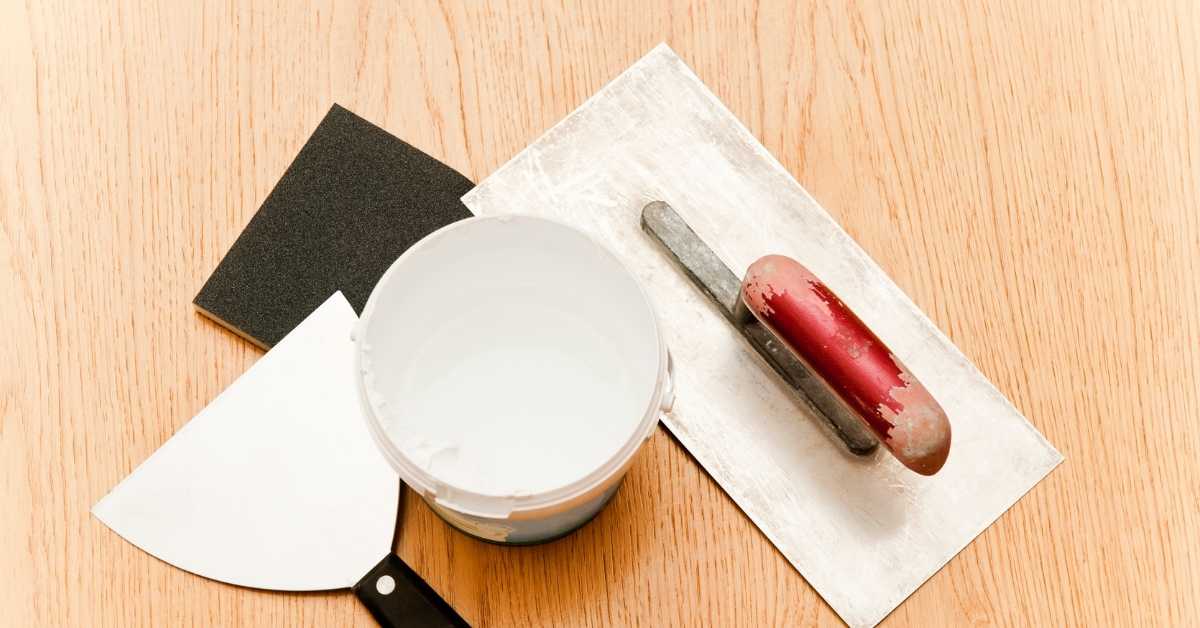
Gather an injection kit with fittings and delivery system, surface-prep tools, and appropriate PPE. Include a method to clean and dry the area, plus containers for mixing if required. Have a small trowel or applicator for finishing and removal of squeeze-out.
Also assemble basic hand tools, a drill or punch for access, waste containment, rags, and a bucket. Plan for surface protection and simple containment to keep dust and debris under control. Always verify that your chosen tools are compatible with the adhesive you selected.
Injection equipment and ports
Before you start, make sure you have the right gear to deliver adhesive into those voids.
- Nozzles: Choose between needle (for small holes) or port (for larger areas).
- Tubing: Flexible enough for easy maneuvering, rigid enough not to kink.
- Hand dispenser: For low-viscosity adhesives, use a caulking gun.
- Power dispenser: For high-viscosity or large-scale jobs, use a progressive pump.
- Pressure gauge: To monitor injection pressure and prevent overfilling.
- Injection ports: If using port method, ensure they’re compatible with your nozzle size.
- Cleaning supplies: Have rags and solvent on hand to clean up any adhesive spills.
- Safety glasses: Protect eyes from debris or adhesive splatter.
Quick rule: Always test your equipment before starting. A faulty nozzle can ruin your repair.
Surface prep and finishing materials
Preparation is key to a successful injection job. Here’s what you’ll need.
- Sealant: To prevent moisture from entering or adhesive from leaking out.
- Plaster filler: For filling any small cracks or holes before injection.
- Sandpaper: Light grit for smoothing surfaces after repair.
- Primer: To improve adhesion of finishing materials.
- Paint or wallpaper paste: Depending on your final finish.
- Cleaning supplies: To remove dust, dirt, and grease from the surface.
- Tape: For protecting adjacent areas during repair.
- Drop cloths: To catch any drips or spills.
Quick rule: Always clean and prep surfaces thoroughly. A dirty surface won’t bond properly.
Safety gear and testing supplies
Your safety and the health of your home are top priorities. Here’s what to check for.
- Gloves: Protect hands from adhesive and debris.
- Respirator: For high-dust tasks or if you suspect asbestos.
- Moisture meter: To check for hidden dampness before injecting.
- Lead test kit: If your home was built before 1978, test for lead paint.
- Asbestos test kit: For homes built between the 1930s and 1950s, check for asbestos.
- Safety glasses: Protect eyes from dust and debris.
- Ear protection: For using power tools during prep work.
- Work clothes: Old clothes you don’t mind getting dirty or damaged.
Quick rule: Always test for moisture, lead, and asbestos before starting. Your safety depends on it.
Step-by-Step Injection Procedure (DIY-Friendly)
Prepare the area by cleaning and drying the surface, then protect nearby finishes. Set up the injection system and test the flow before injecting into the voids. Install any needed fittings according to your kit’s instructions.
Proceed with controlled injections, allowing the adhesive to fill the space and bond with the backer. Wipe excess adhesive from the surface as you go and let the area cure per the product’s guidance. Do not substitute the steps with other instructions from different products unless verified.