

Introduction
Discovering ice dams or water buildup on your roof can be alarming, but with a systematic approach, you can diagnose and fix these issues efficiently. This guide focuses on the timeline of a DIY diagnosis and repair process to help you understand how long each step takes and plan accordingly.
Whether you’re a seasoned DIYer or tackling your first roof project, understanding the time commitment will ensure you allocate enough resources and avoid rushing through crucial steps.
The Step-by-Step Timeline for DIY Roof Diagnosis and Repair
From initial inspection to final repairs, follow this timeline to keep your project on track:
- Safety Preparation (15-30 minutes): Gather safety gear, check weather conditions, and plan your approach.
- Interior Inspection (15-30 minutes): Check for signs of moisture, warm spots, or frost in the attic to confirm leaks.
- Exterior Inspection (30-60 minutes): Inspect flashing, ice dams, gutters, and shingles for damage. Test temporary fixes as needed.
- Planning and Gathering Materials (15-30 minutes): Document findings, create a repair plan, and gather required tools and materials.
- Permanent Repairs (<1 hour to several hours, depending on the extent of damage): Follow step-by-step techniques to address common roofing issues, such as improving insulation, venting, or adding membranes or drip edges.
Total time commitment varies based on the severity of issues and your DIY experience. Allocating sufficient time for each stage ensures a thorough diagnosis and effective repairs.
Key takeaways
The preparation time spent on safety gear and planning can significantly impact the overall timeline, so ensure you allocate enough time before starting any exterior work.
- Identify ice dams early; look for icicles, gutter ice, and sagging roof edges.
- Safety first: avoid walking on ice; use roof ladder and fall protection when possible.
- Interior signs: check ceiling stains, warm spots, or attic frost indicating leaks.
- Temporary fixes: clear small ice dams from edges with a plastic scoop and gentle chisel.
- Permanent fixes: improve insulation, venting, and add membranes or drip edges during repair.
- Plan seasonal prevention: maintain attic ventilation, insulation levels, and gutter clearance before winter.
Table of Contents
- Introduction
- Key takeaways
- How Ice and Water Cause Roof Problems (Overview)
- Safety First: Preparing for a DIY Roof Diagnosis
- Systematic DIY Diagnosis: From Interior to Exterior
- DIY Repairs: Quick Temporary Fixes and Permanent Step-By-Step Fixes
- Tools, Materials, and Visual Checkpoints
- Preventive Maintenance and Seasonal Planning
- Costs, When to Call a Pro, and Insurance Tips
- Conclusion
- FAQ
How Ice and Water Cause Roof Problems (Overview)
Ice dams form when meltwater at the roof edge refreezes, driving water back under shingles and into the attic. Trapped moisture and repeated freeze-thaw cycles lead to leaks, rot, and insulation damage, with eaves, valleys, chimneys, and penetrations like vents or flashing as common trouble spots. The roof assembly—sheathing, underlayment, and the shingles or metal—either blocks water or lets it sneak in, and poor insulation or ventilation makes the problem worse.
Look for attic signs like staining, frost, or condensation, visible ice dams, warped or rotten sheathing, and moisture-meter cues. Do quick DIY checks safely: clear snow off the roof, improve ventilation, and inspect flashing where roof meets walls. For stubborn leaks, flashing failures, or signs of structural rot, call a pro and follow manufacturer guidance.
What is an Ice Dam and How It Forms
An ice dam forms when warm air inside your home heats the roof, causing snow to melt. This water runs down the roof until it reaches a cold overhang where it freezes again. Over time, this builds up into a wall of ice at the eaves that can force water back under shingles and into your attic or walls.
The key issue is thermal differences. Heat escaping from your home warms the roof deck but not the overhang, leading to meltwater refreezing. Poor insulation or ventilation makes this worse by letting more heat escape through the roof.
This cycle can cause serious damage if left unchecked. Ice dams force water under shingles and into vulnerable spots like valleys and chimneys, leading to leaks and rot in your attic or walls.
Typical Leak Paths and Weak Points
Water finds the weakest points on a roof. Common entry spots include plumbing vents, chimneys, and valleys where different roof sections meet. Each of these areas has its own vulnerabilities.
For example, plumbing vents often have flashing that can fail if not properly sealed or maintained. Step flashing around chimneys is another weak spot; it needs to be tight against the masonry and shingles.
Valleys are also prone to leaks because they collect water and ice. If there’s any gap in the metal valley flashing, water will seep through. Additionally, nail holes or screw penetrations can let moisture in if not properly sealed with a good sealant like silicone.
These weak points need regular inspection and maintenance to prevent costly damage from ice dams and heavy rain.
Seasonal and Climate Factors
The risk of ice dams varies with the weather. Heavy snowfall can create deep layers that take longer to melt, increasing the chance for ice dam formation. Wind-driven rain also adds to the problem by pushing water into vulnerable spots.
In climates with frequent freeze-thaw cycles, ice dams are more common because melting and refreezing happens repeatedly. This constant stress on roof materials can lead to faster wear and tear.
Winter sun exposure is another factor; sunny days followed by cold nights create ideal conditions for ice dam formation. Understanding these seasonal patterns helps you plan your maintenance schedule better, ensuring timely repairs before damage occurs.
Safety First: Preparing for a DIY Roof Diagnosis
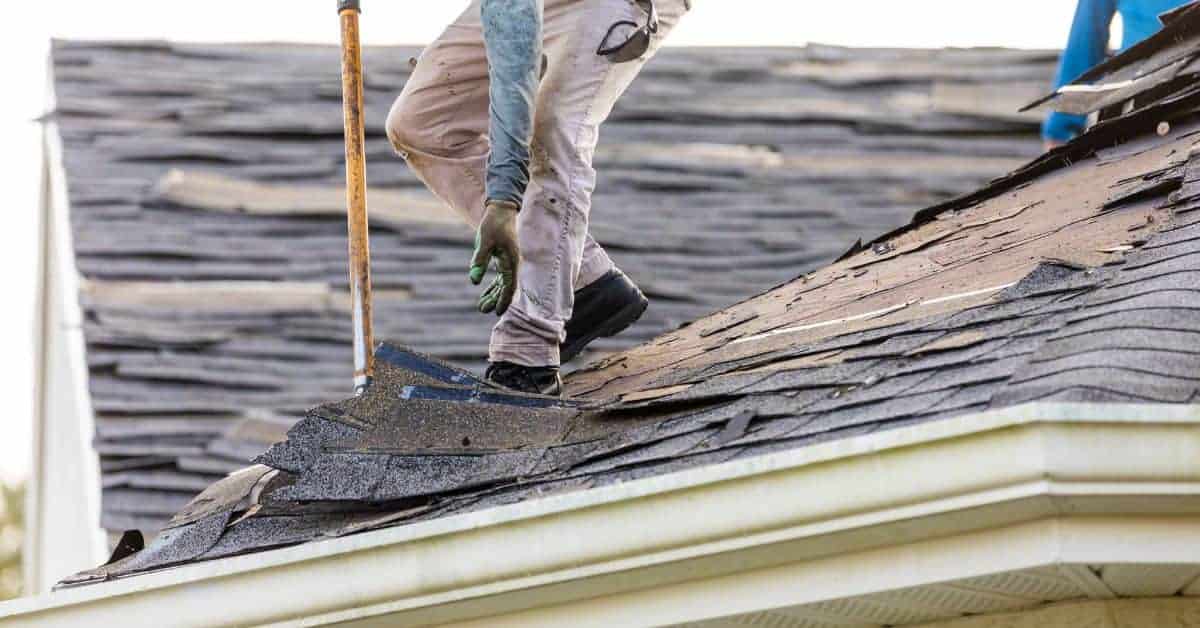
Safety first means you know what a DIY roof diagnosis covers and when to stop. Prioritize fall prevention, proper ladder setup, and good weather or you stay off the roof. Wear PPE and keep your hands free while moving, and respect your limits.
This is about planning, choosing the right access, and recognizing red flags like leaks, ice, or fatigue. A quick on-site risk check and tool tethering keep you safer and reduce surprises. If conditions or signs point to danger, pause and call a pro.
Ladder and Roof Safety Basics
Before you climb, make sure your ladder is set at the right angle. The rule of thirds means for every four feet up, the base should be one foot out from the wall. This keeps the ladder stable and prevents it from slipping.
Secure your ladder by placing a solid object like a brick or sandbag against its base to keep it in place. Always work with a partner who can hold the ladder steady while you climb. Don’t forget non-slip footwear, especially on icy or wet roofs.
When moving around on the roof, use three points of contact—two hands and one foot, or two feet and one hand—to maintain balance. Keep your tools tethered to avoid dropping them onto someone below. If you feel unsure about any part of this process, it’s best to call a professional.
Attic Safety and Inspection Precautions
Before entering the attic, use your safety checklist to ensure you’re prepared. This is especially important if there are signs of water damage or electrical issues.
- Board placement: Lay down boards across trusses for safe footing; avoid walking on exposed nails.
- Electrical hazards: Look out for exposed wires and turn off power at the breaker box if unsure.
- Structural integrity: Check for sagging or weak spots in floorboards; call a pro if you find any.
- Dust masks: Wear a respirator to avoid inhaling insulation dust.
- Knee pads: Use knee pads when crawling under low beams.
- Hearing protection: If sealing attic, wear earplugs or earmuffs.
Quick rule: Always assess the condition of your attic before entering to avoid injury from unseen hazards.
Systematic DIY Diagnosis: From Interior to Exterior
This approach starts with a systematic interior check—inspect the attic and ceiling for staining patterns, wet spots, mold, or efflorescence, and note color, size, dripping, and condensation trails to tell active leaks from past events. Create a stain-tracking log by photographing each stain with a scale, recording location and height, and mapping them on a simple grid or floor plan so exterior findings can be cross-checked. Then plan a controlled water test from the interior side, outlining a hose-test plan to reproduce leaks at suspected penetrations, and document which areas leak, under what pressure, and during which weather conditions while noting safety limits.
As you move outside, outline roof access routes and key features to inspect, and keep safety gear and PPE at hand so you can document exterior findings—flashing, vent boots, gutters, chimney flashing—and photograph methodically. This work matters because it translates findings into a practical repair plan, helps you separate DIY fixes from professional work, and builds a clear record for insurance or warranty discussions.
Attic Inspection: Tracing Moisture and Damage
Start your attic inspection after a heavy rain or snow melt to catch any active leaks.
- Check ceiling stains: Look for dark spots on the drywall. Confirm by checking if they’re growing in size or changing color. Skipping this can hide ongoing damage.
- Inspect insulation: Feel for wetness and look for discoloration. Wet insulation loses R-value fast, leading to higher heating bills.
- Note rafters: Check for water marks on wood beams. Confirm by looking at the underside of the roof deck above them. Missing this can mean undetected leaks.
- Look for sheathing damage: Inspect plywood or OSB for blisters, warping, or mold growth. Confirm with a moisture meter if unsure. Ignoring this can lead to structural issues.
- Identify vent boot issues: Check around plumbing and electrical vents for gaps or rusted metal. Confirm by looking at the roof surface below. Missing these can cause chronic leaks.
Quick rule: Always document your findings with photos and notes to track changes over time.
Interior Signs to Look For
Ceiling stains are a clear sign of water intrusion. They often appear as dark spots or rings, especially near walls or around fixtures like light switches and outlets.
Mold and mildew can also indicate past leaks. A musty smell in the air is another clue. Check corners where moisture tends to collect.
Warped trim or peeling paint are other signs of water damage. These issues often appear near windows, doors, or along baseboards where water might seep through.
Electrical fixtures can also show signs of leaks if they’re wet or discolored. Check around outlets and switches for any dampness or discoloration.
Rooftop Wet-Down Test: How to Do It Safely
To perform a wet-down test, start by identifying potential leak points like roof penetrations and valleys. Use a helper to direct water from the ground.
Begin testing at lower sections of the roof and work your way up. This helps isolate which areas are leaking under different pressures and weather conditions.
Avoid over-soaking any one area, as this can cause unnecessary damage or spread mold spores. Test during calm weather to avoid wind interference with water flow.
Common mistakes include not wearing proper PPE like gloves and eye protection, testing without a helper, and failing to document results accurately.
DIY Repairs: Quick Temporary Fixes and Permanent Step-By-Step Fixes
This section walks you through a clear progression from quick temporary fixes to solid DIY repairs and knowing when to call in a pro. Start with immediate mitigation like tarps and careful ice removal, then tackle targeted DIY tasks such as vent boot work, flashing reseals, and small shingle touch-ups. Save the permanent, professional work for after you’ve stabilized the roof and confirmed weather windows.
Use this guide to assess leaks, keep the roof safer on your own, and document damage for quotes. The goal is to stop the worst of it now, while knowing when to escalate to licensed help and what a proper scope of work should include. Always follow product labels and manufacturer instructions for temporary materials.
Step-by-Step Repair Process
This sequence will guide you through repairing a concrete surface, from preparation to final checks.
- Action: Clear the area of debris and loose material.
Reason: To ensure a clean surface for repair.
Check: The surface is free of dirt and loose pieces.
Professional Alert: If there’s extensive damage or structural issues, call in an expert. - Action: Apply the concrete patch material according to the manufacturer’s instructions.
Reason: To fill gaps and cracks properly before setting.
Check: The patch is smooth and level with the surrounding surface.
Professional Alert: If the crack is too deep or wide, seek professional help to avoid further damage. - Action: Use a trowel to spread and compact the repair material evenly.
Reason: To ensure proper adhesion and strength of the patch.
Check: The surface feels firm when touched, but not overly hard or dry. - Action: Allow the repaired area to cure for at least 24 hours before using it.
Reason: To let the concrete set and gain strength.
Check: The repair is no longer soft when lightly pressed with a finger. - Action: Clean your tools and equipment thoroughly after use to prevent clogging or rusting.
Reason: To maintain the quality of your tools for future projects.
Check: All tools are clean, dry, and stored properly. - Action: Inspect the repaired area regularly over the next few weeks to ensure it remains intact.
Reason: To catch any early signs of wear or failure that might need further attention.
Check: The repair shows no cracks, chips, or other damage. - Action: Apply a sealant over the repaired area if recommended by the manufacturer.
Reason: To protect the concrete from water and chemical damage.
Check: The surface feels smooth and has an even sheen after application.
Pro tip: Always wear protective gear like gloves, goggles, and a mask when handling concrete materials to avoid skin irritation or inhalation of dust.
Temporary Mitigation (Tarping, Heat, Gutters)
Tarping a damaged roof is a quick fix but do it right. Use heavy-duty tarps and secure them with straps or rope, not nails. Check for leaks regularly.
For ice dams, carefully chip away the ice from the gutters using a blunt tool to avoid damaging your shingles. Heat cables can help melt ice at key spots like roof edges but follow manufacturer instructions closely.
Gutters and downspouts need regular clearing to prevent water damage. Use a sturdy ladder and wear gloves. Check for debris buildup and ensure water flows freely away from the foundation.
Fixing Common Penetration Failures (Plumbing Vent Boots, Roof Vents)
When dealing with plumbing vent boots and roof vents, start by checking if the rubber boot is cracked or loose. If it’s just a small tear, you can patch it up temporarily with silicone caulk until you replace the whole thing properly later. But if the boot is completely shot, get a new one that fits your pipe diameter from the hardware store.
For roof vents, inspect around the flashing and fasteners for any signs of water damage or rust. Tighten loose screws but don’t over-tighten as you might strip them. If pulling out old screws is tough, replace them with new ones to avoid damaging the vent or shingles.
Remember, if a boot or vent looks too far gone, it’s better to bite the bullet and replace the whole thing rather than trying to patch it up long-term. Check local building codes for specific requirements on materials and installation techniques before you start your fix.
Repairing Flashing, Valleys, and Chimney Areas
When it comes to fixing flashing around chimneys, valleys, and step areas, the key is to get a solid mechanical seal rather than relying on caulk. Start by removing any old or damaged metal flashing. Check for leaks under the roof deck and make sure the base is compacted properly before installing new flashing.
For chimney counterflashing, cut it to fit snugly against your masonry work. Use roofing nails or screws to secure it firmly. Make sure there’s a good overlap with existing shingles to prevent water from seeping in. If you’re dealing with valleys, use metal that matches the slope and width of your roof.
Remember, quick fixes like caulk are just temporary band-aids. Take the time to do it right by replacing damaged flashing or repairing it mechanically. This will save you a lot of headaches down the road when leaks start appearing again.
Tools, Materials, and Visual Checkpoints
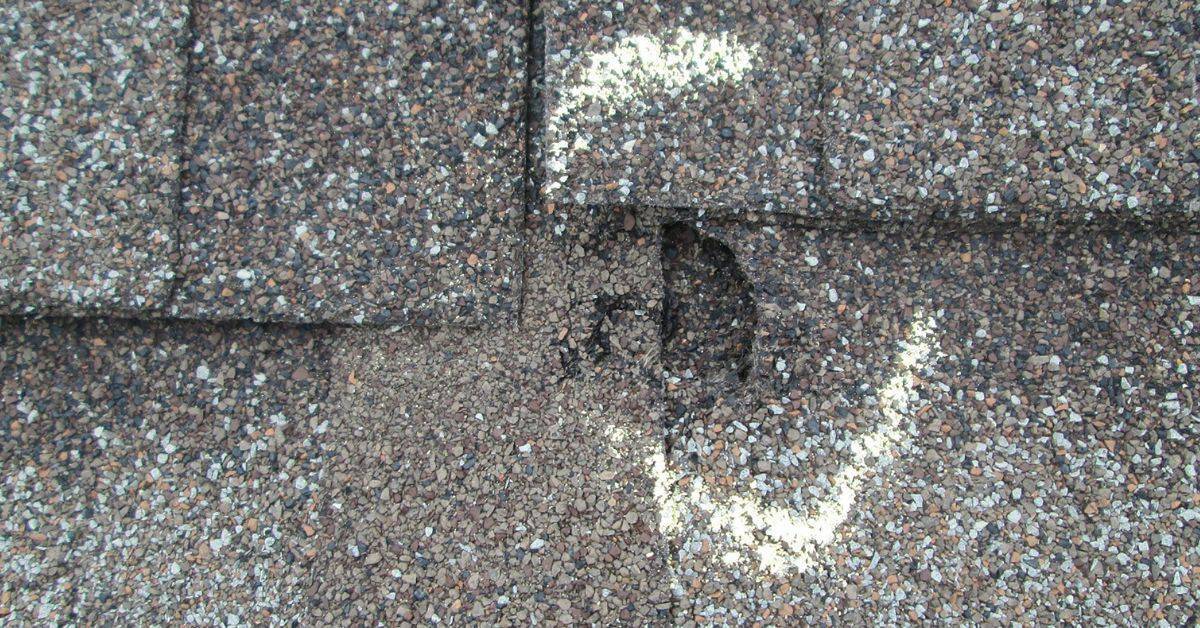
This section boils down to a practical, compact checklist: right tools for each repair type, safe material specs or acceptable substitutes, and clear visual checkpoints to confirm a good repair. You’ll find must-have hand tools, a cordless drill, a caulk gun, putty knives, trowels, and a roof-safe scraper mapped to ice dam work, flashing joints, and surface sealing. Expect guidance on patch products, breathable membranes, sealants, flashing metal, and proper temperature and cure ranges without guessing.
Why it matters: sticking to these checks keeps you from redoing work and avoids leaks after the wind dies down. By focusing on dry-in texture, crisp patch edges, uniform sealant beads, and intact underlayment with no gaps around penetrations, you build reliability into every repair. Use the quick reference scoring—appearance, water resistance, and durability—to validate the repair before you close up and move on.
Tools and Materials Checklist
Use this checklist before you start any roof repair work to ensure you have everything needed.
- Ladder and harness: Check for secure footing and proper fit; skipping can lead to falls.
- Pry bar: Ensure it’s sturdy enough to remove old flashing without damaging the roof.
- Roofing nails/screws with rubber washers: Confirm they are rust-resistant and appropriate for your roofing material.
- New flashing pieces: Measure accurately before cutting; wrong size can lead to leaks.
- Ice & water underlayment: Check it’s wide enough for eaves and valleys; insufficient coverage means no protection.
- Roofing cement, tarp: Ensure they are fresh and in good condition; old materials won’t seal properly.
- Safety gear (gloves, goggles): Wear them at all times to prevent injuries.
Quick rule: Always double-check your tools and materials before starting any roof work.
Material Specs and Standards to Check
Review these specs before installing new materials to ensure they meet safety and performance standards.
- Ice & water underlayment width: 36-48 inches for eaves; too narrow leaves gaps.
- Vent boot compatibility: Check manufacturer instructions for proper fit with roof type; wrong size can cause leaks.
- Flashing metal thickness: At least 20 gauge for durability and UV resistance; thin material will rust quickly.
- Polymer sealant quality: Ensure it’s flexible and adheres well to all surfaces; poor adhesion means failure.
- Masonry adhesive type: Use one rated for outdoor use with high tensile strength; indoor types won’t last.
Quick rule: Always verify material specs match your roof’s needs and local building codes.
Visual Quality Checklist After Repair
Inspect the repaired areas thoroughly to ensure they meet quality standards before finalizing work.
- Tight flashing overlap: Check for no gaps or cracks; loose flashing allows water entry.
- No gaps at penetrations: Ensure all pipes, vents, and chimneys are sealed tightly; leaks will occur if not.
- Shingle alignment: Confirm shingles lie flat without overlaps or gaps; misalignment can cause wind damage.
- Gutters clear of debris: Check for no blockages to ensure proper water flow; clogged gutters lead to leaks.
Quick rule: Always do a thorough visual inspection before declaring the repair complete.
Preventive Maintenance and Seasonal Planning
A biannual maintenance calendar keeps the house in check with spring and fall reviews, listing inspection points, service tasks, and who is responsible—whether a household member or a contractor—so nothing slips through the cracks. In fall, focus on gutter cleaning and downspout clearing, debris removal from the roof, and inspecting or sealing flashing, while also addressing any prior ice-dam risk areas before winter sets in; in winter, verify attic ventilation health, look for insulation gaps around penetrations, and keep an eye on air leaks or signs of moisture, with a plan to pause and adjust as needed. Long-term ice dam prevention should be built into the plan by improving attic insulation and air sealing, balancing soffit intake and ridge or static vents, and evaluating drainage or roofing upgrades, using drainage outlets or gutter heat cables only if necessary and allowed by code, all documented in the run sheet for future seasons.
This context matters because a clear cadence keeps you proactive rather than reactive, and a simple run sheet with dates, findings, and remedial actions makes it easier to assign tasks and track progress year to year. It also helps you spot patterns, justify small upgrades before problems escalate, and tailor season-specific steps to your home’s layout and climate, reducing the risk of ice dam formation long term. When in doubt, check product labels or manufacturer instructions and local rules to confirm what is recommended or permitted, and rely on qualitative guidelines if exact numbers aren’t provided, so you can make safe, practical choices without guessing.
Biannual Maintenance Tasks (Spring & Fall)
In the spring and fall, it’s crucial to get your roof ready for the upcoming seasons. Start by cleaning out gutters and downspouts to ensure water flows freely during heavy rains or melting snow.
Next, inspect all flashing around chimneys, vents, and skylights for any signs of wear or damage. Replace any failed shingles that could let moisture in. Don’t forget to check the attic insulation and ventilation system to make sure they’re up to par. A well-insulated attic keeps heat from escaping through the roof, reducing ice dam risk.
Assign these tasks to a responsible household member or hire a contractor if needed. Keeping a simple run sheet with dates, findings, and actions taken will help you stay on top of maintenance needs year after year.
Attic Insulation and Ventilation Fixes to Prevent Ice Dams
Adequate attic insulation is key to preventing ice dams. Properly sealed air gaps around penetrations like plumbing vents, electrical wires, and chimneys prevent warm air from escaping into the attic space.
Balanced intake and exhaust ventilation also plays a critical role. Ensure soffit vents are clear and ridge or static roof vents are functioning correctly to allow for proper airflow through your attic. This helps keep the underside of your roof cool in winter, reducing ice dam formation.
Improving insulation and ventilation can be done over time with small upgrades each season until you reach optimal conditions. Remember, a well-insulated and ventilated attic is less likely to cause ice dams or other roof issues down the line.
When to Upgrade Underlayment or Roof System
If you’ve had repeated ice dam problems, widespread flashing failures, or significant damage from water intrusion, it might be time for a roof upgrade. Upgrading underlayment with an ice and water shield can provide extra protection against leaks.
Consider switching to metal roofing if your budget allows. Metal roofs are durable, long-lasting, and offer excellent resistance to ice dams due to their smooth surface which sheds snow easily. However, always check local building codes before installing any new materials or systems.
Making these upgrades can save you money in the long run by preventing costly repairs from water damage caused by ice dams. It’s a proactive step that ensures your roof stays strong and reliable for years to come.
Costs, When to Call a Pro, and Insurance Tips
Decide DIY vs pro by outlining typical repair scenarios—from minor ice dam sealing to large-area moisture damage—and by understanding the main cost factors. For small fixes you can DIY, but flag big risks like safety hazards, structural damage, or flashing/ventilation failures that call in a pro. Document damage early so you have a clear picture when you file an insurance claim.
Keep a simple repair diary, photograph damage with dates and labels, and capture pre- and post-damage measurements to support a claim. This helps you budget, account for materials, labor, equipment, and any disposal or permit considerations, and it guides decisions about temporary mitigation versus permanent repair.
Typical Repair Scenarios and Who Should Hire a Pro
If you’re dealing with minor issues like a single vent boot that’s letting in water, or just a few loose shingles, you can probably handle it yourself. But if the damage is more extensive—like large areas of sheathing needing replacement or complex flashing issues—you need to call a pro.
Structural rot and significant moisture damage are red flags for professional help. These problems often require specialized equipment and expertise to fix properly without causing further harm. DIY fixes here could lead to bigger headaches down the road, so it’s best to leave them to pros who know how to handle such issues safely and effectively.
Remember, safety is key. If you’re working on a steep roof or dealing with slippery conditions due to ice and snow, hiring a pro isn’t just about fixing the damage—it’s also about avoiding injury. Don’t take chances; let the pros tackle tricky situations while you focus on smaller, manageable repairs.
How to Document Damage and Work for Insurance
The first step is taking clear photos or videos of any damage as soon as it’s discovered. Make sure you capture all angles, including close-ups showing the extent of the issue. Date each photo and label them clearly so your insurance company can easily understand what needs repair.
Keep a detailed diary of all actions taken to mitigate further damage. This includes dates when temporary fixes were applied, such as tarping or heat cables used. Also document any immediate expenses incurred for materials or labor that helped prevent additional loss.
Contact your insurance agent right away after discovering the damage. Provide them with your documentation and be prepared to give a detailed account of what happened. Having this information ready will speed up the claims process and increase your chances of getting full coverage.
Getting and Comparing Contractor Quotes
To get an accurate estimate, reach out to at least three reputable contractors. Ask for detailed quotes that break down the cost by task and materials needed. This will help you compare apples-to-apples when deciding who to hire.
Verify each contractor’s credentials before agreeing to work with them. Check their licenses, insurance coverage, and ask for references from previous clients. A reputable contractor should be happy to provide these details.
When comparing quotes, look beyond just the price tag. Consider factors like warranty length, quality of materials used, and any additional services offered. Sometimes paying a bit more upfront can save you money in the long run by preventing future repairs or replacements.

Conclusion
Proceed with confidence by keeping safety at the center, fixing what you can now without creating new problems, and safeguarding the roof’s durability and curb appeal for the long haul. A solid, methodical approach saves time, reduces cost, and prevents recurring damage.
Start by rechecking safety gear and weather windows, then verify interior signs of moisture, move outside to inspect flashing, ice dams, gutters, and shingles in a steady, logical sequence, test any quick temporary fixes, and lay out a clear plan for the permanent repair using the step-by-step approach you already followed, while gathering the required tools and materials and noting costs and constraints before you start. Check for small areas first, document what you find, and keep notes to compare as you work.
Common mistakes to avoid include stepping on a wet or icy roof without fall protection, using improper heat or patch methods that can damage sheathing, and rushing permanent fixes without fully testing the temporary solution or verifying compatibility with your roof type. Always keep a dry, stable work area, work slowly, and test on a small area first before broad application. If in doubt, stop and reassess rather than forcing a fix, and never bypass safety gear or structural checks.
When to call a pro: if you encounter widespread damage, complex flashing, sagging or structural concerns, or leaks that persist after a temporary repair. Insurance and local code considerations can also change what’s feasible. With clear limits and proper planning, you can handle many fixes yourself and stay safe—you’ve got this, and the roof will look and perform better for it.
FAQ
What causes ice on the roof in the first place?
Ice forms when heat from the attic melts snow on the roof. The meltwater refreezes at the eave. Poor insulation or blocked vents push heat to the roof edges, creating more ice dams.
Is it safe to remove ice myself?
You can clear light ice with a plastic scoop, but never hit the roof with a hammer or shovel. Use a roof rake from the ground to remove snow near the edge. If there is thick ice near the gutters, call a pro.
What should I fix to stop it from coming back?
Improve attic insulation and seal gaps. Improve ventilation so warm air doesn’t reach the roof. Keep snow off the roof with a roof rake during heavy snows.
When should I call a pro for ice dam problems?
Call if you see large ice buildup, water dripping inside, or stained ceilings. If the roof is steep or icy, don’t risk a fall. A pro can remove ice safely and fix leaks or insulation issues.