
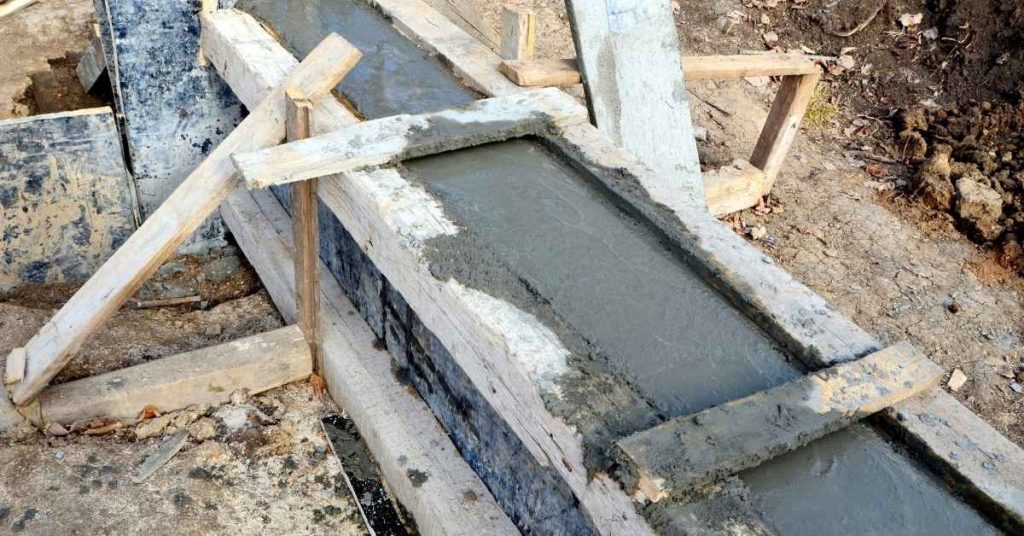
Introduction
Stripping forms without breaking corners means releasing the form panels at the right time and with proper support so the edges stay sharp. This article gives practical, hands-on tips for homeowners doing a small project. Use the right sequence, supports, and careful tool handling to minimize corner damage.
Release timing depends on cure progress and form design, so check the concrete and form materials before any lift. Have a plan for temporary supports and have the right tools ready to steady corners as you strip. Always verify your approach with the form manufacturer instructions and local rules, and adjust for what you see on site.
Key takeaways
- Synchronize form release timing with pour cure status and manufacturer guidelines.
- Use proper hand tools and gentle prying to protect corners during strip.
- Support and shoring must remain tight until form bonds set, then release sequence.
- Inspect for visual and tactile cues before any release; postpone if unsure.
- Plan clear communication and pre-strip checks to avoid corner damage.
- Stock compatible stripping tool options and PPE; follow safety protocols on site.
Table of Contents
- Introduction
- Key takeaways
- Understanding Form Release Timing
- Proper Stripping Techniques to Protect Corners
- Support and Shoring Strategies That Prevent Damage
- Visual and Measurable Indicators a Form Is Ready to Release
- Preventing and Fixing Common Removal Problems
- Safety Protocols, Equipment, and PPE for Stripping Operations
- Pre-Planning, Scheduling, and Communication for Smooth Stripping
- Cost Implications, Maintenance, and Reuse of Formwork
- Conclusion
- FAQ
Understanding Form Release Timing
Release timing matters because curing, mix design, and environmental conditions all influence when concrete reaches sufficient strength. Inspect the plan for the formwork type and project deadlines before stripping. Check applicable strength targets and code requirements before any removal actions.
We’ll reference guidelines like target cylinder strength milestones and how they relate to curing progress and ambient conditions, so verify labels or manufacturer data sheets for your project. This helps avoid premature stripping that can bite corners or damage surfaces. Keep safety and quality checks as part of the decision process.
Concrete Strength Criteria and Testing
Timing form release based on concrete strength is crucial. We aim for 75-100% of the specified design strength at stripping.
Perform cylinder tests or use test blocks. Compare results with project specs and lab reports if needed. Consult your engineer if unsure.
Remember, strength gain is not linear. It’s fastest in the first few days, then slows down. So, plan accordingly.
Environmental and Mix Factors That Change Cure Time
Cure time varies with conditions. Temperature is key – warmer speeds curing, colder slows it down.
Humidity matters too. High humidity helps keep concrete moist for longer cure times. Admixtures can speed or slow cure rates. Different cements have varying cure rates.
Adjust your release timing based on these factors. In hot weather, strip earlier than planned. In cold, wait longer. Keep an eye on the forecast and adjust as needed.
Proper Stripping Techniques to Protect Corners
Use a staged stripping sequence that starts with non-structural forms and maps corner geometry before touching critical edges. Before each step, verify moisture, temperature, and cure consistency as gatekeepers.
Follow clear timing cues like initial pressure relief and gradual back-off intervals, and plan wedge removal to avoid peak corner loading. Use low-impact tools and corner guards to minimize friction and chipping, while maintaining controlled motions and spot checks for alignment.
Sequential removal and load redistribution
When stripping forms, it’s crucial to remove panels, props, and ties in a specific order to avoid stressing corners. Start with non-structural forms first.
Never pull one side of a form while the other is still attached. This can cause point loading and sudden movements at corners, leading to cracks or broken edges.
Instead, work your way around the form, releasing tension gradually. Start from one corner, then move along the edge towards the opposite corner. This helps redistribute loads evenly and protects corners.
Mechanical versus manual separation methods
Using the right tools can make a big difference when stripping forms. Manual methods like prying or lifting devices are often sufficient for smaller projects.
For larger forms, consider using powered tools like hydraulic jacks or form strippers. These can help minimize impact on corners by applying even pressure and reducing strain.
Use mechanical aids when you need extra force, but be careful not to apply too much pressure at once. Too much force in one spot can damage the concrete edge.
Always test your tools before use, and follow manufacturer instructions to ensure safe operation.
Support and Shoring Strategies That Prevent Damage
Define an removal plan that preserves edge integrity, including when to strip pour sides vs. top panels based on curing and form-release behavior. Align this with engineer-approved specs and manufacturer guidelines for tolerances and fasteners.
Catalog shoring options and deployment steps to maintain vertical and horizontal stability during stripping. Include edge bracing and temporary cantilevers to lock formwork against movement and prevent corner creep.
Temporary supports, props, and falsework placement
Before stripping forms, set up temporary supports to carry loads. These include timber or steel props, adjustable props, and hydraulic shores.
Ideal locations: Place them under beams, at midspan of joists, and near corners. Adjust as needed during stripping.
Use falsework for cantilevered sections. Add supplementary bracing when necessary to prevent movement.
Using wedges, spreaders, and bearing pads safely
Wedges, spreaders, and bearing pads help distribute loads evenly. Use them at support points to prevent concentrated stress.
Safety tips: Ensure they’re properly placed and secure. Regularly check for any movement or signs of failure during stripping.
For corners, use bearing pads to lock formwork against movement. Adjust wedges carefully to maintain even pressure.
Visual and Measurable Indicators a Form Is Ready to Release
Look for a uniform surface finish with crisp corners, no excessive staining, and no bulges near joints. Ensure there is no embedded concrete on form faces or tearing at the edges.
Conduct gentle checks like tapping tests to detect suction and verify that removal won’t damage either the form or the concrete. Monitor cure indicators and temperature ranges to maintain form stability during release.
Visual checkpoints and surface inspection
Before you start stripping forms, give the concrete a thorough visual once-over. This checklist helps ensure your forms are ready for release.
- Uniform surface finish: Look for a consistent texture across the entire form face. Inconsistencies might indicate weak spots or improper curing.
- Intact corners: Check that all corners are sharp and undamaged. Cracked or crumbling corners could compromise the integrity of your concrete.
- No excessive staining: Discoloration can signal issues with form release agents, waterproofing, or contamination.
- No bulges or honeycombing near interfaces: These defects often occur where forms meet and indicate weak spots that could break during stripping.
- Form faces show no embedded concrete: If you see concrete stuck to the form face, it might not be ready for release yet.
- No tear-out or excessive laitance near joint lines: These signs suggest that the concrete hasn’t set enough to maintain its shape during stripping.
- Corners remain sharp: Dull corners could indicate form deflection or inadequate support, leading to damage during release.
- No cracks tracking from corners: Cracks starting at corners may weaken the concrete and cause breakage during stripping.
Quick rule: If you spot any of these issues, wait for proper curing or address the problem before proceeding with form release.
Non-destructive checks and sample removal
Before you start stripping forms, perform some non-destructive tests to confirm your concrete is ready. These methods help ensure you don’t damage the concrete or cause form breakage.
Portable tests: Use a portable concrete tester to measure the surface hardness and strength of your concrete. This helps determine if it’s strong enough for form release.
Hammer sounding: Gently tap the concrete with a hammer in various spots. A dull, hollow sound indicates that the concrete has set properly and is ready for stripping.
Limited sample breaks: Carefully remove small samples from hidden areas to check their internal structure. This helps ensure that the core of your concrete is as strong as its surface. Always consult lab results for confirmation, but these methods can give you a good idea of when it’s safe to strip forms.

Preventing and Fixing Common Removal Problems
Identify common issues such as corner spalling, blowouts, misaligned edges, and edge chipping with quick diagnostic cues. Understand root causes related to timing, form design, and surface protection.
Outline proactive checks before strip, including corner marking and supports validation. During stripping, use gentle taps, reseating forms, and temporary shims or braces to prevent recurrence and keep edges true.
Causes and prevention of corner spalling
Corner spalling happens when concrete peels off at the corners. This is often due to:
Bonding issues: Inadequate bonding between the formwork and the concrete can lead to spalling. Ensure forms are clean, dry, and free of contaminants before pouring.
Excessive oiling: Over-oiling forms makes it hard for concrete to bond properly. Use just enough release agent to prevent sticking, not so much that it affects bonding.
Poor tie placement: Ties placed too close to corners can cause stress concentrations and lead to spalling. Keep ties at least 2 inches away from corners.
Premature stripping: Removing forms before concrete has gained enough strength results in spalling. Follow the form release timing guidelines to prevent this.
Repair approaches for damaged corners
If you find spalling or other damage at the corners during stripping, act quickly:
Temporary fixes: Stabilize damaged areas with temporary supports like props or wedges. This prevents further damage and maintains structural integrity.
For long-term repairs, follow these steps:
1. Clean the area to remove any loose concrete or debris.
2. Apply a concrete repair patch that matches your original mix in color and strength.
3. Reinforce the patch with fiber reinforcement or rebar if necessary.
4. Allow the patch to cure properly before applying any final finishes.
Safety Protocols, Equipment, and PPE for Stripping Operations
Perform a pre-strip risk assessment focusing on release points, potential corner damage, and overall form stability. Document required permits and lockout/tagout as part of crew notification procedures.
Verify rigging, bolts, ties, and bracing, and ensure controlled sequences to prevent sudden collapse. Define fall protection, PPE, and clear exclusion zones for safe access and egress during removal.
Lifting, rigging, and equipment checks
Before you start stripping forms, ensure all lifting and rigging gear is in tip-top shape. Here’s what to check:
- Crane/hoist condition: Inspect for leaks, damage, and proper functioning. Involve a qualified operator.
- Wire ropes and chains: Check for fraying, kinks, or broken strands. Ensure they’re lubricated and tensioned correctly.
- Hardware (shackles, slings): Look for cracks, rust, or excessive wear. Grease moving parts to prevent seizing.
- Safety devices: Test load indicators, limit switches, and other safety features. Ensure they’re functioning as intended.
- Rentable tools (spreader bars, come-alongs): Inspect for damage before use. They’re cheap to rent but crucial for safe stripping.
Worker safety and site control measures
Safety is paramount during form removal. Here’s how to protect your crew and maintain site control:
Barricades: Set up barriers around the work area to keep unauthorized personnel out.
Tag systems: Implement a lockout/tagout system to ensure equipment is safe before use.
Communication protocols: Establish clear communication channels between crew members, especially when lifting or moving heavy forms. Use two-way radios or hand signals.
PPE: Ensure all workers wear appropriate PPE, including hard hats, safety glasses, gloves, steel-toe boots, and hearing protection. Respirators may be needed for dusty environments.
Pre-Planning, Scheduling, and Communication for Smooth Stripping
Outline pre-construction milestones, roles, and approvals to align forms, corners, and supports before concrete cure begins. Set up a simple plan to avoid last-minute changes.
Coordinate sequencing and strip-timing windows with curing progress, and use RACI-style communication to brief all trades on corner risk. Include corner protection checks and a concise job diary to capture decisions.
Creating a stripping sequence and contingency plan
Before you start, map out your form removal step by step. This helps avoid surprises and protects those tight corners.
Here’s how:
Stop points: Identify where forms should be at each stage of the process. This could be after a certain time has passed since pouring or when specific concrete strength is reached.
Contingency triggers: Plan for what to do if things don’t go as expected. For example, if test results show weak concrete or bad weather hits, you’ll need to adjust your stripping schedule.
Sign-offs, team roles, and on-site communication
Good communication keeps everyone on the same page. Here’s how to make sure that happens:
Release approval: Designate who gives the final okay to strip forms. This could be you, a project manager, or someone else depending on your setup.
Document decisions: Keep a job diary to record when and why forms were stripped. This helps track progress and learn from past jobs.
Team briefings: Gather your crew – rebar workers, pourers, form setters, finishers – and explain the strip sequence. Emphasize corner protection and who’s responsible for what.
Cost Implications, Maintenance, and Reuse of Formwork
Explain how premature stripping can drive repair, fill, and corner-damage costs, and how proper timing reduces downtime and panel wear. Refer readers to project notes or label guidance for the stripping window to avoid over- or under-stripping.
Discuss cleaning, storage, gasket care, and hardware inspections to extend form life. Include reuse strategies and ways to document wear and corner condition for future projects.
Economic impact of premature release and rework
Prematurely stripping forms can lead to costly repairs, replacements, and delays. Here’s why:
Corner damage is a common result. Corners need extra support; stripping too early weakens them. Repairing or replacing damaged corners costs time and money.
Early release also means extra fill material. Concrete settles after pouring, so stripping too soon requires adding more to maintain levels, increasing costs.
Delays from rework and repairs can lead to downtime, impacting your project schedule. This could mean additional labor costs or rental fees for equipment sitting idle.
Cleaning, repair, and storage best practices for reuse
To extend the life of your forms, follow these practical tips:
Inspect forms after each use. Check for cracks, rust, or other damage. Repair minor issues immediately to prevent them from worsening.
Clean forms thoroughly before storage. Remove all concrete residue and dirt. This prevents rusting and keeps forms dimensionally accurate.
Store forms properly. Keep them dry, off the ground, and protected from extreme temperatures. Stack them carefully to prevent warping or damage. Regularly check stored forms for any signs of deterioration.
Conclusion
Wise form stripping comes down to timing, support, and clean corners. Do the checks, protect the edges, and you protect safety, durability, and appearance for the whole project.
Next steps: confirm plan and schedule with the crew, test a small area to verify release timing and corner protection, verify shoring is in place and stable, then proceed with measured, staged stripping while watching for the indicators that a form is truly ready. Move in order, keep eyes on the corners, and stop if anything looks off.
Common mistakes to avoid are rushing the release, skipping essential supports, and ignoring early signs of damage or movement. Stay disciplined: verify readiness, maintain proper PPE, keep a clear work area, and limit force or prying near corners. If the form shows any movement, don’t push; reassess, fix the supports, and recheck until it’s solid.
If you’re unsure about the form’s stability, or the corner protection isn’t behaving as it should after testing, call in a professional. It’s better to pause now than to repair costly damage later. Stay methodical, communicate changes, and you’ll finish clean, safe, and with a solid result that lasts. Stay practical and push forward with confidence.
FAQ
How do I judge form release timing without risking corners?
Check the manufacturer instructions for your form system and follow local guidance. Do a gentle surface test and look for a stable surface with no soft or hollow spots. If in doubt, wait longer or ask a seasoned pro before removing any form.
What are effective support techniques to prevent damage during removal?
Keep all shoring and bracing solid and evenly loaded. Remove forms in stages, keeping supports in place until you’re sure the slab or wall can stand on its own. Pry carefully along planar areas and away from corners to avoid chipping or cracking.
What tools are best for stripping forms?
Use the right pry bars, a hammer or mallet for light taps, and nonmarring tools near corners. Have plastic or wooden shims ready to ease lifting without digging into concrete. Avoid forcing or levering hard on tight corners.
How can I tell if concrete is ready for form removal?
Look for guidance in the form instructions and any local tips, then perform a cautious test removal. If the form shows resistance or you hear cracking, stop and wait longer. When in doubt, postpone removal and re-check before proceeding.