
Table of Contents
Introduction
Dealing with a stubborn wedge anchor can be a frustrating challenge, especially when you’re concerned about damaging the surrounding concrete slab. In this guide, we’ll explore effective techniques to safely remove a stuck wedge anchor without compromising the integrity of your slab, ensuring a smooth and damage-free process.
Understanding Wedge Anchors
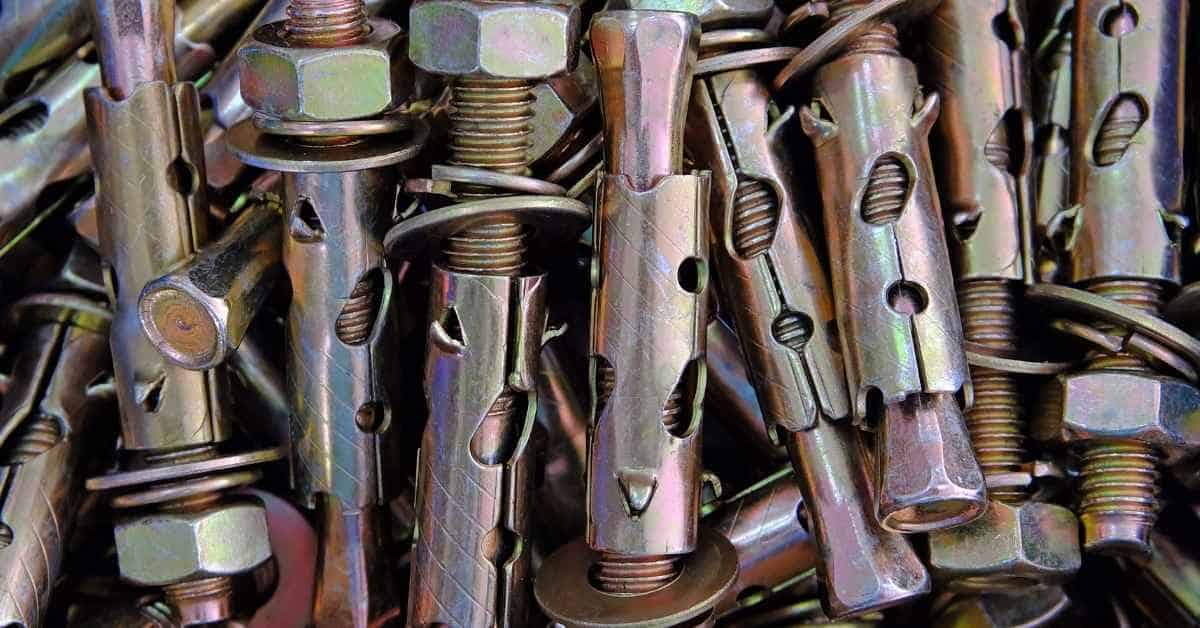
Wedge anchors are essential fasteners used to secure objects to concrete slabs, providing robust and reliable support. This section explores the key characteristics of wedge anchors and their critical role in construction and engineering applications.
Common Issues with Wedge Anchors
Wedge anchors can sometimes get stuck during installation. This usually happens if the hole is not drilled deep enough or if debris is left inside. To avoid this, make sure to clean the hole thoroughly and drill to the recommended depth. If the anchor is stuck, gently tap it with a hammer to see if it will move. If not, you may need to remove it and start over.
Another common problem is the anchor spinning in the hole. This occurs when the hole is too large or the material is too soft. To fix this, ensure you’re using the correct drill bit size for the anchor. If the material is too soft, consider using a different type of anchor or reinforcing the area with a harder material.
Sometimes, wedge anchors can also fail to hold if the base material is not compact enough. Always check base compaction before installation. If the base is loose, compact it properly to ensure the anchor holds securely.

Tools Needed for Removal
To safely and effectively remove a wedge anchor from concrete, it’s crucial to have the right tools on hand. This section outlines the essential equipment you’ll need to ensure a smooth and damage-free extraction process.
Basic Tools
For any removal task, having the right basic tools can make the job faster and easier. These tools are essential for tackling simple removal tasks effectively and safely.
- Hammer: Ideal for loosening nails and breaking down materials. A claw hammer is particularly useful for prying and removing nails.
- Screwdriver Set: Essential for removing screws of various sizes. A set with both flathead and Phillips options covers most needs.
- Pliers: Great for gripping, twisting, and pulling out nails or staples. Needle-nose pliers offer precision in tight spaces.
- Utility Knife: Perfect for cutting through materials like drywall or tape. Always ensure the blade is sharp for clean cuts.
- Pry Bar: Useful for prying apart materials and removing stubborn nails. A small pry bar can fit into tight spaces for better leverage.
Pro tip: Always choose tools with comfortable grips to reduce hand fatigue during extended use.
Advanced Tools
When facing tough removal jobs, basic tools might not be enough. Advanced tools are designed to handle more challenging scenarios, ensuring efficiency and precision.
- Hammer drill Useful for drilling into concrete or masonry. Ideal for removing anchors or fasteners embedded in hard surfaces.
- Oscillating multi-tool Perfect for cutting through nails, grout, or other tough materials. Its versatility makes it a must-have for tricky spots.
- Reciprocating saw Excellent for cutting through wood or metal. Great for dismantling structures quickly and safely.
- Heat gun Helps in loosening adhesives or paint, making it easier to scrape off stubborn layers.
- Angle grinder Effective for grinding, cutting, or polishing hard materials like metal or stone.
Pro tip: Choose tools with variable speed settings for more control, especially in delicate or precise tasks.
Step-by-Step Guide to Removing Wedge Anchors
Removing a stuck wedge anchor can be a challenging task, especially if you’re trying to avoid damaging the surrounding concrete slab. This step-by-step guide will walk you through the process, ensuring a safe and efficient removal.
Preparing the Area
Before you start removing wedge anchors, make sure the area is safe and ready for the task. Clear away any debris or obstacles around the work zone to prevent accidents. A clean space helps you move freely and reduces the risk of tripping or knocking over tools.
Wear the right safety gear, like gloves and safety glasses, to protect yourself from dust and debris. If you’re working in a confined space, ensure there’s adequate ventilation. This is crucial for maintaining a safe environment, especially if you’re using power tools.
Inspect the surface around the wedge anchors. Look for cracks or damage that might affect the removal process. If the base material is compromised, you might need to reinforce it before proceeding. A stable surface is essential for a successful removal.
Effective Steps for Removing Stuck Wedge Anchors
Successfully removing a stuck wedge anchor requires a careful approach to avoid damaging the surrounding concrete slab. By following these detailed steps, you can ensure a safe and efficient removal process, preserving the integrity of your project area.
- Assess the Situation: Before starting, examine the anchor and surrounding concrete for any visible damage or corrosion. This will help you determine the best removal method and tools needed.
- Loosen the Anchor: Use a hammer and chisel to gently tap around the anchor, loosening any debris or corrosion that may be holding it in place. This can make the removal process smoother.
- Drill Around the Anchor: If the anchor is still stuck, use a hammer drill with a masonry bit to carefully drill around the anchor. This can help break the bond between the anchor and the concrete.
- Extract the Anchor: Utilize pliers or a wrench to grip the anchor and twist it out of the hole. Apply steady, even pressure to avoid snapping the anchor or damaging the concrete.
- Cut the Anchor: If the anchor cannot be extracted, use a reciprocating saw with a metal-cutting blade to cut it flush with the concrete surface. This is a last resort option to prevent further damage.
- Fill the Hole: Once the anchor is removed, clean the hole of any debris and fill it with a concrete patching compound to restore the slab’s surface integrity.
Post-Removal Inspection
After the anchor removal, inspect the area for any minor chips or cracks. Address these immediately with appropriate repair materials to ensure the slab remains strong and durable for future use.
Innovative Techniques for Extracting Stubborn Wedge Anchors
When traditional methods fall short, alternative techniques can be the key to successfully removing stubborn wedge anchors without damaging the concrete slab. These methods often involve specialized tools or creative approaches that provide additional leverage and precision. Here are some effective strategies to consider when faced with a particularly challenging anchor removal.
- Use a Rotary Hammer: Equip a rotary hammer with a chisel bit to carefully chip away at the concrete surrounding the anchor. This can help loosen the anchor’s grip, making it easier to extract.
- Apply Heat: Use a heat gun to gently warm the metal anchor. The expansion and contraction from heating and cooling can break the bond between the anchor and the concrete.
- Leverage a Slide Hammer: Attach a slide hammer to the anchor and use its impact force to pull the anchor out. This tool provides controlled force, reducing the risk of concrete damage.
- Employ a Core Drill: For deeply embedded anchors, a core drill can be used to cut around the anchor. This method is precise and minimizes damage to the surrounding concrete.
- Try Chemical Solutions: Apply a rust penetrant or lubricant around the anchor to dissolve corrosion and ease the removal process. Allow the solution to sit for the recommended time before attempting extraction.
- Utilize an Impact Wrench: If the anchor has a threaded end, an impact wrench can provide the necessary torque to loosen and remove it without excessive force.
- Seek Professional Assistance: For particularly difficult cases, consulting with a professional may be the best option. They have access to specialized tools and techniques that can resolve the issue efficiently.
Post-Removal Care
Once the anchor is successfully removed, inspect the area for any signs of damage. Address any minor chips or cracks promptly using a concrete patching compound to maintain the slab’s integrity. Regular maintenance and inspection can prevent future issues with anchor installations.
Preventing Damage to the Concrete Slab
Ensuring the integrity of your concrete slab during anchor removal is crucial to maintaining its strength and durability. By following these expert tips and best practices, you can effectively minimize the risk of causing any damage to the slab.
Repairing Minor Damage
After removing the concrete slab, inspect the surface for any minor chips or cracks. Use a concrete patching compound to fill in these imperfections. Clean the damaged area thoroughly, removing any loose debris or dust, to ensure the patch adheres properly.
Mix the patching compound according to the manufacturer’s instructions. Apply it with a trowel, pressing firmly to fill the crack or chip completely. Smooth the surface with the trowel to blend the patch with the surrounding concrete. Allow it to cure as recommended before applying any finishes or sealants.
For small surface scratches, a simple concrete resurfacer can be used. Mix the resurfacer and apply a thin layer over the entire surface with a long-handled squeegee. This will not only cover minor scratches but also give the slab a fresh, uniform appearance.

Conclusion
Removing a stuck wedge anchor without damaging the concrete slab requires a blend of the right tools, techniques, and patience. By understanding the mechanics of wedge anchors and following a systematic approach, you can effectively tackle this challenge. The methods and tips outlined in this guide are designed to help you achieve a clean and successful removal, preserving the integrity of your concrete slab.
For those particularly stubborn anchors, alternative methods such as using specialized tools or employing different removal techniques can provide the necessary leverage and precision. Remember, the key is to remain patient and proceed cautiously to prevent unnecessary damage to the surrounding area.
By adhering to these guidelines and taking preventative measures, you can ensure that your concrete slab remains intact and ready for future projects. Whether you’re a DIY enthusiast or a professional contractor, mastering the art of wedge anchor removal is a valuable skill that can save time, effort, and resources in the long run.
FAQ
What is a wedge anchor?
A wedge anchor is a type of fastener used to attach objects to concrete. It expands and wedges itself into the concrete when tightened, providing a secure hold.
Why is my wedge anchor stuck?
A wedge anchor may become stuck due to corrosion, over-tightening, or debris in the hole. These factors can make it difficult to remove without causing damage to the surrounding material.
What tools do I need to remove a stuck wedge anchor?
To remove a stuck wedge anchor, you may need a hammer, chisel, and possibly a rotary tool or drill with a metal-cutting bit. These tools can help loosen or cut the anchor without damaging the concrete slab.
Can I reuse a wedge anchor after removing it?
Reusing a wedge anchor is generally not recommended because the anchor may have been damaged during removal. It’s best to use a new anchor to ensure a secure and reliable installation.
How can I prevent wedge anchors from getting stuck in the future?
To prevent wedge anchors from getting stuck, ensure they are installed correctly and not over-tightened. Regularly check for signs of corrosion and address any issues promptly to maintain their condition.