
Introduction
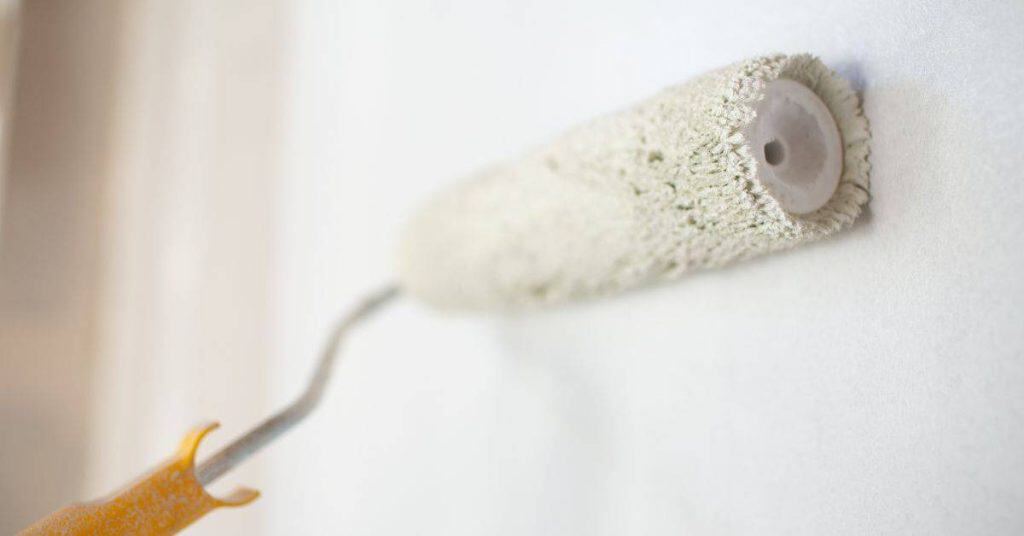
A roller nap is the length of the fabric fibers on a paint roller that contacts the wall, and it directly influences texture. It affects how the paint lays down and how the wall feels to the touch. Pick a nap length that matches the finish you want, not what you used last time.
Start with a clean test patch to see if the texture matches your room. Always check the roller’s label or the manufacturer’s instructions for the recommended nap for your paint and surface. If in doubt, choose a mid-range nap and adjust your technique as you go.
Key takeaways
- Choose nap by wall texture: smooth=short, semi-smooth=mid, textured=long for best coverage.
- Test roller on a scrap panel to gauge sheen and pickup.
- Avoid overloading; use light, even passes and maintain edge coverage.
- Match paint type to nap and follow manufacturer recommendations on label.
- Inspect roller fabric for fuzzing; replace if shedding during work.
- Wear eye protection and gloves; avoid pressing too hard on fresh paint.
- Clean rollers promptly after use to extend life and performance.
Table of Contents
- Introduction
- Key takeaways
- Quick Overview: Why Roller Nap Matters
- Matching Roller Nap to Wall Texture: Smooth, Semi-Smooth, Textured
- Paint Type, Sheen, and Nap Compatibility
- Roller Core, Fabric, and Quality: What to Look for
- Tools and Materials Checklist for a Successful Roller Job
- Application Technique and Visual Checkpoints for Each Surface
- Troubleshooting Common Problems and Fixes
- Maintenance and Care for Rollers to Prolong Life and Performance
- Conclusion
- FAQ
Quick Overview: Why Roller Nap Matters
Choosing the right nap length affects how smoothly paint covers the wall and how evenly the finish lays down. It also influences how much paint the roller holds and releases as you work across different surfaces. This brief orientation helps you pick a good starting point before diving into details.
Think of nap length as a first-pass tool: a shorter nap for a tighter surface, a longer nap for rough textures. Your decision should balance coverage, texture, and the feel of the final coat as you move from room to room.
What “nap” means and how it’s measured
The nap of a paint roller is like the height of its fuzzy little hairs. It’s what gives your finish that smooth, even look.
Nap length is usually measured in inches or millimeters. You’ll see it on the product label, like “3/8″ inch nap” or “10 mm”. Here’s a quick guide:
– Short naps (1/8″ to 3/16″) are for smooth surfaces and high-gloss paints.
– Medium naps (3/16″ to 1/2″) are versatile, good for most jobs. They hold more paint but don’t leave marks on smooth surfaces.
– Long naps (3/4″ to 1-1/2″) are for textured walls and ceilings. They hold lots of paint but can leave visible roller marks if not used right.
Consequences of choosing the wrong nap
The nap on your paint roller cover isn’t just a fancy term. It’s what makes or breaks your finish. Choose wrong, and you’re in for a world of trouble.
Streaking is the most common issue. You’ll see it as soon as you start rolling. That’s because the nap can’t hold enough paint to cover evenly. It’s like trying to pour from an empty cup – it just won’t work right.
Orange peel, that bumpy, textured look, happens when the nap is too short for your surface. It can’t fill in low spots or smooth out imperfections. You’re left with a finish that looks more like a citrus fruit than a professional paint job.
Poor coverage means you’ll be rolling and re-rolling, wasting time and paint. And speaking of paint, using the wrong nap can lead to excessive consumption. Too short, and it soaks up too much. Too long, and it drips like a leaky faucet.
Matching Roller Nap to Wall Texture: Smooth, Semi-Smooth, Textured
For smooth walls, use the shortest practical nap to minimize stipple and maximize coverage. This helps produce a cleaner, more uniform finish. The goal is a tight, even film with fewer texture marks.
Semi-smooth walls benefit from a moderate nap that balances pickup and release. Textured surfaces require a longer nap to get paint into crevices and avoid missed spots. The choice should reflect how the texture looks after the first pass.
Smooth walls (e.g., drywall, plaster)
For smooth surfaces like drywall or plaster, you want a short nap roller. The ideal range is 1/4″ to 3/16″. Here’s why:
Short naps hold less paint, giving you better control and a smoother finish. They’re less likely to leave stippling or visible roller marks.
To avoid these marks, keep your roller well-loaded but not overloaded with paint. Work in small sections and maintain even pressure while rolling.
Semi-smooth walls (e.g., lightly orange-peel, skim coat)
For surfaces with a light texture like lightly orange-peel or skim coat, choose a medium nap roller. The ideal range is 3/8″ to 1/2″.
Medium naps hold more paint than short naps, helping you cover these slightly textured surfaces better. They’ll fill in the small crevices while still giving you a smooth finish.
To get the best results, lightly dampen your roller before loading it with paint. This helps the nap expand and pick up more paint.
Textured walls (e.g., heavy orange-peel, popcorn, stucco)
For heavily textured surfaces like popcorn ceilings or stucco, you’ll need a long nap roller. The ideal range is 3/4″ to 1″ or more.
Long naps hold plenty of paint and can fill the deep crevices in these textures. They help you achieve even coverage without leaving visible marks.
To prevent your roller from wearing out quickly, don’t press too hard. Let the weight of the roller do the work. Also, reload your roller frequently to maintain an even distribution of paint.
Paint Type, Sheen, and Nap Compatibility
Heavier paints or higher sheens can change how the nap loads and releases paint. Your nap choice should align with the viscosity of the product you’re using. Check the label or data sheet for guidance before starting.
When paints are thicker or thinner than typical, adjust the nap to maintain even coverage and avoid overload. Always verify recommended nap options for the specific paint and sheen you intend to apply.
Latex vs. Oil-Based Primers and Paints
Latex and oil-based paints have different absorption rates, affecting the ideal roller nap length.
Latex: Dries quickly, less absorbent. Use shorter naps (1/4″ to 3/8″) for smooth application.
Oil-Based: Slower drying time, more absorbent. Opt for longer naps (3/8″ to 1/2″) for better coverage and easier application.
High-Build and Specialty Coatings
Textured coatings, elastomeric paints, or masonry paints require more nap for proper application.
Thick Coatings: Use longer naps (1/2″ to 3/4″) to hold more paint and provide better coverage. Adjust based on the specific product’s recommendations.
Elastomeric and Masonry Paints: These often have unique application requirements. Always follow the manufacturer’s guidelines for nap selection.
Roller Core, Fabric, and Quality: What to Look for
Different fabrics grab and release paint in distinct ways, affecting linting and finish. Core quality also influences durability and how well the roller holds shape. Choose the combination that fits your project and budget.
Polyester, microfiber, lambswool, and woven rollers each have pros and cons for pickup and release. Consider the surface and paint type when selecting material for the job at hand.
Linting, shedding, and how to avoid it
Linting and shedding can ruin your paint job. Here’s how to prevent these mistakes:
- Choose low-lint rollers. Some fabrics shed more than others. Polyester and microfiber are usually low-lint.
- Prepare new rollers. Wash new rollers with mild soap and water, or remove loose fibers under running water.
- Avoid overloading the roller. Too much paint can cause shedding.
- Keep your roller clean. Wipe off excess paint between coats.
These simple steps will keep your walls lint-free and looking great.
Woven vs. knit covers and pile density
The way a roller cover is made affects its performance. Here’s what you need to know:
Woven covers have loops of thread woven together. They’re durable, hold more paint, and are good for textured surfaces. But they can leave a slight texture on smooth walls.
Knit covers are made like a sock, with loops knitted together. They’re soft, hold less paint, and give a smoother finish. They’re great for smooth walls but may not be durable enough for textured surfaces.
The density of the pile also matters. Thicker piles hold more paint but can leave marks on smooth surfaces. Thinner piles are better for smooth walls but may not cover as well on textured surfaces.

Tools and Materials Checklist for a Successful Roller Job
Prepare a straightforward kit with the right roller sizes, extension poles, trays, and guards. Keep spare rollers handy for quick swaps on different surfaces. A small stash helps you stay moving without frequent trips to the toolbox.
Don’t skip safety basics: use drop cloths, wear a respirator or mask as needed, and organize supplies to reduce splatter. A clear checklist keeps you focused from start to finish.
Choosing roller diameter and frame type
Selecting the right roller size and frame is crucial for a smooth painting job. Here’s what to consider:
- Roller width: Choose 9″ rollers for walls, smaller ones (6″-8″) for tight spots or trim.
- Frame stiffness: Stiffer frames provide better control and even pressure. Use them for large surfaces.
- Extension pole: Consider one if you’re painting high ceilings or hard-to-reach areas.
- Avoid cheap frames: They can wobble, making it hard to apply paint evenly.
- Check frame size: Ensure the roller fits snugly onto the frame.
- Frame material: Plastic or metal? Metal is sturdier but heavier. Choose based on your comfort and needs.
- Avoid worn-out frames: They can cause paint to drip or splatter.
- Tray size: Match it to your roller width for easy painting and minimal mess.
Quick rule: The right roller and frame combo ensures consistent pressure, making your job easier and results better.
Prep supplies for textured walls
Textured surfaces require special attention. Here’s how to prep:
- Thicker tray: Use one with deeper wells to hold more paint and accommodate the thicker nap roller.
- Nap combs: These help remove excess paint from your roller, reducing drips on textured surfaces.
- Stippling brushes: For detailed work or hard-to-reach textures, use these to apply paint evenly.
- Surface prep products: Use a primer-sealer combo to ensure paint adheres well and covers evenly.
- Sand lightly: If necessary, sand down any rough spots before painting. This helps achieve a smoother finish.
- Avoid heavy textures: Painting over very heavy textures can be challenging. Consider skim-coating or hiring a pro for these jobs.
- Test area: Before starting, test your technique and supplies on a small, hidden area to ensure satisfaction.
Quick rule: The right prep supplies help you tackle textured surfaces with confidence, ensuring consistent application and better results.
Application Technique and Visual Checkpoints for Each Surface
Use standard rolling patterns and maintain even pressure to control texture. Learn how to overlap passes and adjust speed to match the nap and surface. Observe the film for uniform color and absence of breaks as you work.
Drying cues and rewet strategies depend on wall texture and nap. If you see changes in sheen or stipple, reassess nap choice or techn