
Introduction
You can successfully paint wicker furniture by following a proper prep, priming, and painting process.
You’ll learn how to prep the surface, choose suitable finishes, apply paint smoothly, and avoid common mistakes with practical steps and tips to help you achieve a durable, refreshed look.
Key takeaways
- Clean wicker thoroughly to remove dust, oils, and previous paint residues.
- Sand rough spots lightly to create even surface for primer adhesion.
- Choose a water-based acrylic primer suitable for outdoor wicker and polyurethane finish.
- Apply thin, even coats with brushing or light spraying for consistency.
- Seal with weatherproof topcoat and perform touch-ups after first rain.
- Avoid painting in extreme heat or direct sun to prevent cracking.
Table of Contents
- Introduction
- Key takeaways
- Tools and Materials Checklist
- Prep Work: Cleaning, Repairing, and Sanding Wicker
- Painting Techniques — Brushes, Sprays, and Layering
- Finishing and Protection: Sealants, Touch-ups, and Weatherproofing
- Common Mistakes and How to Avoid Them
- Project Walkthroughs: Step-by-Step Examples
- Cost, Time Estimates, and Where to Buy Supplies
- Conclusion
- FAQ
Tools and Materials Checklist
This section gives you a clear, DIY-friendly checklist of the tools and materials you’ll need to get the job done, plus safe alternatives. It separates essentials from extras and explains briefly why each item is needed. Stick to what’s in the plan and check labels for specifics.
Knowing what to gather ahead of time saves trips back to the hardware store and prevents mistakes. Having the right tools and materials helps you do clean work, stay safe, and finish with decent results. If you’re unsure about a tool or material, read the label or datasheet and ask for guidance.
Essential tools
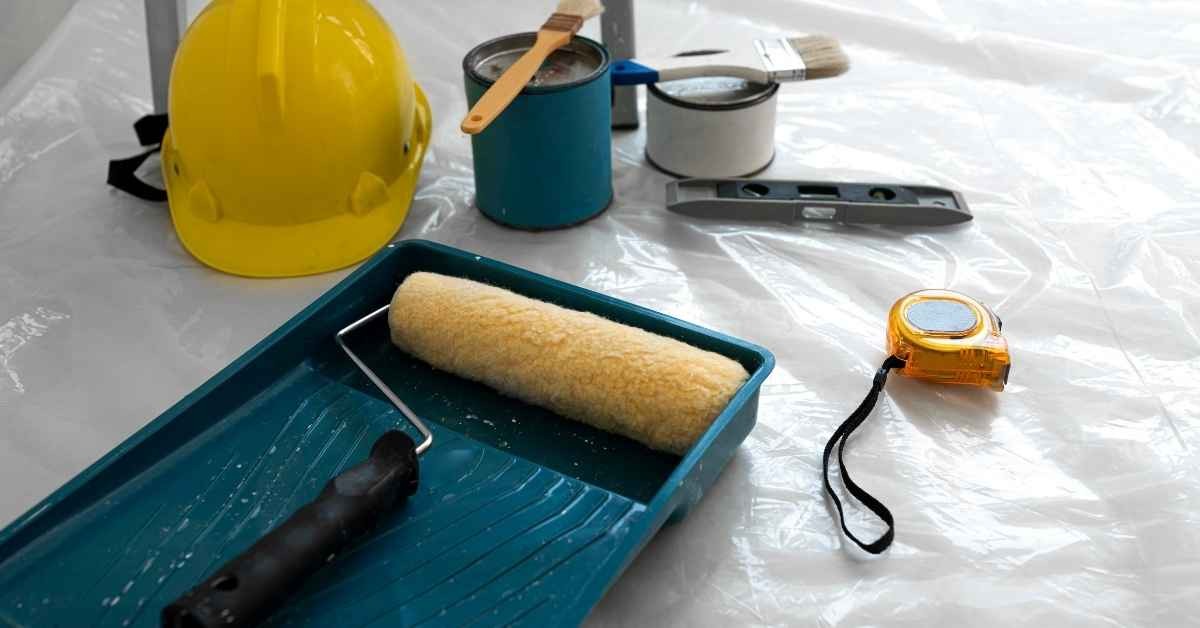
Before you start painting, make sure your tool kit is ready to go.
- Sandpaper 120-220 grit: Use for rough surfaces; check by running fingers over the surface. Skipping can lead to poor paint adhesion.
- Angled and small brushes: For detailed work; confirm by testing on a scrap piece of wicker. Missing this step leaves unpainted areas.
- Spray equipment options: Ideal for large surfaces; test by spraying water onto paper to check even coverage. Skipping can result in uneven paint application.
- Drop cloths and tarps: Protect the work area from spills; confirm by laying them out before starting. Without these, you’ll have a mess to clean up.
- PPE: gloves, mask, goggles: For safety during prep and painting; check by wearing them properly. Not using PPE can lead to injuries or health issues.
- Toothbrush and foam brushes: Great for tight spaces; test on a small area of wicker. Missing this step leaves hard-to-reach spots unpainted.
Quick rule: Always have the right tools at hand to ensure smooth painting without any hitches.
Paints, primers and finishes — what to choose
Selecting the right paint is crucial for a long-lasting finish on your wicker furniture.
- Oil-based primer: For tough surfaces; confirm by testing adhesion. Skipping can result in poor paint adherence.
- Latex primer: Ideal for smoother surfaces; check by applying and observing coverage. Missing this step leaves the surface vulnerable to wear.
- Spray enamel: Quick-drying option; test by spraying on a scrap piece of wicker. Skipping can lead to uneven paint application.
- Acrylic outdoor paint: Weather-resistant finish; confirm by checking drying time and coverage. Without this, the furniture will fade quickly.
- Matt finish: For a subtle look; check by observing sheen after painting. Missing this step leaves a glossy surface that may not be desired.
- Satin finish: Provides a smooth but slightly textured appearance; confirm by testing on a small area. Skipping can result in an overly shiny or dull finish.
Quick rule: Choose the right primer and paint based on your wicker’s condition and desired look for durability.
Optional materials for durability and weatherproofing
Incorporating these items can enhance the longevity of your painted wicker furniture.
- Sealants: Protect against moisture; confirm by applying a thin layer. Skipping this step leaves the paint vulnerable to water damage.
- UV protectants: Prevent fading from sunlight; test by applying and observing color retention. Missing this can cause your furniture to lose its vibrant look.
- Rust inhibitors for metal frames: Essential if your wicker has metal parts; confirm by applying and checking coverage. Skipping leads to rust formation, weakening the frame.
- Adhesives for minor repairs: Fix cracks or splits in the wicker; test on a small area before full application. Missing this step leaves structural weaknesses unaddressed.
Quick rule: Use optional materials to ensure your painted furniture stays protected and looking great over time.
Prep Work: Cleaning, Repairing, and Sanding Wicker
Prep is everything. Cleaning, small repairs, and careful sanding set the stage for a long-lasting wicker finish. If you skip this, you’ll pay later with peeling and touch-ups.
Doing a thorough prep prevents finish failure and makes your labor pay off. It also helps when you sand; smooth edges hold finishes better and feel nicer to the touch. If you need exact cleaning products or repair materials, check the label or manufacturer instructions for guidance.
Cleaning methods for natural and synthetic wicker
To clean your wicker furniture, start with a gentle approach. For natural wicker, use a solution of mild dish soap mixed with water. Dip a soft-bristled brush into the soapy water and gently scrub any dirt or grime off the surface. Rinse thoroughly with clear water to remove all traces of soap.
For synthetic wicker, avoid using high-pressure washers as they can damage the material’s integrity. Instead, use a damp cloth or sponge for cleaning. If you encounter tough stains, try a mixture of baking soda and vinegar applied directly to the stain before wiping clean with water. After washing, make sure your furniture dries completely to prevent mold growth.
When drying wicker after cleaning, place it in a well-ventilated area away from direct sunlight or heat sources that could cause warping. If you notice any signs of moisture retention, such as dampness or mildew smell, address these issues immediately by thoroughly drying the furniture and applying a protective sealant if necessary.
Repairing damage before painting
Before you start painting your wicker furniture, inspect it for any loose strands or gaps. For minor repairs like loose strands, use a small amount of wood glue and carefully reattach the strand back into place. Press firmly until the glue sets.
To repair larger gaps, you might need to reweave new strands in. This requires some skill but can be done with patience and practice. Use thin strips of wicker or rattan that match your furniture’s material as closely as possible.
In areas where weaving isn’t practical, like joints or corners, use wood filler or epoxy for a strong bond. Apply the filler or epoxy carefully to avoid excess buildup which could interfere with painting later on.
If you encounter extensive damage beyond basic repairs, it’s best to consult a professional wicker repair specialist who can ensure your furniture is restored properly before painting.
Sanding and scuffing for paint adhesion
To prepare the surface of natural wicker for painting, sand it lightly with a fine-grit sandpaper (around 220 grit). This helps create a smooth base that allows paint to adhere better. Sand in the direction of the weave to avoid damaging the fibers.
For synthetic wicker, check if sanding is necessary at all. Some materials are already primed for painting and won’t require additional preparation beyond cleaning. If you do need to sand synthetic wicker, use a very fine-grit paper (240 grit or higher) to avoid damaging the surface.
After sanding, wipe down the furniture with a tack cloth to remove any dust particles left behind by the sandpaper. This ensures that your paint job will be smooth and free of imperfections.
Sanding is not recommended for all synthetic materials as it can lead to wear or damage. Always test an inconspicuous area first before proceeding over larger sections of furniture.
Painting Techniques — Brushes, Sprays, and Layering
Painting techniques cover hand brushing, spray painting, and dipping where applicable. You’ll learn step-by-step methods, how to pick the right brush, and how to keep drips and clogs from crevices. Use this to choose the best method for your project.
Knowing the method matters because it affects finish, waste, and cleanup. It helps you save time and avoid wasted coats by choosing the right tool and technique. If products have specific instructions, check the label and manufacturer notes for your situation.
Brush painting: tips for weave and crevices
To paint wicker furniture with a brush, start by thinning your paint slightly to help it flow into the tight spaces. Use a small angled brush for the larger areas of the weave and switch to a toothbrush or fine detail brush for those tricky corners and crevices.
When brushing, work in long strokes along the grain of the wicker. This helps avoid drips and ensures even coverage. For the tightest spots, dip your toothbrush into the paint and gently dab it into place. Be patient; take your time to get every nook covered without overloading the brush.
Remember, less is more when painting wicker with a brush. Too much paint can lead to drips and uneven coverage. Keep your strokes light but consistent for best results.
Spray painting: setup and best practices
To set up for spray painting, make sure you have proper ventilation or work outside to avoid inhaling fumes. Mask off any areas of the furniture that don’t need paint with painter’s tape.
When spraying, hold your sprayer about 6 inches from the surface and move it in smooth, even strokes. Overlap each pass by half to ensure full coverage without over-spraying. Start at one end of the piece and work systematically across.
Aerosol cans are great for small projects but can be messy if not used carefully. For larger pieces or more professional results, consider using an HVLP (high volume low pressure) sprayer. It gives better control and less overspray.
Layering, drying times, and sanding between coats
For a durable finish on your wicker furniture, apply two to three thin layers of paint. Each layer should be allowed to dry completely before applying the next one. Check the manufacturer’s instructions for specific drying times based on the type of paint you’re using.
A light sanding between coats helps promote adhesion and a smooth finish. Use fine-grit sandpaper or a light-duty orbital sander with 220-320 grit paper to lightly scuff the surface before applying each new coat.
Patience is key here; rushing can lead to uneven layers and poor durability. Take your time, let it dry, then sand gently for best results.
Finishing and Protection: Sealants, Touch-ups, and Weatherproofing
Finishing a