

Introduction
Painting stainless steel means applying a coating to the metal surface after proper prep so it adheres and lasts. Get the surface clean, degreased, and lightly scuffed, then choose a primer recommended for stainless steel and the topcoat you want. Always check the product label and local rules for compatibility and application steps.
Tools you actually need are basic hand brushes or rollers, a compatible primer, and the topcoat. Avoid hardware-store shortcuts; follow the primer and paint instructions and use proper safety gear. If in doubt, verify with the product instructions or ask a pro at the store.
Key takeaways
- Confirm stainless steel surface is clean, dry, and free of oils before painting.
- Use a compatible primer; not all primers bond to stainless equally.
- Avoid painting interior-grade steel without rust protection if exposure risks exist.
- Test adhesion on a small area before full coverage; watch for peeling.
- Ensure ventilation and PPE, including eye protection and respirator; follow label instructions.
- Choose paints labeled for metal and stainless; some require topcoats.
Table of Contents
- Introduction
- Key takeaways
- Quick Overview and When Painting Stainless Steel Makes Sense
- Tools and Materials Checklist — What to Buy and What to Skip
- Surface Preparation — the Single Most Important Step
- Primers and Adhesion Promoters — What Actually Bonds to Stainless
- Paint Selection — Which Paints Will Stick and Last
- Application Methods — Brush, Roller, or Spray and When to Use Each
- Troubleshooting and Common Pitfalls
- Maintenance, Durability Expectations, and When to Hire a Pro
- Conclusion
- FAQ
Quick Overview and When Painting Stainless Steel Makes Sense
Painting stainless steel can refresh its look, add a color you prefer, or provide a layer of corrosion protection in some environments. Expect the finish to improve appearance and surface smoothness but poorer endurance than bare metal in harsh conditions. Use painting as a cosmetic option or temporary shield rather than a guaranteed long life in all settings.
Common reasons to paint include cosmetic change, color matching, or preventing surface tarnish in damp or salty environments. In some cases, staining, clear coatings, or replacement might be more effective with less maintenance. Verify whether painting is appropriate by checking the substrate, exposure, and manufacturer guidance before proceeding.
When painting is a good option
Painting stainless steel can be a great way to refresh its look or change its color. But it’s not always the best solution. Let’s talk about when painting makes sense.
First off, indoor appliances are usually good candidates. Think refrigerators, dishwashers, or washing machines. They don’t see much heavy wear and tear, so a painted finish should hold up well.
Another great use is for decorative metalwork. If you’ve got some stainless steel decor that’s looking dull, painting can give it new life. Just make sure it won’t be subjected to heavy abrasion or harsh chemicals.
When to avoid painting and consider alternatives
Before you grab your paintbrush, there are some situations where painting stainless steel might not be the best idea. Here are a few mistakes to avoid.
- High-heat areas: Painting stainless steel in high-heat areas, like around ovens or on outdoor grills, is a bad idea. The heat can cause the paint to peel and crack.
- Food-contact surfaces: Don’t paint any surface that comes into contact with food. Paint can chip and flake, posing a health risk.
- Heavy-wear items: If an item sees heavy use or abrasion, like kitchen sinks or outdoor furniture, painting might not be the best solution. The paint just won’t last.
- Complex shapes: Painting intricate or complex shapes can be challenging and may not give you the results you want.
Instead of painting in these situations, consider alternatives like replacement, vinyl wraps, or even professional refinishing. They might cost more upfront, but they’ll likely last longer and look better than a DIY paint job.
Tools and Materials Checklist — What to Buy and What to Skip
Create a simple shopping list that separates must-have items from optional tools. Prioritize basic safety gear, surface prep supplies, primers, and the chosen paint system. Skip fancy gadgets that don’t contribute to adhesion or finish quality for most DIY jobs.
Look for commonly recommended items that are typically unnecessary for a standard project. Read product labels or manufacturer instructions to confirm compatibility with stainless steel. If unsure, verify with the supplier or a product data sheet before purchasing.
Essential tools you actually need
Before you start painting, make sure you have these essentials on hand. This checklist will help you ensure a smooth and successful job.
- Degreaser or soap: To clean the stainless steel surface. Skipping this can lead to poor paint adhesion.
- Abrasive pad or scuffing tool: To lightly roughen the surface for better paint grip.
- Primer (specifically designed for stainless steel): This is crucial for good paint adhesion and to prevent rust. Don’t skip this step!
- Paint (100% acrylic or oil-based, not latex): Latex paint doesn’t stick well on stainless steel.
- Masking materials: Painter’s tape and plastic sheets to protect surrounding areas.
- Respirator: Safety first! Paint fumes can be harmful. Make sure it fits properly and is suitable for the paint you’re using.
- Tack cloth or damp rag: To remove any dust or debris before painting.
Quick rule: Always check labels for compatibility and follow safety instructions to avoid costly mistakes.
Tools and products you can skip or substitute
Don’t be swayed by expensive, specialized tools. Here are some items you can skip or substitute for typical home projects.
- Expensive paint sprayers: A simple paintbrush or roller will do the job just fine for most DIY jobs.
- Specialty stainless steel cleaners: A simple mixture of dish soap and water works well too. Save your money!
- Sandblasting equipment: For light scuffing, a simple abrasive pad or even fine-grit sandpaper will suffice.
- Expensive stainless steel paint: A good quality, inexpensive 100% acrylic or oil-based paint will work well. No need to break the bank!
Quick rule: For most DIY jobs, simple, affordable tools and materials can get the job done just as well.
Surface Preparation — the Single Most Important Step
Begin with a clean surface to remove oils, grease, and contaminants. Degreasing is essential to promote adhesion and a uniform finish. Then scuff or lightly etch the metal to create a bonding profile.
Masking should protect edges and adjacent surfaces while allowing good edge exposure for coating. Always test adhesion on a small area before committing to the full project. Poor prep leads to faster coating failure and a less durable result.
Cleaning and Degreasing Properly
Start by removing any visible dirt, oils, fingerprints, or residues from your stainless steel surface. Use a mild dish soap solution and a soft cloth or sponge to clean the area.
Important: Avoid using harsh chemicals like bleach or abrasive materials that can damage the surface.
Rinse thoroughly with clean water and dry immediately with a clean, lint-free cloth. To ensure no residue is left behind, use compressed air to blow-dry any hard-to-reach areas.
Mechanical Scuffing vs Chemical Etching
Before painting, you need to prepare the surface by either mechanically scuffing or chemically etching it. This step promotes better adhesion of the primer and paint.
Mechanical Scuffing: Use fine-grit sandpaper (220-320 grit) or a Scotch-Brite pad to lightly scuff the surface. Be careful not to scratch the metal. Wipe off any dust with a tack cloth.
Chemical Etching: Apply a stainless steel etcher, following the manufacturer’s instructions. These products create tiny micro-pores on the surface, improving paint adhesion. After etching, rinse thoroughly and dry completely before proceeding.
Primers and Adhesion Promoters — What Actually Bonds to Stainless
Choose primers and promoters that are compatible with your paint type and stainless substrate. Compare primer options by their intended use, corrosion resistance, and adhesion characteristics. Check manufacturer compatibility charts to ensure a proper match.
Consider exposure conditions such as moisture, chemicals, and temperature when selecting an adhesion promoter. If in doubt, consult the product label or data sheet for substrate guidance. Avoid assuming a one-size-fits-all solution for every stainless surface.
Choosing the Right Primer
The primer you choose should play nice with your topcoat. Here’s what to consider:
Compatibility: Check if the primer and paint are compatible. Some paints don’t stick well to certain primers.
Corrosion Inhibition: Stainless steel can still rust at welds or scratches. A good primer should inhibit corrosion.
Adhesion & Finish: Ensure the primer promotes strong adhesion and gives you the finish you want (e.g., smooth, textured).
Applying Primer Correctly
Applying primer is a bit of an art. Here’s how to get it right:
Coat Thickness: Apply a thin, even coat. Too thick and it’ll drip or run. Too thin and it won’t protect.
Overlap: Overlap each stroke by about 50%. This ensures full coverage and no missed spots.
Follow the product label for Dry Times & Recoat Windows. Rushing can mess up your finish.
Paint Selection — Which Paints Will Stick and Last
Metal-friendly paint families include waterborne acrylics, solvent-based enamels, epoxies, and specialty coatings. Each option offers different durability, flexibility, and finish characteristics. Compare your project needs to balance ease of application with expected life and compatibility.
Always check product specs for the intended substrate and conditions. Look for notes on stainless steel or non-ferrous metals, cure times, and recoat windows. Do not rely on broad claims without verifying the exact substrate guidance.
Best Paint Types by Use Case
When choosing a paint for your stainless steel project, consider the environment it’ll be in. Different paints perform better under specific conditions.
Indoor use: Waterborne acrylics are a great choice. They’re durable, flexible, and low-odor. Plus, they clean up easily with just water.
Outdoor use: Solvent-based enamels or epoxies can handle outdoor conditions better. They resist UV damage and weathering. But remember, they require proper ventilation during application and cleanup.
High-heat areas: Specialty high-heat coatings are a must. These can withstand extreme temperatures without peeling or blistering. Check product specs to ensure they’re suitable for your intended heat levels.
Finish and Color Considerations
Stainless steel paint comes in various finishes and colors, so you’ve got options to match your project’s needs.
Metallic vs Solid: Metallic paints mimic the stainless steel look. They’re great for subtle color changes while maintaining that metallic feel. Solid colors provide a complete coverage, hiding the original metal appearance.
Gloss Levels: Gloss levels range from flat to high-gloss. Flat paints hide imperfections but show dirt easily. High-gloss paints are durable and easy to clean but highlight every scratch or dent.
Uniform Appearance: To achieve a uniform look, apply paint in thin, even coats. Use a good quality brush or roller for smooth application. For matching adjacent finishes, test colors on a small area first to ensure they blend seamlessly.
Application Methods — Brush, Roller, or Spray and When to Use Each
Brushing gives good control for small areas and detail work. Rolling can cover larger surfaces with steady technique and even thickness. Spraying offers the fastest coverage for bigger projects but requires masking and equipment handling awareness.
Choose a method based on project size, tool access, and skill level. Be mindful of overspray, setup, and cleanup when selecting spray as your method. Follow safety and equipment instructions on the label and data sheets.
Spray painting (aerosol and gun)
Spraying is the fastest method for covering large areas. It’s great for big appliances, railings, or entire kitchen backsplashes.
Pro tip: Always wear a respirator to avoid inhaling paint particles.
Aerosol cans are easy to use but have limited control and can lead to overspray. Spray guns offer more control but require proper setup and maintenance.
Ventilation is crucial. Use fans or open windows. Mask off surrounding areas to prevent overspray. Remember, less is more – light coats prevent runs and drips.
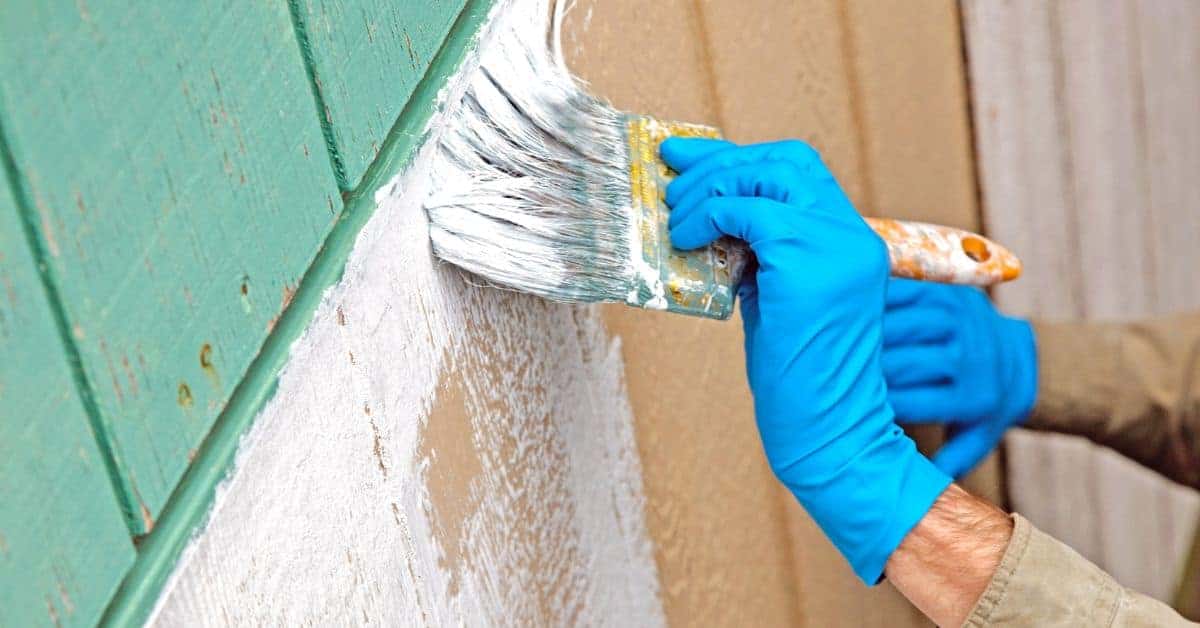
Brushing and rolling for small areas and touch-ups
For small jobs or touch-ups, brushes and rollers are your best bet. They offer better control and can reach tight spaces.
Pro tip: Use a high-quality brush with synthetic bristles for stainless steel paint.
Apply thin, even coats to avoid brush marks. For rolling, use an extension pole for hard-to-reach areas. Work in small sections at a time.
Brushes and rollers are slower than spraying but provide superior control and finish quality for small jobs or intricate details.
Troubleshooting and Common Pitfalls
Identify typical failure modes like poor adhesion, peeling, orange peel texture, and runs. Use a plan to diagnose adhesion issues by testing on a small area before full-scale work. Address root causes such as inadequate prep, incompatible primers, or incorrect application conditions.
Implement practical fixes and preventive steps, including re-prepping, selecting a compatible system, and adjusting techniques. Quick checks during the process can catch problems early and save time and material. Rely on manufacturer guidance when addressing specific symptoms.
Fixing adhesion failure and peeling
If your paint starts to peel, don’t panic. First, remove all the failing paint using a scraper or sandpaper. Be careful not to damage the stainless steel.
Re-prepare the substrate: Clean it thoroughly with soap and water, then degrease. Lightly scuff-sand to improve adhesion. Wipe off any dust with a tack cloth.
Use an adhesion promoter or primer designed for stainless steel. Apply it according to the manufacturer’s instructions. Let it dry completely before painting. This will help prevent peeling in the future.
Preventing texture and finish problems (runs, sags, orange peel)
To avoid runs and sags, apply your paint in thin, even coats. Don’t overload your brush or roller.
Application speed: Work quickly but steadily. If you’re too slow, the paint can start to sag. Too fast, and it won’t level out properly.
Keep an eye on environmental conditions. Humidity and temperature fluctuations can affect how your paint dries and levels. If it’s too hot or humid, thin your paint slightly with its recommended thinner. If it’s too cold, warm the paint and substrate gently before painting.
If you’re still having trouble with orange peel texture, try using a different application tool. Sometimes switching from a roller to a sprayer can make all the difference.
Maintenance, Durability Expectations, and When to Hire a Pro
Set realistic expectations for how the painted stainless surface will wear under different conditions. Routine care and gentle cleaning help extend the life of the coating. Consider how exposure and use influence performance over time.
Know when professional refinishing is warranted by signs of widespread failure or complex substrates. Review warranties and verify contractor credentials before hiring. Use these checks to decide if DIY maintenance or a pro project is the better option.
Routine maintenance and touch-up procedures
Maintaining your DIY-painted stainless steel surface is crucial to extend its lifespan. Here’s a simple routine:
Cleaning: Use mild soap and water, avoid harsh chemicals. Rinse and dry thoroughly.
Inspecting: Check for damage every few months. Look out for chips, scratches, or peeling paint.
Touch-ups: For small repairs, use the same paint and application method as originally used. If unsure, refer back to our Application Methods section.
Cost, time factors, and when to call a professional
The cost of your project depends on the size of the area, paint type, and complexity. Time-wise, expect 1-2 days for prep and painting.
When to hire a pro:
– Complex shapes or hard-to-reach areas
– Critical safety surfaces (e.g., handrails)
– Guaranteed longevity is required (check warranties)
Always check credentials before hiring. If in doubt, it’s better to leave it to the pros.
Conclusion
Painting stainless steel is doable if you lock in the prep, use the right primer, and pick a compatible topcoat. Do it right and you’ll get safety, durability, and a finish that lasts.
Test first in a small area, clean and dry the surface thoroughly, choose a stainless-specific primer and a compatible paint, follow the product data for application and cure times, ventilate well, and wear eye and skin protection as you work—then step back and inspect for bond before moving to larger areas.
Common mistakes to avoid are skipping the primer or adhesion promoter, using the wrong paint for stainless, and rushing the cure. Don’t oversand or roughen more than needed, don’t skip surface cleaning, and don’t spray in low-ventilation conditions or on damp metal. If you’re unsure about the metal grade, the right bonding agent, or the correct cure window, stop and verify before you ruin the surface.
If the project involves large areas, extreme corrosion, or complex shapes, it makes sense to hire a pro. Otherwise, stay disciplined: plan, test, and proceed in measured steps, and you’ll finish with a durable, good-looking result you can be proud of.
FAQ
Do I need to degrease and mask every inch of stainless steel before painting?
You should thoroughly clean with a degreaser and remove any oils, fingerprints, or residue. Mask edges and nearby surfaces to keep paint off what you don’t want coated. Skip the mask if you’re painting a small, controlled area, but don’t skip prep.
How can I tell if the paint will actually stick to my stainless surface?
Use a test patch on a small area. If adhesion looks poor after a short rub test, you’ll need a proper adhesion promoter or different product. Read the label for prep steps and any compatibility notes with stainless steel.
Is it okay to use any old enamel or spray paint on stainless steel?
Name-brand stainless-friendly paints are best, but don’t assume all enamels stick. Check the manufacturer instructions for metal and stainless steel compatibility. If in doubt, choose products labeled for non-ferrous metals and follow cleaning and priming directions.
Should I apply a clear topcoat after painting stainless steel?
A clear topcoat can add UV and wear protection, but it’s not mandatory for every project. If you choose one, verify it’s compatible with your base paint and stainless surface. Always follow product labeling for recoat windows and application methods.