Introduction
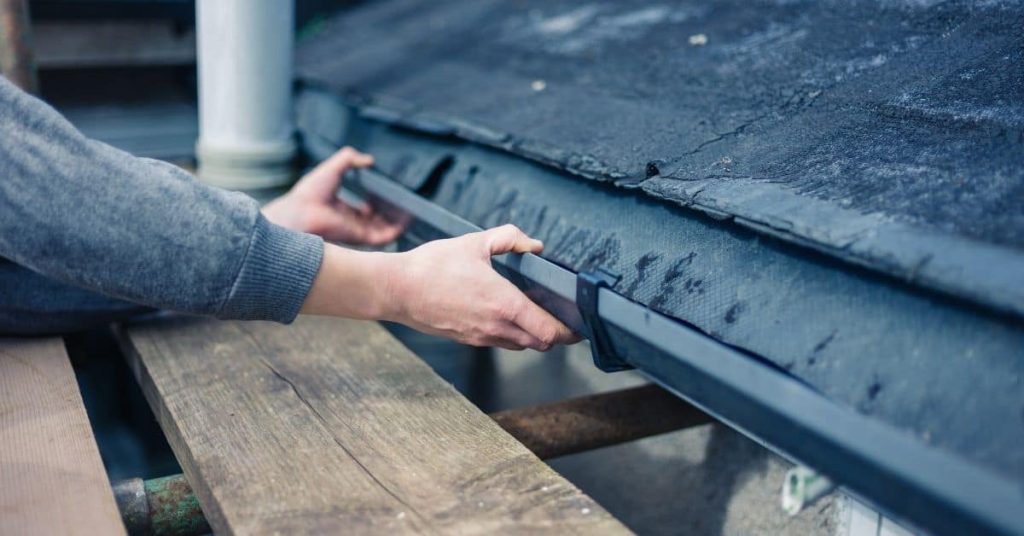
Drip edge is the metal or plastic strip installed at the roof edge to direct water into the gutter and protect the underlying roof.
When retrofitting on an existing roof, fasten it along the eave and rake edges and seal where required. Always follow the manufacturer’s instructions and local rules for fasteners and overlaps.
For metal roofs, a properly installed drip edge helps prevent water from wicking behind the fascia. Measure the run, cut to fit, and align so the drip edge sits over the underlayment and under the roof covering as applicable. Check product labels for material choice and installation guidance, and be ready to adjust based on your roof shape and climate.
Key takeaways
- Verify existing roof without damage before starting drip edge retrofit; inspect fascia.
- Measure eaves and rakes to choose compatible drip edge profile and finish.
- Use manufacturer instructions for overlap, fastening order, and sealant type.
- Plan for proper underlayment and weatherproofing when retrofitting over panels.
- Avoid sharp bends; cut with metal snips and deburr edges carefully.
- Safety: wear eye protection and gloves; call for help on tall eaves.
Table of Contents
- Introduction
- Key takeaways
- Why Adding a Drip Edge to an Existing Roof Matters
- What a Drip Edge Is and the Engineering Principles for Metal Roofs
- Choosing the Right Materials, Profile, and Finish
- Tools, Materials Checklist, and Pre-Install Planning
- Step-by-Step Retrofit Installation (Eaves, Rakes, Corners)
- Retrofitting Drip Edge Without Removing Metal Panels
- Common Retrofit Mistakes and How to Avoid Them
- Codes, Cost Analysis, Budgeting, and Deciding When to Hire a Pro
- Conclusion
- FAQ
Why Adding a Drip Edge to an Existing Roof Matters
A retrofit drip edge protects the edge of your roof from water intrusion behind the fascia. It also helps prevent fascia rot, pest entry, and edge damage that can lead to bigger repairs later. Upgrading now is often a cost‑effective way to extend roof life and reduce maintenance headaches.
Consider scenarios like aging roof lines, a damaged edge, or mismatched gutters. Different roof types and fascia conditions influence how you install retrofits. Check manufacturer instructions, local rules, and product labels to ensure compatibility and a watertight seal.
Water management and capillary break concept
A retrofit drip edge is your roof’s first line of defense against water intrusion. It redirects runoff away from the fascia, preventing water from seeping behind and causing damage.
But a drip edge does more than just redirect water. It creates what we call a ‘capillary break’. This stops water wicking under your roofing material and trim. Without it, moisture can travel up by capillary action, leading to rot and other issues.
Think of it like this: A drip edge is like a moat around your castle – it keeps the enemy (water) out.
Structural and wind-related benefits for metal roofs
Metal roofs are tough, but their edges can be vulnerable. A drip edge stiffens these edges, adding strength and support to your roof panels.
It also reduces the risk of wind uplift. Without a drip edge, strong winds can get under the panel edges and lift them off. With one, that risk is significantly lowered.
A drip edge also helps maintain panel alignment. It keeps the panels in place, preventing them from shifting or buckling in high winds.
Long-term asset preservation and resale value
A retrofit drip edge isn’t just about protecting your roof – it’s about preserving the value of your home. By preventing water damage, pest entry, and other issues, a drip edge reduces long-term maintenance costs.
It also improves curb appeal. A clean, straight drip edge can make your roof look newer and better maintained. This is a visible quality improvement that can attract buyers or pass inspection with flying colors.
In short: A retrofit drip edge is an investment in the longevity and value of your home.
What a Drip Edge Is and the Engineering Principles for Metal Roofs
Drip edge includes the flashing, protective edge, and fasteners that interface with fascia, decking, and metal panels. It directs water away from the roof and into the gutter system when installed correctly.
Metal roofs introduce concerns like thermal expansion and contraction. Edge stiffness matters to prevent flutter and maintain panel alignment. Verify how gasketed versus non-gasketed edges influence sealing and overlaps, and follow codes and manufacturer guidance for retrofit installations.
Drip edge profiles and how they interact with roof systems
The drip edge’s profile is crucial for water management. It comes in various shapes:
- L-shape: Simple, fits under metal panels, keeps water away from fascia.
- T-shape: Provides extra support, prevents panel flutter, aligns gutters.
- Z-shape: Offers more rigidity, ideal for high winds, maintains panel alignment.
Material interaction and galvanic corrosion basics
Matching metals or using isolators prevents galvanic corrosion. Here’s why:
- Galvanic series: Look for materials close together in the galvanic series to avoid corrosion.
- Isolators: Use them when mixing metals to prevent current flow causing corrosion.
- Avoid aluminum with steel: Aluminum’s higher potential causes steel to corrode quickly. Use isolators if unavoidable.
- Painted or coated surfaces: Match coatings to maintain protection and avoid corrosion under delamination.
- Regular inspection: Check for signs of corrosion, especially at fasteners and corners.
Choosing the Right Materials, Profile, and Finish
Material options vary in corrosion resistance, weight, and cost. Aluminum, galvanized steel, and copper each have trade‑offs that suit different roof types and climates. Confirm compatibility with your roof and local conditions before selecting a profile.
Profile choices range from standard L or J shapes to decorative options. Finishes affect maintenance and sealant compatibility. Check code requirements and corrosion concerns when mixing materials and ensure the chosen finish meets warranty expectations.
Material pros/cons and compatibility checklist
Before you start, use this checklist to weigh your options. It ensures you’re using the right material for your roof type and climate.
- Corrosion Resistance: Check manufacturer’s data on corrosion resistance in your local climate (coastal, freeze-thaw, humid).
- Weight: Ensure it matches your roof’s load-bearing capacity. Too heavy can cause sagging or damage.
- Cost: Balance budget with long-term performance and maintenance costs.
- Color/Finish Compatibility: Match the finish to your existing roof for aesthetic harmony.
- Galvanic Corrosion: Check compatibility with existing metal components to avoid galvanic corrosion.
- Underlayment Compatibility: Ensure it works well with your current underlayment and flashing materials.
- Ventilation Compatibility: Verify it won’t interfere with your roof’s ventilation system.
- Code Requirements: Check local building codes for material specifications.
- Manufacturer Recommendations: Follow their guidelines for best results and warranty compliance.
Quick rule: Always consult manufacturer recommendations and local code requirements to avoid costly mistakes.
Matching profile to metal roof type and thermal movement
Metal roofs expand and contract with temperature changes. Here’s how to match your drip edge profile to your roof type to accommodate this.
For standing seam roofs, use a drip edge that matches the seam height and width. This allows for thermal expansion without compromising the seal.
With screw-down or exposed-fastener systems, you’ll need to install the drip edge with additional fasteners at regular intervals to allow for expansion. Make sure your chosen profile accommodates this.
Always consider your roof’s overhang and fascia height when selecting a profile. A custom profile may be needed if standard sizes don’t fit.
Material specs, standards, and what to verify
Material choices impact your project’s success. Here are key specifications and checks to make before purchasing.
- ASTM/ICC Standards: Verify the material meets relevant ASTM or ICC standards for quality and performance.
- Thickness: Ensure it’s thick enough to provide adequate protection but not so thick it adds excessive weight.
- Width: Choose a width that fits your roof’s overhang and fascia height without leaving gaps or causing overlap issues.
- Gauge (for metal): Thinner gauges are lighter but less durable. Choose based on your roof’s needs and local climate.
- Coating Specs: Check the coating’s durability, fade resistance, and warranty coverage.
- Manufacturer Installation Guide: Follow their guidelines for proper installation and warranty compliance.
- Local Code Rules: Ensure the material meets your area’s building codes and standards.
- Avoid: Materials with inconsistent quality, poor coating, or inadequate thickness can lead to cracking, staining, or weak bonds over time.
Tools, Materials Checklist, and Pre-Install Planning
Plan for safety first with appropriate PPE and ladder safety. Weather and access considerations should shape your schedule and protect occupants and landscaping during the retrofit.
Assemble essential tools, fasteners, sealants, and suitable drip‑edge profiles. Have underlayment or flashing on hand if the retrofit calls for it, and verify gutter compatibility for metal or shingle roofs before starting.
Essential tools and safety equipment
Before you start, ensure you have the right gear to keep you safe and efficient.
- Ladder: Sturdy, extendable ladder for safe roof access.
- Safety harness or fall protection: Mandatory on steep roofs. Secure it before climbing.
- Appropriate cutting tools: Snips for metal, pruning shears for shingles, and a utility knife for underlayment.
- Fastener driver: Drill or impact driver for screws/nails. Ensure it’s compatible with your fasteners.
- Safety gloves: Protect hands from cuts, burns, and splinters.
- Eye protection: Safety glasses or goggles to shield eyes from debris.
- Hard hat: Protection against falling objects on the jobsite.
- Roofing hatchet (optional): For removing damaged sections quickly and safely.
Quick rule: Always prioritize safety. Wear your PPE, secure ladders, and keep a clean work area.
Measuring, material take-off, and ordering tips
Accurate measurements ensure you get the right amount of drip edge and fasteners.
- Linear footage: Measure roof length along the eave. Add 10-15% for waste and cuts.
- Corners: Measure each corner separately. Account for miter cuts.
- Waste calculation: Estimate 2-3 feet of waste per cut, plus extra for mistakes.
- Fasteners: Order matching screws/nails based on your drip edge profile and roofing material.
- Sealants: Buy enough sealant to cover all nail/screw holes and joints.
- Underlayment/flashing: Measure for any additional pieces needed at valleys, rakes, or penetrations.
- Gutter compatibility: Check if your drip edge matches your gutter system’s profile and material.
- Extra material: Always order 10-15% more than calculated to account for errors and cuts.
Quick rule: Measure twice, cut once. Order extra materials to avoid mid-project delays.
Site access, permits, and scheduling considerations
Plan your work carefully to ensure a smooth, safe retrofit.
- Permits/HOA rules: Check if you need permits. Follow HOA guidelines for roofing projects.
- Roof access: Set up ladders or scaffolding safely. Ensure they’re secure and level.
- Weather planning: Schedule work on dry, calm days to prevent delays and accidents.
- Area protection: Cover landscaping, cars, and other valuables with drop cloths or tarps.
- Work hours: Respect your neighbors. Plan work during reasonable hours.
- Contingency plan: Have a backup plan for weather delays or unexpected issues.
- Cleanup schedule: Plan regular cleanup to keep the site tidy and safe.
- Safety briefings: If working with others, hold safety briefings before starting each day.
Quick rule: Good planning makes for a smooth retrofit. Check all boxes before you start.

Step-by-Step Retrofit Installation (Eaves, Rakes, Corners)
Develop a clear workflow that covers preparation, eave, rake, corner detailing, and gutter integration. A structured plan helps prevent missed steps and water leaks.
Validate each stage with surface cleaning, accurate measurements, and proper overhang. Ensure secure fastening, tight seals, and correct gutter alignment to maintain a continuous water path.
Step-by-Step Installation Process
Follow this clear, numbered sequence to retrofit drip edge on your existing roof. Safety first, then the main work, and finish with a final check.
- Preparation: Inspect your roof, gather tools, and ensure safety measures are in place.
- Eave installation: Start from one end, clean the surface, measure, align with fascia, fasten, and ensure proper overhang for water direction into gutters.
- Rake application: Access safely, match height with eaves, overlap at transitions, and secure to prevent wind uplift.
- Corner detailing: Inside/outside corners, use corner pieces or field-fabricate bends, seal beads, and ensure watertight transitions with gutters.
- Final checks: Verify drip edge sits under gutter hangers, test water flow, and plan maintenance routine.
Installing at the Eaves: Sequencing and Placement
Start with a clean surface. If using underlayment, install it first, then follow with drip edge. Ensure correct placement for water to shed into gutters.
Overhang: Follow manufacturer’s or local guidelines for overhang requirements. Typically, 1-2 inches is sufficient.
Check your work: Ensure the drip edge is level and properly aligned with the fascia. Verify that water will flow into the gutters as intended.
Rakes and Gable Edges: Fastening and Flashing Details
At rakes, secure drip edge to allow neat water discharge. Use consistent height with eaves for a uniform look.
Wind-driven rain: Ensure fasteners are secure to suppress wind uplift. Consider using larger or more frequent fasteners in high-wind areas.
Aesthetics: Maintain roof aesthetics by ensuring drip edge is properly aligned and flush with the rake edges.
Corners, Seams, and Overlap Techniques
For inside/outside corners, cut pieces accordingly or field-fabricate bends. Seal beads at all points to maintain a continuous barrier.
Overlap order: Upper drip edge should overlap the lower one to ensure water is directed away from the roof structure.
Check your work: Ensure all corners and seams are watertight, with no gaps or leaks. Verify that water will flow off the roof as intended.
Retrofitting Drip Edge Without Removing Metal Panels
Assess feasibility by considering panel condition, access, and the location of the drip edge. Some scenarios allow a tidy retrofit without panel removal, while others require removing sections for a proper seal.
Evaluate panel type, seam layout, and fastener placement to avoid interference. Plan for safety, debris control, and compatible sealants or tapes that suit the existing edge conditions.
Slip-in, Surface-Mounted, and Retrofit Flange Approaches
Retrofitting a drip edge on an existing metal roof involves working around the existing panel laps and fasteners. Here are three common attachment strategies:
1. Slip-in Method: This approach involves sliding the drip edge under the lower flange of the existing panels. It’s ideal when the panels have a wide lap and the eave line is accessible.
2. Surface-Mounted Closure: If slipping in isn’t possible, you can use a surface-mounted closure with a gasket. This method requires drilling new holes, so ensure it won’t compromise panel integrity or void warranties.
3. Retrofit Flange: Some drip edges come with an extended flange that tucks behind the existing flashing. This method works well when the flashing is intact and accessible.
Sealing, Adhesives, and Flashings for Retrofit Conditions
Proper sealing is crucial in retrofit drip edge installations to prevent water ingress. Here are some recommendations:
1. Sealants: Use high-quality, compatible sealants designed for metal roofing. Follow manufacturer guidelines for application and cure conditions.
2. Butyl Tape: For added protection, use butyl tape under the drip edge and along seams. It’s especially useful in areas with heavy rain or snow.
3. Flashings: Ensure existing flashings are intact and compatible with the new drip edge. If not, replace them using flashing designed for metal roofs. Always overlap flashings to direct water away from panel laps.
Common Retrofit Mistakes and How to Avoid Them
Frequent errors include using the wrong profile or material for the roof type, and misplacing the overhang or alignment. Don’t overlook gutter integration, which can affect water flow and flashing continuity.
Double-check measurements and layout to ensure the edge sits correctly over underlayment and under shingles or panels. Select fasteners with corrosion resistance and the right spacing, and plan for a proper sealant strategy at joints and terminations.
Measurement, overhang, and gutter alignment errors
Incorrect measurements and poor gutter positioning can render your drip edge ineffective. Avoid these common mistakes:
- Wrong overhang: Too little overhang lets water run down the fascia. Too much causes ice dams. Measure 1-2 inches from the roof’s edge.
- Gutter misalignment: Drip edge must sit above gutters to direct water in. Check alignment visually and test with a garden hose.
- Improper drip edge length: Too short leaves gaps; too long causes overlaps. Measure exact edge lengths before cutting.
- Incorrect underlayment placement: Drip edge must sit over underlayment, not under it. Verify during installation.
Regular visual checks and hose tests will help ensure your drip edge works as intended.
Fastening, thermal movement, and penetration mistakes
Proper fastening is crucial to prevent leaks and damage. Avoid these common errors:
- Overdriving fasteners: Drives shingles into the roof deck, causing leaks. Use a drill with clutch or stop collar.
- Penetrating seams: Fastening through seams weakens drip edge. Place fasteners in solid metal only.
- Restricting expansion: Tightening drip edge too much restricts thermal movement, causing warping. Allow for 1/8 inch expansion per 10 feet.
- Incorrect spacing: Too close causes over-penetration; too far apart lets drip edge move. Space fasteners 6-9 inches apart.
Use proper fasteners, maintain correct spacing, and allow for thermal movement to avoid these issues.
Material selection and corrosion pitfalls
Choosing the right material is vital for a long-lasting drip edge. Avoid these common mistakes:
- Mixing metals: Different metals create galvanic corrosion. Use aluminum with aluminum, steel with steel.
- Using non-rated coatings: Unapproved paints or coatings can crack and stain. Look for rated, approved products.
- Not accounting for thermal expansion: Drip edge must expand and contract with temperature changes. Use isolation clips or approved fasteners.
- Ignoring pitting/corrosion: Pitted metal leaks and weakens. Inspect material before installation, avoid if damaged.
- Not matching roof profile: Wrong profile causes poor fit, water backup. Match drip edge to existing roof’s profile.
Choose compatible materials, use approved coatings, allow for expansion, and inspect your material to prevent corrosion and ensure a good fit.
Codes, Cost Analysis, Budgeting, and Deciding When to Hire a Pro
Review applicable building codes, permit requirements, and manufacturer specs that apply to retrofit drip edges. Codes can vary by roof type and climate, so verify in your area.
Use a practical inspection checklist from start to finish, including fascia and gutter condition. When budgeting, compare material options and consider hidden costs and safety equipment; use a decision framework to decide when to hire a pro based on complexity and risk.
Building codes, inspection checkpoints, and documentation
Before starting your retrofit drip edge project, ensure you’re up to code and have all necessary documents in order.
- Check local building codes: Understand your area’s specific requirements for roofing projects. Some regions may have unique rules based on climate or roof type.
- Consult the IRC (International Residential Code): Familiarize yourself with this widely-adopted standard to ensure your project meets minimum safety and performance criteria.
- Gather manufacturer specs: Obtain and follow the specific guidelines for the drip edge product you’ve chosen.
- Assess roof type: Different roofs (asphalt, metal, tile) may have unique code considerations. Ensure your retrofit aligns with these requirements.
- Document your project: Keep detailed records of materials used, installation steps, and any changes made to the original roof structure.
- Schedule inspections: If required by local codes or your homeowner’s association, arrange for inspections at key stages of the project.
- Verify permit requirements: Check if your retrofit needs a permit. Some areas may require permits for any roofing work.
- Confirm climate considerations: Ensure your drip edge choice can withstand local weather conditions, such as high winds or heavy snow loads.
Quick rule: Always prioritize safety and compliance with local codes to protect your investment and avoid costly mistakes.
Cost comparison: retrofit vs. full replacement and what to check
When considering a drip edge retrofit, it’s crucial to weigh the costs against a full roof replacement.
- Scope of work: Retrofits are typically cheaper as they only target specific areas, while replacements involve entire roof teardown and reinstallation.
- Accessibility: Easily accessible roofs may reduce labor costs for both retrofits and replacements. However, complex layouts or heights can increase costs significantly.
- Panel condition: If your existing panels are severely damaged or nearing the end of their lifespan, a retrofit might not be cost-effective in the long run.
- Remaining roof life: Estimate how many years you have left with your current roof. A retrofit may extend this lifespan, but it’s essential to consider future replacement needs.
- Expected service life of drip edge: Different materials (aluminum, galvanized steel, vinyl) offer varying lifespans. Choose a material that aligns with your budget and expected roof longevity.
- Labor rates: Compare local labor costs for both retrofits and replacements to understand the potential savings or added expenses.
- Contingency planning: Allocate funds for unexpected repairs or upgrades that may arise during either a retrofit or replacement project.
- Rebates and incentives: Research if there are any local, state, or federal rebates available for energy-efficient roofing improvements.
Quick rule: Don’t rely on fixed numbers; instead, compare costs based on your specific situation and expected future needs.
When to DIY and when to call a contractor
Deciding between a DIY retrofit and hiring a professional depends on several factors. Here’s how to make an informed choice:
First, assess your skill level and comfort with roofing work. If you’re inexperienced or uncomfortable working at heights, it may be best to hire a pro.
Next, consider the safety risks involved. Retrofitting drip edge can expose you to falls, cuts, and other hazards. If you’re unsure about your ability to work safely, opt for professional help.
Evaluate your roof’s condition. If there are significant structural concerns or extensive damage, it might be wiser to hire a contractor with specialized knowledge and equipment.
Lastly, consider warranty implications. Some manufacturers may void warranties if the product is installed by anyone other than a certified professional. Always check your warranty terms before proceeding with a DIY retrofit.
Conclusion
Finish this retrofit with confidence by following solid steps that protect the roof, the home, and you. The drip edge is a small part with a big impact on durability and appearance when installed correctly.
First, inspect and prep: verify you have the right profile and finish, gather the tools and materials, and plan the sequence for eaves, rakes, and corners. Check that fasteners match the metal roof type, lay out the sections on a dry, clean surface, and test fit before permanent attachment. Practice on a small, inconspicuous area to confirm sealant or adhesive choices and ensure you won’t damage panels or paint. Maintain clean edges, keep moisture out, and follow local codes as you go.
Common mistakes to avoid include rushing the corner work, skipping careful edge preparation, or using the wrong screws or sealant that can corrode or back out. Always wear eye protection and gloves, work from a stable ladder or platform, and double-check that panels sit flat and fasteners drive properly without over-tightening. If you encounter complex shapes, uncertain panel removal, or unclear code requirements, stop and re-evaluate before proceeding.
If the roof is unusually complex, you’re not sure about the metal profile, or you’re dealing with extensive panel removal, hiring a pro is the safest path. A qualified installer can verify compatibility, seal geometry, and code compliance, saving time and avoiding costly mistakes. With the right approach, you’ll have a drip edge that protects and looks right for years to come.
FAQ
Why is a drip edge important for a metal roof retrofit?
A drip edge protects the underlying deck and fascia by directing water away from the edge. It helps prevent rust, rot, and staining at the eaves and improves long-term weather sealing. For a retrofit, proper edge support is essential to keep water from running back under panels.
What material should I choose for a retrofit drip edge?
Choose a material that matches the roof profile and your environment, and that won’t corrode easily. Check the label or manufacturer instructions for compatibility with metal panels. If in doubt, ask for options that are rated for exterior use and wind exposure in your area.
How do I measure and cut the drip edge correctly when retrofitting?
Measure all edges where the edge will sit and account for overlaps at corners. Use tin snips or a metal shear for clean cuts and make straight 90-degree bends where needed. Always verify fit before fastening and avoid over-tightening screws that could bend the edge.
How do I install drip edge at eaves, rakes, and corners without leaks?
Start at one corner and work toward the other, keeping the edge level and parallel to the roof plane. Overlap sections by a small, manufacturer-recommended amount and seal joints if advised by the product instructions. At corners and rakes, bend and trim to maintain continuous water flow away from the deck. Safety note: follow all fall protection and ladder rules on exposed edges.

