

Introduction
Cutting in straight lines without tape means using guide techniques to keep your cut or line true. It’s about control, setup, and a steady hand so the edge sits where you want it. You’ll use simple references and careful motions rather than relying on sticky tape as a guide.
Start by choosing a reliable reference point and mark it clearly. Clamp or brace your work so it won’t shift, then practice a few light passes to feel the motion. Focus on smooth, consistent strokes, check your direction as you go, and adjust before you finish the cut.
Key takeaways
- Practice steady hand positioning by resting elbow and guiding with forearm.
- Mark initial guide lightly and confirm square corners before starting.
- Use brush control to align edge with surface, steady push, avoid twisting.
- Check for burrs or snag points and smooth before final pass.
- Maintain mask/ventilation and PPE; pause if vision or fatigue appears.
- Practice routines up to faint lines and refine consistency with slow, deliberate strokes.
Table of Contents
- Introduction
- Key takeaways
- Why Tape-Free Straight Cuts Are Useful
- Tools and Materials Checklist
- Surface Preparation for Clean Edges
- Fundamental Brush Control Techniques
- Step-by-Step Method for Cutting Straight Lines (no Tape)
- Advanced Tips for Tricky Edges and Details
- Visual Checkpoints and Quality Control
- Practice Routines and Exercises to Improve Steadiness
- Conclusion
- FAQ
Why Tape-Free Straight Cuts Are Useful
Cutting in without painter’s tape speeds up prep and move-in time on the job. When you control the brush properly, edges come out clean and edges stay true as you work. Tape can lift or peel paint if the surface is not perfectly prepared, so tape-free cutting reduces that risk.
There are times when tape is still a good choice, such as new drywall or very uneven surfaces. In those cases, plan to use tape selectively and rely on your brush technique for the rest of the edge. Verify manufacturer instructions or labeling if you’re unsure about a specific surface.
Common misconceptions
The myth that you always need tape for straight lines is just that – a myth. It’s like believing you can’t build a house without magic dust.
Fact is, it’s all about skill and understanding your surface conditions. Tape’s there to help, not to be the only solution.
Pro tip: Good brush control and steady hand are your real tools for straight lines.
When to choose tape instead
Tape’s not the enemy, it’s just got its own job. It’s best when you’ve got high-traffic edges – like baseboards or door frames – that need extra protection.
Delicate trims are another story. Tape can give you a clean line without damaging the trim itself.
And then there are those extremely uneven joints. Sometimes, you just need that extra bit of control tape provides.
Tools and Materials Checklist
Grab a selection of brushes for different edges: small trim brushes, high-quality angled sash brushes, and flat brushes for broader strokes. Include small foam brushes for tight spots and a few painter’s assistant tools like a paint can extender and a scraper. Choose paint types that flow well from a brush and stay workable on your planned surface.
Check brush condition before starting: look for loose ferrules, splayed bristles, and cracks in handles. Use bristle types and sizes that suit your task, and confirm the sizes on the product label if you need exact measurements. If you’re unsure, ask for guidance or read the manufacturer instructions.
Brush types and sizes explained
Before you start cutting in, make sure you’ve got the right tools for the job.
- Angled sash brushes: These are your best friend for precision work. The angle lets you get right up against edges without marking them.
- 1-2 inch sizes: For trims and narrow areas, these sizes give you control. Too big, and you’ll be fighting the brush; too small, and it’s a slow job.
- High-quality bristles: Synthetic or natural, make sure they’re durable and hold their shape. Floppy bristles mean poor lines.
- Avoid hard bristles: These can damage delicate surfaces like wallpaper or fresh paint.
- Check brush condition: Before each use, check for bent or missing bristles. A bad brush makes bad lines.
Quick rule: The right brush makes the job easier. Don’t skimp on quality.
Helpful accessories
These non-tape aids will save you time and paint.
- Paint shields: These protect walls from drips. Use them on wider areas where tape isn’t needed.
- Skinny paint guards: For narrow gaps, these let you get right up against edges without marking them.
- Guards with handles: These make it easier to hold the guard steady while painting. No more wobbly lines.
- Steadying blocks: Place these under your cutting hand for a steadier grip. Less shake means straighter lines.
- Disposable gloves: Protect your hands from paint and give you a better grip on the brush.
Quick rule: The right accessories make the job faster and neater.
Surface Preparation for Clean Edges
Start with a clean surface; wipe down dust and oils so the edge rides smoothly. Lightly sand any glossy areas to give the primer and paint a better grip. Patching and priming where needed helps create a predictable edge for your brush stroke.
Feather seams where two colors meet and smooth any old paint edges with a thin pass. Use a light touch and keep the brush loading even to avoid heavy beads along the edge. If you’re unsure about a technique, verify guidance from the product data sheet or manufacturer instructions.
Inspecting and repairing edges
Before you start, inspect your walls. Look for bumps, gaps, or loose paint.
Bumps can be sanded lightly with fine-grit sandpaper. Just enough to smooth them out.
Gaps need a quick caulking job. Fill, let it dry, then sand off the excess.
If there’s loose paint, scrape it off, sand, and spot prime before painting.
Choosing the right paint consistency
Paint that’s too thick won’t flow smoothly. It’ll drag your brush, leaving uneven edges.
Too thin, and it’ll drip or run. Not good for clean lines either.
Here’s what to do: thin your paint slightly with water (about 10-15%) if it’s too thick. Or use a flow improver sparingly.
Test on a scrap piece first. You want it to spread easily but not run or drip.
Fundamental Brush Control Techniques
Stand with your feet shoulder-width apart and relax your grip on the handle. Keep the wrist steady and let the forearm do the guiding. Load the brush with a careful amount of paint to avoid blob and drips.
Use controlled, straight strokes and short, even passes for edge work. Practice on a scrap surface to build a feel for how much paint to carry and how to start and stop cleanly. If something feels off, re-check brush condition and loading before you continue.
Loading the brush correctly
The key to a straight line is starting with the right amount of paint on your brush. Dip it about halfway into the paint, then gently tap the bristles against the side of the can to remove excess.
Too much paint makes lines wobbly and increases the risk of drips. Too little means you’ll be dipping back into the paint often, disrupting your rhythm.
Once you’ve got the right amount, do not wipe the brush on the lip of the can or a cloth. This just spreads paint around and wastes it.
Stroke types and directions
For straight cuts, use short, controlled pulls with your brush. Start at the edge of your work surface and pull towards yourself, keeping the brush at a consistent angle.
The drag-and-lift technique is useful for getting into tight corners or when you need to change direction. Drag the brush along the edge, then lift it straight up.
Directionality matters too. For best results, work from top to bottom and left to right. This way, you’re always painting away from your previous stroke, helping maintain a straight line.
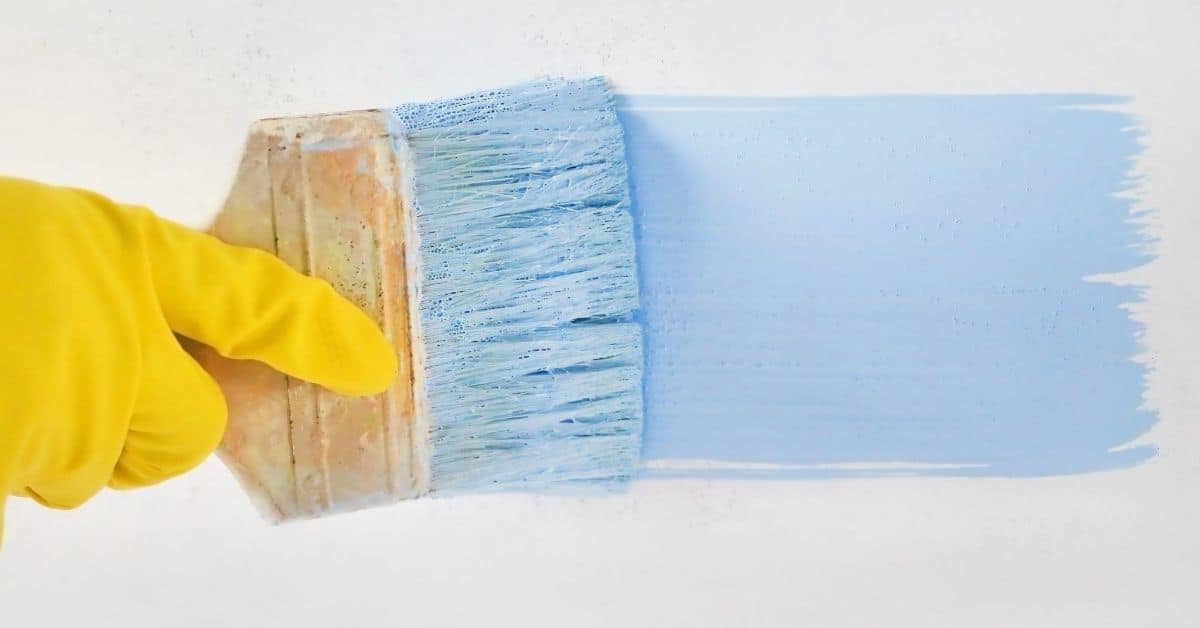
Step-by-Step Method for Cutting Straight Lines (no Tape)
Set up a clear reference line or guideline so your first stroke has a solid origin. Begin with a light reference stroke to establish the edge regardless of the surface texture. Build the edge gradually, keeping the brush angles consistent as you advance.
Work from the reference toward the field paint, blending the edge as you go. Pause between passes if needed to prevent overloading the brush. For timing, follow the product instructions on re-wetting or reloading as appropriate and verify any timing recommendations on the label.
Step-by-Step Process
The following steps outline a practical method for cutting straight lines without using tape, ensuring clean edges and minimal effort.
- Prepare your workspace: Clear the area, lay down drop cloths, and ensure good ventilation. Safety first – wear appropriate clothing, gloves, and eye protection.
- Inspect and repair edges: Check for any damage or imperfections on the surface where you’ll be painting. Repair as needed using spackling compound or caulk.
- Create a sight line: Use a pencil or chalk to draw a faint guideline along the edge where you want your straight line (see ‘Creating and using a sight line’ for details).
- Main work: Starting from one end, load your brush with paint and apply a thin master line along your sight line. Let it set slightly, then widen this line in passes to full coverage, maintaining a crisp boundary (see ‘Building the edge in passes’ for details).
- Blend into field paint: Once the edge is established, switch to broader strokes, blending the edge color into the main painted area.
- Cleanup and final checks: Rinse your brush thoroughly, clean up any spills or drips, and let the paint dry. Inspect your work for any touch-ups needed.
Creating and using a sight line
A faint pencil or chalk guideline serves as a visual reference to maintain straight lines while painting. Here’s how to create one and use it effectively.
Using a level or a straight edge, draw a light, continuous line along the edge where you want your straight cut. The line should be visible but not too dark – you can always reinforce it if needed.
Focus on this line as you paint, keeping your brush strokes close to it and following its direction. Maintain a consistent distance between your brush and the edge to avoid over-painting or under-painting.
If painting outdoors or in low light, consider using glow-in-the-dark chalk or painter’s tape with a faint pencil line for better visibility.
Building the edge in passes
Applying paint in multiple thin layers allows you to maintain a crisp boundary and avoid overloading your brush, which can lead to drips or blobs.
Start by applying a thin master line along your sight line using the tip of your brush. This initial pass should be just enough to cover the edge without filling it in completely. Let this layer set for a few minutes to prevent it from being disturbed by subsequent passes.
Once the master line has set, start widening it in multiple thin passes. Work from one end of your sight line to the other, using the full width of your brush to build up coverage. Maintain consistent pressure and stroke direction to keep a straight edge. Allow each pass to set briefly before applying the next layer.
By building up your edge in thin layers, you’ll maintain a crisp boundary while minimizing the risk of overloading your brush or creating an uneven finish.
Advanced Tips for Tricky Edges and Details
Adjust your brush angle for corners, textured surfaces, and tight spaces. Switch to corner-specific brushes when needed to keep a crisp edge. Use feathering techniques to blend into adjacent areas without creating harsh lines.
If you see bleed or fuzz, lighten the stroke and rework with a drier brush or a smaller edge tool. Always check manufacturer guidance for any edge treatment recommendations on your paint or primer label.
Handling corners and intersecting surfaces
Corners can be tricky, but with the right technique, you’ll get sharp lines every time. For inside corners:
Cut one plane at a time. Start at the top, then