
Introduction
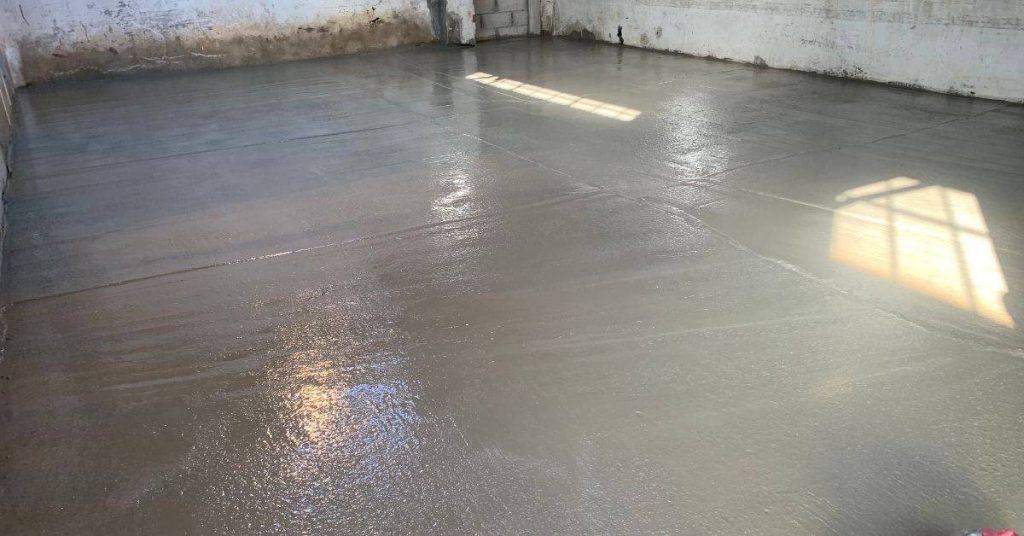
Control joints are deliberate grooves in concrete that guide where cracks will form as the slab cures. They help prevent random cracking and keep surfaces looking straight. For small slabs, you can create them without a saw by using groovers, guides, and proper timing.
Timing matters: cut or groove the slab after the concrete has reached a workable set but before it becomes too stiff. Use simple tools like groovers or guides to mark and form the joints at consistent spacing, and follow the manufacturer’s instructions for your mix. If in doubt, check the label or local regulations to confirm what spacing and depth are acceptable.
Key takeaways
- Definition: Control joints are planned breaks to manage cracking in concrete slabs.
- Timing: Cut during appropriate curing window per product and environment.
- Spacing: Follow spacing guidelines based on slab size to control crack path.
- Tools: Groovers, guides are used to score joints without a saw.
- Safety: Wear eye protection and follow dust control when grooving.
- Planning: Plan site prep and joint layout before starting to avoid work redo.
Table of Contents
- Introduction
- Key takeaways
- What Are Control Joints and Why They Matter
- When to Cut Control Joints — Timing and Environmental Factors
- Tools and Methods for Cutting Joints Without a Saw
- Step-by-Step: Cutting Control Joints in Small Slabs Without a Saw
- Spacing and Placement Guidelines for Small Slabs
- Site Preparation and Planning for Small Slab Jointing
- Cost, Tool Selection, and Buy Vs. Rent Guidance
- Maintenance, Repairs, and Common Mistakes to Avoid
- Conclusion
- FAQ
What Are Control Joints and Why They Matter
Control joints are deliberate grooves or scored lines placed in concrete to guide where cracks will form as the mix cures and shrinks. They help prevent random, jagged cracks that can ruin appearance and performance. It’s important to distinguish contraction (control) joints from expansion and isolation joints, which serve different purposes and locations.
In small slabs, the primary job is to direct shrinkage so cracks stay orderly and predictable. This preserves aesthetics and reduces damage from stress concentrations. Timing, placement, and proper method matter, whether you plan to groove now or later with groovers, guides, and timing strategies for saw-less projects. Consider on-site signals that joints are needed, markers you’ll use, and typical missteps to avoid during early grooving to maximize effectiveness.
Purpose and mechanics
Control joints are planned, intentional cracks. They relieve tensile stresses that build up as concrete cures and shrinks.
Planned means we cut these joints at specific times and places to control where cracking occurs. This directs cracks along the joint line instead of randomly throughout the slab.
Think of it like a tree branch. If it’s not allowed to bend (like concrete trying to shrink), it’ll break. But if you score it first, it bends at that line instead. That’s what control joints do for small slabs.
Control joints vs. expansion/isolation joints
Control joints are used in the middle of slabs to direct shrinkage cracks. They’re spaced evenly, typically every 10-20 feet apart, depending on slab size and thickness.
Expansion joints, on the other hand, are placed where slabs meet other materials or structures – like at the edge of a driveway or against a wall. These allow for movement without cracking.
Isolation joints separate different areas of concrete to prevent cracks from one area affecting another. They’re used when there’s a change in slab thickness, reinforcement, or loading conditions.
Using the wrong type of joint can lead to unwanted cracking and reduced performance. So, it’s crucial to understand each type’s purpose before you start cutting.
When to Cut Control Joints — Timing and Environmental Factors
The critical timing window hinges on when the slab has reached enough set to hold a groove without tearing out. Start thinking about joints after finishing and as the surface gains initial set, then adjust based on internal cure indicators. Surface dryness versus internal cure both inform timing decisions.
Air temperature, humidity, wind, and sun exposure all shift the timeline. Hot, dry days push you toward earlier cuts, while cool, damp conditions may extend the window. Practical cues, such as bleed water or surface sheen, help verify readiness before grooving and avoid undermining the cure.
Early vs. delayed cutting: windows and risks
Timing is crucial when it comes to cutting control joints. Cut too early, and you risk tearing or raveling the slab. Cut too late, and you might end up with random cracking.
Cutting too early: The concrete isn’t strong enough yet. You’ll see signs like surface sheen disappearing, and a finger pressed into the surface leaves no mark. If you cut now, the joint edges will crumble or pull apart.
Cutting too late: Waiting too long can cause the slab to crack randomly as it shrinks during drying. You’ll know it’s time when the concrete has lost its initial sheen, and a finger pressed into the surface leaves a slight indentation but doesn’t stick.
Weather and curing impacts
Heat, wind, and rapid evaporation can shorten your workable window for cutting control joints. Keep an eye on these factors to adjust your timing accordingly.
Heat: Warmer temperatures speed up concrete’s setting time. In hot climates, you might need to cut joints within 30-45 minutes after finishing. Use a flexural set test – if the concrete bends without breaking, it’s ready.
Wind and rapid evaporation: These can cause the slab to dry out too quickly, making it hard and unworkable. Protect your slabs from wind and sun with covers or curing compounds. Monitor for signs of rapid drying like a powdery surface or cracks forming.
Tools and Methods for Cutting Joints Without a Saw
You have options beyond a powered saw, including manual groovers, handheld or small mechanical groovers, and simple hand tools like trowels or edging tools. Non-saw methods work best when you plan spacing and depth carefully for small slabs. Improvised guides such as string or chalk lines can help keep joints straight.
Understand each option’s limits: depth, width, speed, and how they interact with curing. Choose tools that fit the slab thickness, mix, and your stamina. Always protect the slab during cutting to keep joints clean and true.
Hand groovers and walk-behind groovers
Hand groovers are manual tools that create control joints in small slabs. They consist of a handle, a roller with teeth, and a base plate. To use, simply roll the tool along the marked line, applying even pressure.
The depth of the joint depends on the size of the roller’s teeth. Common sizes range from 1/4″ to 3/8″. For small slabs, 1/4″ is usually sufficient.
Walk-behind groovers are mechanical tools that work similarly but are powered. They’re ideal for larger jobs or when speed is crucial. Both types create precise joints but may require some practice to avoid uneven depths.
Alternatives: jointing tools, chisels, and early-entry options
If groovers aren’t available or suitable, consider these alternatives.
- Bull float groover: A bull float with a notched edge can create joints. It’s cheap but requires skill to maintain consistent depth.
- Wooden/Metal Jointers: Simple wooden or metal tools with a V-notch can cut shallow joints. They’re easy to use but may not last as long as groovers.
- Masonry Chisels: Heavy-duty chisels can cut deep, precise joints. They require more effort and can cause fatigue but are versatile.
- Early-entry sawing: If a saw is required, consider early entry (cutting before the slab hardens). This risks damaging the slab if not done carefully.
- Rentable tools: Consider renting specialized tools like diamond-blade wet saws for deep cuts. They’re expensive but can handle tough jobs.
Step-by-Step: Cutting Control Joints in Small Slabs Without a Saw
Outline the workflow from prep to cure: surface prep, marking, cutting with a groover or hand tool, then finish and cure. Clarify when to cut to avoid edge spalling and maintain joint integrity. Establish a clear timing window for early versus late jointing.
Marking strategy matters: use chalk lines or straightedges and keep joints aligned where slabs meet walls or features. Compare groover options and aim for straight lines with minimal chatter. Depth guidance should stay consistent to ensure effective crack control.
Step-by-Step Process
The following steps guide you through cutting control joints in small slabs without a saw, ensuring a neat and effective result.
- Preparation: Ensure the slab surface is clean and dry. Wear safety gear: gloves, goggles, and ear protection if using power tools.
- Marking: Use chalk lines and straightedges to mark joint locations at consistent spacing (every 10-24″ for small slabs). Avoid misalignment near walls or edges.
- Grooving: Choose a groover or hand tool. Maintain a steady pace, keep the tool perpendicular, and apply even pressure for uniform depth.
- Finishing: Round off sharp edges with a trowel or broom to prevent spalling. Apply cure and seal as needed.
- Final check: Inspect joints for uniformity and depth. Make any necessary touch-ups before moving on to curing.
Marking and layout best practices
Accurate marking ensures effective joint placement and crack control in small slabs. Here’s how:
Measure and mark joint locations using a tape measure and pencil. Snap chalk lines to create clear, straight guidelines.
Align joints with slab features: Position joints where they’ll intersect with walls or edges to relieve stress and prevent cracking at these points.
Check your layout twice before cutting to ensure consistency and accuracy.
Using a hand groover: technique and tips
A hand groover allows you to cut precise, straight joints. Here’s how to use it effectively:
Stand with your body perpendicular to the slab. Apply steady pressure and maintain a consistent pace as you push the tool along the chalk line.
Control depth: Adjust the groover’s cutting wheel depth to match 1/4 to 1/3 of the slab thickness for optimal crack control and water drainage.
Avoid overworking or tearing the surface by making smooth, steady passes. If you encounter resistance, stop and check your technique.
Finishing the joint and protecting edges
Proper finishing ensures joints perform as intended and prevents edge damage:
Use a trowel or broom to round off sharp edges at the bottom of each groove. This helps prevent spalling and raveling.
Apply cure and seal: Once grooves are finished, apply concrete cure and seal to protect joints from moisture loss and premature cracking.
Inspect edges for any damage after grooving. Make repairs as needed before moving on to final curing.
Spacing and Placement Guidelines for Small Slabs
Base spacing on slab thickness, expected shrinkage, and load paths, with thinner slabs getting tighter spacing. Plan around openings and penetrations to avoid cutting through fixtures. Align layout with typical stress concentrations to interrupt cracks where they’re most likely.
Consider when to mark joints in relation to finishing to minimize raveling and ensure clean cuts. Use a simple rule of thumb and note caveats for high-traffic or outdoor conditions. A quick grid plan helps visualize joints relative to edges, openings, and load directions.
Rule-of-thumb spacing and exceptions
For small slabs, a common rule of thumb is to space control joints about every 5 to 7 times the slab thickness. So, if your slab is 4 inches thick, aim for joints every 20 to 28 inches.
Exceptions: Tighten spacing when you’ve got heavy loads or high shrinkage mixes. For instance, with heavy traffic or outdoor conditions, consider spacing as tight as every 3 to 5 times the slab thickness.
Remember, these are just guidelines. Always consider your specific job site conditions and consult with a pro if you’re unsure.
Strategic placement: edges, corners, and openings
Placing joints right can help isolate cracks. Here’s how:
Edges: Place joints about 10 to 12 inches from the edge of your slab. This helps interrupt tensile stresses that build up along the perimeter.
Corners: At corners, place a joint diagonally across both slabs to isolate them and prevent cracks from running wild.
Openings: Around doorways or other openings, place joints on either side of the opening. This helps relieve stress around these weak points and prevents cracking through fixtures.
Site Preparation and Planning for Small Slab Jointing
Define a joint layout plan early, including spacing, pattern, and alignment with future edges or features. Make sure it works with forms, rebar, and any decorative elements. A good plan reduces surprises during jointing.
Coordinate timing with finishing, edge treatments, and groove access. Choose mix and additives that give predictable set times and plan for bleed water or laitance that could affect groove formation. Prepare forms and access points so you can groove accurately when the time comes.
Preparing forms, subgrade, and reinforcement considerations
Before pouring your small slab, ensure your forms are solid and true at the planned joint lines. Use straight edges and leveling tools to maintain accuracy.
Subgrade: Prepare a stable base for your slab. Remove any soft spots or debris that could affect the slab’s integrity or joint formation.
Reinforcement: Place rebar according to design, but be mindful of joint locations. Avoid placing rebar directly under where joints will be cut. If possible, stagger rebar placement to avoid interfering with joint cutting.
Coordinating finishing and joint cutting
Timing is crucial when it comes to cutting control joints. Plan your finishing schedule around the ideal time for joint cutting, usually after initial set but before final finish.
Finishing crew: Have your finishing crew ready with tools like floats, trowels, and brooms. They should be prepared to move quickly from finishing to joint cutting as needed.
Weather contingency: Keep an eye on the forecast. If rain or extreme temperatures are expected, adjust your schedule accordingly. Have a backup plan for protecting the slab if weather turns unexpectedly.
Cost, Tool Selection, and Buy Vs. Rent Guidance
Think through the main cost drivers: tool purchase price, rental rates, maintenance, attachments, and storage. These costs scale with slab size and how often you plan to use the gear. Weigh the value against project frequency and time saved.
Compare options by practicality and risk: manual groovers for quick, small jobs; walk-behind groovers for more frequent use; renting for one-off work; hiring a pro for precision. Use a simple decision framework to decide whether to buy or rent based on your expected workload and space available for storage.
Pros and cons of manual vs. powered tools
Choosing between manual and powered groovers depends on your job’s size, frequency, and your personal preference.
- Manual Groovers: Cheap to buy or rent, lightweight, easy to store. Slower but precise for small jobs. Ideal for casual use or one-off projects.
- Walk-Behind Groovers: Faster than manual, good for moderate-sized slabs. More expensive to purchase or rent. Requires some skill and maintenance.
- Rentable Tools: Electric or gas-powered groovers available for rental. Pricey but efficient for large projects. May require a learning curve.
- Blade Options: Different blade depths available for various slab thicknesses. Deep blades can be dangerous if not used correctly.
- Portability: Consider tool weight and size, especially if you’re working in tight spaces or moving around a lot.
When to hire a professional
Hiring a pro is worth considering when precision and time savings are crucial. Here’s when it makes sense:
Complex Jobs: If your slab has intricate shapes, openings, or reinforcement that could be damaged by DIY cutting.
Large Slabs: For big slabs (over 100 sq ft), a pro can save you time and ensure consistent results.
Tight Deadlines: If your project has a tight schedule, hiring a pro can help keep things on track. They have the experience to avoid common delays.
Risk Mitigation: A professional’s expertise helps minimize risks like cracking or costly repairs due to improper cutting techniques.
Maintenance, Repairs, and Common Mistakes to Avoid
Identify missed or improvised joints by understanding why they happened—timing, placement, or cutting technique. Decide whether to re-cut or fill and blend to form a functional control joint. Re-establishing straight lines is often easier with the right hand tools and controlled depth.
When cracks appear, assess width and movement to decide on filling or injections. Keep joints clean, sealed, and dry to maintain their performance. Avoid typical errors like cutting too early, rushing cuts, or overfilling joints, which can compromise drainage and durability.
Repairing Missed Joints and Random Cracks
First, identify the type of joint or crack you’re dealing with. Missed control joints can be re-cut or filled to create an effective joint.
For random cracks, assess their width and movement. Small shrinkage cracks can be filled with compatible fillers, while wider or moving cracks may require epoxy/polyurethane injections.
To repair missed control joints, use a groover for straight, uniform lines, or a chisel for smaller areas. Clean the joint, then fill it with cementitious filler to match the slab depth.
Common Mistakes and How to Prevent Them
Here are some common mistakes DIY homeowners make when cutting control joints, along with prevention tips:
- Cutting at wrong times: Wait until the slab has reached its initial set before cutting. This prevents ragged edges.
- Creating ragged or uneven joints: Use a straight edge and consistent pressure when grooving to maintain uniform joint lines.
- Neglecting surface prep: Clean, dry, and prepare the slab surface before cutting to ensure proper adhesion of fillers.
- Overfilling joints: Fill joints only to match the slab depth. Overfilling can lead to excess material being chipped off later.
- Ignoring drainage or substrate movement: Ensure proper drainage and consider substrate movement when planning joint placement to prevent cracking.
By understanding these common mistakes, you can avoid them and achieve better results in your small slab jointing projects.
Conclusion
Control joints done right protect the slab from random cracks and keep the look clean, durable, and safe for use. With groovers, guides, and careful timing, you can cut control joints without a saw and avoid costly fixes later.
Making this work comes down to a simple flow: verify cure and environment, mark joints at the right spacing, prep the area and set guides, test a small patch first, and cut when the concrete is firm but not fully hard. Do the work in the right order, follow the spacing guidelines you settled on, and keep an eye on the surface as you go. Safety first means PPE on, knees and back protected, and no rush in the cutting steps.
Two common missteps to avoid are cutting too early or too late, and misplacing joints or skipping the test patch. Do not rush through setup or skip the planning; wrong timing or alignment invites uncontrolled cracks. Always check moisture, curing conditions, and slab strength before you begin, and keep hands, tools, and the work area clear of trip hazards.
If the slab is large, highly visible, or has complex edges, or if you’re unsure about timing and joint spacing, consider bringing in a pro. For smaller, straightforward jobs, you can finish confidently and move on to the next phase with a solid, protected surface. Stay practical, stay safe, and you’ll land clean joints that stand up to use.
FAQ
What is a control joint and why is it important for small slabs?
A control joint is a built-in crack guide that helps the concrete crack where you want it to. It keeps random cracks from forming across the slab and helps manage how the slab settles over time.
When should you cut control joints in small slabs without a saw?
Cut the joints early enough to control shrinkage cracks as the concrete cures. Check the product instructions and local guidance for timing, since environmental factors can change the ideal window.
How should you space control joints in small slabs?
Follow spacing guidelines that fit the slab size and intended use. Avoid too-wide gaps that create weak edges, and avoid too-close joints that interrupt surface integrity. If in doubt, use the manufacturer’s spacing recommendations or consult local guidance.
What tools and methods work for groovers and guides in cutting without a saw?
Use groovers or guides designed for concrete joints and follow the tool manufacturer’s instructions. Keep blades or wheels sharp and set to the correct depth. If unsure, check the product label or manufacturer guidance for safe setup and operation.