
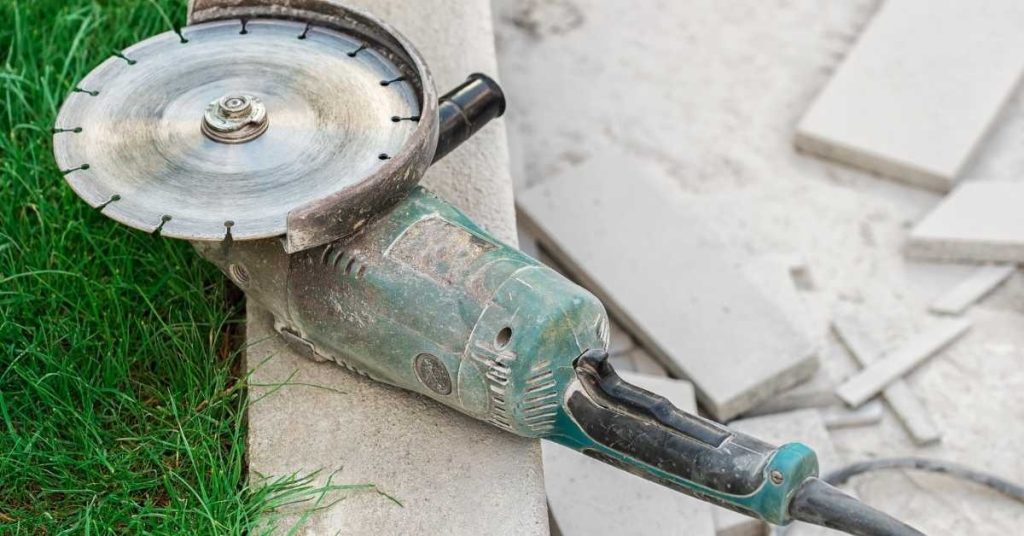
Introduction
Cutting concrete without chipping edges means making clean, controlled cuts by scoring first, supporting the cut edge, and maintaining steady blade control. In practice, plan your score line, use light, steady passes, and let the blade do the work without forcing it. Always verify that your blade and tool are suitable for the concrete you’re cutting and follow local rules.
Choose the right diamond blade for your material and task, and consult the label and manufacturer instructions for depth limits and safety notes. Use clamping guides, scoring tools, or saw guides to keep your line true and prevent edge chipping. If unsure, check product instructions or local regulations and start with a shallow pass to gauge behavior before committing to a full cut.
Key takeaways
- Choose the right diamond blade for concrete type and cut depth, follow labels.
- Score cuts with a light pass first to minimize edge chipping.
- Use proper blade guards, PPE, and dust control measures before starting any cut.
- Wet cutting can reduce dust and cool blade; check water supply and drains.
- Securely fixturing near edges or joints prevents blade drift and cracking.
- Inspect blade for cracks or missing segments; replace if glazing appears.
Table of Contents
- Introduction
- Key takeaways
- Planning the Cut and Selecting the Right Blade
- Tools and Materials Checklist
- Scoring Cuts and Edge Protection Techniques
- Blade Control and Saw Operation for Precision
- Wet Vs Dry Cutting: Techniques and Dust Control
- Support, Fixturing, and Cutting Near Edges or Joints
- Safety, PPE, and Site Considerations
- Common Mistakes, Troubleshooting, Maintenance, and Cost-Efficiency
- Conclusion
- FAQ
Planning the Cut and Selecting the Right Blade
Define the intended cut clearly, distinguishing between straight score cuts and full-depth cross-cuts. Note depth limitations and any required start or stop specifics for your project. Always verify machine capabilities before proceeding.
Inspect the concrete to confirm reinforcement presence, aggregate hardness, and any coatings that affect blade choice. Choose blade type based on material and method, including segmented versus continuous rim diamonds and specialty blades for reinforced concrete or adjacency to tile. Check blade labeling and manufacturer guidance for material compatibility, maximum RPM, and wet/dry suitability. Plan cooling, scoring first, and how you’ll minimize edge chipping. Ensure your machine is compatible and that you’ve got proper safety steps in place, including a test cut on scrap to dial in technique.
Types of diamond blades for concrete
Choosing the right diamond blade is crucial for clean cuts and longevity. Here are three common types:
Segmented Blades: These have diamonds set in segments, allowing for better heat dissipation and cooler cutting. They’re great for general-purpose use.
Turbo Blades: Turbo blades have larger diamonds and more aggressive segmentation, making them ideal for harder concrete or faster cuts. However, they may wear out quicker.
Continuous Rim Blades: These have diamonds set continuously around the rim, providing a smoother cut but less heat dissipation. They’re good for softer concrete or where a smooth finish is needed.
Matching blade choice to concrete condition
The condition of your concrete affects which blade works best:
Aggregate Size: Smaller aggregate needs a finer blade, while larger aggregate requires a coarser one. Check the blade’s label for suitable aggregate size.
Rebar or Wire Mesh: If you’ve got reinforcement, use a wet cutting method with a blade designed for reinforced concrete. These blades have larger diamonds to cut through rebar.
Wet vs Dry Cutting: Wet cutting keeps the blade cool and reduces dust. Use it for harder concrete or when cutting near finishes like paint or tile. Dry cutting is faster but generates more dust.
Tools and Materials Checklist
Identify and categorize essential tools such as wet/dry concrete saws, angle grinders with diamond blades, and specialty guides or rails for straight cuts. Consider blade types like continuous rim versus segmented blades and note any needed accessories for straight cuts.
Discuss guides, templates, and supports like straightedges, masonry rulers, clamps, sacrificial backer boards, and stabilizing materials such as sandbags. List cooling or lubrication options, dust collection methods, and spare blades with correct ratings. Verify tool ratings and compatibility with saws, and keep safety gear on hand. Consider practice cuts on scrap and plan to score before full-depth cuts to reduce edge chipping.
Saw types and accessories
Choose the right saw for your job. Here’s a checklist to help you.
- Handheld cut-off saw: Lightweight, portable. Use for small cuts, tight spaces.
- Walk-behind saw: Heavy-duty, deep cuts. Ideal for large slabs, thick concrete.
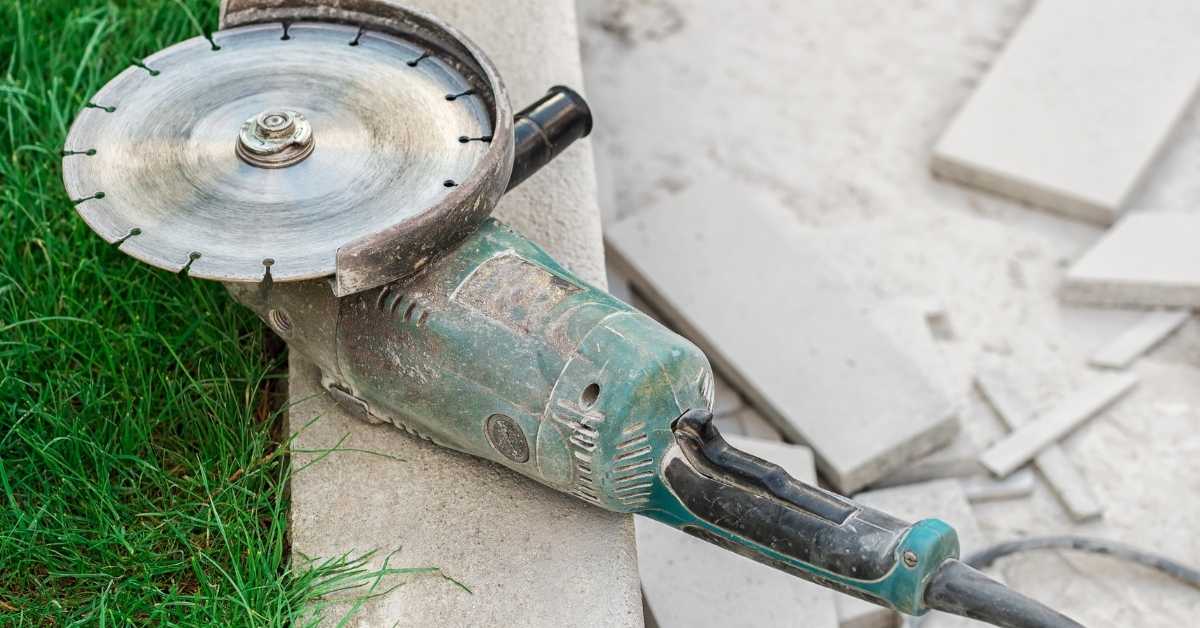
- Angle grinder with diamond blade: Versatile, easy to maneuver. Great for curves, edges.
- Table or track saw setup: Precise, straight cuts. Use for long, accurate lines.
- Guide rails: Ensure straight cuts. Attach to saw, keep steady.
- Dust shroud: Collects dust. Reduces mess, improves visibility.
- Diamond blade (dry-cut): For dry cutting. Check RPM rating matches saw.
- Diamond blade (wet-cut): For wet cutting. Use with water delivery system.
Quick rule: Match the saw to your cut’s size and complexity. Always use a suitable diamond blade.
Consumables and setup items
Gather these consumables and setup items for smooth, chip-free cuts.
- Water delivery system: For wet cutting. Keep blade cool, lubricated.
- Tape or sacrificial backing: Protects edges from chipping. Apply along cut line.
- Clamps: Secures work. Prevents movement during cutting.
- Straight edge (masonry ruler): Ensures straight cuts. Align with cut line, use as guide.
- Sandbags or clamps for stability: Supports slab. Reduces kickback, maintains alignment.
- Spare blades: Have extras. Replace worn-out blades to maintain cut quality.
- Dust collection (vacuum): Clears dust. Improves visibility, reduces cleanup.
- Blade life indicators: Check for wear. Rotate blades to even out use.
Quick rule: Always have spares and setup items ready. They ensure smooth cuts and prevent downtime.
Scoring Cuts and Edge Protection Techniques
Define the purpose of a score cut as a controlled weak line to guide a full-depth cut and reduce edge breakout near edges and corners. Use scoring where appropriate to manage control joints or short cuts, and in scenarios where a full-depth cut needs to be broken into passes.
Explain the technique of a shallow initial pass to minimize chipping and create a precise guide for subsequent cuts. Outline blade and tool considerations, including thin-kerf or segmented diamond blades, correct depth setting, and a steady feed rate. Provide step-by-step guidance on alignment, steady movement, depth progression, and post-score checks for a clean, straight path.
Step-by-step score cut method
Learn the precise sequence to create a controlled weak line, minimizing edge breakout.
- Mark your cut line clearly and accurately. This is your guide for the entire process.
- Support the concrete on both sides of the cut line using sturdy materials like 2x4s or adjustable saw horses. This prevents the slab from flexing and cracking.
- Make a shallow, guided pass along the marked line using a thin-kerf diamond blade set to the correct depth. Keep your feed rate consistent to prevent chatter.
- Inspect the edge after each pass. If you see any signs of chipping or unevenness, adjust your technique and try again.
- Deepen your cuts in controlled increments, never more than 1/4 inch at a time. This allows you to monitor progress and prevent excessive breakout.
- After each deeper pass, inspect the edge again. If you see any signs of stress or cracking, stop immediately and consult a professional.
Edge backing and sacrificial supports
Backing options like support blocks, strips, or tape hold the concrete edge in place, preventing chipping during final passes. These materials absorb the cutting force, protecting your edges.
Support blocks are ideal for larger cuts where you need to distribute weight evenly. They should be placed directly under the cut line and secured if necessary.
Sacrificial strips or tape can be used for smaller cuts or where precision is needed. Apply them along the cut line, pressing firmly to ensure a good bond.
Remember, these supports are not a guarantee against chipping. They’re an extra precaution to minimize risk. Always use proper cutting techniques and monitor your progress closely.
Blade Control and Saw Operation for Precision
Discuss blade engagement and how to start at an optimal angle while maintaining a steady cutting depth. Keep the blade in consistent contact with the concrete to reduce micro-fractures along the edge.
Control feed rate and rhythm to prevent bogging or glazing, and maintain a smooth, uninterrupted motion to minimize chipping. Emphasize keeping the saw speed and vertical alignment consistent, and avoid lateral wiggle that widens kerfs or causes tear-out. Recommend using backer material to absorb vibration and support the cut, and remind readers to consider a scoring step as a guide to the full-depth cut. Practice on scrap to dial in your technique and evaluate edge quality.
Controlling Feed Rate and Depth Progression
Cutting concrete cleanly is all about control. You want to avoid sudden movements, excessive force, or too much speed.
Start slow. Feed the blade into the concrete at a steady pace. Too fast, and you’ll overheat the blade, cause it to glaze up, and maybe even break. Too slow, and you’ll bog down the blade, causing it to skip and chip.
Incremental depth is key here too. Don’t try to cut all the way through in one pass. Make a shallow score first, then come back with deeper passes until you’re through. This lets you control heat buildup and reduces vibration, keeping your edges clean.
Using Guides, Fences, and Sleds for Straight, Chip-Free Cuts
Keeping your cut straight is half the battle. That’s where guides, fences, and sleds come in.
A guide helps keep your saw perpendicular to the surface. It’s just a simple fence that rides along the edge of your work piece. A fence, on the other hand, is a longer guide that runs the length of your cut, helping you maintain a straight line.
A sled is like a portable table with guides built in. It’s great for cutting large pieces or irregular shapes. These tools distribute cutting forces evenly, reducing vibration and minimizing edge damage. They also help keep your blade aligned, ensuring a clean, chip-free cut.
Wet Vs Dry Cutting: Techniques and Dust Control
Describe core differences in edge quality, dust generation, blade life, and noise between wet and dry cutting. Provide quick guidance on when each method shines, without prescribing exact conditions.
Cover dust control and safety, including water containment, local exhaust, and PPE considerations for indoor versus outdoor work. Remind readers to follow manufacturer recommendations for blade type, RPM, water supply, and maintenance. Include a decision framework based on site constraints like water access, drainage, ventilation, and sediment concerns, and share best practices to minimize edge damage during starts, stops, and transitions.
Best practices for wet cutting
Wet cutting is your best bet for a clean, chipping-free edge. Here’s how to do it right:
Proper water delivery: Use a constant water supply connected to your saw. The water should hit the blade just before it touches the concrete. Too much water can create a mess and affect slurry management.
Wet cuts reduce dust by 90% compared to dry cutting. This makes for a cleaner work environment and less cleanup. Plus, the water helps cool the blade, preventing overheating and glazing.
Dry cutting precautions and dust mitigation
Dry cutting is faster but generates more dust. Here’s how to keep it under control:
Dust-control options: Use a HEPA vacuum attached to your saw, or a separate dust shroud with a vacuum. Wear a respirator rated for silica dust.
Operational adjustments: Keep your blade speed within the manufacturer’s recommended range (usually 300-500 RPM). Don’t let the blade sit on the concrete – keep it moving to prevent glazing and overheating.
Dry cutting is ideal for outdoor jobs or well-ventilated indoor spaces. But remember, even with dust control, dry cutting produces more airborne particles than wet cutting.
Support, Fixturing, and Cutting Near Edges or Joints
Highlight the critical role of workpiece support and clamping to prevent flex, wobble, and breakout when cutting near edges, joints, or corners. Include slabs and thin sections as common scenarios that benefit from proper fixturing.
Detail strategies such as sacrificial backer boards, rigid worktables, wedges, clamps, and stop blocks to maintain the cutting line. Address stabilizing small pieces, corners, and jointed panels with temporary supports and staged cuts. Provide practical clamping patterns and safety notes to prevent drift into the blade path, and discuss edge protection techniques like tape or masking to reduce chipping. Verify flatness and alignment before starting.
Temporary supports and clamp setups
Proper support and clamping are crucial when cutting concrete, especially near edges, joints, or corners. They prevent flexing, wobbling, and breakout.
Bridging supports span across the workpiece, distributing weight evenly and absorbing cutting forces. Use 2x4s or other sturdy lumber to create a stable bridge, securing them with clamps or screws.
For thin sections or slabs, use backer boards. They provide additional support behind the cut line, preventing breakout. Secure them tightly against the workpiece using clamps or screws.
Clamping is essential for maintaining cutting line and minimizing movement. Spread clamps evenly along the length of your cut, ensuring they don’t drift into the blade path. Use low-profile or quick-release models for easy adjustment.
Special strategies for edge and corner cuts
Cuts near edges or joints require a gentler touch to avoid chipping. Here are some less aggressive approaches:
Instead of one deep pass, make multiple shallow passes. This reduces the risk of breakout and allows you to check your progress along the way.
For cuts near an edge or joint, use offcut backing. Place a piece of scrap concrete or wood on the waste side of your cut. This supports the workpiece and prevents chipping.
When cutting corners, start your cut away from the vulnerable area. Make your first pass away from the corner, then come back to make your final cut. This reduces the risk of chipping at the corner.
Safety, PPE, and Site Considerations
List required PPE and respiratory protection, including eye/face shields, suitable respirators, hearing protection, cut-resistant gloves, sturdy footwear, and a hard hat if overhead hazards exist. Emphasize proper PPE selection for concrete cutting tasks.
Cover site and utility checks, such as locating utilities, identifying overhead lines, rebar, and obstructions. Assess ventilation, lighting, weather, and bystander safety, and ensure emergency egress is clear. Verify guards and dust control measures, inspect cords and switches, and confirm stability of the cutting setup. Encourage compliance with local regulations and manufacturer safety instructions, plus operator training and any required permits. Include a pre-cut setup and housekeeping checklist to keep the work area safe and organized.
Recommended PPE and Respiratory Protection
Safety starts with the right personal protective equipment (PPE). Here’s what you need:
Eye/face shield: Protect your eyes from flying debris. A full-face shield is best.
Respirator: Concrete dust contains silica, which can cause serious lung damage. Use a dust mask for minor tasks or a P100 respirator for heavy cutting.
Hearing protection: Concrete saws are loud. Wear earplugs or earmuffs to protect your hearing.
Cut-resistant gloves: Protect your hands from blade cuts and vibrations.
Sturdy footwear: Wear boots with good grip and toe protection.
Hard hat: If there are overhead hazards, wear a hard hat to protect against falling objects.
Site Checks, Utility Detection, and Permits
Before you start cutting, check your site for safety:
Utilities: Call ‘before you dig’ services to locate any underground utilities. Use scanning tools to detect hidden reinforcement or utilities in the concrete.
Overhead lines: Identify and avoid overhead power lines with your cutting equipment.
Rebar and concealed obstructions: Look for rebar, pipes, or other hidden obstacles that could damage your blade or cause injury.
Ventilation, lighting, weather, and bystanders: Ensure the area is well-ventilated, properly lit, and free from hazards like rain or snow. Keep bystanders at a safe distance.
Emergency egress: Make sure there’s a clear path to safety in case of an emergency.
Permits and notifications: Check local regulations for any required permits or notifications before you start cutting.
Common Mistakes, Troubleshooting, Maintenance, and Cost-Efficiency
Identify frequent causes of chipping and blade damage such as misalignment, insufficient score depth, blade binding, wrong blade type, excessive feed rate, and overheating. Explain how to recognize each issue early.
Offer fixes and best practices for score cuts, correct blade selection, feed rate, cooling or lubrication where appropriate, and dust control to minimize edge micro-fractures. Describe routine maintenance to extend blade life, including cleaning, storage, arbor checks, and recognizing wear patterns. Provide guidance on when to replace a blade versus resharpen or switch blade type and share cost-efficiency ideas for multi-project runs. Include troubleshooting steps for mid-cut chipping and a quick resuming procedure after a light re-cut.
Diagnosing and fixing chipping problems
Chips in your concrete cuts can point to specific issues. Read the patterns:
- Blade choice: Wrong blade type leaves random chips.
- Feed rate: Too fast causes long, deep chips.
- Support: Insufficient support leads to edge chipping.
- Dull/glazed diamond: Small, frequent chips indicate a worn blade.
Fixes:
- Adjust feed rate for smoother cuts.
- Use proper blade type and maintain it.
- Support edges with temporary braces.
- Replace or dress dull blades.
Blade care, lifespan cues, and cost considerations
Extend blade life with routine care:
- Clean after use.
- Store properly.
- Check wheels and arbor regularly.
- True and dress as needed.
Signs of wear:
- Dullness: Reduced cut quality, vibration.
- Edge chipping: Noticeable loss of edge material.
Cost considerations:
Balance blade cost with cutting speed and finish. Diamond blades last longer but are pricier. Resharpening can save money but may affect performance.
Conclusion
The key to a clean cut without chipping is controlling the process from start to finish: solid edge protection, a steady blade, and disciplined planning that keeps safety first and the appearance intact.
Proceed with a simple, stepwise check: confirm your blade and tool meet the job, map your score line and edge protection plan, set the saw depth and supports, align and clamp securely, choose wet or dry cutting to control dust, then make a slow, even pass with a controlled feed and pauses to inspect. Test in a small area first, and verify each step before moving to the next.
Avoid these common missteps: rushing cuts or forcing the blade, skipping edge protection, neglecting proper support near joints, cutting dry when dust control or water cooling is needed, and skipping PPE or safety stops. Always turn off power before adjustments, keep hands clear of the blade, and stay within the manufacturer’s guidelines for cutting depth and blade speed.
If the job involves structural elements, tight tolerances near joints, large slabs, or uncertain conditions, don’t push ahead alone. A pro can save you time, material, and risk. When in doubt, call for help and finish with confidence, knowing you’ve done the safest, most durable work possible.
FAQ
What are the main types of diamond blades and when should I use each?
There are continuous rim, segmented, and turbo blades. Continuous rims give clean cuts on hard materials like laminate edges; segmented and turbo blades cut faster and run cooler with more dust control. Check the blade label for material compatibility and RPM limits before picking one.
Can diamond blades be used for cutting laminate flooring, and what should I know to prevent chips?
Yes, you can use a diamond blade designed for laminate or engineered wood. Use a scoring cut first, support the board, and run the blade at a steady pace with minimal pressure. Use a kerfing technique and backer boards if needed to reduce chipping on the cut face.
What saw types are best for cutting laminate flooring, and how do I keep the cut neat?
Miter saws, plunge saws with guide rails, and handheld saws with a fine-tooth blade work well for laminate. A stable work surface and a straight edge guide help keep lines true and edges square. Always use the correct blade for laminate and keep the blade sharp.
How durable are diamond blades, and how should I maintain or inspect them?
Diamond blades wear with use; inspect for missing segments and glazing before each job. Sharpening isn’t typical—replace when you notice loss of performance or edge glazing. Follow the manufacturer’s labeling for max cut depth and RPM; don’t run damaged blades.