
Introduction
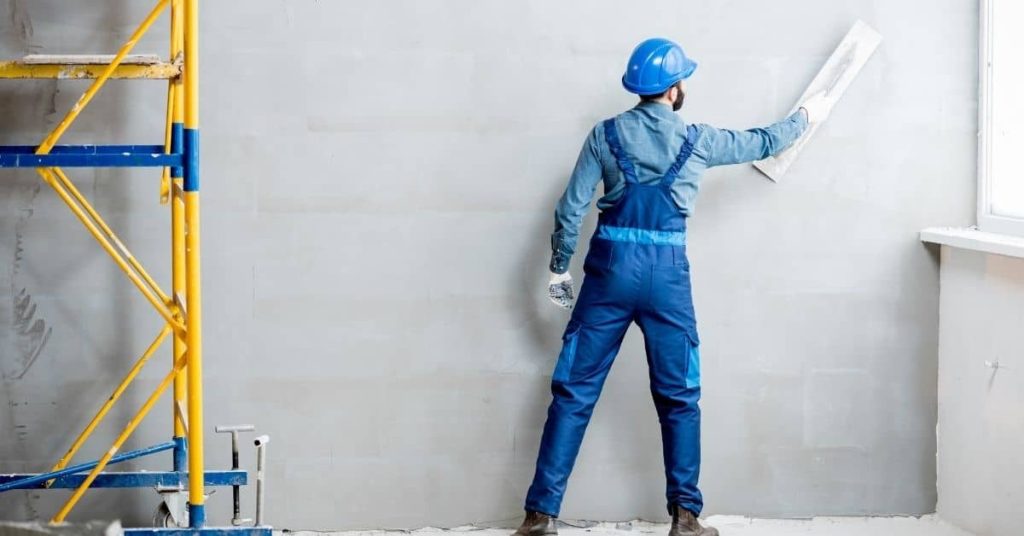
A zero-lap-mark wall is a layout and pour technique that keeps your fresh plaster or skimcoat from drying in visible steps where new material meets old. It means planning your sections and timing so each pass blends into the next while the edge is still workable. This is a hands-on job that needs steady pacing and watching the surface, not a classroom exercise.
Start by breaking the wall into manageable panels that match how quickly you and your helper can finish a pass, and check product directions for pot life and working time. Keep a true wet edge by coordinating mixing, tool setup, and the order you work; when in doubt, slow down, make smaller sections, and check the manufacturer instructions and local rules.
Key takeaways
- Define each section’s wet edge before mixing materials and applying coats.
- Mark true lines for joints and transitions to prevent visible lap marks.
- Keep tools clean and work in consistent strokes toward the wet edge.
- Prime properly and test on a scrap area to confirm bond.
- Maintain a damp, controlled environment to avoid rapid edge drying.
- Safety: wear eye and skin protection; cover adjacent surfaces to prevent staining.
Table of Contents
- Introduction
- Key takeaways
- Understanding Zero-Lap-Mark and Wet Edge Basics
- Pre-Project Planning and Sectioning Strategy
- Tools and Materials Checklist
- Surface Prep and Priming for Zero-Lap Results
- Techniques to Maintain a True Wet Edge
- Section Joining Methods to Avoid Lap Marks
- Visual Checkpoints and Quality Control During the Job
- Troubleshooting, Common Mistakes, and Remediation
- Conclusion
- FAQ
Understanding Zero-Lap-Mark and Wet Edge Basics
Explain what a zero-lap-mark finish is: an invisible transition between painted sections with no visible overlap lines, and what a true wet edge means: fresh paint that is still workable at the boundary so new paint blends seamlessly. These are the two fundamentals that produce a uniform wall appearance rather than patchy or striped results.
Describe why they matter for an invisible, consistent wall finish: inconsistent sheen, texture, or color at section joins draws the eye and reveals work seams. If product behavior matters for achieving these conditions, check the paint label or product data sheet for guidance on open time and flow characteristics.
What is a zero-lap-mark wall?
A zero-lap-mark wall is one that has no visible lines where the paint overlaps. It’s achieved by maintaining a ‘wet edge’ while painting.
The idea is simple: keep each new stroke of your roller or brush within the area that’s already wet with paint, so there are no dry edges to overlap and create visible lines.
This technique ensures an invisible, consistent sheen across the entire wall.
Why wet edge matters for seamless finish
The ‘wet edge’ method works because of how paint dries and forms a film. When you overlap dry paint, it doesn’t blend smoothly with the underlying layer.
Instead, it creates a visible line, or lap mark, where the two layers meet. This is because the dry paint absorbs more of the new paint’s solvent, causing it to look different in sheen and sometimes even color.
Maintaining a wet edge ensures that each stroke blends seamlessly with the previous one, creating an invisible, consistent finish.
Pre-Project Planning and Sectioning Strategy
Plan the job by walking the space and identifying wall geometry, light sources, and viewing angles so you can decide which areas are most visible and require single-pass attention. Look for interruptions like doors, windows, or corners that force section boundaries and plan section sizes that match your pace and equipment reach.
Account for equipment access, crew positioning, and staging so you can maintain a wet edge across each planned section; if you’re unsure about recommended section widths or timing, consult the manufacturer instructions or product technical sheet. Mark logical section lines on the wall or floor to keep everyone coordinated before you open any cans.
Assessing room layout and lighting
The first step is to understand your room’s geometry. Windows, doors, corners, and trim all impact section size.
Lighting matters too. Natural light from windows helps you see lap marks clearly. Artificial light can help in darker rooms but might not show lap marks as well.
Tip: Work during the day if possible to rely on natural light.
Divide wall into workable sections and calculating area
Divide your wall into sections based on how long paint stays workable. Most paints have a 2-4 hour open time.
Each section should be no wider than you can paint continuously before the paint starts to dry out. Aim for around 8-10 feet wide per section.
To estimate paint needs, calculate your wall’s area and divide by the coverage rate of your chosen paint. Check the product data sheet for this info.
Sequencing for single vs multiple painters
If you’re painting solo, work in small sections to keep a continuous wet edge. Start at the top of your wall and work downwards.
For small teams, coordinate strokes and section order. Painter A starts at the top left, Painter B follows on the right, then they meet in the middle. Switch sides for the next section.
Tip: Keep a consistent stroke direction to avoid visible lap marks.
Tools and Materials Checklist
List tools and materials organized by task: surface prep (cleaners, sandpaper, patching compound), priming (appropriate primer), and application (rollers, tray, extension pole, angled brushes, and a hawk or grid). Include quality items that influence laydown and leveling because consistent delivery reduces lap marks.
Note why each item matters for avoiding lap marks—roller nap and cover affect texture, brushes handle cut-in control, and proper trays or pots keep a steady paint load. If a product attribute is critical, check the product label or technical data for recommendations on nap size or compatible substrates.
Recommended tools by task (rollers, brushes, poles)
Use this checklist before starting each painting task to ensure you have the right tools for a smooth and professional finish.
- Paint roller covers: Check nap thickness. For smooth surfaces like walls, use 3/8″ or 1/2″. For textured surfaces, use 3/4″ or 1-1/2″.
- Edging brushes: Ensure they’re angled (1.5″ to 2.5″) for cutting in along edges and trim.
- Extension poles: Use if you have high ceilings or need to reach without ladders. Check length matches your height and reach requirements.
- Paint roller frame: Ensure it’s sturdy, fits the roller cover, and has a comfortable handle for easy maneuvering.
- Paint tray: Use one with deep wells (1.5″ to 2″) and liners for easy cleanup. Check it holds enough paint for your working area.
- Paint brushes: For touch-ups or small areas, use a 2″ or 2.5″ angled sash brush with synthetic bristles.
- Sandpaper (optional): Have 120-grit sandpaper for lightly sanding surfaces before painting to improve adhesion and finish.
- Painter’s tape: Use blue or green tape for clean edges. Check it’s not too old; if the adhesive is hard, replace it.
Quick rule: Always match your tool selection to the surface texture and paint type to avoid streaks, drips, or poor coverage.
Paint selection and material specs explained
Before you start painting, use this checklist to ensure your paint and materials are up to the task. This will help you avoid common mistakes that can lead to expensive rework.
- Sheen level: Check the sheen level on the paint label. It should match your desired finish (flat, eggshell, satin, semi-gloss, high-gloss).
- Flow and leveling: Shake the can and pour some paint into a tray. Run your finger through it. The paint should flow smoothly without leaving lines or streaks.
- Open time: Check the manufacturer’s technical data sheet for open time. This is how long you have to work with the paint before it starts to set. It affects wet-edge performance.
- Coverage: Estimate your surface area and check the coverage rate on the paint can. Make sure you have enough paint for two coats.
- Primer type: If using a primer, ensure it’s compatible with your paint and surface type (oil-based, latex, etc.).
- Paint brush quality: Inspect your paintbrushes. The bristles should be tightly packed and uniform. A poor-quality brush can leave streaks or miss spots.
- Roller cover type: Match the roller cover to your surface (smooth, textured, etc.). Check for even nap length and no loose fibers.
- Paint condition: Before starting, stir the paint thoroughly. Check for any lumps or inconsistencies that could clog your brush or roller.
Quick rule: Always check the manufacturer’s technical data sheet for specific product information and guidelines to ensure you’re using the right materials for your project.
Consumables and masking materials
Before you start painting, use this checklist to ensure you have all the consumables and masking materials needed. This will help you work faster and prevent costly rework.
- Drop Cloths: Check they’re large enough to cover your entire work area. A standard size is 9′ x 15′, but measure your space to be sure.
- Painter’s Tape: Ensure it’s blue or green (not yellow, which can leave residue). Test a small piece on your surface to confirm it sticks well but peels off easily.
- Plastic Sheeting: Inspect for tears or holes. It should be thick enough to protect surfaces from paint (at least 2-4 mils).
- Masking Paper: Check it’s the right size and type for your job. For trim, use narrow paper; for walls, wider rolls are better.
- Mixing Sticks: Make sure they’re long enough to reach the bottom of your paint bucket or tray (usually 12-18″).
- Roller Covers: Confirm they match your roller frame’s size and nap length. A common size is 9″ with a 3/8″ or 1/2″ nap.
- Brushes: Check bristle quality (natural or synthetic) matches the paint type you’re using. Brush sizes should be appropriate for your job (e.g., 2-4″ for trim, 9″ for walls).
- Sandpaper or Sponge: Ensure you have these for lightly sanding surfaces before painting to improve adhesion and finish.
Quick rule: Always check your consumables and masking materials before starting a job. Skipping this can lead to damaged surfaces, poor paint adhesion, or extra work.
Surface Prep and Priming for Zero-Lap Results
Explain surface preparation steps: clean the wall of dust and contaminants, repair dents and holes, sand glossy areas to a keyed surface, and ensure loose paint is removed so the new coating bonds uniformly. Uneven absorption or gloss differences are common causes of lap marks, so aim for consistent substrate condition across sections.
Discuss priming choices that help even out porosity and sheen and reduce the chance of visible joins—select a primer compatible with your topcoat and substrate. If drying times or recoat windows affect your sectioning plan, confirm them on the primer’s technical datasheet or manufacturer instructions.
Repairing, Sanding, and Cleaning
Before you start painting, it’s crucial to prep your walls properly. This means filling any holes or cracks, sanding for a smooth finish, and cleaning off any dirt or grease.
Filling: Use spackling compound for small holes and joint compound for larger ones. Let it dry, then sand flush with the wall.
Sanding: Sand the entire surface lightly to create a consistent profile. This helps paint lay on evenly and reduces the risk of lap marks.
Cleaning: Wipe down walls with a damp cloth to remove any dirt, grease, or dust. Let them dry completely before painting.
Primer Selection and Application Tips
Priming is essential for achieving a seamless finish with no lap marks. It helps paint adhere better, improves coverage, and enhances the final sheen.
When to Prime: Always prime new drywall or bare surfaces. For existing walls, prime if they’re porous, stained, or you’re changing colors drastically.
Primer Types: Use a primer that matches your topcoat’s sheen for best results. For example, use a flat primer under a flat paint.
Application Tips: Apply primer evenly with a roller or brush, working in small sections. Don’t let it dry too quickly by overbrushing or applying in extreme temperatures. Let it dry according to the manufacturer’s instructions before painting.
Techniques to Maintain a True Wet Edge
Describe core application techniques: load the roller evenly without overloading, work in a consistent pattern, and maintain a continuous wet boundary by working from wet areas into the next wet area rather than allowing edges to dry. Keep stroke length and pressure consistent so texture and sheen stay uniform.
Cover rolling and brush tips like keeping a short nap for smooth walls, feathering the roller at section ends, and keeping a wet-tip by overlapping slightly into the still-wet paint. For product-specific handling (open time, flash times), check the paint manufacturer instructions or product data sheet.
Proper loading and roller technique
Start by dipping your roller into the paint tray, ensuring it’s fully submerged. Lift it out and roll it back and forth on the grid to remove excess paint.
You want a consistent film of paint on the roller cover, not too much or too little. Too much will result in drips and runs, while too little won’t provide adequate coverage.
Apply even pressure when rolling the paint onto the wall. Don’t press too hard; let the weight of your arm do most of the work. This helps maintain an even film and prevents over-application or under-application of paint.
Timing, overlap, and stroke patterns
When painting a wall in sections, start at the top and work your way down. This allows you to cut-in with a brush first, then roll out the section below it before moving on.
Overlap each new section by about 2-3 inches onto the previously painted area. This helps blend the two sections together seamlessly. Make sure to do this while the paint is still wet for best results.
Use a ‘W’ or ‘M’ stroke pattern when rolling. Start at the top of your section, roll down in a straight line, then make a ‘W’ shape as you move across horizontally. This helps distribute the paint evenly and prevents streaks.
Working with different paint types and environmental adjustments
Waterborne paints have a shorter open time than solvent-borne ones. This means you need to work faster with waterborne paints, overlapping sections more quickly.
Temperature and humidity also affect working time. In hotter temperatures or higher humidity, paint dries faster. You’ll need to adjust your technique accordingly, working quicker and overlapping more.
Conversely, in cooler temperatures or lower humidity, paint takes longer to dry. You can afford to take a bit more time with each section, but still ensure you’re overlapping while the paint is wet.
Section Joining Methods to Avoid Lap Marks
Present joining methods such as planned overlap where you bring the new pass slightly into the previous wet area, controlled feathering to taper film thickness without creating a ridge, and timing joins so the first section is still workable when you meet it. Choose a method that fits your skill level and the paint’s working time.
Explain coordinated overlap with a partner or helper when working large walls—one person can keep the wet edge while the other follows with smoothing and blending. If you need specific guidance on acceptable overlap widths or tool technique, consult the paint manufacturer’s technical guidance or product instructions.
Feathering and blending edges
To avoid lap marks, you need to control the paint’s thickness at the edge of each pass. Here’s how:
Start your stroke about an inch away from the wet edge. Then, as you approach the edge, lighten pressure and let the roller barely kiss the surface.
Once you’ve reached the edge, turn back into the wet area, working backwards to blend the paint. This helps equalize film thickness and softens the join.
Back-rolling and cross-rolling strategies
Back-rolling and cross-rolling are techniques to level pile marks and integrate newly laid paint with existing wet edges.
Back-rolling involves rolling backwards over the just-painted area, starting about an inch from the wet edge. This helps level any raised nap and ensures a smooth finish.
Cross-rolling, on the other hand, is done at a 90-degree angle to the previous stroke. It’s useful when you’re working with different paint types or need extra blending. Start about an inch from the wet edge and roll across it.
Visual Checkpoints and Quality Control During the Job
Provide simple checkpoints to run as you work: view the wall from normal sight lines and in the lighting conditions that’ll be used most, look for sheen shifts, texture differences, or striping where sections meet, and keep a consistent inspection rhythm after completing each section. Early detection lets you correct while paint is still wet.
Describe a short inspection routine: step back to eye level, change viewing angles, and use a handheld light if needed to reveal subtle differences; mark any areas that need immediate blending. For final acceptance criteria or gloss comparisons, refer to product literature or local finishing standards if you’re unsure what’s acceptable.
How to spot developing lap marks and quick fixes
Use this checklist while painting to catch lap marks early. Timing is crucial here; don’t wait for the paint to set.
- Checkerboard pattern: Looks like a checkerboard. Re-roll immediately with a loaded roller.
- Dark lines: Darker lines appear where two wet edges meet. Blend with a brush while wet.
- Uneven sheen: Sheen changes indicate overlapping. Re-roll or blend.
- Raised edges: Edges that look higher than the rest signal overlap. Flatten with a soft brush.
- Dry spots: Dry spots between wet edges mean you’ve overlapped. Re-wet and re-roll.
- Feathering lines: Feathery lines at the edge indicate lap marks. Blend with a loaded brush.
- Cobblestone effect: Looks like cobbles. Re-roll or blend immediately.
- Uneven drying: Uneven drying indicates overlap. Re-wet and re-roll.
Quick rule: If you see any of these, act fast while the paint’s still wet to avoid permanent lap marks.
Inspection checklist per section
Use this checklist at the end of each section to ensure quality and catch any issues early.
- Wet edge continuity: Check for consistent wet edges. Inconsistencies mean you’ve lapped.
- Sheen uniformity: Ensure sheen is even across the entire section. Unevenness signals overlap.
- Edge blending: Check edges for proper blending. Poor blending indicates lap marks.
- Tool marks: Look for roller or brush marks. Remove with a soft brush while wet.
- Drips and runs: Inspect for drips or runs. Touch up immediately if found.
- Missed spots: Check for any missed areas. Touch up as needed.
- Cissing (loss of coverage): Look for thin, patchy coverage. Repaint these areas.
- Orange peel texture: If present, it’s usually due to incorrect application technique or paint type. Re-roll if possible.
Quick rule: Regular inspections help maintain a high-quality finish and prevent costly rework.
Troubleshooting, Common Mistakes, and Remediation
List common causes of lap marks such as working too slowly, overworking edges after they have started to set, inconsistent roller loading, and changing pressures or nap mid-job. Point out that many issues can be prevented by adjusting technique, section size, or timing rather than by changing materials mid-project.
Offer practical remedies during application (rework immediately while wet by reblending) and after drying (light sanding and spot-priming before recoating), and advise checking product label or manufacturer guidance for whether the paint can be reworked or requires a full recoat. If you’re unsure which corrective path is required for your product, consult the technical data sheet or manufacturer support.
Fixing lap marks after paint has dried
First, let’s assess the damage. Inspect the area under good lighting to see if it’s just a minor issue or something more serious.
If it’s minor, spot sanding might do the trick. Gently sand the area with fine-grit sandpaper, following the grain of the paint. Be careful not to sand too hard and damage the paint further.
For larger areas or deeper marks, you might need to feather-sand. This involves tapering the sanding from the defect outwards onto the surrounding area. Again, be gentle and go with the grain.
If the lap mark is severe, it’s best to consult the paint manufacturer’s guidelines before attempting any aggressive fixes. They might recommend a full recoat or a different approach altogether.
When to recoat vs sand and repaint
The decision to recoat or fully correct depends on the extent of the defect, the condition of your substrate, and what the paint manufacturer recommends.
For minor lap marks, a simple recoat might be enough. Just make sure you’re using the same type and color of paint, and that the surface is clean and dry.
However, if the lap marks are severe or widespread, sanding and repainting may be necessary. This ensures a smooth, even finish. Remember to follow proper sanding techniques to avoid creating more issues.
Always check with the paint manufacturer’s guidelines before making any decisions. They know their product best and can provide tailored advice for your specific situation.
Conclusion
The core idea is simple: finish with a true wet edge and tight, clean joints, and the result will look professional, hold up longer, and stay safe. Prioritize proper prep, steady technique, and careful checks so you don’t waste material or cause damage.
Proceed with a steady workflow: confirm the plan and sectioning, prep the surface and prime as required, mix and apply following the product’s instructions, work in clearly defined sections, maintain a consistent wet edge, join sections cleanly, wipe spills promptly, and test a small area first before scaling up.
Avoid these common traps: starting too large a section and losing the wet edge, dragging dry material into the seam, skipping primer or proper surface prep, and failing to recheck joints as you work. Always wear eye and respiratory protection, keep a safe work area, follow ladder and tool safety, and test compatibility on a hidden patch before wide use.
If you hit stubborn moisture, structure concerns, or behind-wall conditions you can’t safely assess, call a professional. When in doubt, inspect the substrate and edge conditions first and don’t push past a point where a simple test or corrective patch will do. Stay deliberate, stay safe, and you’ll see durable, professional results.
FAQ
What factors influence how quickly a wall sets when you’re minimizing lap marks?
Watch the mix consistency, temperature, and humidity. Work in small sections and keep a wet edge on each pass. If the surface starts to drag, stop and adjust properly before continuing.
How do I know I’m creating a true wet edge without overworking the material?
Go by feel and visual cues, not timers. Tip the trowel and keep the edge smooth and shiny as you move. Don’t jade the surface by pushing too hard or scraping back over dry patches.
What’s the safest way to handle tools and cleanup to avoid staining or weak joints?
Keep tools clean and wet with the same mix you’re applying. Clean spills promptly and rinse tools often. Don’t let old material dry on tools; it makes the next pass rough.
If I see a potential lap line while working, what quick fixes can I use without compromising the wall?
Pause, re-wet the edge, and feather the area with controlled passes. Don’t pile more material on top; blend it out with light strokes toward the wet edge. Check the next area to maintain a consistent finish.