
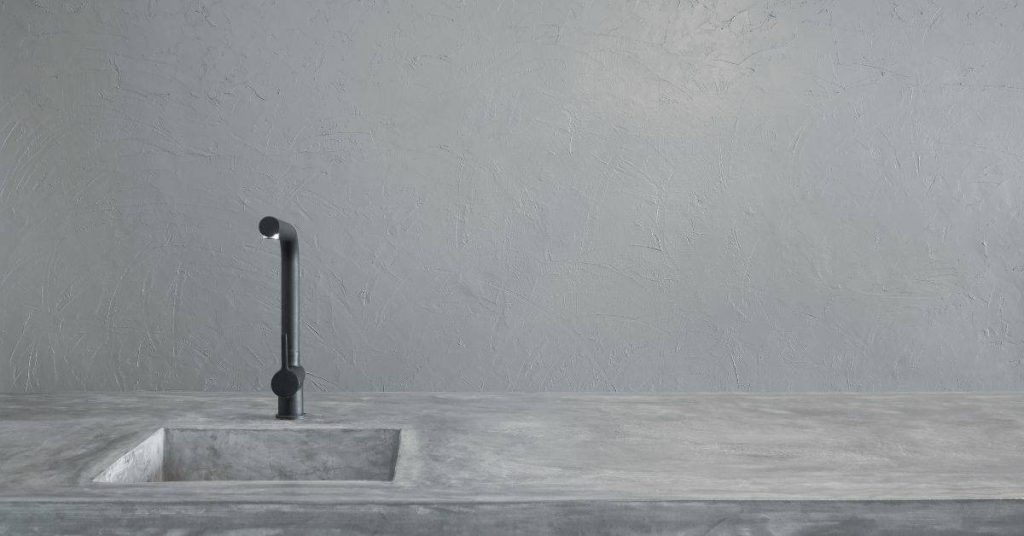
Introduction
Rebar shadowing on thin countertops happens when embedded metal rebar or mesh shows through the surface. This article explains practical ways to prevent that by using proper cover, pigment strategy, and sealing steps. Always verify manufacturer instructions and local rules for materials and installation before you start.
Cover techniques focus on keeping the metal fully buried and well away from the edge of the countertop. Pigmentation can help mask any slight shadows, and a good seal helps protect the surface, but check labels for compatibility with your material and climate.
Key takeaways
- Understanding rebar shadowing on thin countertops and its visual impact.
- Use appropriate covers, sleeves, and spacers to prevent shadow lines.
- Pigment and color strategies to mask shadows without compromising strength.
- Sealers with UV resistance and compatibility to reduce shadowing effects.
- Plan design and rebar layout early to minimize shadow risk.
- Safety: follow PPE, ventilation, and local codes; consult pro when unsure.
Table of Contents
- Introduction
- Key takeaways
- What Rebar Shadowing Is and Why It Matters
- Planning and Design to Minimize Shadow Risk
- Rebar Placement Techniques for Thin Countertops
- Rebar Covers, Sleeves, and Spacers
- Pigment and Coloring Strategies to Mask Shadows
- Sealing and Finishing to Prevent and Reduce Shadowing
- Troubleshooting, Repairs, and Remediation
- Safety, Costs, and Tools Checklist for Diyers and Pros
- Conclusion
- FAQ
What Rebar Shadowing Is and Why It Matters
Rebar shadowing is a visible tracing of reinforcement through thin concrete countertops. You’ll see dark bands, ghosted lines, and irregular shading along the surface. These cues signal where the metal sits beneath the finish and how close it is to the surface.
Thin slabs amplify this effect because there is less paste cover and closer proximity to the reinforcement. Edge proximity, mesh spacing, and rebar placement can all contribute to pronounced shadowing. Distinguishing shadowing from staining, efflorescence, or air pockets helps you gauge whether issues are cosmetic or structural concerns.
Causes of shadowing
Rebar shadowing in thin concrete countertops happens when light passes through the concrete and gets reflected or absorbed by the rebar, creating visible lines or discoloration.
The closer the rebar is to the surface, the more pronounced the shadowing. In thin countertops, this proximity amplifies the effect due to limited paste cover.
Mix and finish factors also play a role. A consistent mix with proper aggregate grading helps minimize shadowing. A smooth finish reduces light reflection, making shadows less noticeable.
Visual checkpoints and early detection
Inspect your countertops for rebar shadowing as soon as the concrete is poured and again after it has cured. Early detection helps prevent costly repairs.
- Check under raking light: Inspect the countertop at an angle to see any shadows cast by the rebar.
- Compare shaded vs. sunlit areas: Look for consistent discoloration or lines that follow the rebar pattern.
- Photograph for reference: Take pictures of suspected shadowing areas to document their appearance and location.
- Check embedment depth: Ensure the rebar is at the specified depth. If it’s too close to the surface, shadows will be more pronounced.
- Inspect for cracking patterns: Hairline cracks aligned with reinforcement can indicate shadowing issues.
- Check edge/overhang behavior under load: Apply gentle pressure on edges and overhangs to see if they behave differently than the rest of the countertop, indicating potential structural concerns.
- Look for visible grout/cement paste near rebar: This can indicate insufficient cover or improper finishing.
- Compare with supplier/spec sheets: Ensure your countertops meet the specified embedment depth and cover requirements.
Quick rule: If you notice any of these issues, document them and consider professional assessment or overlay repair to maintain the quality and longevity of your countertops.
Planning and Design to Minimize Shadow Risk
Start planning with both structural and aesthetic goals in mind. Define the countertop thickness, reinforcement approach, and how they interact to minimize visible shadow lines. Seek sign-off from the engineer and manufacturer guidance before finalizing layouts.
Think about reinforcement placement and cover to keep shadows away from the surface. Consider recessed or concealed reinforcement strategies where practical and compatible with pigment plans. Plan pour sequence and formwork to avoid abrupt shadow breaks from joints or transitions.
Rebar placement planning and clearances
The key to avoiding shadowing is careful planning of rebar layout. Start by determining the required reinforcement based on structural needs.
Cover depth: Aim for a minimum cover of 2 inches (50mm) from the top of the slab to the rebar. This helps prevent shadows caused by close proximity to the surface. Always confirm this with your product or engineer specs.
Routing: Plan bar routing to avoid sharp turns near the surface. Straight, smooth paths minimize shadow lines.
When to choose alternative reinforcement
While rebar is standard, thin countertops may benefit from alternatives to reduce shadowing risk.
Fiberglass Reinforced Polymer (FRP) or Fiber Reinforcement: These options can provide strength without the visual impact of steel bars. They’re ideal for thin sections where minimal visibility is crucial.
Welded Wire Mesh: This can be a good compromise between strength and visibility, but it may still cast shadows if not properly planned and placed.
Common planning mistakes to avoid
To minimize shadowing issues, steer clear of these common planning pitfalls:
- Insufficient cover: Not providing enough distance between the rebar and the surface can lead to prominent shadows.
- Last-minute design changes: Late adjustments can disrupt careful planning and increase shadowing risk.
- Ignoring finish thickness: Not accounting for the final countertop thickness in reinforcement planning can result in unexpected shadows.
- Poor formwork quality: Inconsistent or low-quality forms can cause visible lines and shadows.
Regularly review your plans, consult with experts, and maintain open communication to avoid these mistakes.
Rebar Placement Techniques for Thin Countertops
Establish a practical grid and spacing pattern to reduce visible shadows, and align with the countertop thickness and edge detail. Keep the bars centered enough to stay below the surface during pour and cure. Verify consistency before the concrete sets.
Use secure anchoring methods suitable for thin slabs, such as epoxy-coated rods with two-way anchors, mechanical clips, or wire ties. Handle pre-bending and threading with spacers to avoid high points near the surface. Check levelness with a straightedge or laser/spot level before pours.
Positioning, supports, and anchoring best practices
To keep rebar from showing through thin countertops, proper positioning and secure anchoring are crucial. Use supports like chairs or blocks to maintain the desired spacing and depth.
Epoxy-coated rods with two-way anchors work well for thin slabs. They provide grip and prevent movement during vibration or pouring. Ensure anchors are securely fastened to the formwork before placing rebar.
Tie rebar using wire ties or mechanical clips at regular intervals, like every 12-18 inches. This keeps bars aligned and prevents them from shifting out of plane.
Routing and bending strategies
Bending rebar correctly helps avoid high points near the surface. Use a rebar bender or hydraulic press to create smooth, consistent bends. Pre-bend bars before placing them in the formwork.
Route reinforcement runs so they don’t line up directly beneath visible flat areas or thin edges. Stagger or step rebar runs like you would with bricklaying patterns to distribute shadows evenly and minimize their visibility.
Thread bars through formwork holes or use spacers to maintain consistent depth and prevent high points. Verify levelness using a straightedge and laser/spot level before pouring concrete.
Rebar Covers, Sleeves, and Spacers
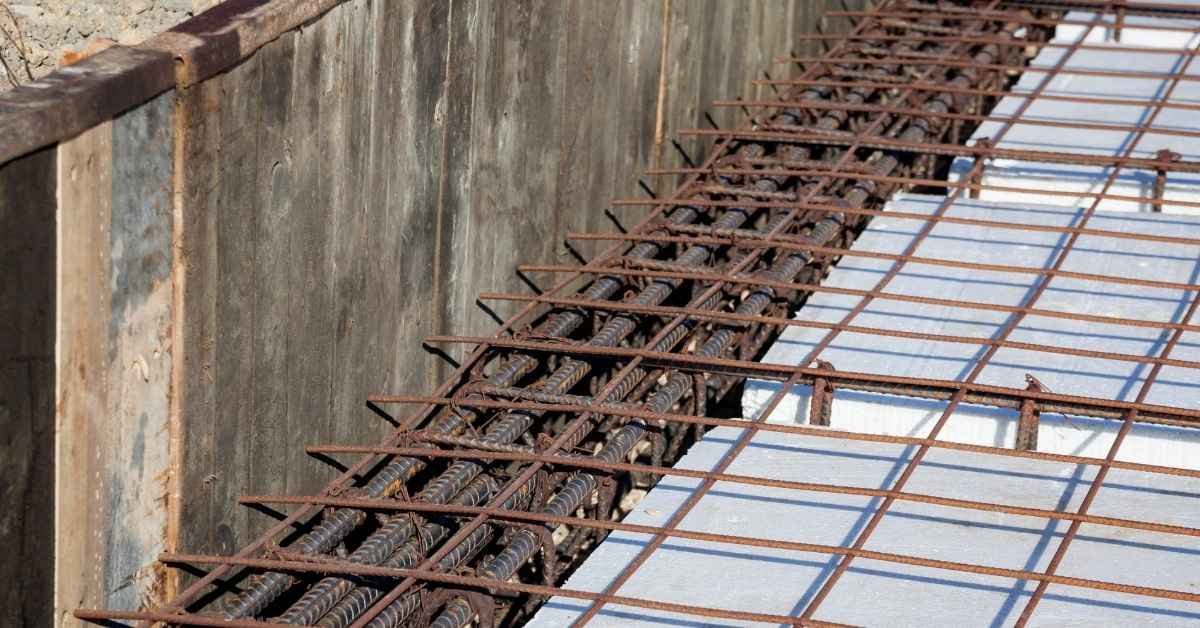
Rebar covers, sleeves, and spacers limit direct metal-to-surface contact and help block light transmission that reveals shadows. They support durability and can improve the finish’s uniformity. Choose options that suit the slab and pigment plan.
Compare solid sleeves, perforated sleeves, coated rebar, and decorative forms to see how each affects shadow reduction and heat transfer. Establish selection criteria based on rebar size, spacing, thickness, substrate, curing method, and edge treatments. Install with careful clearance, alignment, and secure fastening to prevent contact with concrete.
Types of covers and when to use each
Choosing the right rebar cover is crucial for minimizing shadows on thin countertops. Here are common solutions:
Plastic sleeves are inexpensive, easy to install, and work well with standard rebar sizes. They’re ideal when you need a simple, quick solution.
Foam covers provide better insulation against heat transfer, reducing thermal cracks. They’re great for thin slabs exposed to temperature fluctuations.
Purpose-made bar clips or decorative forms offer aesthetic appeal and can be custom-fitted. Use these when you want a more finished look or need to match specific design elements.
Installation tips for covers and sleeves
Proper installation ensures your rebar covers do their job. Here’s how:
Check clearance: Ensure there’s enough space between the cover and formwork to avoid crowding during concrete placement.
Align continuously: Keep the covers aligned with the formwork to prevent displacement during vibration or placement.
Pre-fit sleeves: Before installing rebar, pre-fit the sleeves to ensure they stay in place and cover the entire length of the bar.
Secure with corrosion-resistant fasteners: Use stainless steel or galvanized hardware to prevent rust stains on your countertop.
Pigment and Coloring Strategies to Mask Shadows
Shadow lines form where the base color, aggregate, and sealer interact with the reinforcement path. Pigment-based solutions can help disguise linear discoloration. Plan color to harmonize with the underlying concrete and shadows you aim to mask.
Compare integral pigments, color hardeners, dyes, and surface washes for depth, penetration, durability, and compatibility with sealers. Develop a strategy for visible color that minimizes obvious shadow lines and supports a uniform appearance.
Choosing integral vs surface colorants
Integral pigments and surface washes both have their roles in hiding rebar shadows, but they work differently. Let’s break it down.
Integral Pigments: These are added to the concrete mix before pouring. Benefits include consistent color throughout the slab and good shadow masking. However, they can’t be changed once poured, so get the color right first time.
Surface Washes/Dyes: Applied after curing, these allow for more flexibility in color choice. They can help blend shadows but may not penetrate as deeply or evenly as integral pigments. Some dyes might require sealers to protect them.
Blending and texturing techniques
To break up those pesky shadow lines, try these blending and texturing tricks:
Mottling: Vary the color slightly as you pour or apply a wash to create a natural, mottled effect. This helps disguise linear discoloration.
Layered Washes: Apply multiple thin washes of varying colors and shades to build depth and complexity. Start with a base color, then add lighter or darker washes in controlled patterns to break up shadows.
Micro-Textures: Use tools like trowels, brushes, or sponges to create fine textures on the surface. This can help scatter light and make shadow lines less noticeable.
Sealing and Finishing to Prevent and Reduce Shadowing
Different sealers and topcoats change sheen and perceived color depth, influencing how shadows read on the surface. Select finishes that maintain concealment under kitchen use and traffic. Consider long-term performance as part of the decision.
Check compatibility with concrete, pigments, and any previous surface prep. Review technical data sheets and safety data sheets for guidance. Test spot applications and assess sheen under varied lighting before full coverage.
Sealer selection criteria
A good sealer is your first line of defense against rebar shadowing. Here’s what to look for:
Penetration: It should penetrate deep into the concrete to protect it from within.
Film-forming vs. penetrating: Penetrating sealers are usually better at minimizing shadows as they don’t leave a visible film. But if you need extra protection, a film-forming sealer might be necessary.
UV resistance: This is crucial to prevent sun damage that could reveal shadows over time.
Application, cure, and inspection checkpoints
Use this checklist when applying sealer and topcoats to ensure even coverage and no new artifacts.
- Preparation: Ensure surface is clean, dry, and free of contaminants.
- Application order: Apply sealer before topcoat. If using multiple coats, allow proper cure time between each.
- Overlap technique: Overlap strokes by about 50% to ensure even coverage.
- Edge treatment: Pay extra attention to edges and corners to avoid missed spots.
- Cure time check: Allow the recommended cure time before moving on to the next step or using the surface.
- Sheen assessment: Check sheen under different lighting conditions to ensure it’s even and as expected.
- Shadow assessment: Inspect for shadows under various lighting, including natural light at different times of day.
- Final inspection: Once fully cured, do a final check for any missed spots or artifacts.
Quick rule: Always follow the manufacturer’s instructions for best results and to avoid voiding warranties.
Troubleshooting, Repairs, and Remediation
Use a diagnostic flow to decide whether to live with, touch up, or repair shadowing. Start by assessing cosmetic impact versus structural risk. Document findings with photos before any work begins.
Try non-destructive options first, such as color-tone adjustments or surface blends. If necessary, define criteria for partial grinding or patching and select appropriate materials. Plan repair steps, curing, and ventilation, then track outcomes for future maintenance.
Small-area cosmetic fixes
For minor shadowing, start with non-destructive touch-ups. This keeps your countertop intact and maintains its structural integrity.
Use a color-tone stain or sealant blend that matches your countertop. Apply it directly to the affected area using a soft cloth or brush. Work in small sections, blending as you go.
For deeper shadows, consider using micro-fillers. These are fine powders designed to fill tiny voids and imperfections. Mix them with a suitable sealant and apply like a stain. Let it cure according to the manufacturer’s instructions before sealing.
Remember: Always test your chosen method on a scrap piece of concrete first to ensure compatibility and desired results.
When remediation requires rework
Sometimes, shadowing indicates deeper issues that can’t be fixed with surface treatments alone. Here’s when to consider more involved repairs:
1. Deep shadows: If your countertop has deep shadows, it might indicate inadequate rebar coverage or a poor mix design. In these cases, partial grinding and patching may be necessary.
2. Cracking or movement: Shadows accompanied by cracks or signs of movement suggest structural issues. Before proceeding with any cosmetic work, check the slab’s thickness, rebar placement, and evidence of movement. Document your findings with photos.
3. Edge or heavy traffic areas: If shadows are located near edges or in high-traffic zones, they could indicate stress points. In these cases, consider partial grinding, patching, and reinforcement adjustment to prevent further issues.
Safety, Costs, and Tools Checklist for Diyers and Pros
Outline PPE, rebar handling precautions, concrete mix safety, ventilation, and dust control. When in doubt, consult a structural engineer or local code official for countertops. Follow safe practices at all times.
Summarize shadowing risk and high-level strategies without step-by-step instructions to avoid misapplication. List essential tools, protective gear, and materials to plan before starting, ensuring suitability for thin countertops.
Safety and Handling Precautions
Before you start, review this safety checklist to protect yourself and your work.
- PPE: Wear approved safety glasses, gloves, and steel-toed boots. Hard hats for overhead work.
- Rebar handling: Use rebar hooks or pliers to move rebar safely. Never touch bare hands.
- Lifting: Use proper lifting techniques to avoid back injuries. Ask for help with heavy loads.
- Site protection: Cover nearby surfaces to prevent concrete splatter and damage.
- Ventilation: Ensure adequate ventilation when mixing or pouring concrete.
- Dust control: Use damp cloths or vacuums to control dust during cutting or grinding.
- Consult engineer/authority: Before starting, consult a structural engineer or local code authority for countertop specifics.
- First aid kit: Have a basic first aid kit on-site for minor injuries.
Quick rule: Never cut corners on safety. It’s not worth the risk.
Cost and Time Benefits of Preventing Shadowing
Investing in prevention upfront saves you money and time in the long run. Here’s why:
- Proper covers: Using correct rebar covers reduces rework due to shadowing.
- Quality pigments: Integral or surface colorants maintain countertop aesthetics without need for touch-ups.
- Appropriate sealers: Sealing prevents moisture-related issues, reducing maintenance and repair costs.
- Labor vs. material costs: DIYers save on labor but may spend more on materials. Pros vice versa.
- Rework costs: Fixing shadowing after installation is costly in both time and money.
- Value maintenance: Properly protected countertops retain their value better over time.
- Time savings: Prevention beats cure. Avoid delays caused by remediation work.
Quick rule: Upfront investment in prevention pays off in the long run.
Tools and Materials Checklist with Material-Specs Guidance
Gather these essential tools, covers, pigments, sealers, and check their specs before starting your project.
- Rebar covers: Choose the right type (sleeves, spacers) for your countertop thickness. Check manufacturer installation limits.
- Trowels/gauges: Select appropriate sizes for your concrete mix and application method.
- Pigments: Choose integral or surface colorants suitable for thin countertops. Check compatibility with other materials.
- Sealers: Pick sealers designed for thin countertops. Check cure times and application methods.
- Mixing tools: Have a sturdy mixer, wheelbarrow, or pump for concrete mixing and delivery.
- Measuring tools: Use accurate measuring devices (tape measures, levels) to ensure countertop precision.
- Safety gear: See ‘Safety and Handling Precautions’ section above.
- Documentation: Keep records of materials used, installation dates, and any warranties for future reference.
Quick rule: Always check material specs to ensure compatibility and suitability for your project.
Conclusion
Getting rid of rebar shadowing on thin countertops comes down to careful planning, disciplined execution, and respect for safety. If you lock in the right covers, sleeves, and spacers, and you color and seal deliberately, you protect the look and the longevity of your project.
Follow this practical check: verify design and cut lines before placement, confirm rebar is properly concealed with the chosen covers or sleeves, mix and apply pigment choices evenly to mask shadows, and seal with a finish that suits the countertop material. Move in a steady, stepwise way — check gaps, test a small area first, then expand your work in logical sections. Do not rush between steps; a small test patch can save a big repair later.
Common mistakes to avoid include skipping a proper cover or spacer, which invites shadowing and cracking; ignoring ventilation or safety gear during cutting or sealing; and applying pigment or sealant unevenly, which can make shadows stand out. Always work with proper PPE, follow product instructions, and test each stage on a discreet spot before committing. Safety first means stopping if anything feels off and rechecking measurements and clearances, and a thorough small-area test helps prevent permanent damage. If the scope grows beyond a simple fix, or if you face uncertain material behavior, don’t hesitate to call a professional for guidance or hands-on help. Stay disciplined, stay safe, and you’ll finish with a durable, clean look that lasts.
FAQ
What causes rebar shadowing on thin countertops and how can I spot it?
Shadowing happens when vertical rebar lines cast a visible silhouette on the surface, especially under thin slabs. Look for dark, narrow lines running across the countertop and note where they align with any rebar or inserts beneath. If you see shadows when the light hits the edge, you’re dealing with shadowing to some degree.
What covering techniques are practical to hide rebar in thin countertops?
Use covers or sleeves that fully enclose the rebar and place them away from the visible face of the countertop. Keep spacing tight and use a flush finish so the surface reads as continuous. Check labels and manufacturer guidance for compatible covers and installation methods, and tailor to your slab thickness.
How can pigment or color strategies help mask shadows without causing issues?
Choose pigments that match the surrounding concrete or countertop color. Apply in consistent, even coats and avoid heavy patches that can emphasize the lines. Always follow product instructions and test a small area first to confirm the shadowing is minimized.
Which sealing methods or products work best to protect against shadowing and moisture?
Use a sealer compatible with your countertop material and intended use. Apply as directed, usually in thin, even coats, and avoid puddling near rebar areas. Check label for cure times and reapplication intervals to maintain a uniform surface finish.