couple painting a white wall green with paint rollers

Green Wall Paint: Choosing Undertones, Lighting Tests, and Pairings

Introduction

Green wall paint is about picking undertones, testing how light hits the color, and pairing it with the room. This article walks you through practical, hands-on steps you can follow at home. It keeps things simple and focused on what you can do in a real space.

Start by looking at undertones in natural daylight and in the light you actually use in the room. Test big swatches on the wall, observe at different times of day, and compare with furniture and flooring to guide pairings. Keep notes on what feels fresh or heavy and check manufacturer guidance for any color recommendations.

Key takeaways

  • Test undertones in daylight and artificial light before committing to a shade.
  • Observe color changes on large swatches or wall panels during tests.
  • Pair greens with compatible flooring to avoid jarring kitchen or living spaces.
  • Document lighting scenarios and room elements to guide final decision.
  • Safety: use low odor paints and proper ventilation during samples.
  • Keep color boards organized; test with trim, ceilings, and furnishings.
Table of Contents

Understand Green Paint Undertones

Undertones are the subtle hues that sit under the main green you see on the wall. They help greens read differently in various contexts, turning a single shade into a warmer, cooler, or more neutral impression. By understanding undertones, you can predict how fabrics, woods, and metals will harmonize with the wall without relying on a single swatch.

Common greens lean toward yellow, blue, gray, or olive undertones, and each shifts mood and compatibility with materials you already have. Yellow undertones can feel sunny next to light woods, blue undertones may read cooler near chrome, gray undertones often read sophisticated with stone or concrete, and olive can ground a space with earthy warmth. Testing methods like swatch bets, large patches, and viewing at different times of day reveal how undertones shift with lighting and surroundings.

What undertones are and why they matter

Undertones are the subtle hues that lie beneath a paint’s base color. In green paints, these can be blue, yellow, gray, or brown tints that shift the overall feel of the color.

Greens with blue undertones read cool and refreshing, while those with yellow undertones warm up a space. Gray undertones create a neutral balance, and brown undertones bring an earthy touch.

These undertones change how a green reads in a room due to variations in lighting and material reflection. Understanding them helps you coordinate greens effectively.

Common green undertone families to watch for

Green paints fall into four main undertone families:

Cool/Blue: These greens have a blue base with hints of gray or purple. They create a calming, refreshing atmosphere.

Warm/Yellow: With a yellow base, these greens evoke warmth and comfort. They can range from olive to sage.

Muted/Gray: Greens with gray undertones have a neutral, balanced feel. They work well in modern or minimalist spaces.

Earthy/Brown: These greens have brown undertones that bring nature indoors. They pair well with woods and earthy accents.

Simple tests to reveal undertones

To see a green paint’s undertone clearly, try these simple tests:

1. Compare samples against white and neutral backgrounds. This helps you spot the undertone’s hue.

2. View samples under varied lights. Undertones become more visible under different lighting conditions – natural daylight, incandescent, or LED.

3. Observe at different times of day. Natural light changes throughout the day, revealing undertones in new ways.

Back to top ↑

How Light Changes the Appearance of Green

Natural daylight and artificial bulbs don’t show color the same way, and greens shift as the day progresses. A green that looks vibrant in morning sun can mellow under later daylight or warm indoor lamps, changing how bold or subtle it reads. Bulb type and color temperature matter because they tint undertones and saturation differently.

Room orientation matters too—north and south exposures pull in daylight with distinct colors, and window exposure alters the perceived tone as the day moves. When selecting greens, map how the space will be lit from morning to night and consider bulbs and fixtures that minimize unwanted color shifts. Plan tests that cover the range you expect in the finished room.

Natural light by room orientation

The sun’s position changes the way greens look throughout the day. Here’s how:

North-facing rooms get cool, blue-tinged light. Greens here can appear cooler and more muted.

South-facing rooms see warm, yellow light. Expect greens to lean towards olive or emerald tones.

East/West-facing rooms experience a mix – cool in the morning, warm in the afternoon. Greens shift from cool to warm as the day goes on.

Artificial light and bulb color temperature

Bulbs cast different colors. Test with your actual lamps:

Cool (daylight) bulbs (5000K-6500K) make greens look brighter, more vibrant.

Warm (soft white) bulbs (2700K-3000K) soften greens, making them appear more muted and cozy.

Incandescent bulbs are warmest. LED and CFL vary – check packaging for color temperature.

LRV and perceived brightness

LRV (Light Reflectance Value) affects how bright or muted a green appears. Higher LRV = brighter, lower LRV = darker.

Check LRV values when possible. It’s usually listed on paint cans or spec sheets.

For example, a deep emerald with low LRV might look muddy in a room with high natural light.

Test with samples to see how it looks at different times of day and under your chosen lighting.

Back to top ↑

Lighting Tests to Run at Home

Set clear goals for what the test should prove: undertone accuracy, how greens read under different temps, and how they pair with common woods and finishes in your space. Define success criteria so you can compare choices objectively. Keep the tests practical and repeatable.

Create controlled lighting scenarios that mimic real conditions: natural daylight at different times, warm incandescent, and cool LED, plus a neutral midtone mix for变化. Prepare surface samples on a wall-like texture and label each with lighting condition and context. Document findings with notes and photos to guide your next step.

Where and how to place large swatches

To get a true feel for your green paint, you need to see it up close and personal. That means big samples.

Use poster boards or peel-and-stick samples. Make ’em big – at least 2’x2′. Apply multiple coats if the finish differs.

Stick them on multiple walls, near trim, and next to flooring. That’s where you’ll really see how it plays with your space.

Day/night and staged lighting comparisons

Green paint can look different in the morning than it does at night. So, you gotta check it out at all hours.

Photograph your samples morning, midday, evening. Use a gray card for color accuracy. Then, view them under each lighting scenario – natural daylight (morning and afternoon), warm incandescent, cool LED, and that neutral ‘midday’ mix.

This way, you’ll see how your green reads in real room changes. It’s like a little light show, just for you.

Quick in-situ simulations

Don’t have the time or patience to wait for natural lighting changes? No problem. You can speed things up with some quick tricks.

Temporarily swap out your light bulbs, use lamps, or hang sheer fabric to simulate different light diffusion. This lets you check undertone behavior under various conditions – all from the comfort of your own home.

It’s like a mini lighting lab, right there in your living room. Just remember, these are quick checks. They won’t replace the real deal, but they’ll give you a good idea.

Back to top ↑

Pairing Green Walls with Flooring Types

Start with undertone harmony that matches each floor type: wood, tile or stone, and concrete. Warm greens or muted tones can blend with wood species, while cooler or more subdued greens can complement gray or earthy concrete. Keep in mind how the floor’s texture and reflectivity influence color perception in the room.

Concrete and tile appreciate tonal balance that avoids stark contrast, whereas wood floors can tolerate more visible shifts in undertone. Use daylight and ambient lighting tests to confirm how the wall and floor communicate under real conditions. Prepare several palettes for comparison and choose a pairing that feels cohesive rather than forced.

Wood floors — light, medium, and dark

Cool greens like mint or sage pair beautifully with gray-toned woods. They create a crisp, refreshing contrast.

Warm greens like olive or emerald suit golden or oak-toned woods. They add depth and richness to your space.

For dark wood floors, consider vibrant greens with blue undertones. They provide a striking contrast without feeling overwhelming.

Tile and stone surfaces

Cool green shades like seafoam or teal complement cool-toned tiles, creating a harmonious, calming atmosphere.

Warm-leaning greens like lime or avocado pair well with terracotta or warm natural stones. They enhance the earthy tones in your space.

For busy tile patterns, opt for subtle green shades to avoid visual clutter.

Concrete, resin, and modern floors

Muted greens like army or sage work well with natural or stained concretes. They maintain the industrial aesthetic while adding color.

Consider your floor’s gray or earthy undertones when choosing a green shade. It should complement rather than clash with them.

For polished concrete, opt for softer greens to avoid overwhelming the space. With textured finishes, bolder shades can work well.
Back to top ↑

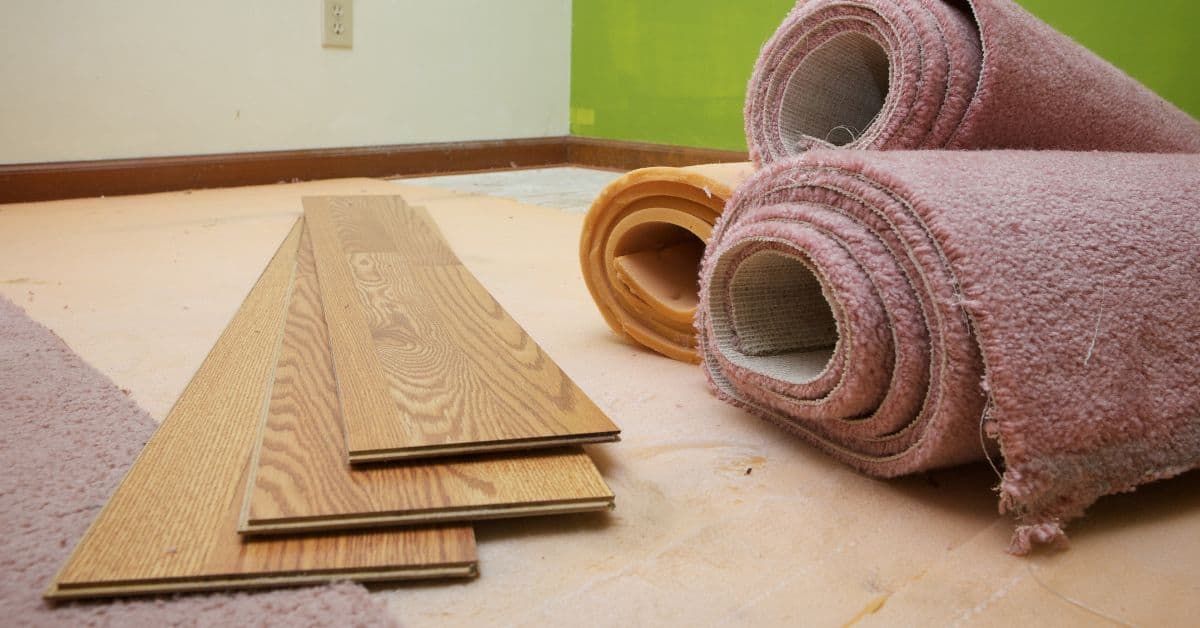
Rolled pink carpet and wooden flooring planks on floor

Pairing Green with Trim, Ceilings, and Furnishings

Undertones in wall greens interact with trims by creating warmth or contrast depending on the white or wood finish you choose. Quick checks under different lighting help confirm harmony between wall, trim, and furniture tones. Keep the relationship simple enough to read clearly from across the room.

Ceiling color shifts can tilt the perceived green, so test with white, off-white, or tinted ceilings at several times of day. Map furnishings to the palette by selecting 2–3 coordinated combos and noting when contrast or matching works best. A practical workflow with swatches and lighting-adjusted comparisons keeps the plan on track.

Trim and ceiling color strategies

When pairing your green wall with trim, consider the undertones. Warm whites like Benjamin Moore’s Simply White or Sherwin-Williams’ Alabaster can soften cool greens, while cool whites like Behr’s Ultra Pure White or Valspar’s Gallery White can intensify them.

Natural wood trims bring a rustic charm that complements both warm and cool greens. For a bold look, consider painted black or charcoal trim to make your green pop. Remember, darker trims can make the room feel smaller, so use them sparingly in small spaces.

As for ceilings, lighter shades open up the space and reflect more light, making the green walls appear brighter. Matching the ceiling color to the wall can create a seamless look, while contrasting colors add depth. Try out different options using sample boards before committing.

Furnishings, rugs, and textiles

Warm wood furniture pairs beautifully with warm green walls. Consider oak or maple for a natural look, or stained woods like walnut or mahogany for a richer feel.

Leather furniture can add a touch of elegance to your space. Pair it with cool greens to create a sophisticated atmosphere. For rugs and textiles, opt for patterns and colors that complement the undertones in your green wall. Earthy tones like beige or gray work well with most greens.

Don’t forget about window treatments. Roman shades or drapery in a complementary color can tie the whole room together. Just remember to consider how they’ll look in different lighting conditions, as mentioned earlier.

Metals, hardware, and finishes

When choosing metals for hardware, fixtures, and decor, think about the warmth or coolness of their tone. Warm metals like brass or aged bronze can balance out cool greens, while cool metals like chrome or nickel can complement warm greens.

For a cohesive look, try to match the metal finish across all your hardware – light switches, doorknobs, cabinet pulls, and even lighting fixtures. This creates a sense of harmony in the space.

Don’t overlook the importance of finishes on furniture and decor. Matte or satin finishes can soften the look of a room, while high-gloss can add a touch of glamour. Consider how these finishes will reflect light and interact with your green walls.

Back to top ↑

Step-by-Step Testing and Decision Checklist

Define the objective and success criteria before picking samples. Clarify the goal of the green undertones and how they should interact with concrete textures and furnishings. Use a simple scoring approach to keep opinions objective.

Gather a representative set of swatches from the same color family, including true green and variants with warm and cool undertones. Standardize testing: monotone walls, multiple wall sections, and consistent lighting. Document all results with notes and photos to support a final call.

Step-by-Step Process

Use this checklist before, during, and after your green wall paint testing to ensure a thorough and accurate decision-making process.

  • Preparation: Ensure the test area is clean, dry, and free of any debris. Safety first – wear gloves and eye protection when handling paints.
  • Safety Checks: Check for any underlying issues with the wall surface before painting. Patch holes or cracks if necessary.
  • Gather Materials: Collect your paint samples, test boards or swatches, painter’s tape, and a ruler.
  • Prepare Test Area: Mark out sections on the wall or attach test boards using painter’s tape. Keep each sample separate to avoid color bleeding.
  • Apply Samples: Using a roller or brush, apply paint samples evenly across each section or board. Follow manufacturer guidelines for drying times.
  • Set Up Lighting: Position your natural daylight source (window), warm LED, and cool overhead lighting at different angles to mimic various lighting conditions throughout the day.
  • Observe Undertones: Evaluate each sample under different light scenarios. Note any shifts in undertone or changes in perceived greenness.
  • Check Concrete Texture Interaction: Observe how the concrete’s texture affects color perception and sheen. Make notes on any significant interactions.
  • Pairing Checks: Compare samples against existing materials – wood, metal, furniture – to assess harmony, contrast, and balance at various viewing angles.
  • Final Evaluation: Once all tests are complete, step back and evaluate each sample based on your established criteria: undertone accuracy, lighting resilience, compatibility with furnishings, and overall mood.
  • Clean Up: Remove test boards or painter’s tape carefully to avoid damaging the wall. Clean up any paint spills immediately to prevent staining.

Quick rule: Consistency is key – keep testing conditions as uniform as possible for accurate results.

Order of tests to run

Follow this sequence to efficiently narrow down your green wall paint options.

  • Select Candidates: Choose 4-6 paint samples from the same color family, including a true green, warm undertone, cool undertone, and mid-value option.
  • Place Large Samples: Apply each sample to a separate section of the test area or board. Ensure they’re large enough (at least 2′ x 2′) for accurate evaluation.
  • Observe Under Daylight: Evaluate samples under natural daylight first, as it reveals the truest color representation.
  • Test Warm LED Lighting: Switch to warm LED lighting and observe any changes in undertone or perceived greenness. Note any shifts towards yellow or orange.
  • Check Cool Overhead Lighting: Use cool overhead lighting to see if the samples lean blue or gray under artificial light. This helps identify lighting-stable options.
  • Narrow Down: Based on your observations, narrow your selection down to two top contenders for final testing.

Quick rule: Start with more candidates and gradually narrow them down based on initial observations. This saves time and effort in the long run.

Visual checkpoints and evaluation criteria

Use these visual cues to assess each paint sample’s performance against your project goals.

  • Undertone Shifts: Observe how the undertone changes under different lighting conditions. A stable undertone is crucial for a harmonious look throughout the day.
  • Contrast with Flooring/Trim: Compare samples against your existing flooring and trim colors to ensure they complement each other, creating balance and harmony in the space.
  • Reading at Night: Evaluate how well you can read the wall color under low-light conditions. A good green wall paint should maintain visibility even with dimmed lighting.
  • Overall Mood Alignment: Step back and assess each sample’s contribution to the overall mood of the room. Does it create a calming, inviting atmosphere that complements your lifestyle?

Quick rule: Be patient – evaluating paint samples requires time and careful observation under various conditions.

Documenting results to decide

Keep a record of your testing process and observations to inform your final decision.

  • Photograph Samples: Take pictures of each sample under different lighting conditions. Use consistent camera settings for accurate color representation.
  • Note Time and Bulbs Used: Record the time of day, type of lightbulb used, and any observations made during each test. This helps track changes in undertone and greenness over time.
  • Record Reactions: Jot down your initial reactions to each sample – do they evoke a sense of calm or invigorate the space? Consider how they make you feel in relation to your project goals.
  • Create Mockups: Use your photographs to create side-by-side mockups of your top contenders. This helps visualize how each option might look in the finished space.

Quick rule: The more information you document, the better equipped you’ll be to make an informed final decision.

Back to top ↑

Common Mistakes and How to Avoid Them

Avoid relying on tiny chips or swatches that don’t resemble real wall conditions, especially for greens near concrete. Always test in actual light and on the intended wall texture to see true undertones. Skipping large samples can hide shifts you don’t want to live with.

Be cautious of overmatching—matching everything to wood or décor can make the space feel flat. Use a practical testing protocol with multiple large swatches and longer observation times, then document results with photos and notes for comparison.

Avoiding the tiny-chip trap

Small color chips and swatches can be misleading. They don’t represent actual wall conditions.

  • Size matters: Small swatches hide undertones and don’t show how colors interact with light.
  • Test on large areas: Paint sample boards or sections of your walls to see true colors.
  • Avoid store-bought samples: They’re often too small and lack real-world context.
  • Consider lighting: What looks good under store lights might not in your home’s natural light.

Large test areas help you see how colors behave in different conditions. It’s the best way to avoid surprises later on.

Not accounting for all lighting scenarios

Choosing a color based on one lighting condition is a common mistake. Lighting changes throughout the day and night, affecting how we perceive colors.

Test in daylight: Observe your paint samples in natural light at different times of day to see how they change.

Artificial lights also cast different hues. Test under incandescent and LED bulbs to ensure your color choice works well in all lighting conditions.

Don’t forget about reflections too. Concrete surfaces can bounce light around, altering perceived colors. Make sure to test in your space’s specific lighting environment.

Over-coordinating similar tones

Matching undertones too closely can make a room feel flat and uninteresting. It’s like wearing all one color – it lacks contrast.

Aim for harmony, not exact matches: Your green wall paint should complement, not perfectly match, your wood floors, fixtures, or furniture.

Intentional contrast creates visual interest. Consider pairing a cool-toned green with warm woods or using a darker shade on trim to define spaces. Variety keeps things engaging.

Remember, your goal is a living, breathing space that feels good to be in. Don’t be afraid to mix it up a bit!

Back to top ↑

Cost-Effective DIY Sampling Methods

Build a budget-friendly sampling process with peel-and-stick swatches, DIY painted boards, and starter tester pots. Standardize surface texture, finish, and lighting to keep comparisons fair. Use a rotating set of samples to simulate different walls in the same room.

Label samples by undertone and lighting condition and track impressions in a simple worksheet. Reuse scrap boards and choose affordable testers to maximize your options without blowing the budget. Capture photos with timestamps and summarize results to guide the final pick.

Making and positioning painted sample boards

Grab some foam-core or poster boards. They’re cheap and easy to move around.

Paint each board with your chosen green, applying two coats for even coverage. Let them dry between coats.

Now, position these boards in the areas you want to test. Move them around the room to see how the color looks under different angles and lighting conditions.

Using peel-and-stick and full-size sample options

Peel-and-stick samples are great for a quick, easy preview. They’re perfect for comparing undertones at a glance.

But remember, they won’t give you the true-to-space experience that painted boards will. For that, you’ll need to paint some boards yourself.

Tester pots from hardware stores are another affordable option. They let you apply the paint directly to your walls for a more accurate test. But be careful not to make too many tiny chips!

Simulating lighting without major purchases

You don’t need to buy new lights to test different lighting scenarios. Borrow bulbs from friends or use adjustable lamps.

For example, if you want to see how your green looks under warm, incandescent light, borrow a bulb and swap it out in one of your fixtures. Do the same for cool, fluorescent light.

Move these temporary lights around the room to mimic different fixture types. It’s like creating a mini lighting show in your home – without breaking the bank!

Back to top ↑

Conclusion

Green walls take careful testing and solid choices to stay durable and true to the room. Start with a small, reversible test patch in the least visible spot, compare under your actual lighting, and lock in undertones that survive daylight and lamps alike. Then pair the hue with flooring, trim, ceilings, and furnishings using simple, repeatable checks so you don’t guess your way through a big project.

To do this right, run a quick, natural-language checklist as you work: pick a couple of undertones you can live with, paint a small area and observe it in morning and evening light, move in a few furniture and trim samples to see how they read next to the wall, test the ceiling and floor pairings in a similar way, and only commit after a full light test confirms the look in a real room. Keep notes and take photos from multiple angles; use those notes to guide final color decisions and finishes. If you’re unsure, keep doing limited patches and confirm you can reverse or cover any mistaken choice without costly damage.

Common mistakes to avoid include chasing a color that looks right on a swatch but shifts oddly in your room, skipping a proper light test, and choosing finishes or pairings that require difficult maintenance or frequent touch-ups. Safety rules are simple: test first in a small, inconspicuous area, pick durable finishes suitable for high-traffic walls, and use low-to-no-VOC options when possible. If the wall repair, large area repaint, or ceiling pairing feels beyond your comfort level, don’t push on alone—call in a pro for a quick, clean job and protect your space from costly mistakes. Stay practical, stay patient, and your green wall will look deliberate and solid. You’ve got this.

Back to top ↑

FAQ

How do I understand undertones when choosing a green wall paint?

Undertones are the subtle hues that show through green, like blue, yellow, or brown. Look at the paint in natural light and compare swatches next to neutrals to see which undertone dominates. If in doubt, pick a color that clearly reads as the undertone you want and test it on a small wall panel first.

What lighting should I use when testing greens for accuracy?

Test in the room’s main light sources: daylight, LED, and incandescent if you have them. Move swatches around the room to see how the color shifts from warm to cool as light changes. Don’t rely on one lighting condition to judge the final look.

How should I pair green walls with furniture and trim?

Choose furniture and trim that share compatible undertones with your wall color. Start with neutral or solid pieces to avoid clashing patterns. If your greens lean toward yellow, pair with warm woods; if they skew blue, cool tones work better.

What are practical steps for testing several green options at home?

Paint small, removable test patches on clean walls or foam boards. Observe them at different times of day and under your main lighting. Note how each option feels in the room before committing to a full paint job.

Back to top ↑