
Introduction
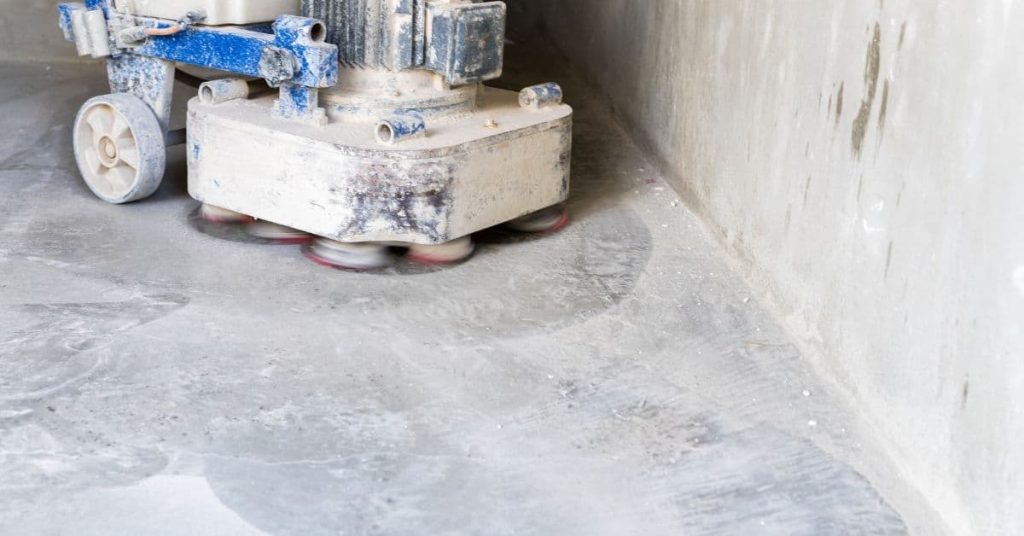
Grinding to fix trip hazards is removing small amounts of material from high spots so the surface becomes even. Do not remove more than necessary, since over-grinding can create new problems. Check the material, tool, and surface before you start, and follow manufacturer instructions and local rules.
Do small passes and check your progress often to avoid creating gouges or uneven edges. Use the right grinding tool, keep it flat to the surface, and work across the edge. If in doubt, stop and consult the product label, manufacturer instructions, or local building rules before proceeding.
Key takeaways
- Assess if grinding is appropriate before removal, considering edge geometry and substrate.
- Verify local regulations and ADA requirements before modifying floor surfaces.
- Measure trip height properly using consistent reference points and slow movements.
- Respect structural limits; stop grinding when you risk reducing strength or screed integrity.
- Use proper PPE and maintain dust control to protect yourself and neighbors.
- Document post-grind sealing and repairs for long-term performance checks.
Table of Contents
- Introduction
- Key takeaways
- When Grinding Is the Right Solution
- Regulations, ADA, and Municipal Policies to Check First
- How to Assess and Measure a Trip Hazard Correctly
- Safe Removal Limits and Structural Risks to Avoid
- Tools, Abrasives, PPE and Materials Checklist
- Step-by-Step Grinding Procedure for a Safe Repair
- Post-Grind Repairs, Sealing and Long-Term Prevention
- Visual Checkpoints and Quality-Assurance Criteria
- Conclusion
- FAQ
When Grinding Is the Right Solution
Decide based on the scope of the trip hazard and the material it sits on. If the surface is concrete and the rise is localized, grinding can smooth the edge without removing the entire slab. Compare this approach to lifting, shaving, or full replacement by considering cost, disruption, and the surface type.
Check product labels and manufacturer guidance for any surface limitations or safety notes. If in doubt, verify with local rules or a qualified pro before proceeding to ensure this method won’t compromise structure or drainage. Keep the goal in sight: reduce trip risk while preserving functionality and lifespan.
Appropriate scenarios for grinding
Grinding is your best bet when you’ve got small trip hazards. Think about these common cases:
Small offsets on concrete. If it’s just a little bump, grinding can smooth it out. But remember, you’re limited by the thickness of the slab.
Pavers with minor high spots. A bit of grinding can level them up. Just make sure the pavers are solid and not wobbly.
Thresholds causing tripping. If it’s a slight lip, grinding can take care of that. But be careful not to grind too much and weaken the threshold.
When grinding is not recommended
There are times when grinding just won’t cut it, safety-wise. Here are some red flags:
Exposed reinforcement. If you see rebar or wire mesh, stop right there. Grinding could damage them and cause bigger problems.
Deep cracks. Cracks that go deep into the slab need more than just a grind. They might need lifting or even replacement.
Undermined slabs. If the ground beneath has settled, causing the slab to dip or rise, grinding won’t fix that. You’ll need to lift and re-level it.
Roots or large differential heights. These are signs of serious issues underneath. Grinding won’t solve those problems. You might need to replace the whole slab.
Regulations, ADA, and Municipal Policies to Check First
Before grinding, confirm sidewalk or curb codes and permit requirements in your area. Some jurisdictions restrict how much you can remove or require inspections after work is done. ADA standards may influence edge profiles and ramp transitions that you must maintain.
Document the standards you verify and keep copies of any approvals or notes from the issuing authority. If you find conflicting guidance, seek clarification from the authority or a licensed professional. Use this step to prevent noncompliance that could trigger repairs or fines later.
Local Municipal Rules and Permit Requirements
Before you start grinding, check with your city or county’s sidewalk program. They’ll tell you what repairs are allowed and if you need any permits.
Some places require contractors to be registered. If you’re doing it yourself, make sure you understand the rules. Ignoring them could lead to fines or having to redo your work.
Permits might be needed for grinding sidewalks. Check with your local building department to find out.
ADA and Accessibility Considerations
Grinding can affect how people move around, especially those using wheelchairs or walkers. You need to make sure your work is up to ADA standards.
Transitions between surfaces should be smooth. Slopes shouldn’t be too steep. And you might need detectable warnings – those textured surfaces that let people know where one surface ends and another begins.
Check with the ADA or your local accessibility office to make sure your work is up to code.
Liability, Insurance, and Recordkeeping
If you grind too much, you could create a new trip hazard. That’s why it’s important to keep records of what you’ve done.
You should also understand who’s liable if someone gets hurt. It might be you, the homeowner, or both. Insurance can help protect you, but make sure you have the right kind.
Keep good records and consider getting liability insurance to protect yourself.
How to Assess and Measure a Trip Hazard Correctly
Start with a systematic walk and note every lift, crack, or edge that could catch a shoe. Use simple tools to measure perceived height differences and distances between surfaces. Prioritize hazards based on their frequency of use and risk exposure.
Document findings with a consistent method you can repeat. Define acceptance criteria in plain terms (for example, a smooth, continuous plane with no abrupt steps). If measurements seem unclear, verify using manufacturer guidance or local standards to set safe targets.
Step-by-Step Process
Follow these practical steps to assess and measure a trip hazard correctly, ensuring safety and accuracy.
- Preparation: Gather tools (straightedge, tape measure, level), wear safety gear (gloves, safety glasses).
- Safety Check: Ensure the area is clear of people and potential hazards before starting.
- Main Work: Use a straightedge to trace the hazard’s outline. Measure offsets with a feeler gauge or calipers, slopes with a level or inclinometer.
- Documentation: Photograph and record measurements, location, environmental conditions for future reference.
- Final Check: Verify your measurements are accurate and consistent before proceeding with any corrections.
Tools and measurement methods
Use these tools to quantify offsets and slopes accurately.
- Straightedge: Helps trace hazard outlines. Use a long, sturdy one for best results.
- Ruler/Feeler Gauge: Measures small offsets. A set of feeler gauges can help measure varying heights accurately.
- Level: Checks slopes. Use a 2-3 foot level for better accuracy on larger surfaces.
- Tape Measure: Measures distances and lengths. Retractable, locking tape measures are most convenient.
- Camera: Photographs hazards before and after work. A smartphone camera is sufficient for most jobs.
Mapping, photographing, and recording hazards
Use these templates to document trip hazards effectively:
Before/after photos: Take pictures from the same angle and distance. Include a reference object (tape measure, ruler) for scale.
Notes: Record location, measurements, environmental conditions, and any relevant observations.
Templates: Use simple sketch maps or apps to record hazard locations relative to your property. Some are free or low-cost.
Common threshold values to verify with local rules
Many jurisdictions have specific trip hazard thresholds:
Offsets: Commonly in the small millimeter to ~1/4–1/2 inch range. Check your local code for exact figures.
Slopes: Typically 1:48 or steeper. Again, check local codes for specifics.
Always verify these values with your local building department before proceeding with any corrections.
Safe Removal Limits and Structural Risks to Avoid
Understand that over-grinding can weaken a surface, expose reinforcement, or destabilize edges. Avoid removing material near joints or status points that carry load or help drainage. Plan to preserve sufficient thickness and structural integrity.
Learn to recognize signs of risk, such as exposed wire or hollow sounds, and stop if you encounter them. Check relevant guidance from product labels or installation manuals to determine safe depth limits. When in doubt, lean on conservative steps and consult a professional or inspector.
When grinding will expose reinforcement or weaken slabs
Before you start grinding, check for signs of underlying reinforcement. Look for any visible rebar, mesh, or wire in the concrete.
Use a magnet to sweep over the surface. If it sticks, there’s likely reinforcement beneath. Be cautious around these areas; grinding too deep can expose them and weaken the slab.
If you suspect thin slabs, consult an engineer before proceeding. They can assess the structural integrity and advise on safe removal limits.
Drainage, slope changes, and ponding risks
Removing material can change your slab’s surface slope. This can lead to water pooling or runoff onto adjacent properties.
Before grinding, check for existing drainage patterns. Look at how water flows after rain. If you’re unsure, wet the area to observe.
Be mindful of changes in slope. Too much removal can encourage ponding, creating new trip hazards and potential damage to your slab.
Creating new edge hazards and cracking
Grinding can leave sharp edges or unsupported thin sections. These become new trip points and can initiate cracks, creating more problems than you started with.
Pay close attention to edges and corners. Don’t grind too close to these areas. Leave a buffer to maintain structural integrity.
After grinding, inspect the area for any signs of cracking or new trip hazards. Address them promptly to prevent further issues.
Tools, Abrasives, PPE and Materials Checklist
Assemble a DIY-friendly set of grinders, appropriate grinding accessories, and depth-control aids. Distinguish between diamond cup wheels and flap discs by their intended use and material compatibility. Include dust control measures and basic repair materials for quick fixes after grinding.
Wear appropriate PPE and follow the manufacturer’s instructions for each tool. Verify any compatibility notes and safety warnings on product labels. If you’re unsure about a part or accessory, check the instructions or contact the maker for clarification.
Grinder types and wheel selection
Choose the right grinder and wheel for your surface type to avoid damage.
- Walk-behind grinders: Ideal for large, flat areas. Check if you have enough space to maneuver.
- Handheld angle grinders: Great for tight spots and edges. Ensure you’re comfortable with the weight and control.
- Concrete grinding wheels: Use for concrete surfaces. Confirm they’re diamond-impregnated for durability.
- Paver grinding wheels: For pavers, ensure they won’t damage the surface or grout lines.
- Asphalt grinding wheels: Suitable for asphalt. Check if they can handle the material’s flexibility.
- Depth-stop accessories: Attach to prevent over-grinding. Test before use to ensure correct depth.
- Diamond cup wheels vs flap discs: Cup wheels are slower but cooler; flap discs are faster but hotter. Choose based on your needs and surface type.
Quick rule: Always match the grinder and wheel to the surface type for best results.
PPE and dust control measures
Protect yourself and others from dust and debris during grinding.
- Safety glasses: Essential to protect eyes. Check they fit well and provide adequate coverage.
- Respirator or dust mask: Mandatory for breathing protection. Ensure it fits properly and is suitable for the task.
- Ear protection: Required for noise reduction. Test before use to ensure comfort and effectiveness.
- Gloves: Protect hands from debris and vibrations. Check they’re durable and provide good grip.
- Long-sleeved clothing: Essential to protect skin from dust and debris. Ensure it’s comfortable for the task.
- Wet cutting: Use water to suppress dust when possible. Test your equipment to ensure compatibility with water.
- HEPA vacuums: Attach to grinders for dust collection. Check they’re HEPA-rated and in good working order.
Quick rule: Always use PPE and dust control measures to protect yourself and others from harmful dust.
Materials for minor patching and sealing
Use compatible materials to restore a durable surface after grinding.
- Bonding agents: Apply before patch compounds. Check they’re compatible with your surface type.
- Patch compounds: Use for filling small holes or cracks. Ensure they match the color and texture of your surface.
- Sealers: Apply to protect the surface from moisture and stains. Check they’re suitable for your surface type and traffic level.
- Epoxy coatings: For high-traffic areas, ensure they’re durable and slip-resistant.
- Crack fillers: Use for filling wide cracks. Ensure they’re flexible to accommodate movement.
- Cleaning agents: Use before patching or sealing. Check they won’t damage the surface or affect adhesion.
Quick rule: Always use compatible materials and follow manufacturer instructions for best results.
Step-by-Step Grinding Procedure for a Safe Repair
Begin with prep work: mark the area and protect nearby surfaces. Set clear depth references and establish a safe working zone with any required barriers. Start grinding with light passes and steadily check progress against your marks.
Maintain a steady technique to avoid gouging or chatter, and stop to re-evaluate after each pass. Finish by smoothing the transition to surrounding surfaces and performing a final clean-up. If needed, consult the tool’s guide for sequence specifics and safety notes to ensure proper technique.
Step-by-Step Repair Process
This sequence guides you through preparing, grinding, and finishing your repair safely.
- Inspect the area. Check for any underlying issues or reinforcement.
- Mark out the hazard and cut lines clearly with chalk or paint.
- Set up your grinder. Ensure it’s in good working order and has the right wheel for the job.
- Start grinding. Use progressive shallow passes, following your marks.
- Inspect frequently. Check your progress and depth to avoid overcutting.
- Finish the repair. Level off the surface and clean up any debris.
- Check your work. Ensure the repair is safe and level before allowing pedestrian traffic.
Site Prep and Protection
Safety first! Before you start grinding, ensure the area is secure and protected.
Post warning signs around the work area to keep pedestrians safe. Use barriers or cones to control traffic flow.
Protect adjacent surfaces. Lay down drop cloths or use tape to prevent damage from debris or dust.
Mark out your cut lines clearly with chalk or paint. This helps guide your grinding and prevents overcutting.
Grinding Technique and Controlling Depth
Correct technique is key to a safe, effective repair.
Start with shallow passes. This helps you maintain control and prevents overcutting. Use the grinder’s weight to apply even pressure.
Control depth. Use measuring tools or depth stops to ensure you’re not grinding too deep. Inspect frequently to check your progress.
Be patient. It’s better to take longer, careful passes than to rush and risk damaging the surface or exposing reinforcement.
Cleanup, Dust Management and Temporary Protections
Proper cleanup is crucial for a safe, lasting repair.
Vacuum or wash the area to remove all debris. This helps prevent new trip hazards from forming.
Manage dust. Use a dust collection system or wet grinding to control dust. This protects you and your surroundings.
Temporarily protect the area until finished materials cure. Use barriers, tape, or signs to keep pedestrians away from the repair site.
Post-Grind Repairs, Sealing and Long-Term Prevention
After grinding, evaluate whether small gaps should be filled or sealed to deter moisture ingress. Consider retexturing or resurfacing plans if the area remains prone to future hazards. Match any repair method to the surrounding material and expected use.
Review sealing or coating options and their maintenance requirements. Verify compatibility with the substrate by checking product instructions or data sheets. Develop a simple prevention plan to monitor for moisture, wear, and seasonal movement over time.
When to fill, re-seal, or replace sections
After grinding, you’ll find voids, cracks, or thin spots. Here’s when to fix them:
Voids and large cracks: Fill with a suitable patching compound. For deep voids, consider partial-depth repair or even replacement if the slab is too thin.
Thin sections: If grinding exposed reinforcement or weakened slabs, resurfacing might be needed to restore strength and protect steel.
Remember, patching isn’t always a permanent fix. Keep an eye on patched areas for signs of recurring issues.
Managing joints, expansion gaps and adjacent materials
Choosing the right material at joints and interfaces is crucial to maintain movement and prevent stress failures.
- Control Joints: Use a flexible joint sealer or filler that can accommodate slab movement. Avoid rigid fillers that could crack under pressure.
- Expansion Gaps: Keep them clean and free of debris. Fill with a compressible material like closed-cell foam to allow for expansion and contraction.
- Adjacent Materials: Ensure good bond between slabs or pavers using compatible materials. Avoid using incompatible materials that could stain, weaken bonds, or cause cracking.
- Concrete Pavers: Use a flexible sand bedding to allow for movement and prevent stress transfer. Seal the paver surface to protect against moisture intrusion.
- Asphalt/Concrete Interfaces: Use a proper expansion joint material to accommodate differential movement between materials. Regularly inspect and maintain these interfaces to prevent cracking or separation.
Maintenance schedule and monitoring
Regular maintenance keeps your concrete surfaces in top shape. Here’s a simple plan:
Photographic Records: Take before-and-after photos of ground areas to track progress and identify recurring issues.
Periodic Reinspection: Inspect checked locations every 6-12 months for signs of new cracks, voids, or other damage. Address any issues promptly to prevent them from worsening.
Sealing: Reseal surfaces as needed to protect against moisture intrusion and staining. Regular sealing extends the life of your concrete surfaces.
Visual Checkpoints and Quality-Assurance Criteria
Perform a quick slope check and verify a smooth, uninterrupted surface with no high points. Inspect the edge where grinding met the surrounding plane for a clean transition. Look for loose material or powdery spots that indicate unfinished work.
Confirm that no tools or debris remain in the work zone and that the area meets your defined acceptance criteria. If anything looks off, review the relevant guidance or manufacturer instructions and correct before finalizing. Use these checkpoints as a simple, repeatable QA habit.
Before/after visual acceptance checklist
Use this checklist after grinding to ensure a safe, smooth finish.
- No sharp edges: Feel the surface with your hand. Sharp edges can cause cuts and trip hazards.
- Even transition: Check where the ground surface meets the repaired area. It should be level and seamless.
- No exposed reinforcement: Look for any exposed rebar or wire mesh. They can snag clothing or cause injuries.
- Intact adjacent surfaces: Inspect nearby surfaces for damage. Grinding should not have affected them.
- Slope check: Use a level to ensure the repaired area is not sloping downwards, which could cause water pooling and deterioration.
- No loose material: Gently tap the surface with a hammer. If it sounds hollow or feels unstable, there’s loose material underneath.
- Seamless patching: Check that minor patching blends well into the surrounding concrete.
- No visible cracks: Inspect for any new cracks that may have formed during grinding.
Quick rule: If anything feels or looks off, recheck your work or consult a professional.
Final walk-test and accessibility check
Before declaring the job done, perform these tests to ensure safety and accessibility.
- Walking test: Walk over the repaired area in different directions. It should feel solid and even underfoot.
- Wheelchair/cart roll-test: If applicable, roll a wheelchair or cart over the area. It should move smoothly without getting stuck or tipping.
- Re-measure offsets: Check that critical offsets (like door thresholds) are still within acceptable tolerances.
- Check for trip hazards: Look for any new trip hazards, like raised edges or unexpected drops.
- Test with a level: Ensure the repaired area is level and slopes away from buildings to prevent water damage.
Quick rule: If anything feels or looks unsafe, recheck your work or consult a professional.
Documentation for warranties and municipal acceptance
Keep these records to ensure compliance with warranties and local regulations.
- Before/after photos: Take pictures of the area before and after grinding. They serve as visual proof of your work.
- Measurements: Keep records of all measurements taken, including surface levels, offsets, and patch sizes.
- Materials used: Note down the materials used in the repair process for future reference.
- Contractor info: If you hired a professional, keep their contact information and license numbers.
- Municipal codes: Make sure your repair complies with local building codes and accessibility standards.
Quick rule: Keep these records in a safe place. You may need them for future claims or inspections.
Conclusion
Fixing trip hazards by grinding is about making a safe, durable surface without causing new problems. Do the work right, and you protect people and your space from costly fixes down the line.
First, check the regulatory and ADA requirements you noted earlier, measure the hazard accurately, confirm you’re within safe removal limits, assess any structural risks, choose the right tools and PPE, test a small area, perform the grind with steady control, finish with post-grind repairs and sealing, and finally run a quick visual check to verify a smooth, safe transition. Do each step in order and document what you did so you can prove compliance if needed.
Common mistakes to avoid are grinding too deep and weakening a substrate, overheating the surface or glazing the material, skipping a small-area test, using the wrong abrasive or PPE, and neglecting edge joins or sealing. Follow simple safety rules: keep the work area secure, use appropriate PPE, work methodically with controlled passes, and never push the grinder past what the material can safely accept.
If the area is load-bearing, or if you’re unsure about regulations, structural risk, or long-term performance, call a professional instead of pushing on alone. When in doubt, pause, reassess, and plan a measured step forward—your safety and your finish depend on it. You’ve got this—steady work now saves trouble later.
FAQ
How much material can I remove without creating new problems?
There’s no one-size-fits-all number. Check the manufacturer instructions for the grinding tool and the adhesive or patch you’ll use. If in doubt, err on the side of removing less and re-assessing the repair after a test grind.
Why can removing too much be a problem?
Grinding too deep can weaken the surrounding slab, create new trip points, or mess with the substrate. It can also expose moisture or cause cracking that spreads. Always prioritize preserving structure and edge support over chasing a perfect smooth surface.
What should I do before grinding to confirm I’m safe to proceed?
Inspect for hidden utilities, check the substrate condition, and review any existing coatings or sealers. Look at the patch or repair plan and follow the product labels and manufacturer guidance. If anything looks unstable, stop and consult a pro or local rules.
How can I verify the final result will stay safe long-term?
Do a hands-on test: walk the area slowly, feel for any edge or loose grit, and check that the surface isn’t shedding. Seal or patch per the product instructions after grinding. Revisit the area after a short period to confirm it remains even and stable.