

Introduction
Fixing cracked elastomeric coatings means repairing and reapplying a flexible protective layer so cracks stop growing and peeling ends.
Cracking often comes from substrate movement, UV exposure, or poor initial prep, so surface prep and proper adhesion are key. In this hands-on guide, you’ll learn how to clean, repair, and re-coat using the right texture and technique, while avoiding common mistakes that lead to peeling and delamination. Always check product labels and local requirements for approved cleaners, primers, and recoat windows before you start.
Key takeaways
- Check substrate condition and crack patterns before choosing a repair approach.
- Roughen and clean surfaces thoroughly to improve adhesion and prevent peeling.
- Match coating system compatibility across layers to avoid delamination and failure.
- Apply coatings in proper sequence with even coats and proper cure between layers.
- Safety: wear eye protection, respirator, and gloves during prep and application.
- Document maintenance plan and schedule recoats to minimize future peeling issues.
Table of Contents
- Introduction
- Key takeaways
- Why Elastomeric Coatings Crack and Peel
- Assessing Damage: Scope, Substrate Condition, and Repairability
- Surface Preparation: Proven Steps That Stop Re-Peeling
- Recoating Materials and Compatibility: Pick the Right System
- Recoating Application Methods and Field Tips
- Common Mistakes, Troubleshooting, and Repair Protocols
- Safety, Seasonal, and Environmental Considerations
- Costs, Maintenance Plan, and Real-World Examples
- Conclusion
- FAQ
Why Elastomeric Coatings Crack and Peel
Elastomeric coatings crack and peel mainly when the substrate moves, adhesion fails, or the coating has been contaminated or exposed to harsh conditions. Temperature extremes, improper film thickness, or aging can also drive failure. Understanding the root causes guides the repair path.
Start with a quick visual check and consider simple tests if feasible, such as adhesion pull-off or cross-cut methods. Verify moisture levels, alkalinity, and substrate cleanliness, plus current temperature and humidity during coating. Look for crack patterns and debonding clues that point to wind-lift, moisture blistering, or poor cure as the likely culprit.
Types of cracks and failure patterns
Cracks and peeling in elastomeric coatings often tell a story about what went wrong. Here are some common visual patterns:
Hairline checks: These fine, closely spaced cracks usually indicate that the coating is too thick or was applied over a surface with minor imperfections.
Alligator cracking: Large, interconnected cracks forming a pattern like an alligator’s skin suggest poor adhesion due to contamination or incompatible primers.
Edge lift: Coating edges peeling up indicate inadequate cure, often from insufficient drying time or high humidity during application.
Root causes (substrate, moisture, cure, movement, chemistry)
Elastomeric coatings can fail due to several reasons:
Substrate condition: Poorly prepared surfaces, like those with incomplete curing or contamination, can lead to adhesion loss and cracking.
Trapped moisture/solvents: Moisture or solvents under the coating cause blistering and delamination as they try to escape during cure.
Thermal movement: Substrate expansion and contraction with temperature changes can stress the coating, leading to cracking.
UV/weathering: Prolonged exposure to sunlight and harsh weather conditions can degrade the coating’s elasticity over time.
Incompatible chemistry: Using incompatible primers or topcoats can result in poor adhesion and eventual failure of the elastomeric system.
Diagnostic indicators to identify cause
To determine the root cause of cracking and peeling, perform simple diagnostics:
Tap test: Gently tap cracked areas with a coin. A dull sound indicates delamination from substrate movement or moisture.
Adhesion tape: Apply and remove adhesive tape from the crack. If coating comes off, adhesion was poor.
Moisture meter: Check for excess moisture in the substrate using a moisture meter. High readings suggest moisture-related issues.
Solvent softening test: Lightly touch a cotton swab soaked in rubbing alcohol to the crack. If the coating softens, it may have been improperly cured or is incompatible with the primer.
Assessing Damage: Scope, Substrate Condition, and Repairability
Define the damage by mapping cracked versus blistered areas and noting delamination zones. Measure crack widths where possible and separate issues by surface versus deep damage. Categorize severity to guide repair decisions.
Assess substrate condition and movement indicators, moisture content, and any prior coatings. Test bonds to the substrate with simple pull-off or knife tests and document coating history. Use clear criteria to decide between patching and full recoating, then outline a prep and repair plan with safety considerations and a realistic timeline.
Visual Inspection Checklist
Before diving into repairs, use this checklist to assess the damage visually. It’s quick and helps you understand what you’re up against.
- Affected area size: Measure length and width of cracked or blistered zones.
- Crack density: Count cracks per square foot. High density may indicate widespread issues.
- Edge adhesion: Check if coating peels off at edges. Poor adhesion here is a red flag.
- Corrosion under the coating: Look for rust stains or pitting, especially on metal substrates.
- Evidence of movement: Check for cracks around openings (doors, windows) or along substrate joints.
- Crack severity: Categorize cracks as surface (cosmetic) or deep (structural).
- Blister size and distribution: Measure largest blisters and note their spread. Widespread large blisters may require full replacement.
- Delamination zones: Identify areas where coating has separated from the substrate.
Quick rule: If more than 30% of the surface area is affected, or if deep cracks and widespread blisters are present, consider full replacement over localized repair.
Nondestructive Testing and Simple Lab Tests
These tests help confirm adhesion issues and check for moisture without causing further damage. Use them before deciding on repairs.
Moisture meters: Test the substrate’s moisture content. Excess moisture can cause coatings to fail. Ideal readings vary by material, but generally, concrete should be below 15% MC (moisture content).
Adhesion pull-off tests: Use a pull-off adhesion tester to check bond strength between the coating and substrate. Low values (<50 psi) may indicate poor adhesion.
Solvent or heat tests: Apply a small amount of solvent (like acetone) or gentle heat to suspected delamination zones. If the coating softens and lifts easily, it’s not properly cured or adhered.
Repair vs Replace Decision Guide
Use this guide to decide between localized repairs and full system replacement. Both options have their merits, depending on the situation.
Factors favoring repair: Limited extent of loss (less than 30%), no substrate corrosion, recent application (within 5 years), and mild service conditions (no extreme temperatures or UV exposure).
Factors favoring replacement: Widespread damage (>30% affected area), substrate corrosion present, coating age (over 10 years), and severe service conditions. Also consider if repairs have been attempted before with no success.
Quick rule: If the cost of repairs approaches that of full replacement, or if repeated repairs are needed, it might be more economical to replace the entire system.
Surface Preparation: Proven Steps That Stop Re-Peeling
Assess the substrate and prior failure to tailor removal and profiling, noting peeling, blistering, or delamination. Confirm there is no active moisture intrusion or incompatible chemistry that could undermine adhesion. This informs the exact prep sequence.
Thorough cleaning and contaminant removal is essential. Use an appropriate degreaser and scrub with a non-abrasive pad, then wipe until the surface reads clean with no residue. Mechanically abrade to a uniform profile without over-roughening and verify with a pull-off test or manufacturer guidance.
Cleaning and contaminant removal
Start by choosing the right cleaner for your surface. For oils, use a solvent-based cleaner. For salts or biological fouling, an alkaline cleaner works best.
Pressure washing can help remove loose contaminants. But be gentle – too much pressure can damage the substrate.
After cleaning, perform a lint-free wipe-down. Keep wiping until you can’t feel or see any residue. This ensures your new coating will stick properly.
Removing failed coating and feathering edges
The first step is to remove the old, failed coating. You can do this with grit blasting, sanding, or even needle scaling. Choose a method that won’t damage your substrate.
When removing the coating, be sure to feather the edges. This means tapering off the removed area so there are no sharp lines. This helps prevent new cracks from forming at the edge of your repair.
After removal, use a vacuum or brush to clean up any dust or debris left behind.
Achieving the correct profile and priming
The goal is to create a uniform surface profile – not too rough, not too smooth. You can use scuffing or even light shot blasting if needed. But be careful not to over-roughen the surface.
Once you’ve achieved the correct profile, measure it with a gauge or perform a manufacturer-recommended pull-off test to confirm.
Now, select a bonding primer that’s compatible with your elastomeric coating. Apply it according to the manufacturer’s instructions, ensuring the substrate is dry and within the recommended temperature/humidity range before priming. Let it cure fully before applying your topcoat.
Recoating Materials and Compatibility: Pick the Right System
Assess the substrate and current coating to ensure health and compatibility with recoat products. Identify movement joints and cracks that will need sealing or bonding. This informs material selection.
Compare elastomeric chemistries and discuss primers, adhesion promoters, and topcoats for concrete, masonry, or metal. Outline when to use primers or tack coats and how surface activation affects bonding. Include notes on system pairing and required tests to verify field suitability.
Elastomeric types and their typical uses
When fixing cracked elastomeric coatings, understanding the different types of elastomerics is crucial. Here’s a quick rundown:
Acrylic: Good for interior surfaces due to its color retention and flexibility. Not UV-resistant, so avoid exterior use.
Silicone: Excellent for exterior use thanks to its UV resistance and flexibility. Low adhesion, so use with caution on concrete.
Polyurethane: Highly durable and flexible. Good for both interior and exterior use. Can be sensitive to moisture during application.
Polyurea: Rapid curing, high-build system. Great for heavy-duty applications like industrial floors. Not suitable for thin coatings.
Primer and adhesion promoter strategies
Primers and adhesion promoters are game-changers in recoating. Here’s when to use them:
Concrete: Use a primer to seal pores, improve adhesion, and enhance paint appearance.
Masonry: Apply an adhesion promoter before painting to prevent peeling due to moisture movement.
Metal: Clean, then use a primer to create a stable surface for topcoats. Consider using an adhesion promoter if rust is present.
Always check compatibility with your chosen topcoat to avoid adhesion issues down the line.
Matching cure windows and recoat intervals
Cure windows are critical for successful recoating. Here’s how to manage them:
Pot life: Follow manufacturer guidelines for mixing and application times to avoid skinning or gelling.
Tack window: Apply the next coat within the specified time frame (usually 5-30 minutes) after the previous one has tacked off but not fully cured.
Minimum/maximum overcoat times: Wait at least the minimum recommended time before recoating to ensure proper adhesion. Don’t exceed the maximum time, or you’ll risk intercoat adhesion failure.
Temperature and humidity also play a role. Follow manufacturer guidelines for optimal cure conditions.
Recoating Application Methods and Field Tips
Provide practical guidance on surface prep, including cleaning, removing loose film, feathering edges, and profiling to ensure adhesion. Address the order and methods used for recoating to minimize failures. Emphasize controlling the work area to protect the new layer.
Describe the laydown approach, including coatings, coats, and spacing. Explain tool choice and technique for even application and avoidance of voids or streaks. Include environmental constraints and how to maintain a proper recoat window for best cure.
Brush, roller, and spray techniques
Each recoating method has its pros and cons. Choose based on your surface size, access, and desired finish.
Brush application: Best for small areas, edges, and details. Use a good quality brush (3/4″ to 1-1/2″) with stiff bristles for elastomerics. Work the material into the surface, ensuring full coverage and adhesion.
Roller application: Ideal for large, flat surfaces. Use a 9″ or 18″ roller cover with 3/16″ to 1/4″ nap for elastomerics. Apply two thin coats, letting the first dry according to manufacturer’s instructions before applying the second.
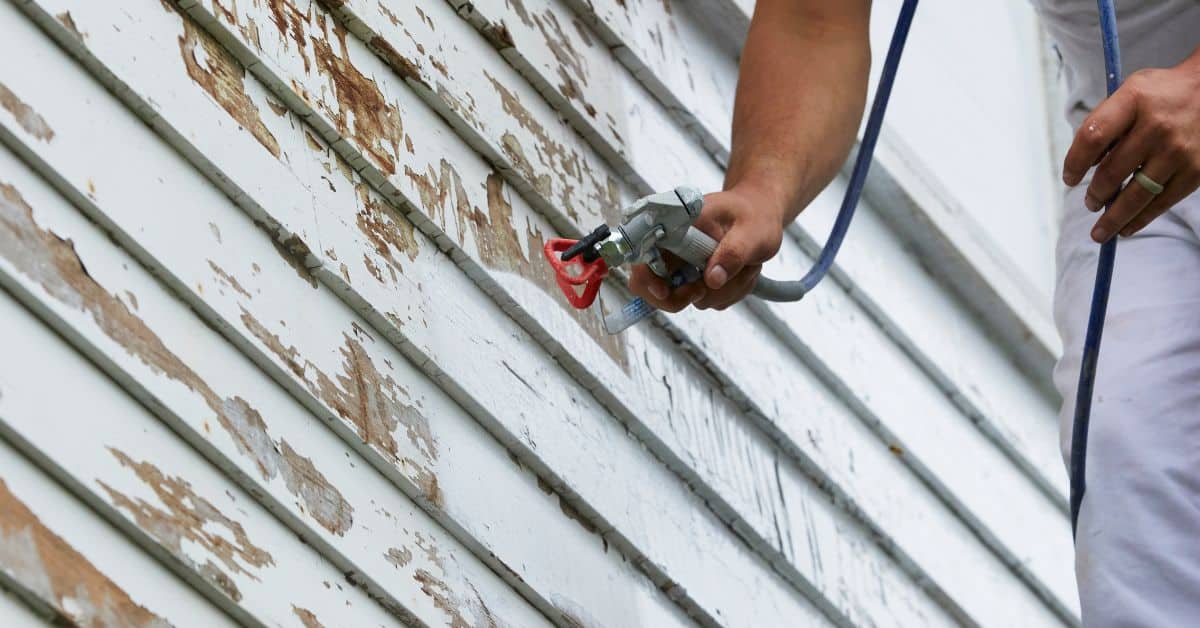
Spray application: Fast and efficient for large areas. Use a spray nozzle suitable for your material’s viscosity (check product label). Maintain a consistent distance from the surface (12″ to 24″) and move at a steady pace for even coverage. Always wear appropriate PPE.
Layer thickness, coverage, and wet-on-wet vs full cure recoats
When recoating concrete, the thickness of your new layer matters. Too thin, it won’t protect; too thick, it’ll crack.
Wet film thickness should be around 1/8″ to 1/4″. Check product labels for their specific recommendations. Aim for even coverage, no more than 300 sq ft per gallon.
Now, wet-on-wet or full cure? Wet-on-wet (applying new coat before the first one’s fully cured) can speed things up, but it’s risky. You might end up with a weak bond and flaking. I’d recommend waiting for a full cure, usually 28 days, unless you’re using a product that allows wet-on-wet application.
Environmental controls during application
Listen up, DIYer. You can’t just slap that new coat on and hope for the best. The weather’s got a say in this too.
Temperature: Check your product label, but generally, you want it between 50°F to 70°F (10°C to 21°C) when applying and curing. Too cold, and the concrete won’t set right. Too hot, and it’ll cure too fast, leading to cracks.
Humidity: Keep an eye on that too. You want relative humidity between 40% to 70%. If it’s too dry, the concrete will lose moisture too fast, again leading to cracks. Too humid, and you’ll have a hard time getting a good bond.
Dew Point: This is the temperature below which water vapor in the air condenses into liquid water. You want it at least 5°F (3°C) lower than the concrete surface temp during application and curing. Check your local weather forecast to see what’s going on.
Common Mistakes, Troubleshooting, and Repair Protocols
Identify top failure causes such as poor surface prep, moisture intrusion, or contamination, and map them to corrective actions. Use a straightforward diagnostic approach to decide between spot repair and full-system recoat. Keep the plan practical and repeatable.
Detail precise surface prep steps before repairs and specify compatible primers and bonding systems. Provide clear repair sequences, feathering, and cure instructions. Include safety, ventilation, and PPE considerations for every scenario.
Frequent application and prep errors to avoid
To prevent your elastomeric coating from peeling, steer clear of these common mistakes during application and preparation.
- Inadequate surface cleaning: Dirt, grease, or other contaminants can hinder adhesion. Always clean the surface thoroughly before applying any coating.
- Skipping primer: Primer promotes better adhesion and seals the substrate. Never skip this step to avoid peeling later on.
- Applying in wrong conditions: Extreme temperatures, high humidity, or direct sunlight can affect curing. Apply coatings only when conditions are suitable.
- Using incompatible materials: Ensure your primer, coating, and any other products used are compatible to prevent delamination.
By avoiding these common mistakes, you’ll significantly improve the longevity of your elastomeric coating.
Spot repair workflow for localized failures
For small areas with peeling or cracking, follow this step-by-step spot repair process to restore your elastomeric coating’s integrity.
1. Remove: Scrape off any loose material using a putty knife or similar tool. Be careful not to damage the surrounding area.
2. Clean: Thoroughly clean the affected area with a suitable cleaner to remove any dirt, grease, or contaminants. Allow it to dry completely.
3. Profile: Lightly abrade the surface using sandpaper or a grinding tool to create a profile for better adhesion of the new coating. Vacuum away dust.
4. Prime: Apply a compatible primer to seal the substrate and promote better adhesion of the elastomeric coating. Follow the manufacturer’s instructions for application and drying times.
5. Recoat: Apply the elastomeric coating using your preferred method (brush, roller, or spray). Ensure even coverage and feather the edges to blend with the existing coating.
6. Inspect: After the recommended cure time, inspect the repaired area to ensure it’s properly adhered and there are no signs of further peeling or cracking.
Escalation and when to hire a specialist
While this guide covers many troubleshooting steps, there are instances where professional help is needed. Here’s when to consider hiring a specialist.
If you notice widespread delamination, affecting large areas of your coating, it might be due to an underlying issue that requires expert diagnosis and repair.
Similarly, if you suspect structural corrosion or unknown contaminants are causing the peeling, it’s best to consult a professional. They have access to specialized testing equipment and can provide tailored solutions for your specific situation.
Don’t hesitate to seek help when needed. A professional assessment can save you time, money, and further damage in the long run.
Safety, Seasonal, and Environmental Considerations
Outline PPE and site safety measures, including gloves, eye protection, respirators, and footwear. Describe site controls and handling of coatings to minimize exposure. Include basic instructions for safe work practices on the jobsite.
Discuss ventilation, indoor versus outdoor work, and monitoring of VOCs during mixing and application. Address disposal, waste handling, and regulatory aspects. Explain how seasonality affects timing, adhesion, and recoat windows, with quick decision rules for delaying work when conditions are not right.
Personal protective equipment and safe handling
Safety’s your top priority. Here’s what you need:
- Gloves: Protect hands from chemicals. Choose nitrile or neoprene, < $10/pair.
- Goggles: Shield eyes from splashes. Safety glasses won’t cut it; get goggles with side shields, around < $5.
- Respirator/VOC-rated mask: Protect lungs from fumes. Half-face respirators are best, < $20-$30.
- Boots: Guard against slips and drops. Safety toes optional; expect to pay around < $50.
- Solvents & coatings: Handle with care. Keep lids tight, store upright, dispose responsibly.
Seasonal and weather timing for best outcomes
Timing is crucial for successful repairs. Here’s what to consider:
Temperature: Most elastomerics cure best between 50-90°F (10-32°C). Too cold, they won’t cure; too hot, they cure too fast.
Humidity: Avoid high humidity (>85%) as it can affect adhesion and curing. Low humidity (<40%) can cause rapid drying and cracking.
Weather patterns: Steer clear of rain or snow for at least 24 hours after application. Freeze-thaw cycles can damage uncured coatings.
Environmental regulations and VOC concerns
Before you start, check local rules to stay compliant:
VOC limits: Some areas have restrictions on volatile organic compounds. Check yours; don’t exceed 350g/L without a permit.
Waste disposal: Hazardous waste needs special handling. Find your local hazardous waste facility and follow their guidelines.
Spills: Clean up promptly to prevent runoff into drains or water sources. Use spill kits if necessary; they’re around < $20-$50.
Costs, Maintenance Plan, and Real-World Examples
Identify primary cost drivers such as materials, surface prep, and labor for removal and recoats. Explain how costs vary with substrate size, access, and required prep. Emphasize evaluating value alongside material choice and long-term performance.
Outline a practical maintenance plan with an inspection cadence and early warning signs. Provide a simple budgeting framework and note how to document actions for maintenance records. Include brief real-world cases showing actions taken and outcomes to guide future repairs.
What drives repair vs replacement costs (what to check)
Before you start, use this checklist to understand what factors affect your repair or replacement costs.
- Area size: Measure the affected area. Larger areas mean more materials and labor.
- Access/scaffolding: Consider if scaffolding is needed. It adds cost but ensures safe access to hard-to-reach spots.
- Prep intensity: Assess the prep work needed (cleaning, sanding, filling). More intense prep means more time and materials.
- Materials chosen: Different coatings, primers, and aggregates have varied prices. Opt for quality but consider your budget.
- Disposal needs: Check local regulations for waste disposal. Some materials may incur extra costs to dispose of properly.
- Substrate condition: Inspect the underlying surface. Poor substrate condition may require additional repair work and materials.
- Labor hours: Estimate how long removal, application, and recoats will take. More time means higher labor costs.
- Weather conditions: Consider seasonal factors that might impact the job’s timeline or require environmental controls.
Quick rule: The more prep work needed and the larger the area, the higher your repair costs will be. Always get quotes from professionals to ensure accurate pricing.
Preventive maintenance checklist and inspection frequency
Regular inspections help catch issues early, preventing costly repairs or replacements. Use this checklist for a practical maintenance plan.
- Inspect annually: Check the entire coated surface for any signs of wear, peeling, or cracking.
- Clean regularly: Remove dirt, mildew, or other buildups using a suitable cleaner to maintain coating performance.
- Check drainage: Ensure water drains properly. Standing water can cause coatings to fail prematurely.
- Monitor temperature changes: Extreme heat or cold can stress coatings. Inspect after significant temperature swings.
- Inspect sealants: Check caulking and other sealants around windows, doors, and joints for signs of failure.
- Touch up minor issues: Address small cracks or chips promptly to prevent them from growing.
- Document findings: Keep records of your inspections and any repairs made. This helps track the coating’s condition over time.
Quick rule: Inspect annually, clean regularly, and touch up minor issues promptly to extend your coating’s life and prevent major repairs.
Short case studies and lessons learned
Here are a few examples of typical failures, repair choices made, and the outcomes to learn from:
Case 1: A homeowner neglected regular cleaning. Dirt buildup caused premature coating failure. Lesson: Regular cleaning is crucial to maintain coating performance.
Case 2: Another homeowner ignored small cracks, leading to widespread peeling. Lesson: Address minor issues promptly to prevent them from growing into major problems.
Case 3: A homeowner used low-quality materials to save money but ended up with a short-lived coating that required early replacement. Lesson: Investing in quality materials can save you money in the long run by extending your coating’s life.
Conclusion
Finishing cracked elastomeric coatings correctly protects the surface, prevents further peeling, and keeps your building looking solid and safe. Do the work right, and you’ll have a durable coating that stands up to weather and foot traffic without repeating failures.
First, run a simple, practical check and follow a steady order: verify the substrate is sound, clean and dry; remove loose coating and loose paint; assess patchability and repairability; choose a compatible system and test a small area first; apply in the right window with proper cure times, then inspect before the second coat and finalize with a clean, protective finish. Always wear the right safety gear, avoid applying in rain or extreme heat, and document what you did for future maintenance.
Watch out for these mistakes: skip proper surface prep or skip moisture checks; mix and apply coatings that aren’t compatible with the substrate; rush the cure or apply in bad weather; ignore cure times or over-thin coatings to save time. Safety rules: test a small area first, use fall protection on elevated or sloped surfaces, ventilate if indoors, and keep kids and pets away from fresh coatings until they cure.
If you see widespread cracking, active moisture intrusion, or deteriorated substrate behind a peeled layer, or if the area is large and complex, call a professional. Otherwise, you can move forward with confidence and a clear plan, knowing you have the steps and safety guardrails to avoid costly mistakes and keep the finish looking solid for years. You’ve got this.
FAQ
What typically causes elastomeric coatings to crack?
Cracks usually come from substrate movement, existing cracks, or poor adhesion. UV exposure, cold weather, and moisture can also make a coating brittle. If you apply too thick a coat, it can crack as it cures.
How should I prep the surface before recoating?
Clean the area thoroughly and remove all loose peeling coating. Roughen or abrade the existing film so the new coat can grip. Repair or patch any surface damage, and make sure the surface is dry before you start.
What are proper techniques for applying new coating layers?
Follow the manufacturer’s instructions for layer count and thickness. Apply in thin, even coats and back-roll to smooth out ridges. Allow adequate cure time between coats as recommended on the label.
What are common issues leading to peeling and how can I prevent them?
Blisters and delamination come from moisture trapped under the coating or a dirty surface. Prevent by fixing cracks, ensuring a dry substrate, and using compatible products. Maintain proper temperature and avoid applying when conditions are unsuitable.