
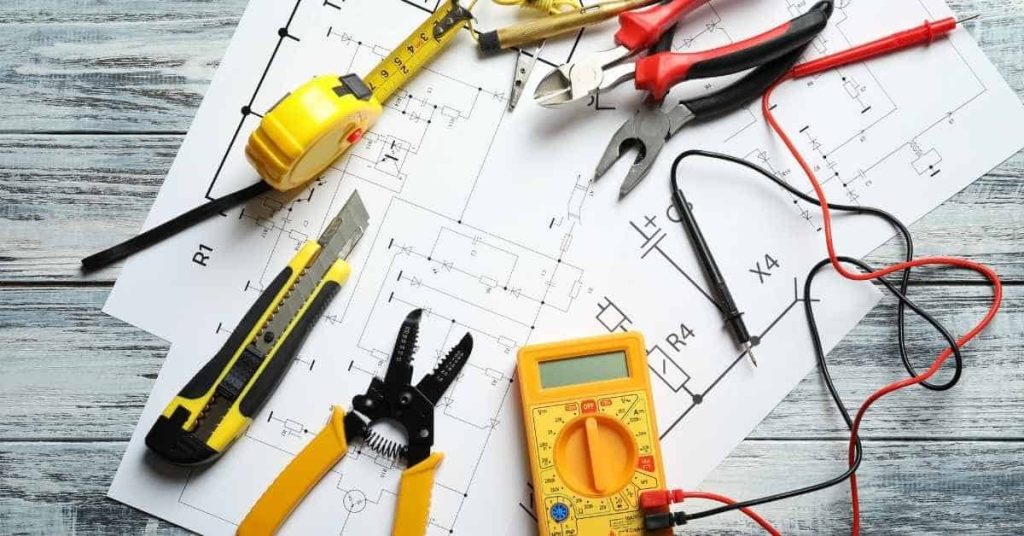
Introduction
Electrical box extenders adjust the depth of a box so the device sits flush with drywall.
Key takeaways
- Match drywall thickness with extender depth to keep devices flush.
- Measure drywall and box depth accurately before selecting any extender.
- Choose extender type by box style, mud thickness, and finish height.
- Follow manufacturer instructions and local codes for safe, compliant installation.
- Plan mud ring coverage and eliminate cracks with proper joint compound.
- Power off, inspect conductors, avoid overtightening or forcing components during work.
Table of Contents
- Introduction
- Key takeaways
- Why Box Extenders Matter for Drywall Thickness
- Measuring Drywall and Box Depth Accurately
- Types of Electrical Box Extenders and How to Choose
- Material Specs and Standards Explained
- Tools and Materials Checklist
- Step-by-Step Installation for Typical Scenarios
- Preventing Cracked Mud Rings and Cosmetic Failures
- Troubleshooting, Repairs, Buying Guidance, and When to Replace Vs Extend
- Conclusion
- FAQ
Why Box Extenders Matter for Drywall Thickness
When drywall sits at the wrong depth, devices can look recessed or protrude. That misalignment often leads to cracked mud rings during finishing. A proper extender helps keep the device flush and the mud line intact.
Depth issues also create safety and aesthetic concerns, especially around switches and outlets. Using the right extender reduces snap-on or ring failures and improves overall appearance and reliability. Always verify that the extender matches your wall thickness and device type before proceeding.
What goes wrong when boxes aren’t flush
When electrical boxes are too shallow, they can’t support the drywall mud ring properly. This leads to cracks around the device.
The tension from screwing in devices like switches or outlets can also cause these cracks. Paint won’t stick well over cracked mud rings, leading to poor finishes.
Loose devices are a safety risk. They can wobble, making it hard to insert plugs securely. Worse, they might fall out entirely, exposing live wires.
Benefits of using the right extender
Using extenders ensures your devices sit flush with the drywall. This makes them easier to use and looks neater.
With the right depth, you can access connections and ground wires safely. No more straining to reach into a box that’s set back too far.
Extendable boxes also accommodate different drywall thicknesses. So, you’re ready for any changes during construction or renovation.
Measuring Drywall and Box Depth Accurately
Start by identifying the face of the stud and the device front. Measure the total stack-up from the stud face to the device front, not just the drywall surface. Keep notes for single-layer and multilayer drywall scenarios as the numbers change with each layer.
Use a simple straightedge and a tape measure, and double-check from multiple angles. If you’re unsure about the stack-up, consult the product label, data sheet, or manufacturer instructions for accepted ranges. Record the measurements before selecting extenders.
Measuring techniques for retrofit jobs
When you’re working on an existing home, measuring for box extenders can be tricky. Here’s how to do it right:
1. Use a probe to measure the depth from the stud face to the back of the electrical box. This gives you your starting point.
2. Next, use a tape measure to determine the thickness of the drywall. If it’s multilayer, make sure to account for all layers.
3. Finally, use feeler gauges to ensure accuracy. They’re thin metal strips that help you get an exact measurement. Record these measurements before heading out to buy extenders.
Accounting for mud rings, device thickness, and trims
Mud rings, device thickness, and trims can all affect your final measurement. Here’s how to account for them:
1. Mud rings add depth. Measure their thickness and add it to your drywall measurement.
2. Device thickness varies. Measure the depth of the device you’ll be using (switch, outlet, etc.) and add that to your total.
3. Trims can also affect flushness. If you’re using trims, measure their depth and include it in your calculation.
Types of Electrical Box Extenders and How to Choose
Plastic snap-on extenders are common for quick fixes and lighter-duty use. Metal ring extenders can provide a stronger finish in damp or high-stress areas. Adjustable or stackable risers give flexibility when wall thickness varies or is not standard.
Choose based on the device type, wall composition, and ongoing access needs. Check that the extender is compatible with your box style and the drywall thickness you measured. If in doubt, read the manufacturer instructions and label for compatibility notes.
Plastic vs. Metal Extenders: Pros and Cons
The choice between plastic and metal extenders depends on your job’s specific needs.
Pros of Plastic Extenders
- Inexpensive
- Lightweight, easy to handle
- Won’t rust or corrode
- Good for temporary or low-use situations
Cons of Plastic Extenders
- Less durable than metal
- Can warp or melt under high heat
- Paint and mud adhesion may not be as strong
- Not suitable for high-load applications
Plastic extenders are great for low-use areas, temporary installations, or where budget is a concern.
Adjustable and Stackable Extenders
Adjustable extenders allow you to fine-tune the depth for various drywall thicknesses. They’re ideal for retrofit jobs or when you’re unsure about your wall’s exact thickness.
Stacking multiple extenders is possible, but follow these safety practices:
Use only compatible extenders from the same manufacturer to ensure proper fit and support.
Avoid stacking more than three extenders high. Excessive stacking can lead to instability and potential damage.
Material Specs and Standards Explained
Look for markings that indicate compatibility with your box and wall material. Manufacturer compatibility notes help you avoid mismatched parts. Listings from UL or CSA provide a baseline for safety and performance.
Understanding what these labels mean helps prevent improper installations that could lead to failures. If a label is unclear, verify with the manufacturer instructions or local code guidance before buying or fitting extenders. Always prioritize compliant options for your project scope.
Common drywall thicknesses and what they mean
Drywall comes in various thicknesses. Common ones you’ll find are:
- 1/2″ (12mm): Standard for most residential walls.
- 5/8″ (16mm)
- 3/4″ (19mm): Rarely used, but can be found in some commercial buildings.
: Used for fire-resistant construction or where extra durability is needed.
Pro tip: Always measure your drywall on site. Thicknesses can vary between batches.
Box, extender, and device compatibility labels to check
To ensure everything works together smoothly:
- Electrical boxes: Look for markings like ’14/12′ or ’14/20′. These indicate the wire gauge they can handle.
- Extenders: Check if they’re compatible with your box’s marking. Some extenders are only rated for certain box sizes.
- Devices (switches, outlets): Ensure they match your box’s rating and have the same ’14/12′ or ’14/20′ marking.
Why it matters: Using incompatible components can cause overheating, arcing, or even fires. Stick to listed combinations for safety.
Tools and Materials Checklist
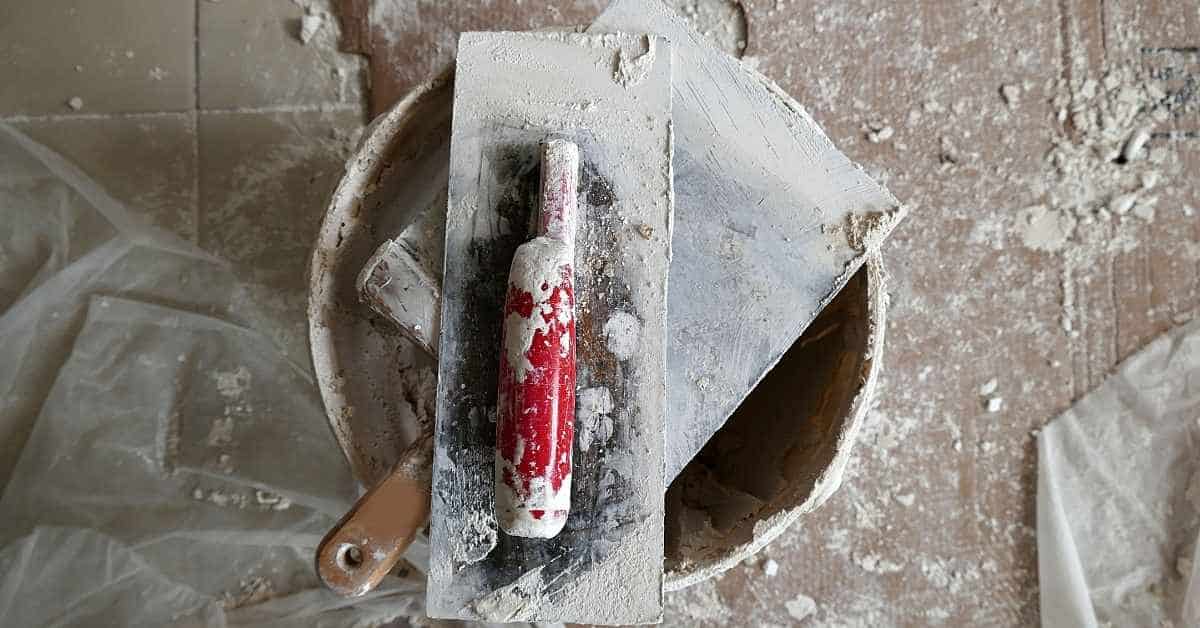
Gather essential tools like a tape measure, screwdriver, and utility knife. Have safety gear such as eye protection and a dust mask on hand. Keep spare mud, a putty knife, and a sanding block handy for finishing.
Stock up on extenders that fit your box type and drywall thickness, plus any required fasteners or spacers. If you’re unsure about what to use, check the product label or instructions for the extender you plan to install. Lay out everything before you start to avoid mid-project trips to the hardware store.
Must-have tools and safety equipment
Before you start, make sure you have all the right gear to get the job done safely and efficiently.
- Tape measure: To accurately measure drywall thickness and box depth. Skipping this can lead to wrong extender choices or crooked boxes.
- Nutdriver set: For installing and removing extenders, mounting screws, and other fasteners.
- Flush-cut saw: To trim wires cleanly without damaging them. Using the wrong tool can cause wire damage or poor connections.
- Screwdrivers (flathead and Phillips): For various tasks like installing mud rings, trims, and finishing supplies.
- Utility knife: To score and cut drywall. Using a dull blade can cause uneven cuts or damage to the wall.
- Safety glasses: Protect your eyes from debris during cutting and sanding.
- Work gloves: To protect hands from sharp edges, hot surfaces, and other hazards.
- Dust mask: For sanding and cutting to prevent inhalation of dust particles.
Quick rule: Always prioritize safety. Wear appropriate PPE throughout the job.
Materials and fastener choices
Selecting the right materials ensures a flush, secure, and finished look for your electrical boxes.
- Electrical box extenders: Choose compatible types based on your drywall thickness (see ‘Types of Electrical Box Extenders’ earlier). Using wrong extenders can lead to crooked boxes or incomplete coverage.
- Mud rings: Select the right size and finish to match your wall build-up. Incompatible mud rings can cause gaps, cracks, or uneven surfaces.
- Mounting screws: Use appropriate length based on wall build-up. Too short can cause insecure mounting; too long may damage wires or penetrate through drywall.
- Shims: For fine-tuning flushness when necessary. Skipping shims can result in crooked boxes or uneven surfaces.
- Finishing supplies (joint compound, tape, sandpaper): Choose based on your wall finish and texture. Using incompatible supplies can cause poor adhesion, cracking, or an unprofessional look.
Quick rule: Always check compatibility between materials to ensure a smooth, finished look.
Step-by-Step Installation for Typical Scenarios
For retrofit single-layer drywall, position the extender so the device front sits flush with the finished wall. Secure per the extender design, then install mud rings and tape as you normally would. If the wall has multilayer drywall, select an extender rated for the thicker stack-up and recheck flush alignment.
For new-construction box setting, install the box first, place the extender to achieve flush alignment with the final wall surface, and then proceed with drywall and mudding. Always verify device depth after the first coat and adjust as needed. Refer to the extender’s instructions for any scenario-specific steps.
Step-by-Step Installation Process
This step-by-step guide walks you through the process of installing electrical box extenders to achieve flush devices, from preparation to final checks.
- Preparation: Gather your tools and materials. Double-check you have the right extender for your drywall thickness.
- Safety first: Turn off power at the main panel before starting any electrical work. Test wires with a voltage tester to ensure they’re dead.
- Remove cover plate: Unscrew and remove the existing cover plate, exposing the box.
- Measure and mark: Using your measurements from earlier, mark where you want the device face to be flush on the drywall.
- Attach extender: Secure the extender to the box using the provided screws. Tighten gently but firmly.
- Verify flush: With the device installed, check if it’s flush with the surface. Make any necessary adjustments.
- Finishing touches: Reinstall the cover plate or install a new one if needed. Turn power back on and test the device.
- Cleanup: Clear away debris and put yo