Elastomeric Coating: DIY Guide, Tools, and Common Mistakes

Elastomeric Coating: DIY Guide, Tools, and Common Mistakes

Introduction

Elastomeric coating can be DIY-applied to protect and seal surfaces with a flexible, durable membrane.

You’ll learn how to select materials, prepare and apply the coating, and spot and avoid the most common mistakes.

Key takeaways

  • Choose elastomeric coating with acrylic base for exterior walls and UV resistance
  • Prepare surface: remove flaking paint, clean, dry, and prime pores before coating
  • Use weather-appropriate tools: rollers, brushes, and a thick nap for porous substrates
  • Apply in thin coats, maintain wet edge, and allow full cure between coats
  • Environmental safety: wear respirator, gloves, and ensure proper ventilation during application
  • Inspect and repair cracks before next coat to avoid delamination or failure
Table of Contents

What is an Elastomeric Coating?

Elastomeric coatings are flexible, rubbery coatings that form a continuous film capable of bridging hairline cracks without cracking themselves, unlike ordinary paints which dry hard and sealants which are more rigid. They differ from conventional paints by their elasticity and water-sealing performance, and from sealants by being a weatherproof topcoat rather than a moldable filler; in practice, they provide a protective skin that moves with the substrate. Common formulations include acrylic-based coatings, acrylic-modified cement blends, and silicone blends, which vary in surface compatibility, cure behavior, and odor or odor-related VOC considerations; always check the product label for substrate guidance and VOC limits.

For a DIY homeowner, this matters because you get real durability against rain, sun, and temperature swings, plus the ability to cover minor surface movement without repeated coating failures. The key benefits to look for are waterproofing performance, genuine flexibility to absorb movement, UV resistance and reflectivity, and breathability to avoid moisture entrapment under the film; also verify adhesion, film thickness, curing time, and mildew resistance. Use elastomeric coatings on roofs, exterior walls, and decks where hairline cracks or dampness are concerns, but avoid over-application or applying to damp or dirty surfaces—check substrate prep and follow the label for surface preparation and application guidelines.

Elastomeric vs Paint vs Sealants

Elastomeric coatings are not your typical paint or sealant. They stand out with their ability to stretch and contract, making them perfect for surfaces that move due to temperature changes. Unlike regular paints, which can crack over time as the substrate shifts, elastomerics bridge hairline cracks, keeping water out and maintaining a smooth surface.

Sealants are more about creating barriers against moisture and air, often used in joints where movement is expected. They’re great for sealing gaps but lack the coverage and durability of an elastomeric coating. Paints offer color and protection but don’t have the flexibility or longevity that elastomerics provide.

When it comes to choosing between these options, think about your surface needs. If you’re dealing with a roof or deck where water resistance is key and movement is likely, go for an elastomeric coating. For joints and gaps, sealants are better suited, while paints work well on stable surfaces like interior walls.

How Elastomeric Coatings Work

Elastomeric coatings create a protective layer that’s both tough and flexible. As they dry, they form a polymer film that adheres tightly to the substrate while allowing it to expand and contract without cracking. This flexibility is crucial for surfaces like roofs and decks where movement due to temperature changes is common.

The coating also acts as a shield against UV rays, reflecting sunlight away from the surface. This not only helps in keeping the underlying material cooler but also prevents degradation caused by prolonged exposure to the sun’s harmful rays.

Another key feature of elastomeric coatings is their ability to breathe. They allow moisture vapor to escape while preventing liquid water from penetrating. This breathability keeps surfaces dry and reduces the risk of mold or mildew growth, making them ideal for exterior applications where moisture can be a problem.
Back to top ↑

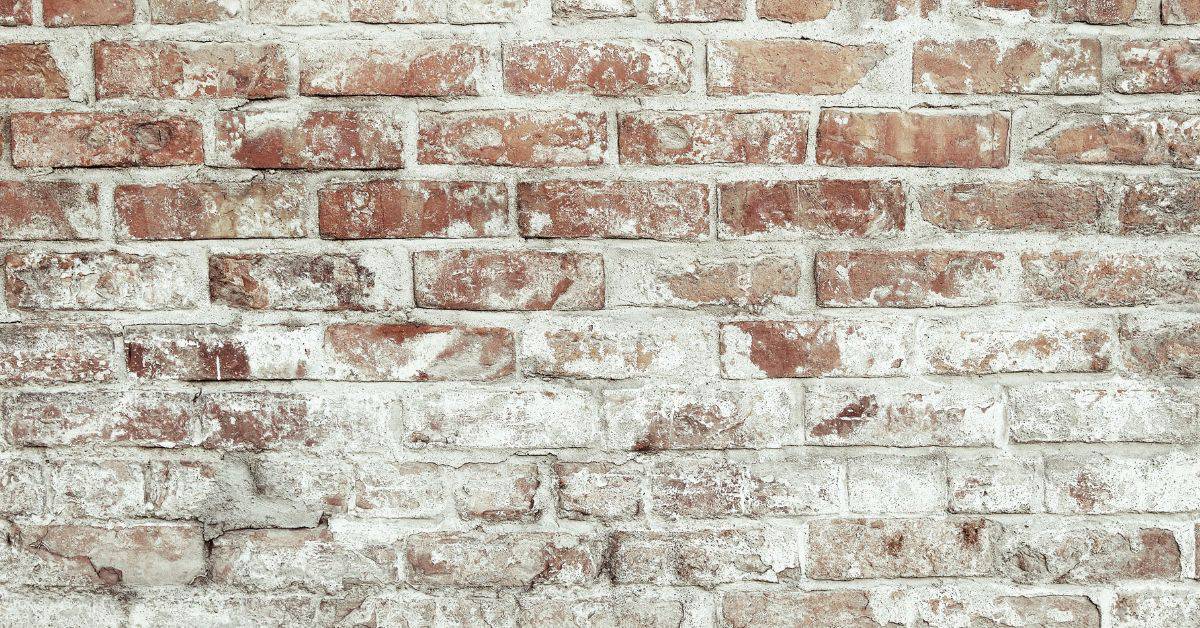
Close-up of weathered brick wall with uneven white coating

Suitable Surfaces and When to Use Them

This section covers common substrates: metal, concrete/masonry, built-up roofing (BUR), single-ply membranes, and wood. Each material has its own porosity, movement, and surface contaminants that affect adhesion and primer needs. It also explains when you can coat over an existing surface and when deterioration means replacement.

Preparation matters: cleaning, degreasing, rust removal, and proper primer choice depend on the substrate. These decisions affect adhesion, flexibility, and how the coating will perform over time, especially on porous or moving surfaces. Always check the manufacturer instructions and local rules for specifics before proceeding.

Metal Roofs

When it comes to metal roofs, the key is making sure the surface is clean and free of rust. Rust can eat through your coating fast, so if you see any signs of rust or rust stains, hit them with a wire brush and some rust remover before applying the elastomeric coating.

You’ll also need to make sure the metal is primed properly. Use an appropriate primer that adheres well to both the metal surface and the elastomer. This will ensure your coating sticks like glue and doesn’t peel off in the first rainstorm.

For galvanized or painted metal, you might find a degreaser helps prep the surface better. Clean it thoroughly with a solvent-based cleaner before priming and applying the coating. A clean, dry surface is crucial for good adhesion.

Concrete, Masonry, and Built-Up Roofing

These surfaces are porous, which means they can suck up moisture like a sponge. Before applying an elastomeric coating, you need to make sure the surface is clean and dry. Any dirt or debris will prevent the coating from bonding properly.

If there’s any cracking on concrete or masonry, fill those cracks with a sealant before you coat it. The elastomer can bridge small gaps but won’t fix big cracks. Once filled, let the sealant cure for at least 24 hours before applying your coating.

Built-up roofing (BUR) is another story. If the BUR has blisters or is failing in spots, you might need to replace it rather than recoat. Check with the manufacturer’s guidelines on whether a primer is needed and if there are any specific prep steps for BUR surfaces.

Single-Ply Membranes and Other Substrates

When dealing with single-ply membranes like EPDM, TPO, or PVC, compatibility is key. These materials are often smooth and nonporous, which can make adhesion tricky without the right primer. Always check the manufacturer’s recommendations for primers specific to your membrane type.

If you’re recoating over an existing single-ply membrane, do a peel test first to see if there’s any adhesion issues. If it peels off easily, you might need to replace the old membrane instead of recoating. This is especially true if the membrane has been exposed to UV damage or other environmental factors that can degrade its surface.

For substrates like wood, moisture content is a big concern. Wood needs to be dry and free from any loose fibers before coating. If it’s too damp, you’ll end up with blisters and peeling later on. Make sure the wood is properly sealed and primed if necessary, following manufacturer guidelines.

Back to top ↑

Planning Your DIY Project

Planning your DIY project starts with a solid pre-work checklist that you can actually follow on day one. Inspect the surface and site for cleanliness, moisture issues, delamination risks, and any structural prep needs, then map out the scope, required materials, and realistic quantities you’ll want to have on hand. Check permits, HOA rules, access constraints, and set a practical schedule with built-in time for prep, application, and curing, plus a buffer for surprises.

Defining a weather window and curing considerations helps you avoid backtracking, skip days when conditions spoil work, and choose application steps that align with expected climate. Do careful measurements and calculations now, including area size, coating thickness expectations, and any contingency you’d want, then pin down costs, tools, PPE, and a practical timeline that matches your crew or solo pace. Keep a simple safety plan and records of decisions so you can defend your method if questions come up and you can learn from what you documented, and you can repeat the process on future projects with less guesswork as you gain experience.

Calculating Materials and Costs

The right materials can make your project a success. Measure carefully to avoid shortages or waste.

  • Measure Area: Use a tape measure, calculate square footage, add 10% for waste.
  • Determine Coverage: Check product datasheets for coverage rates per gallon, adjust based on surface condition.
  • Estimate Quantity: Calculate primer and coating needs separately, include extra for touch-ups.
  • Budget Range: Expect $1-$2 per square foot for materials; check local prices online or at stores.
  • Avoid Underestimating: Overestimate slightly to avoid running out mid-project. Use a calculator app for accuracy.

Risk Assessment and When to Hire a Pro

Roof pitch, existing damage, and access issues can make DIY projects risky. Assess these factors before starting.

If your roof is steep or has significant damage, consider hiring a professional. They have the safety gear and experience needed for complex jobs.

Check local building codes and warranty requirements. Some manufacturers may void warranties if work isn’t done by certified professionals.

Back to top ↑

Tools, Equipment, and Materials Checklist

A clear, DIY-friendly tools roster is the backbone of a solid coating job. You need surface prep gear, application tools, seam and edge tools, plus PPE, primers, sealants, elastomeric coatings, and the testing gear to verify your work. I’ll explain why each category matters and how to choose practical options without overbuying.

Know what you’re buying and how it fits your project: pressure washers or scrubbing brushes for prep, roller frames with the right nap, and sprayer options for even application, plus caulk guns and putty knives for joints and edges. PPE and safety gear keep you sane and healthy, while compatibility notes on primers, sealants, and elastomeric coatings guide product choice, especially when surfaces vary in moisture or porosity. Testing tools and condition checks prevent surprises, with simple steps for moisture, adhesion tests, and acceptable ambient conditions to avoid failures later.

Tool Selection and Alternatives

This checklist helps you pick the right tools for your job size.

  • Pressure washer: For large surface prep; check water pressure settings to avoid damaging substrate. Skipping can lead to uneven coating application.
  • Hand rollers: Use for small areas; ensure proper nap selection based on surface texture. Not using the right roller leads to poor coverage and wasted material.
  • Airless sprayer: Ideal for large jobs; test spray tips for even distribution. Skipping this step can result in inconsistent coating thickness.
  • Caulk gun: For sealing joints and edges; ensure proper nozzle size fits sealant cartridge. Using the wrong nozzle wastes material and time.
  • Brushes: Good for tight corners and edges; choose stiff bristles for elastomeric coatings. Not using brushes can leave areas uncoated, causing leaks.
  • Extension poles: For hard-to-reach spots; check compatibility with your sprayer or roller frame. Skipping this step limits coverage and increases labor.
  • Masks/respirators: Essential for spraying; choose appropriate filter based on coating type. Not wearing can lead to health issues from chemical exposure.

Quick rule: Always test your tools before starting the job to ensure they work properly and efficiently.

Safety Equipment and Fall Protection

This checklist ensures you have all necessary safety gear for working with elastomeric coatings.

  • Eyewear protection: Use goggles or face shields; check seals fit securely. Not wearing can lead to chemical burns or injuries from debris.
  • Gloves: Wear thick, durable gloves; ensure a good grip and flexibility. Skipping this step exposes your hands to harmful chemicals.
  • Respirator/mask: Use if spraying; check filter compatibility with coating type. Not using can cause respiratory issues from chemical fumes.
  • Safety footwear: Wear steel-toed boots or sturdy shoes; ensure proper fit and traction. Wearing improper footwear increases risk of slips and falls.
  • Fall protection harnesses: Essential for elevated work; check straps are secure and properly adjusted. Not using can result in serious injury or death from falls.
  • Personal fall arrest systems: Use if working at heights; ensure anchor points are strong and reliable. Skipping this step increases risk of falling off the roof.
  • Ventilation equipment: Ensure proper air flow; check filters and fans work correctly. Not having adequate ventilation can lead to poor air quality and health risks.

Quick rule: Always follow OSHA guidelines for safety equipment and fall protection, ensuring all gear is compatible with your roof type.

Back to top ↑

Worker spreads blue epoxy over a curved surface with a trowel.
Maintain an even coat along curves to ensure proper adhesion.

Step-by-Step Application Process

Start with a quick inspection to judge coating condition and surface readiness. Clean the surface, fix cracks and gaps, then decide if a primer is needed before painting. Apply the first coat evenly, watch for lap marks, then plan the second coat after the right conditions and surface feel. Finish with a final inspection and curing plan so you know when it’s safe to touch and what to check for adhesion.

Following this order keeps adhesion solid and avoids rework. With DIY projects, a clear sequence and checkpoints help you catch issues early and plan curing. Always check the label for primer needs and environmental limits.

Step-by-Step Process

This sequence ensures your surface is ready for coating and that the application process goes smoothly.

  1. Conduct a pre-coating inspection to identify any issues like peeling or cracking. Note down specific areas needing attention.
  2. Clean the surface thoroughly with a pressure washer and detergent, removing all dirt, mold, and efflorescence. Check that no residue remains before proceeding.
  3. Make minor repairs such as filling cracks and gaps using appropriate sealants or patching compounds. Ensure these areas are smooth and level to avoid future issues.
  4. If required by the substrate or existing coating, apply a primer according to manufacturer instructions. Let it dry completely before moving on.
  5. Mix your elastomeric coating per the manufacturer’s guidelines and set up all necessary tools and equipment. Check temperature and humidity levels match recommended ranges.
  6. Apply the first coat using a roller, brush, or spray gun as specified by the product instructions. Ensure uniform coverage without lap marks. Allow sufficient time for drying before applying the second coat.
  7. After the recoat window has passed, apply the second coat in the same manner and direction as the first to achieve consistent thickness and adhesion.
  8. Once both coats are applied, conduct a final inspection to check coverage and uniformity. Confirm that all areas have been properly coated and adhere well to the surface.

Surface Preparation and Repairs

Cleaning your substrate is crucial for proper adhesion of the elastomeric coating. Use a pressure washer with detergent to remove dirt, mold, and efflorescence thoroughly.

For rust removal on metal surfaces, apply a rust converter before proceeding. This prevents future corrosion issues that could compromise the integrity of your coating.

Seal any seams or joints using appropriate sealants designed for elastomeric coatings to prevent water intrusion and maintain structural integrity.

Repair cracks, blisters, or other defects in the substrate by filling them with suitable patching compounds. Ensure these repairs are smooth and level before applying your coating.

Coating Application Techniques

The application method you choose can significantly impact the quality of your final product. Follow manufacturer recommendations for tools like rollers, brushes, or spray guns.

Achieve a wet film thickness as specified by the coating’s data sheet to ensure proper coverage and adhesion. Use overlap techniques to avoid lap marks and maintain uniformity across the surface.

Timing between coats is critical; follow the recoat window provided in your product documentation to allow for adequate drying time without compromising performance.

Maintain consistent application speed and technique throughout the process to ensure even coverage and prevent issues like sagging or streaking.

Back to top ↑

Common Mistakes to Avoid

Common mistakes DIYers make are skipping proper surface prep, working in the wrong conditions, applying the coating too thick or too thin, skipping needed coats, and letting safety lapse. Quick fixes: clean and degrease, remove mildew or moss, repair cracks, and verify the substrate is solid before you start. Verify you’re using the right product for the surface and follow the label’s prep steps instead of guessing.

Why it matters: poor prep and bad timing lead to peeling, cracking, or moisture traps that show up after a few days. Knowing the right thickness strategy, coating multiple coats when needed, and observing proper flash-off and drying cues helps you get a durable job without rework. Always follow mixing instructions, avoid premature thinning, and check compatibility with primers or sealants—if in doubt, look up the label or manufacturer guidance and plan a backup approach for shifting weather.

Weather and Curing Errors

Mistakes in weather selection and curing can ruin your elastomeric coating project. Here’s how to avoid them.

  • Wrong temperature range: Apply when it’s between 50°F and 90°F for best results. Check the forecast before starting.
  • Rain or dew issues: Avoid applying on rainy days or when dew point is high to prevent water from affecting curing.
  • Inadequate drying time: Ensure each coat dries fully before adding another. Use a flash-off timer for accuracy.
  • No check on cure progress: Monitor the coating’s dryness and flexibility daily until it cures completely, usually 7-10 days.

By following these guidelines, you’ll ensure your elastomeric coating adheres properly and lasts longer.

<h3Mistakes in product selection and application can lead to poor results. Here’s how to avoid them.

  • Wrong coating choice: Use the right elastomeric coating for your substrate type, like concrete or metal. Check compatibility with existing materials.
  • Incorrect dilution: Follow mixing instructions exactly; over-diluting can weaken the coating’s integrity and cause peeling.
  • Poor mixing technique: Mix thoroughly to ensure even color and consistency. Use a paddle mixer for best results.
  • No primer when needed: Apply primer if your substrate requires it, especially on porous surfaces or those with previous coatings.

Avoid these common errors to achieve a durable and long-lasting elastomeric coating application.

Back to top ↑

</h3

Maintenance, Inspection, and Longevity

Maintain a regular maintenance calendar for the coating—seasonal checks and at least one deeper annual inspection. Look for adhesion, cracking, blistering, peeling, color fade, ponding, surface contamination, and substrate integrity, and note any changes.

Document what you find and follow touch-up steps: clean, spot-prime, patch cracks, re-coat edges, and reseal joints with compatible products. This matters because good upkeep extends service life, helps catch problems early, and saves you from bigger, messier repairs later.

Visual Checkpoints and Trouble Signs

Use this checklist during your seasonal inspections to catch issues early.

  • Blistering: Look for bubbles on the surface. Confirm by popping a bubble; if water or air escapes, recoat that area.
  • Peeled coating: Check edges and corners first. If peeling is widespread, it can lead to substrate damage.
  • Cracking: Inspect for hairline cracks. Confirm by touching the crack; if it’s deep, patch with elastomeric filler.
  • Ponding water: Check low spots where water collects. If standing water is present, address drainage issues to prevent damage.
  • Discoloration: Note any color changes or fading. Confirm by comparing to a fresh area; if the coating fades, recoat for UV protection.
  • Contamination: Look for dirt or oil stains. Clean with mild detergent and water to prevent adhesion issues.
  • Substrate integrity: Check for cracks in concrete or masonry. If substrate is compromised, repair before recoating.
  • Blisters under coating: Inspect for raised areas; confirm by cutting a small X with a utility knife and checking if water is present.

Quick rule: Address any issues immediately to prevent further damage.

Recoating and Repairs Over Time

This checklist helps you determine when recoating is necessary and how to prepare surfaces for it.

  • Surface prep: Clean with a pressure washer or broom. Confirm cleanliness by checking for dirt, oil, or debris; if dirty, recoat won’t adhere properly.
  • Coating thickness: Measure existing coating depth. If less than recommended, apply additional coats to ensure longevity.
  • Patch cracks: Fill with elastomeric filler. Confirm by applying pressure; if filler moves, it’s not set correctly.
  • Edge re-coat: Apply a new coat around edges and corners. If skipped, water can seep in causing further damage.
  • Joint sealing: Re-seal expansion joints with elastomeric sealant. Confirm by checking for gaps; if present, moisture can enter.
  • Color matching: Choose a color that matches existing coating. If mismatched, recoat will be noticeable and unprofessional.
  • Professional attention: Consult a pro for extensive repairs or large areas needing recoating. If ignored, DIY fixes may not last.
  • Maintenance logs: Keep records of all maintenance activities. This helps track coating performance over time; if no log, issues can be missed.

Quick rule: Regularly inspect and maintain your coating to extend its lifespan.

Back to top ↑

Environmental, Health, and Regulatory Considerations

VOCs and health matters when using elastomeric coatings, along with proper disposal and runoff control. Look for low-VOC or water-based options and reflective products, and always check the product label and SDS for details. Don’t skip verifying local regulations and what the manufacturer says.

This matters because improper disposal, cleanup solvents, or runoff can create hazards and environmental issues. On-site planning, containment, and post-application checks protect your family, pets, and landscape, and keep you compliant with rules—always reference the SDS and local guidance for specifics.

Environmental Impact and Energy Benefits

Elastomeric coatings can significantly reduce energy costs by reflecting sunlight instead of absorbing it. This means less heat gets into your building, lowering the need for air conditioning during hot weather.

The reflective properties also help combat the urban heat island effect, which is when cities become warmer than their rural surroundings due to dark surfaces like asphalt and concrete. By using a light-colored elastomeric coating, you can reduce this warming effect and make your environment more comfortable.

However, it’s important to choose the right product for your climate. In colder regions, darker colors might be better as they absorb heat and help keep buildings warmer in winter. Always check the safety data sheet (SDS) of the coating you’re using to understand its specific properties.

Reflective coatings can also extend the life of your roof or walls by protecting them from UV damage, which is a big plus for maintenance and longevity.

Handling, Storage, and Waste Disposal

Elastomeric coatings need to be stored properly to maintain their quality. Keep them in a cool, dry place away from direct sunlight and heat sources. The typical shelf life is around two years if stored correctly.

If you have leftover material after your project, don’t just throw it out. Check with local hazardous-waste facilities or take-back programs for proper disposal methods. They’ll know how to handle the waste safely without harming the environment.

When cleaning up, use rags and containers that can be recycled properly. Don’t pour leftover coatings down drains or on the ground; this could cause serious environmental damage. Use a spill kit if you have any spills during application.

Always keep the safety data sheet (SDS) handy for quick reference on handling, storage, and disposal instructions specific to your product.

Back to top ↑

Hammer, assorted screws, and wall plugs spread on concrete beside orange organizer.
Sorting fasteners and plugs before working speeds up anchor installations.

Conclusion

Start with safety and a durable, good-looking finish in mind. The right preparation, correct coating choice, and careful application will protect against damage and last longer than a quick patch job.

To proceed, assess the surface and environment, choose the elastomeric coating appropriate for the job, test a small area first, mask and protect nearby surfaces, mix and apply per the label, use the correct tools and coats in the recommended order, keep temperatures and humidity in range, and allow proper cure time before use or exposure. Check fit, plan for clean-up, and review local rules if you are applying indoors or in sensitive areas.

Common mistakes to avoid are skipping surface prep and cleaning, applying a coat that is too thick or not in even passes, and ignoring ventilation, PPE, or cure times. Always test a patch first, work in workable weather, and never rush the cure. If a project feels beyond your control—big areas, complex geometry, or restrictive conditions—call a professional to prevent costly damage. Stay steady, follow the steps, and you’ll see a strong, lasting result that stays durable and clean-looking.

Back to top ↑

FAQ

Do I need a primer before applying elastomeric coating?

Primer helps the coating stick and last longer. If the surface is smooth or very porous, use the recommended primer first. Skipping primer often leads to peeling and touchups later.

What tools do I need for a DIY elastomeric coating job?

Get a roller with an extension handle, a stiff brush, a longnap roller for texture, and a quality paint tray. A margin roller helps reach edges. Have a clean scrubbing tool and buckets ready for mixing and cleanup.

How do I avoid common mistakes during application?

Clean and dry the surface before you start. Don’t apply in direct sun heat or on wet days. Follow the product’s cure time and avoid thinning beyond the manufacturer’s instructions.

What should I do if the coating starts peeling?

Stop and inspect the surface. Scrape away loose coating, clean, and reapply only after proper prep. If peeling continues, you may need a different system or professional help.

Back to top ↑