
Introduction
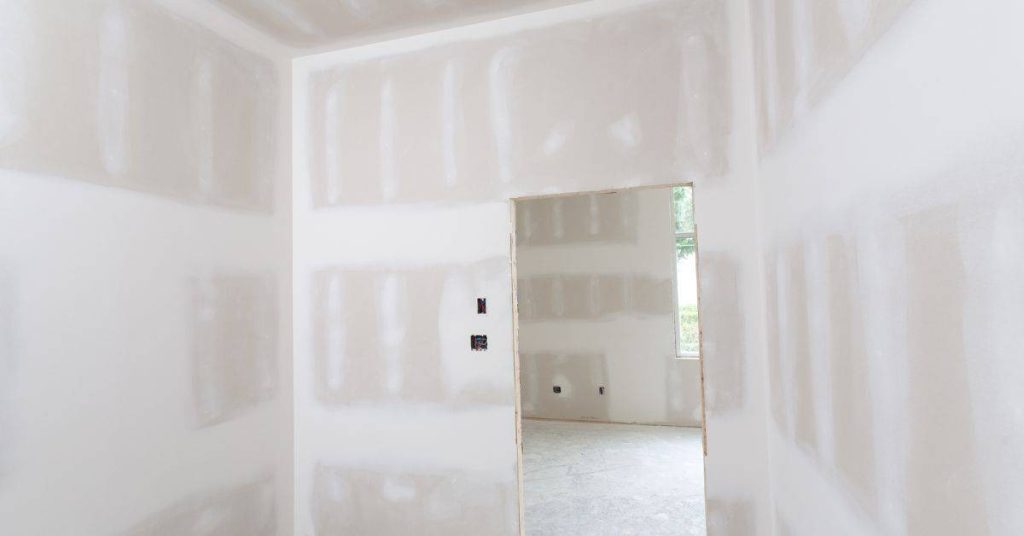
Drywall taping is the process of sealing joints with tape and joint compound to hide seams. It’s a hands-on step after hanging panels that keeps walls flat and ready for paint. You’ll work in stages, smoothing each layer so it dries without ridges.
Keep the work area clean and inspect joints as you go to stop small problems before they grow. Follow the manufacturer’s instructions for drying times and conditions, and check local rules if you’re unsure. If a joint looks high or cracked, feather the edge and let it dry before applying additional coats.
Key takeaways
- Understand the concept of “stop rules” to pause when problems surface.
- Inspect surface for flatness, thoroughly clean dust, and repair gouges before taping.
- Apply mud in thin coats, feather edges, and avoid bundling too thick layers.
- Protect occupants and workspace with ventilation, masks, and eye protection.
- Use correct tapes and fasteners, and verify screw pops are addressed prior to finishing.
- Stop DIY and call a professional if moisture, cracks, or wide gaps appear.
Table of Contents
- Introduction
- Key takeaways
- Quick Overview and the Concept of “Stop Rules”
- Tools and Materials Checklist
- Surface Assessment and Preparation
- Step-by-Step DIY Taping Workflow with Stop Rules
- Visual Checkpoints and Quality Signs
- Common Mistakes and Corrective Fixes
- Environmental and Material Considerations
- When to Stop DIY and Call a Professional
- Conclusion
- FAQ
Quick Overview and the Concept of “Stop Rules”
Taping drywall is a process with clear milestones. Understand the basics: embedding tape, applying coats, and achieving a smooth finish. The idea of Stop Rules is to pause when something doesn’t look right and verify before moving on.
Success looks like a flat, crack‑free surface with uniform texture and no edge ridges. Common failure modes include loose tape, visible joints, and sanding dust migrating into the compound. Use Stop Rules to decide when to redo a step or call in a pro for a stable finish.
What drywall taping involves
Drywall taping, also known as mudding, is the process of creating smooth, invisible seams between drywall panels. It’s a critical step in preparing your walls for painting or other finishes.
You’ll use three main tools: joint tape (usually paper or mesh), joint compound (mud), and a taping knife. Paper tape requires embedding it into the mud, while mesh tape can be used with or without mud.
The goal is to create a seamless, flat surface. You’ll apply multiple thin coats of mud, allowing each to dry before sanding and applying the next. Patience is key here; rushing will lead to visible seams.
What “Stop Rules” mean for DIYers
“Stop Rules” are clear decision points that help you know when to pause, redo, or stop your drywall taping work. They’re like traffic lights guiding you through the job.
Red light: When to stop and reassess. For example, if you’ve applied too thick a layer of mud, it might crack as it dries. Stop, let it dry, then sand and start again with a thinner coat.
Yellow light: When to slow down or seek advice. If you’re unsure about how much pressure to apply when sanding, ask an expert before you damage the surface.
Green light: When to call in a pro. If you’ve encountered major issues like bowed walls or extensive drywall damage, it’s time to bring in a professional. They have the tools and experience to handle complex problems.
Tools and Materials Checklist
Gather core tools for embedding tape, applying compounds, and smoothing joints. Include a taping knife, a mud pan, a paddle mixer, and a corner tool as needed. Have a utility knife, sanding blocks, and a sampler of sandpaper grits on hand.
Category-wise, stock joint compounds, paper or fiberglass tape, and primer suitable for drywall work. Check product labels and manufacturer instructions for use, drying times, and suitability for your wall type. If unsure, compare options and ask for store guidance or refer to the data sheet before buying.
Must-have tools
Before you start mixing concrete, ensure you have all the necessary tools. This checklist will help you verify what you need and avoid common pitfalls.
- Taping knife: Essential for applying and smoothing concrete. Start with a 4″ or 6″ trowel for small jobs, and a 12″ or 18″ for larger ones. Check the blade’s sharpness to ensure clean cuts.
- Mud pan (hawk): Used to hold and transfer concrete mix. A standard size is 6″ x 14″, but adjust based on your project’s needs. Ensure it’s clean and free of cracks.
- Hawk: This tool helps in spreading and leveling concrete. A 24″ or 30″ hawk is suitable for most jobs. Check its condition to avoid warped surfaces.
- Corner tools (inside/outside): Crucial for working in corners. Start with a 1/4″ or 3/8″ corner tool set. Verify they fit your project’s corner radius.
- Screed: Used to level and smooth concrete surfaces. A 2×4 or 2×6 works well for most DIY projects. Ensure it’s straight and free of bends.
- Float (bull float): Helps in smoothing and consolidating concrete. Start with a 18″ or 24″ float. Check its condition to avoid damaging the surface.
- Edger: Used to finish edges of slabs, preventing them from crumbling. A standard size is 3/4″, but adjust based on your project’s needs. Ensure it’s sharp for clean cuts.
- Sanding tools (if needed): For smoothing and finishing surfaces. Start with a 12″ or 18″ sanding screen. Check its condition to avoid damaging the surface.
Quick rule: Always inspect your tools before starting work. Dull or damaged tools can lead to poor finishes, extra work, and even safety hazards.
Joint compounds and tape options
Before you start taping and compounding your drywall joints, use this checklist to ensure you’ve got the right materials for the job. This is best done when your drywall is up and before you start sanding.
- Premixed vs setting compounds: Check if you need a quick-setting or standard compound. Premixed is ready to use, while setting compounds require mixing. Use premixed for small jobs or when time is critical; setting compounds are better for large areas and offer more working time.
- Compound type: Lightweight or regular: Verify if your walls are lightweight (metal studs) or standard (wood studs). Use lightweight compound for metal studs to avoid sagging, and regular compound for wood studs.
- Tape: Paper, mesh, or fiberglass?: Inspect the joint width. For narrow joints (<1/2″), use paper tape. For wider joints (1/2″ – 3/4″), use mesh tape. For very wide joints (>3/4″) or curved surfaces, use fiberglass tape.
- Tape width: Measure the joint width and select a tape that’s slightly narrower to avoid excess material. Too narrow can cause cracking; too wide wastes material.
- Compound coverage: Estimate your wall area and check if you’ve enough compound. A 16 oz tub covers about 80 sq ft, so adjust quantities as needed.
- Tape adhesive: Ensure you have a compatible tape adhesive for your chosen tape type. Read manufacturer instructions to confirm.
- Compound application tools: Check if you’ve got the right tools: wide taping knife (4″ – 6″) for applying compound, and a narrower knife (2″ – 3″) for embedding tape and final coats.
- Proper storage: Ensure all materials are stored properly to prevent drying out. Keep compounds sealed tightly when not in use, and store tapes away from heat sources.
Quick rule: Always read manufacturer instructions for specific product usage and safety guidelines. This checklist provides general guidance, but local conditions may vary.
Safety gear and prep supplies
Before you start mixing joint compound or making repairs, ensure you have the right safety gear and prep supplies to protect yourself and your home. Use this checklist before each work session.
- Dust mask/respirator: Check for a NIOSH-rated N95 or P100 filter to minimize dust inhalation. Ensure it fits properly by performing a user seal check.
- Eye protection: Wear safety glasses with side shields or goggles to protect your eyes from debris and drywall dust.
- Gloves: Use work gloves to protect your hands from cuts, scrapes, and joint compound. Check for a good grip to handle tools and materials.
- Drop cloths: Lay down canvas or plastic drop cloths to protect floors and fixtures from drywall dust and joint compound spills. Ensure they’re large enough to cover the work area.
- Ventilation: Set up a fan or dust extractor to minimize airborne dust. Position it to blow dust away from your work area, not towards you.
- Tape measure: Verify it’s in good working order and calibrated to ensure accurate measurements for cuts and repairs.
- Utility knife: Check blade sharpness. A dull blade can cause sloppy cuts and increase the risk of injury. Replace if necessary.
- Joint tape: Ensure you have the right type (paper, mesh, or fiber) for your joint compound and project requirements. Check for any damaged rolls before starting work.
Quick rule: Always prioritize safety first. Skipping safety gear can lead to serious health issues and damage to your home. Double-check your supplies each time you start working.
Surface Assessment and Preparation
Start by inspecting the drywall surface for gouges, ridges, and moisture issues. Look for loose boards, nail pops, or delamination behind the surface. Identify underlying causes so you can address them before taping.
Prepare the surface by cleaning dust, repairing small damage, and sanding high spots. Ensure the substrate is dry and stable according to local guidance. If you see signs of structural trouble, plan a pro review before proceeding.
Inspecting for structural or substrate problems
Before you start taping, give your walls a thorough once-over. You’re looking for signs of trouble that could make your hard work short-lived.
Framing movement: Check for cracks around windows and doors. If they’re wide or wonky, there might be framing issues. Get those fixed first.
Water damage: Look for discoloration, warping, or soft spots. Water-damaged drywall needs to be replaced before taping.
Loose drywall: Give the walls a gentle push. If they feel wobbly, screws need to be tightened or replaced.
Prepping seams, screws, and edges
To ensure your tape adheres properly, prep the surfaces first. Here’s how:
Remove any loose paper or debris from seams with a utility knife. Then, use a screwdriver to countersink any protruding screw heads. If screws are missing, drive new ones in.
For edges, use sandpaper to remove any rough spots and create a smooth surface for your tape to stick to.
Finally, clean the area with a damp cloth to remove dust. Let it dry before you apply your tape and compound.
Step-by-Step DIY Taping Workflow with Stop Rules
Embed the tape along joints with a light, even pass to remove air pockets. Apply the first coat thick enough to cover the tape but not so heavy it drags. Let it set until it loses tack before moving to the next stage.
Apply the second coat with a wider feathered edge to blend joints. Check for ridges or hollow spots before the finish coat. If you see any irregularities, stop and re‑embed or re‑coat as needed, then recheck before continuing.
Step-by-Step Process
The following steps outline a practical DIY drywall taping workflow with stop rules to ensure quality results. This sequence starts with preparation, performs the main work, and concludes with cleanup.
- Inspect your workspace for safety: remove obstacles, secure lighting, and wear appropriate gear (gloves, goggles).
- Prepare your tools and materials: have joint compound, tape, trowels, sanding block, and safety supplies at hand.
- Check seams, screws, and edges: ensure they’re clean, dry, and ready for taping. Fill any gaps or voids with compound if necessary.
- Apply the first coat of joint compound using a 6-inch trowel, embedding tape into the wet compound. Smooth the bead with a 12-inch trowel, ensuring no bubbles or voids are present.
- Let it dry: follow manufacturer’s instructions for drying time. Inspect for any missed spots or trapped air before moving on to the next step.
- Apply fill coats: add successive layers of compound, building a taper and feathering edges. Stop when edges are flat and ready for sanding.
- Lightly sand seams: use a fine-grit sandpaper (120 or 150) to smooth ridges or low spots. Stop sanding when seams blend visually and tactilely, avoiding over-sanding.
- Clean up: remove debris, wash tools, and store materials properly for future use.
Embedding tape and first coat
Properly embedding the tape into the joint compound is crucial for a strong bond. Here’s how to do it:
Start by applying a thin layer of compound onto the seam using a 6-inch trowel. Immediately press the tape into the wet compound, ensuring full contact and no wrinkles or bubbles.
Use a 12-inch trowel to smooth the bead, removing excess compound and creating a flat surface. Inspect for any trapped air or voids. If found, stop, poke holes with a needle tool, and refill before it dries.
Let the first coat dry according to the manufacturer’s instruc