
Introduction
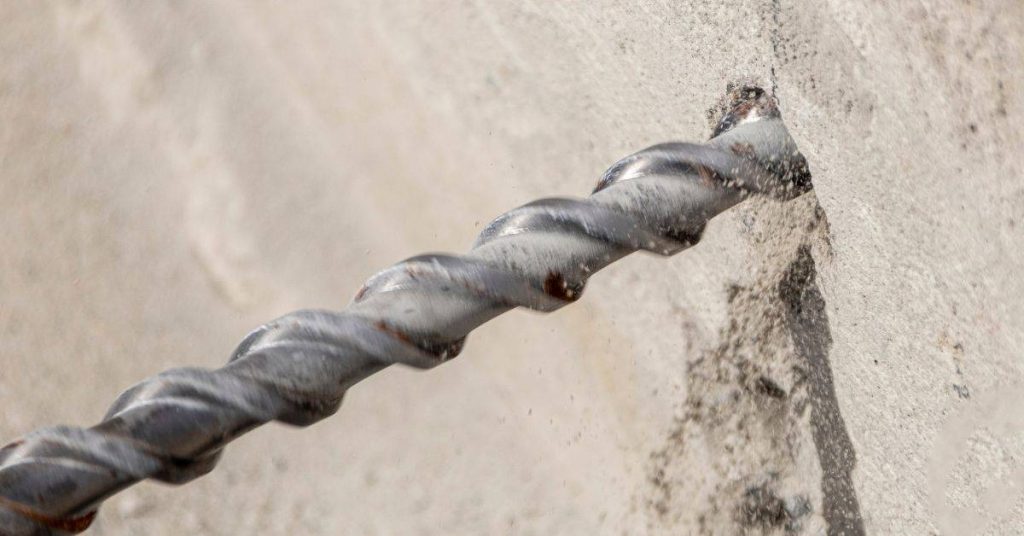
Drilling rebar dowels is the process of making a hole that the steel bar can sit in securely.
Key takeaways
- Verify embedment depth per plans and code requirements before drilling.
- Choose drill bits matching hole diameter and concrete hardness per label.
- Drill slowly with steady pressure to reduce blowouts and surface spalling risk.
- Clean hole boring dust and debris before dowel insertion.
- Use safety gear and secure work area; watch for hidden rebar.
- Document inspections and any corrective repairs for future projects.
Table of Contents
- Introduction
- Key takeaways
- Overview: What Rebar Dowels Do and Why Drill Depth Matters
- Determining How Deep to Drill (Embedment Depth)
- Hole Diameter, Tolerances, and Selecting the Right Drill Bit
- Drilling Technique to Minimize Blowouts and Spalling
- Hole Cleaning and Preparation Before Installing Dowels
- Tools and Materials Checklist (DIY and Professional)
- Preventing, Detecting, and Repairing Blowouts or Spalling
- Safety, Codes, Inspections, and Documentation
- Conclusion
- FAQ
Overview: What Rebar Dowels Do and Why Drill Depth Matters
Rebar dowels provide a direct path for load transfer between concrete elements and help keep alignment true during and after installation. They also help limit crack propagation and improve long-term performance. The embedment depth and the quality of the drilled hole are key factors that influence durability and holding power.
Think of the drill depth as part of the system, not just a number. Verify project documents and manufacturer guidance to confirm what the structural intent requires and to ensure the hole accepts the chosen dowel and adhesive system correctly.
Structural function of dowels
Dowels play a crucial role in concrete structures by transferring shear and load across joints. They’re like the unsung heroes holding your structure together.
Here’s how they work:
Shear transfer: Dowels span joint gaps, preventing slippage when forces push or pull on either side. Think of them as friction brakes stopping your concrete from sliding.
Load transfer: Embedded in both sides of a joint, dowels carry loads across the gap, sharing the weight between connected pieces. It’s like they’re taking turns carrying your heavy stuff.
Common project placement scenarios
Dowels see action in various projects. Here are a few common ones:
Repair work: When fixing damaged concrete, dowels help tie the new repair to the existing structure. It’s like giving your old wall a helping hand.
Slab-to-slab joints: In multi-story buildings, dowels connect slabs together, making sure your floors stay stacked neatly.
Retrofit projects: When strengthening older structures, dowels help integrate new concrete with the old. It’s like giving your grandma a sturdy walker to keep her steady.
Determining How Deep to Drill (Embedment Depth)
Embedment depth should follow what the project calls for and what the material and load require. The factors are the load type, the substrate material, drill hole size, anchor type, and how long the fastener is expected to hold. Always verify the assumed depth against project documents or a structural engineer, and check the label or datasheet for any guidance.
If you guess on depth, you risk failure or damaged parts. Use the drawings, specs, and approval notes as your guide, then set a drilling depth accordingly and verify on site. When in doubt, pause and check with the engineer or manufacturer instructions before proceeding.
Design factors that influence embedment depth
The depth you drill for rebar dowels isn’t one-size-fits-all. It depends on several design factors.
Load type and concrete strength play a big role. Heavier loads need deeper embedment. Stronger concrete allows shallower drilling.
Bar diameter matters too. Thicker bars need more embedment to hold securely. And if you’re using adhesive anchorage, the embedment depth should be at least 5 times the bar’s diameter. For mechanical anchors, follow the manufacturer’s guidelines.
Proximity to edges and faces also affects embedment depth. The closer a dowel is to an edge or face, the deeper it needs to go to avoid blowouts.
Practical depth guidance and what to verify
As a general rule of thumb, embed your dowels at least 5 times the bar’s diameter. But this is just a starting point.
For common projects like residential slabs, you might see depths between 12 to 18 inches. But don’t take our word for it. Always check your project drawings. They’ll have specific embedment depths based on the engineer’s calculations.
Also, verify with the anchor manufacturer’s instructions. They often provide depth guidelines tailored to their products. And don’t forget to check local building codes. They might have minimum embedment requirements.
Lastly, if you’re unsure, consult a structural engineer. It’s better to be safe than sorry.
Hole Diameter, Tolerances, and Selecting the Right Drill Bit
Hole size must match the dowel and the adhesive or sleeve system being used. Tolerances influence acceptance of the dowel and the performance of the bond. Align the bit choice with the bar size and the product instructions you are following.
Choose bits based on concrete condition and tool availability, keeping in mind that worn bits can affect diameter and roundness. Always refer to the label, DS, or manufacturer guidance for the recommended bit type and size for your setup.
Sizing holes for rebar, sleeves, and epoxy anchors
When you’re drilling holes for reinforcement, you need to consider the size of what’s going in. Here’s how:
For rebar, you want a tight fit. Drill a hole that’s just big enough for the rebar to slide through easily. That means the hole diameter should be about 1/8″ (3mm) bigger than the rebar’s diameter.
Now, if you’re using sleeves or resin anchors, you need some clearance for the grout or resin to flow around. Drill a hole that’s about 1/4″ (6mm) bigger than the sleeve or anchor’s diameter.
Pro tip: Always check your product literature to confirm the required annulus – that’s the space between the hole and the insert. Don’t guess, don’t assume. Check it out.
Drill bit types and when to use them
When drilling into concrete, you’ve got three main drill bits to choose from. Each has its own strengths, so pick the right one for your job.
Carbide Masonry Bits – These are your basic, everyday bits. They’re cheap and work fine in small holes (up to 1/2″) with no rebar. But they wear out fast on bigger holes or if you hit reinforcement. Use them for:
- Drilling small holes for screws or nails
- Light-duty tasks where you won’t hit steel
SDS (Spit Drill System) Bits – SDS bits are tougher and meant for bigger holes (up to 1″) with some reinforcement. They’ve got a special shank that fits into SDS drills, letting you hit harder without breaking the bit. Use them when:
- You’re drilling larger holes
- There might be rebar in your way
Diamond Core Bits – These are the big guns, used for large-diameter holes (1″ and up) with lots of reinforcement. They’ve got diamond segments that cut through concrete and steel like butter. But they’re pricey and need special wet drilling. Use them when:
- You’re making big holes
- There’s plenty of rebar to slice through
Drilling Technique to Minimize Blowouts and Spalling
Start with a controlled entry to avoid scouring the surface. Maintain a steady drilling rate and avoid forcing the bit when the bit binds. Use a consistent backing technique to keep dust and debris from blowing ahead of the hole.
Use stages if the hole is deep or if you encounter hard pockets near the surface. Exit the hole smoothly to minimize exit damage or spalling near edges, and document any irregularities for follow-up checks per project requirements.
Starting the hole and controlling entry/exit
Begin by marking your drill point accurately. Use a center punch to create a small indentation, preventing the bit from wandering.
Start at low speed and gradually increase as you penetrate. This helps prevent sudden breakouts. Keep the drill perpendicular to the surface.
Never drill all the way through in one go. Stop about 10-15mm from the opposite face to avoid spalling, then finish by reversing direction slowly.
Backing methods and sacrificial supports
For thin elements, drill from both sides if possible. This helps distribute the stress evenly and prevents breakouts.
Use temporary backing like timber or plywood on the non-drilling side to support the concrete and absorb some of the drill’s pressure. Secure it firmly with screws.
Sacrificial plugs can also be used. Drill a slightly oversized hole first, insert the plug, then drill your final hole through it. This protects the concrete edge.
Hole Cleaning and Preparation Before Installing Dowels
Clean holes thoroughly to maximize bond performance. Brush and blow methods remove loose material from the bore, but vacuuming can capture fine debris more completely. If moisture is present, plan how it will affect adhesion or sleeve seating.
Compare cleaning options and choose the method that best suits the job size and material condition. Always follow product instructions for any cleaning steps required by the adhesive system you are using.
Best practice cleaning sequence
The key to a strong bond is a clean hole. Here’s the best order:
Brush: Start by brushing out loose material with a stiff-bristled brush. This gets rid of large debris.
Blow/Vacuum: Next, use compressed air or an industrial vacuum to remove finer particles and dust. Repeat the brushing if needed.
Wet cleaning: For optimal adhesion, consider wet cleaning. Use a damp cloth or sponge, but avoid standing water unless specified in your project plan.
Visual checkpoints to confirm a clean hole
Before inserting the dowel or adhesive, use this checklist to ensure your hole is clean and ready. Do this after each cleaning step.
- No visible fines: The hole should be free of dust and small particles. A quick wipe with a damp cloth helps confirm this.
- Consistent diameter: Check that the hole’s width is even throughout. Inconsistencies can weaken the bond.
- No standing water (unless specified): While some projects may require wet conditions, generally, standing water can cause issues with adhesion and dowel integrity.
- Hole walls are dry: The hole should be dry to the touch. Moisture can compromise the bond between the concrete and dowel.
- No cracks or damage: Inspect for any cracks, chips, or other damage that could affect the dowel’s performance.
- Correct depth: Measure to ensure the hole is the correct depth. Too shallow or deep can compromise the dowel’s function.
- No foreign material: Check for and remove any foreign materials like paper, plastic, or other debris that could interfere with adhesion.
- Hole is straight: Ensure the hole is straight to prevent stress on the dowel and potential failure.
Quick rule: If you’re unsure about any aspect of your hole’s cleanliness, re-clean it. Better safe than sorry.
Tools and Materials Checklist (DIY and Professional)
Assemble a concise set of essential tools and PPE for the task, plus spare consumables. Confirm the drill capacity matches the hole size you plan to use. Have a plan for edge protection and dust control.
For smaller jobs, consider alternatives that still deliver clean holes and reliable bonds. Check tool labels and manufacturer instructions to ensure the equipment is suitable for the required hole diameter and depth.
Power tools, rigs, and setup considerations
Before you start drilling, make sure your power tools are up to the task. Here’s a checklist to ensure you’re using the right equipment for your job.
- Hand drill: Use for shallow holes (up to 2″ deep) and small diameters (up to 1/4″).
- Hammer drill: Ideal for medium-depth holes (up to 6″) with diameters up to 3/8″.
- Rotary hammer: Suitable for deep holes (up to 12″) and large diameters (up to 1-1/4″).
- Core drill or rig: Required for large-diameter holes (over 1-1/4″) and deep holes.
- Check tool capacity: Ensure your tool can handle the required hole diameter and depth.
- Drill bit size: Match the bit to the rebar diameter. Too small risks blowouts, too large leaves weak dowels.
- Drill bit type: Use tungsten carbide-tipped bits for concrete, masonry bits for smaller holes.
- Water feed: Use with diamond core drills to keep the bit cool and reduce dust.
- Vacuum or dust collection: Essential for safety and cleanliness. Check your tool’s compatibility.
Quick rule: Always match your tool, bit, and technique to the job at hand to avoid damage and rework.
Consumables, adhesives, and backing materials
Here’s a list of consumables you’ll need for your drilling project. Check them off before you start.
- Drill bits: Have enough bits in the right sizes for your job. Check they’re in good condition.
- Epoxy or resin: Choose a high-strength, fast-setting adhesive suitable for your climate and application.
- Sleeves: Use sleeves to protect rebar from corrosion. Ensure they match the rebar diameter.
- Backing boards: Use sturdy, flat boards to support the concrete and prevent blowouts.
- Brushes: Have wire brushes ready for cleaning holes.
- Blow bulb or vacuum: Essential for clearing dust from holes. Check your tool’s capacity.
- Manufacturer specs: Confirm the correct mix ratios, cure times, and application temperatures for your adhesives.
- Safety gear: Don’t forget safety glasses, gloves, and a dust mask.
Quick rule: Having the right consumables on hand ensures your dowels set properly and last a lifetime.
Preventing, Detecting, and Repairing Blowouts or Spalling
Prevention starts with controlled entry, proper thrust, and avoiding vibration that can drive material outward. If you see signs of blowout, pause and reassess the technique or the bit condition. Document any edge issues and adjust the plan accordingly.
For small areas, patching damaged zones should follow the recommended repair method from the product data sheet or local rules. If the problem recurs, modify the drilling technique or detail to stop it from happening again.
Immediate repair options for minor blowouts
If you encounter a minor blowout while drilling, don’t panic. You can often fix it on the spot with these steps.
Patching: Clean out the debris and use a flexible concrete patch or repair mortar to fill the hole. Apply it generously, ensuring it covers any exposed rebar.
Re-drilling: Once the patch has cured (follow the manufacturer’s guidelines), you can re-drill the hole. Ensure your drill bit is sharp and use a slow, steady speed to minimize heat and further damage.
Remember, this is a temporary fix. If the blowout was caused by weak concrete or other underlying issues, they’ll need to be addressed properly to prevent recurrence.
When to escalate to structural review
Sometimes, a blowout can indicate a more serious issue. Know when to stop and involve a professional.
Extensive spalling: If the concrete flaking is widespread or deep, it could be a sign of significant deterioration. Stop work immediately.
Exposed reinforcing: If you see rebar or other reinforcement, it’s a clear sign that the concrete cover has been compromised. This requires immediate attention.
Loss of cover: If the blowout exposes less than the required 2 inches (50mm) of cover for your rebar size, it’s a structural issue. Stop work and consult an engineer or structural specialist right away.
Safety, Codes, Inspections, and Documentation
Prioritize dust control and eye and respiratory protection. Follow local codes and site safety rules for drilling operations in concrete. Keep records of procedures and results for quality checks and inspections.
Document any deviations from the intended method, the products used, and the final embedment achievements. Have the relevant label, DS, or manufacturer instruction on hand during inspections to support compliance.
PPE, dust suppression, and respiratory protection
Before you start drilling, make sure you’re protected. This checklist helps keep you safe.
- Hard hat: Protects from falling debris.
- Safety glasses: Shields eyes from dust and small particles.
- Ear protection: Reduces noise levels from power tools.
- Dust mask or respirator: Filters out harmful particles. Use a P100 filter for best protection.
- Gloves: Protects hands from cuts and vibrations.
- Steel-toed boots: Safeguards feet from falling objects.
- Wet or vacuum dust suppression: Controls dust at the source. Use water mist or a dust extractor attached to your drill.
- Follow site health and safety rules: Always adhere to local regulations and site-specific guidelines.
Quick rule: Never skip PPE. It’s your first line of defense against job-site hazards.
Inspection checklist and recordkeeping
Keep detailed records to ensure quality control and smooth handover. Use this inspection log as a guide.
- Drill depth: Measure and record the exact depth of each hole. Inaccuracies lead to weak joints.
- Hole diameter: Note the size of each drilled hole. Incorrect sizes affect dowel fit and strength.
- Cleaning method: Log how you cleaned each hole (vacuum, brush, etc.). Inadequate cleaning reduces bond strength.
- Adhesive batch/curing: Record the adhesive batch number and curing time. Deviations impact setting and strength.
- Photos: Take pictures of each step for reference and troubleshooting. Missing steps can cause rework or delays.
Quick rule: Regular inspections and thorough recordkeeping are key to passing quality control checks and ensuring a smooth handover.
Conclusion
Drilling rebar dowels right matters for safety, durability, and a clean look. Get the embedment depth, hole size, and drill selection right, and you’ll avoid costly failures and spalling while the structure carries load as intended.
First, verify the embedment depth from the plan or code, choose the correct drill bit with the proper tolerance, drill with steady pressure and the right speed, keep the hole clean and free of debris, test-fit the dowel, and document the results so inspections line up with what you did. Do a small trial in a hidden area to confirm you’re not chasing a bad path, then repeat on the actual work area with clear access to tools and a clean work surface.
Common mistakes to avoid are drilling too shallow or too deep, using the wrong diameter for the dowel, rushing the hole cleaning, and skipping safety steps or code checks. Always wear eye and ear protection, secure the work, and verify the hole and dowel fit before setting any fasteners or grout. If you’re unsure about the embedment depth, hole tolerance, or local code requirements, pause and check before you proceed.
If the job goes beyond basic DIY scope—unseen rebar layout, corrosion concerns, or critical loads—call a professional. When in doubt, have a quick plan for testing a small area and document what you did. Stay focused, follow the checks, and you’ll finish confident, with a solid, long-lasting result.
FAQ
What should I check on the drill bit and rebar before starting?
Inspect the drill bit for wear or nicks. Use the right bit type for concrete and rebar; check the manufacturer’s guidance. If in doubt, read the label or instructions and follow local rules for grit, coating, and maximum RPM.
How can I verify the embedment depth without risking over- or under-drilling?
Measure twice and mark the drill depth with tape or a stopper. Stop drilling at the mark, then clean the hole before inserting the dowel. If you’re unsure, consult the dowel manufacturer’s guidance or your project specs.
What signs indicate a blowout or spall, and what should I do immediately?
Watch for cracks, loose dust, or softened edges around the hole. If you see signs, stop drilling, pull the bit out slowly, and reassess. Re-check your drill speed, bit type, and hole conditions before continuing.
What steps should I take if I notice cracking or spalling after drilling?
Do not install the dowel into a compromised hole. Stop, clean and inspect the surrounding concrete, and determine if the hole needs re-drilling in fresh concrete or repairing the area. Follow manufacturer instructions and local guidelines for any patching or rework.