

Key Takeaways
- Pea gravel is chosen for its smooth, rounded stones that enhance concrete workability and provide a visually appealing finish.
- Sand mix is favored for its fine particles that create a smooth texture and strong bonding, ideal for precision and detailed work.
- Cost considerations for pea gravel and sand mix involve factors like availability, transportation, and the need for additional reinforcement materials.
Introduction
Selecting the right aggregate for small-batch concrete projects can significantly influence the outcome and durability of the finished product. Two popular choices are pea gravel and sand mix, each offering distinct advantages and characteristics. Pea gravel, with its smooth, rounded stones, is known for enhancing workability and providing an aesthetic finish.
Conversely, sand mix is valued for its fine texture and excellent binding properties, making it ideal for applications requiring a strong bond and smooth surface. Understanding the unique qualities and potential limitations of each aggregate is essential for making an informed decision tailored to specific project needs.
Understanding Pea Gravel and Its Unique Qualities
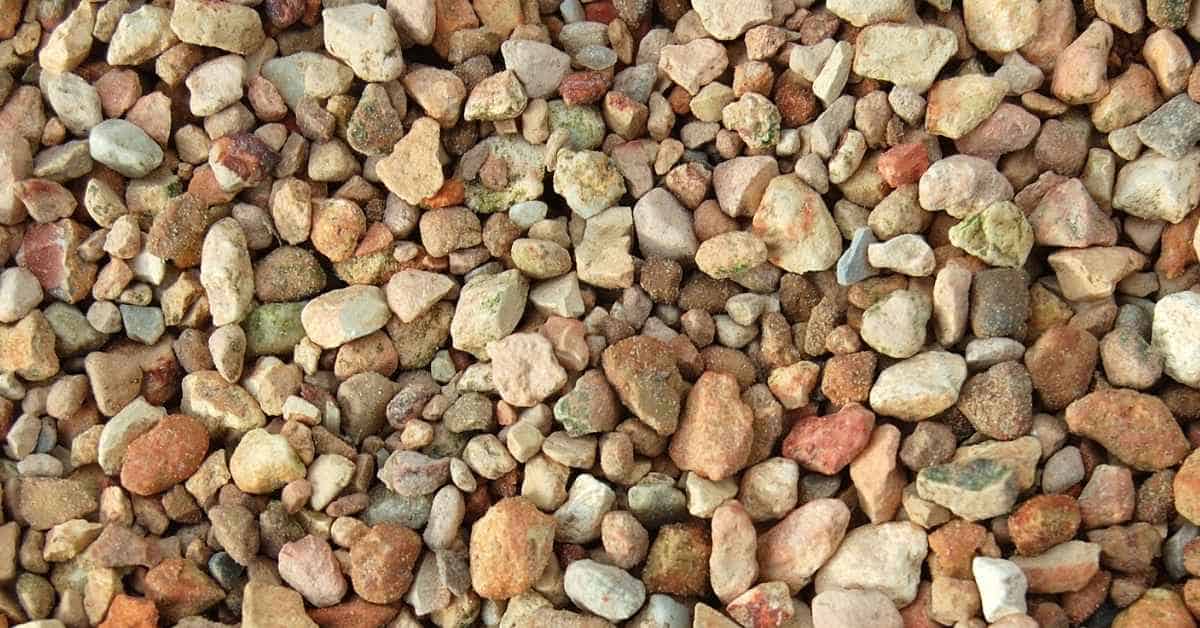
When it comes to choosing aggregates for small-batch concrete, pea gravel presents itself as a versatile and aesthetically pleasing option. Known for its small, smooth. and rounded stones, pea gravel is often chosen for its unique texture and appearance. Typically, these stones range in size from about 1/8 inch to 3/8 inch, making them an ideal choice for creating a visually appealing concrete surface.
One of the key characteristics of pea gravel is its ability to enhance the workability of concrete. The rounded edges facilitate easier mixing and movement, which can be particularly beneficial in DIY projects where ease of handling is a priority. Moreover, the uniform shape contributes to a more even distribution throughout the concrete mix, potentially reducing the risk of weak spots.
Possible problems and solutions
- Blistering: Reduce over-troweling; allow material to firm up; maintain temp window.
- Cracking: Check substrate movement; adjust thickness; respect cure schedule.
- Poor adhesion: Improve surface prep; use compatible bonding method; avoid dust/moisture.
Edge cases
- High load structural applications: Pea gravel may not provide sufficient strength without additional reinforcement.
- Freeze thaw environments: Pea gravel may not perform well in areas with frequent freeze thaw cycles without proper additives.
- Heavy traffic areas: Not ideal for surfaces subjected to heavy vehicular traffic due to potential for wear and displacement.
Exploring Sand Mix: Characteristics and Uses
Sand mix, often referred to as mortar or concrete sand, is another popular aggregate choice for small-batch concrete projects. Composed primarily of fine sand particles, this mix is known for its smooth texture and excellent binding properties. It’s especially favored in applications where a fine finish and strong bonding are required.
One of the standout qualities of sand mix is its adaptability. It’s commonly used in applications such as patching cracks, resurfacing surfaces. and creating a smooth finish on concrete surfaces. The fine particles allow for a more cohesive mix, which can result in a tightly bound and durable concrete.
- High load structural applications: Sand mix may not provide sufficient strength for heavy structural loads.
- Extreme weather conditions: Temperatures below 50°F or above 90°F, or humidity outside 40% 70%, can affect curing.
- High moisture environments: Substrates with moisture content above 5% can lead to adhesion issues.
Comparing Performance: Workability, Strength, and Aesthetic Finish
When comparing pea gravel and sand mix for small-batch concrete projects, several performance factors come into play, including workability, strength. and aesthetic finish. Each aggregate offers distinct advantages, making the choice largely dependent on the specific requirements of the project.
Workability is a critical aspect, especially for DIY enthusiasts. Pea gravel’s rounded stones contribute to a more fluid mix, enhancing workability. This quality makes it easier to pour and spread, particularly in projects requiring large surface coverage.
On the other hand, sand mix, with its fine particles, offers a paste-like consistency that allows for precision molding and detailed work.
- Specific Measurables: Use a mix ratio of 1:2:3 (cement:sand:gravel) for standard concrete. Ensure water content is 0.45-0.60 of the cement weight for proper hydration.
- Tool Specs: Utilize a wheelbarrow for mixing, a trowel with a blade size of 4-6 inches for spreading, and a float for finishing. Consider ergonomic tools to reduce strain during application.
- Surface Prep & Conditions: Ensure the substrate is clean and free of debris. Maintain a moisture level of 5-7% and a temperature window of 50-typically 90°F for curing. Humidity should be kept between 40-70% to prevent rapid drying or excessive moisture.
- Safety & Compliance: Wear PPE including gloves, goggles, and a dust mask. Refer to the SDS for handling and storage instructions.
- Failure Modes & Fixes: To prevent cracking, ensure proper curing by covering with a plastic sheet. Address delamination by ensuring a clean substrate before application.
- Order of Operations: Begin by preparing the substrate, mix the concrete, pour and spread, then finish with a trowel. Allow to cure for at least 24-48 hours before use, with full strength typically reached in 28 days.
Cost Factors: What to Expect with Each Aggregate
Cost is a significant factor when selecting aggregates for small-batch concrete projects. Understanding the financial implications of using pea gravel versus sand mix can help homeowners budget effectively and make cost-efficient decisions.
Pea gravel is often considered a cost-effective option, primarily due to its availability and ease of production. The natural sourcing of pea gravel contributes to its affordability, making it a popular choice for large-scale applications where reducing material costs is a priority. However, the overall cost can be influenced by factors such as transportation and additional reinforcement materials needed to achieve desired strength.
- Specific Measurables: Determine the required volume of aggregate in cubic feet or cubic yards. Consider the mix ratio, such as 1:2:3 (cement:sand:aggregate), to ensure proper strength and consistency. Typical coverage rates for concrete mixes range from 80 to 100 square feet per cubic yard at a thickness of 3 inches.
- Tool Specs: Use a wheelbarrow for mixing, a shovel for transferring materials, and a trowel for finishing. Trowel sizes typically range from 10 to 14 inches in length. Ensure tools are ergonomic to reduce strain.
- Surface Prep & Conditions: Ensure the substrate is clean and free of debris. Maintain a moisture level of 5-7% in the aggregate for optimal binding. Work within a temperature window of 50-typically 90°F to prevent premature curing or freezing. Humidity levels should ideally be between 40-60% to ensure proper curing.
- Safety & Compliance: Wear appropriate PPE, including gloves, goggles, and a dust mask. Refer to the SDS for each material to understand potential hazards.
- Failure Modes & Fixes: Address potential issues such as cracking by ensuring proper curing times and moisture levels. Typical set times range from 4 to 8 hours, with full cure times extending to 28 days. Blistering can be minimized by avoiding over-troweling.
- Order of Operations: Begin by preparing the substrate, then mix the aggregate with cement and water. Pour the mixture into the formwork, compact it, and finish the surface with a trowel.
Environmental and Sustainability Considerations
The environmental impact and sustainability of construction materials are increasingly important considerations for DIY homeowners. When evaluating pea gravel and sand mix for small-batch concrete projects, understanding their ecological footprint can guide more sustainable choices.
Pea gravel is often lauded for its minimal processing requirements. Sourced from natural deposits, it requires less energy and resources to produce than manufactured aggregates. This makes it an environmentally friendly option, particularly when sourced locally to reduce transportation emissions.
Additionally, pea gravel’s natural drainage properties can contribute to sustainable landscaping practices by minimizing water runoff.
Sand mix, on the other hand, involves a more intensive production process. The extraction and refinement of fine sand can have environmental impacts, including habitat disruption and energy consumption. However, efforts to source sand sustainably and advancements in production technology are helping to mitigate these effects.
Recycled sand products are increasingly available, offering a more eco-friendly alternative.
Both aggregates can be part of sustainable construction practices when used mindfully. Incorporating recycled materials, minimizing waste. and optimizing mix designs to reduce excess usage are strategies that can enhance the sustainability of any project involving pea gravel or sand mix. Typical mix ratios for small-batch concrete projects might range from 1:2:3 (cement:sand:gravel) to 1:3:3, depending on the desired strength and application.
Homeowners keen on reducing their environmental impact should explore local suppliers that prioritize sustainable practices and consider the lifecycle impact of their chosen aggregate. By making environmentally conscious decisions, DIY enthusiasts can contribute to more sustainable building practices while achieving their concrete project goals.
Edge cases
- Projects requiring high structural strength where pea gravel and sand mix may not provide adequate support.
- Situations where local sourcing of materials is not possible, leading to high transportation emissions.
- Areas with strict regulations on sand extraction due to environmental concerns.
- Projects in regions where water conservation is critical, and natural drainage properties of pea gravel are not beneficial.
- Environments where the natural habitat is highly sensitive to any form of aggregate extraction.
- Scenarios where recycled materials are not available or are of poor quality, affecting the sustainability of the project.