
Introduction
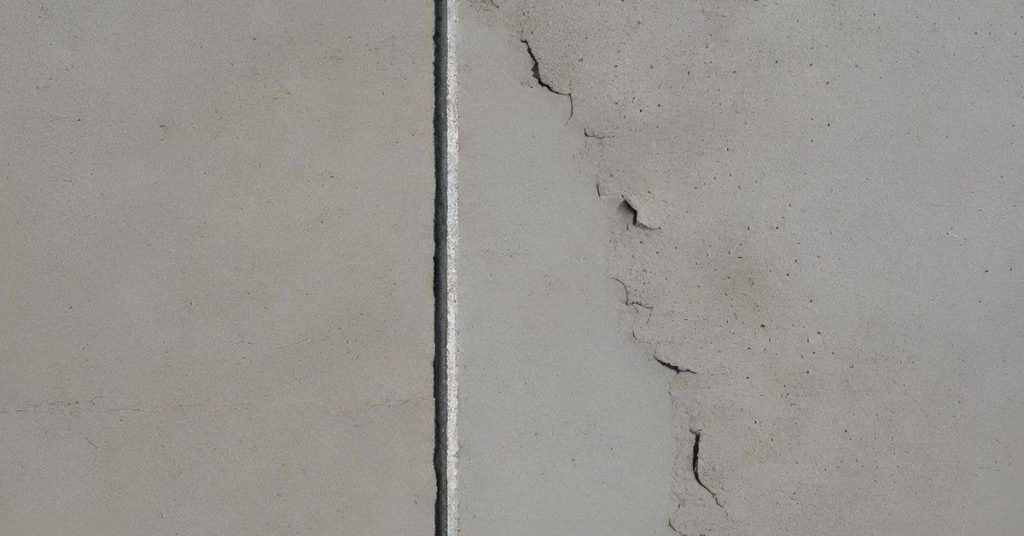
ASR cracking is damage in concrete caused by a chemical reaction between reactive aggregate and alkalis in the cement.
This is a long-standing problem that can show up as fine to wide cracking and spalling over time. Understanding that it develops slowly helps you plan repairs rather than chasing quick fixes.
Causes and the effects are tied to poor aggregate quality, moisture, and ongoing exposure, so symptoms can worsen with weather. Diagnosis can start with a careful visual check and basic tests; for confirmation, follow local guidance or consult a pro for proper assessment. Mitigation options range from sealing and surface treatments to deeper injections, but widespread or deep cracking may require full replacement; check product labels, manufacturer instructions, and local rules to choose a safe approach and estimate costs.
Key takeaways
- Definition and history of ASR, including how it compromises concrete integrity.
- Causes and effects: reactive aggregates, moisture, and alkali migration leading to cracking.
- Diagnosis methods: visual signs, petrographic analysis, and field diagnostic testing.
- Mitigation options for new concrete: design choices, SCMs, proper curing, and joints.
- Economic considerations: cost-benefit of treatment versus replacement and long-term service life.
- Safety and practical guidance: protect workers, check label instructions, and follow local codes.
Table of Contents
- Introduction
- Key takeaways
- What Is ASR? History and Mechanism
- Identifying ASR: Visual Signs and Diagnostic Testing
- ASR Prognosis and Monitoring
- Mitigation Strategies for New Concrete (Prevention in Design and Construction)
- Treatment Options for Existing ASR-Affected Structures
- Economics, Cost-Benefit Analysis, and When to Consider Replacement
- Practical Guidance, Common Mistakes, Safety, and Case Studies
- Conclusion
- FAQ
What Is ASR? History and Mechanism
ASR is a chemical reaction between alkali in cement paste and reactive silica in aggregates that produces expansion and cracking. It involves the key players in aggregate reactivity, cement alkalinity, and the presence of moisture and heat to drive the reaction. The mechanism unfolds in stages, starting with gel formation, then expansion as the gel absorbs water, crack propagation, and a loss of durability as the structure ages.
Historically, the understanding of ASR began to take shape in the mid-20th century, with milestones in recognition and research advancing since the 1930s. Awareness has grown worldwide as concrete use expanded and aggregate sources varied. ASR remains a global durability issue due to widespread concrete use and evolving cementitious standards that interact with reactive aggregates.
Historical discovery and prevalence
ASR was first identified in the mid-20th century, affecting concrete structures like dams and bridges. Since then, it’s been found worldwide, with common occurrences in North America, Europe, and Asia.
Early understanding came from studies on concrete deterioration in the 1930s and ’40s. Research milestones include the discovery of expansive gels in the 1950s and identification of reactive aggregates in the ’60s.
Today, ASR is a global durability issue due to widespread concrete use and varying aggregate sources. It’s still prevalent because many regions have reactive aggregates present.
Chemical mechanism and susceptible aggregates
ASR occurs when alkalis in cement react with silica in aggregates, forming an expansive gel. This gel absorbs water, causing expansion and cracking.
Key conditions for ASR include high alkalinity (typically > 6), moisture, and temperatures above freezing. Susceptible aggregates have reactive silica forms like opal or chert.
The reaction proceeds in stages: initial gel formation, expansion as gel absorbs water, crack propagation, and eventual loss of structural durability.
Identifying ASR: Visual Signs and Diagnostic Testing
ASR is defined and distinguished from other cracking causes such as freeze–thaw, drying shrinkage, and corrosion to frame the identification process. Visual indicators include spiderweb or map-like crack patterns, widespread or localized cracking, gel pockets, color changes, popping surfaces, or visible reactive aggregates. These signs guide next steps without relying on a single observation.
In-field checks consider moisture history, deicing salt exposure, concrete age, and the environment, especially high humidity or reactive soils. A tiered testing approach starts with quick field assessments and progresses to confirmatory laboratory analyses when available. Laboratory tests and interpretations include petrographic examination and other relevant analyses to identify gels and silica reactions.
Visual checkpoints and inspection checklist
Before you start any testing, grab a clipboard and walk the site. This checklist helps spot ASR signs.
- Crack patterns: Look for spiderweb, map-like, or interconnected cracks.
- Distribution: Check if cracks are widespread or localized.
- Gel pockets: Search for white, gel-like substances in cracks or on the surface.
- Color changes: Note any discoloration or staining.
- Surface popping/delamination: Feel for loose or bubbling concrete.
- Reactive aggregates: Check if visible reactive aggregates (e.g., opaline chert, flint) are present in the concrete.
- Moisture exposure history: Ask about past water issues and deicing salt use.
- Concrete age: Estimate when the concrete was poured.
- Exposure environment: Note high humidity areas or soil reactivity.
Quick rule: Skipping visual checks might lead to misdiagnosis and wasted testing money.
Field tests and sampling best practices
After your walk-down, perform simple field tests. These help confirm suspicions but can’t replace lab work.
Moisture test: Use a moisture meter to check concrete’s moisture content. ASR often occurs in moist environments.
For sampling, follow these rules:
- Collect samples from cracked and non-cracked areas.
- Avoid contaminated or damaged zones.
- Wear clean gloves to prevent contamination.
- Wrap samples in plastic and label clearly.
Proper sampling ensures accurate lab results, saving time and money.
Laboratory diagnosis and petrographic analysis
Lab tests confirm ASR presence. Here’s what to expect:
Petrography: Microscopic examination reveals gel, reaction products, and affected aggregate.
Chemical testing: ASTM C1260 (accelerated test) and C1293 (long-term assessment) confirm reactivity. X-ray diffraction may identify silica types.
Lab reports guide your next steps – repair, replacement, or further investigation.
ASR Prognosis and Monitoring
Prognosis covers how ASR cracking may initiate, propagate, and potentially stabilize, with progression influenced by moisture, temperature, aggregate reactivity, and alkali content. Monitoring relies on documenting crack evolution and using suitable non-destructive tests to track changes over time. This helps separate slow trends from rapid changes that require action.
Establishing a monitoring plan includes regular visual inspections, crack mapping, and appropriate measurements. Define inspection intervals based on observed cracking rate and environment, with clear triggers for intervention. Consider ambient conditions and structural loading when assessing risk and deciding whether monitoring alone suffices or remediation is needed.
Establishing baseline condition and monitoring plans
First, document your concrete’s current state. Take photos, measure crack widths, and note any visible signs of ASR. This is your starting point.
Regular inspections are key. Every 6 to 12 months, recheck cracks. If cracking is rapid or severe, inspect every 3 months. Use a crack mapping system to track changes precisely.
Use non-destructive tests like rebound hammer and ultrasonic testing to assess concrete condition over time. Keep records of these readings for trend analysis.
Interpreting monitoring data for decision-making
Plot crack width vs. time. If cracks widen steadily, you’re seeing linear progression. If widening accelerates, it’s post-peak behavior, indicating deterioration.
Look for signs of stabilization too. If crack widths level off, ASR might be slowing down or stopping. But don’t rely on just one data point; trends over time are more reliable.
Consider environmental factors and structural loading in your interpretation. High moisture, temperature swings, or heavy loads can speed up ASR. If monitoring shows worsening trends despite these factors, it’s time to consider mitigation or replacement.
Mitigation Strategies for New Concrete (Prevention in Design and Construction)
Prevention starts with choosing low-alkali binders and incorporating supplementary cementitious materials to limit alkali availability and reactive potential. Assess aggregate reactivity and favor non-reactive or treated aggregates when possible. These design decisions set the foundation for durable concrete life.
Concrete mix decisions include selecting appropriate cementitious content and water-to-cement ratios, and considering inhibitors or protective sealers when applicable. Document thresholds and test results to justify choices and establish traceability for preconstruction approvals and supplier qualification.
Use of SCMs, low-alkali cement, and other admixtures
To minimize ASR risk, use supplementary cementitious materials (SCMs) like fly ash or slag. These reduce alkali availability and reactive potential.
Low-alkali cement is also crucial. Specify a cement with low alkali content to further decrease the risk of ASR.
Silica fume can be used as well, but it’s more expensive. Consider using inhibitors or protective sealers when applicable, and include test results to justify your choices.
Lithium admixtures and comparative considerations
Lithium compounds can be added as an admixture to reduce ASR. They work by binding with alkalis, reducing their availability.
Benefits include reduced expansion and cracking. However, uncertainties exist regarding long-term performance and cost-effectiveness compared to SCMs.
Compare lithium admixtures with SCM strategies based on your project’s specific needs and budget. Consider consulting with a materials engineer for expert advice.
Construction practices and QA to prevent ASR
Before pouring, test aggregates for reactivity. If reactive, consider using treated aggregates or non-reactive alternatives.
Control slump, air content, and temperature during mixing to reduce cracking risk. Minimize exposure of reactive components by reducing batching, mixing times, and turnover.
Proper curing is vital. Use methods that minimize shrinkage and premature drying. Plan for clean equipment and reduced contamination to prevent ASR.
Document all mitigation strategies and decisions for future reference and maintenance planning.
Treatment Options for Existing ASR-Affected Structures
The goals of post-treatment work are to arrest further ASR progression, restore some structural performance, and limit future moisture ingress, while recognizing that replacement may be necessary in some cases. Every option has limits that must be weighed against site conditions and performance needs. Evidence for effectiveness should guide the plan.
Options include chemical inhibitors, resin injections, surface seals, and overlays, each with mechanisms and limitations. Distinguish between in-situ remediation for cracks and protective measures to reduce exposure. Compatibility with existing concrete and reinforcement is a key consideration.
Lithium-based post-treatments: benefits and limits
Lithium-based treatments are a popular choice for slowing down Alkali-Silica Reaction (ASR) in existing structures. They work by inhibiting the reaction between alkalis and reactive silica in aggregates.
Benefits: Lithium treatments can arrest further expansion, prevent new cracking, and stabilize the structure’s condition. They’re typically applied as a surface treatment or injected into cracks.
Limits: Success depends on several factors: the degree of ASR progression, concrete permeability, and lithium dosage. They don’t reverse existing damage but can halt further deterioration. Replacement might still be necessary if structural integrity is severely compromised.
Overlays, sealers, and localized repairs
Surface overlays, crack sealing, and localized repairs can help restore function and slow deterioration in ASR-affected structures. They work by reducing moisture ingress, preventing further cracking, or strengthening weakened areas.
Overlays: Applied over the existing concrete, they protect it from further exposure to alkalis and moisture. Resin overlays are particularly effective but can be costly.
Crack sealing: Epoxy or polyurethane injections can seal cracks, preventing water and chemicals from entering and causing further damage. However, wide cracks may require additional reinforcement.
Localized repairs: Partial repairs can address specific areas of distress. They’re useful when the rest of the structure is in good condition but may not be a long-term solution if ASR is widespread.
Structural strengthening and load-path repairs
When cracking has reduced serviceability, structural strengthening can help regain capacity. These methods aim to redistribute loads, prevent further cracking, or reinforce weakened areas.
Overlays with reinforcement: Applying a new layer of concrete with embedded reinforcement can strengthen the structure and improve load-bearing capacity. This approach is effective when the existing concrete has retained some strength.
External strengthening: Carbon fiber reinforced polymer (CFRP) sheets or other external systems can be applied to increase the structure’s stiffness and resistance to cracking. They’re useful for situations where adding internal reinforcement isn’t feasible.
Load-path repairs: In some cases, it may be possible to reroute loads away from damaged areas, reducing stress on affected regions. This approach requires a thorough understanding of the structure’s design and loading conditions.
Economics, Cost-Benefit Analysis, and When to Consider Replacement
When comparing strategies, consider initial mitigation costs against ongoing maintenance and monitoring expenses. Long-term service life and residual risk influence the overall economic picture. Use a structured approach to weigh options without relying on exact figures here.
Identify decision triggers where replacement becomes more economical or necessary, such as cracking severity, structural adequacy, or funding constraints. Include non-monetary risks like safety, downtime, and impact on value, and factor in financing or regional factors that may affect choices. A simple decision framework can help owners move from assessment to recommendation.
Direct and Indirect Cost Drivers
The first step in your cost-benefit analysis is to identify all the costs involved, both direct and indirect.
Direct costs are easy to spot: repair materials, labor, equipment rentals. But don’t forget indirect costs, like traffic disruption (lost revenue for businesses), scheduling delays, or increased maintenance due to ASR progression.
Raw-material cost comparisons might seem straightforward, but they can be misleading without considering the whole project context. For instance, using a more expensive, low-alkali cement could save you in long-term repairs and downtime.
Decision Framework and Replacement Triggers
ASR damage progresses over time. Here’s a simple decision framework to help you decide when it’s time to consider full replacement:
1. Safety first: If ASR cracking poses an immediate safety risk, don’t wait – replace immediately.
2. Check with your engineer and local authorities if cracking severity exceeds acceptable limits, or if structural integrity is compromised. They can provide specific triggers based on your structure’s design and loading conditions.
3. Consider escalating maintenance costs and performance loss. If mitigation strategies are no longer effective, and you’re facing frequent repairs and downtime, replacement might be the better long-term option.
Practical Guidance, Common Mistakes, Safety, and Case Studies
Begin with a clear diagnostic workflow that combines visual cues with tests and defines when replacement or repair is warranted. Practical mitigation options include surface sealers, inhibitors, partial-depth repairs, and selective full-depth replacement, noting effectiveness and limits. Avoid over- or under-application and ensure long-term monitoring plans are in place.
Safety and regulatory considerations cover PPE, dust control, chemical handling, curing procedures, and alignment with codes during treatments. Case-study lessons from real projects highlight what worked, what failed, and the critical decision points that shaped outcomes. Use these notes as a quick reference for field teams.
Common mistakes in diagnosis and mitigation
Here are some common pitfalls to avoid when identifying and addressing ASR cracking.
- Misattributing cracking: Don’t assume all cracks are due to ASR. Other causes like settling, freezing-thawing, or steel reinforcement corrosion can mimic ASR symptoms.
- Inadequate sampling: Take samples from various locations and depths to get a representative picture of the concrete’s condition. A single sample might not tell the whole story.
- Choosing short-term fixes: Avoid quick, band-aid solutions that don’t address the root cause. They may mask progressive damage but won’t prevent further deterioration.
- Ignoring long-term monitoring: ASR is a progressive reaction. Regular monitoring helps track its advancement and assess the effectiveness of mitigation measures.
- Not addressing structural loads: Even if you mitigate ASR, unaddressed structural issues can still cause failure. Ensure the structure’s integrity by considering load paths and strengthening where necessary.
Remember, accurate diagnosis is key to effective treatment. Don’t rush into repairs without thorough investigation.
Safety considerations during inspection and treatment
Before you start inspecting or treating ASR-affected structures, ensure safety measures are in place to protect workers and the environment.
- PPE: Wear appropriate personal protective equipment, including hard hats, safety glasses, gloves, and high-visibility vests.
- Containment: Isolate work areas to prevent dust and chemicals from spreading. Use barriers, tarps, or other containment methods as needed.
- Environmental permits: Check local regulations for any required environmental permits before starting work, especially if you’ll be using chemicals or disturbing large amounts of material.
- Chemical handling: Follow manufacturer guidelines when handling inhibitors and other chemicals. Use appropriate safety equipment and storage facilities.
- Dust control: Keep dust levels down to minimize health risks. Wet the work area, use vacuums with HEPA filters, or employ other dust suppression methods.
- Hazardous materials: Be aware of any hazardous materials present in the structure, such as asbestos or lead paint, and take appropriate precautions.
- Structural stability: Ensure the structure is stable before starting work. Brace or shore up weakened areas if necessary.
- Electrical hazards: Be cautious around electrical components to prevent shock or fire hazards.
Quick rule: Always prioritize safety over speed. A thorough safety checklist can save time and lives in the long run.
Case studies and tools checklist for field teams
Learn from past projects and use this checklist to ensure you have the right tools and materials for your ASR inspection and repair tasks.
- Success stories: Study cases where effective mitigation strategies were used. Understand what worked and why.
- Failure lessons: Learn from projects where ASR treatment failed. Identify common mistakes and how to avoid them.
- Critical decision points: Familiarize yourself with key decision-making stages, such as when to replace concrete or switch mitigation strategies.
- Rebound hammer: Use a rebound hammer to assess the concrete’s strength and identify areas of deterioration.
- Petrographic analysis: Collect samples for petrographic assessment to confirm ASR and determine its extent.
- Expansion meters: Measure expansion using appropriate devices to track ASR progression over time.
- Inhibitors and sealers: Have the right products on hand for your chosen mitigation strategy, following manufacturer guidelines for application rates and methods.
- Safety equipment: Ensure you have all necessary PPE, containment materials, and other safety gear before starting work.
Quick rule: Regularly update your knowledge and tools to stay ahead of ASR’s progressive nature and adapt to new mitigation strategies.
Conclusion
Dealing with ASR cracks means protecting safety, appearance, and long-term durability. Think of it as a problem you fix now or pay for later with bigger repairs; the right steps keep people safe and the structure sound.
Follow this check here in plain terms: inspect visibly for cracking patterns and spalling, confirm with the recommended diagnostic tests or professional help if needed, monitor any progression over time, decide whether you can treat the existing damage or must replace parts, consider prevention or mitigation for new concrete in future work, weigh the costs and benefits, draft a simple plan, and carry it out with proper curing, protection, and documentation; always put Safety first and test a small area before scaling up.
Common mistakes to avoid include guessing the cause, skipping tests, and rushing repairs without a plan or proper containment; never ignore monitoring data, and never seal up cracks without addressing underlying moisture paths or rebar corrosion risks. Use basic safety rules: work in well-ventilated areas, wear eye and skin protection, and stop if you see rapidly expanding cracks or loose material. If in doubt, pause and reassess rather than forcing a fix that could worsen damage.
If the job requires uncertain testing, complex repairs, or structural concerns, don’t push through alone—calling a qualified professional is smart when cracks are widespread, or when replacement or large-scale mitigation seems likely. Stay practical, stay safe, and keep the project moving with clear, doable steps you can trust. You’ve got this.
FAQ
What is ASR, and where does it come from? (Definition and history)
ASR is a chemical reaction inside concrete. It happens when reactive silica in aggregates meets alkali in cement and water, forming a gel that swells. The swelling causes cracking and loss of strength over time.
What causes ASR cracking, and what does it do to the structure?
The cracks come from the gel pulling on the surrounding concrete as it swells with moisture. This leads to map cracks, rough surfaces, and a drop in stiffness. In the worst cases, large areas can delaminate or spall, making the surface unsafe if not addressed.
How is ASR diagnosed in existing structures?
Look for characteristic cracking patterns and damp, rough patches. Diagnostic tests may be used, but check the label, datasheet, or manufacturer instructions for exact methods. Local rules or a qualified professional can confirm the diagnosis.
What post-treatment options exist for ASR-affected structures, and what should I check before choosing?
Post-treatment options include repair methods to slow cracking and protect the surface, or replacement when structural capacity is compromised. Check product labels, installation instructions, and local guidance before choosing a method. If in doubt, consult the manufacturer for approved procedures and limits.