
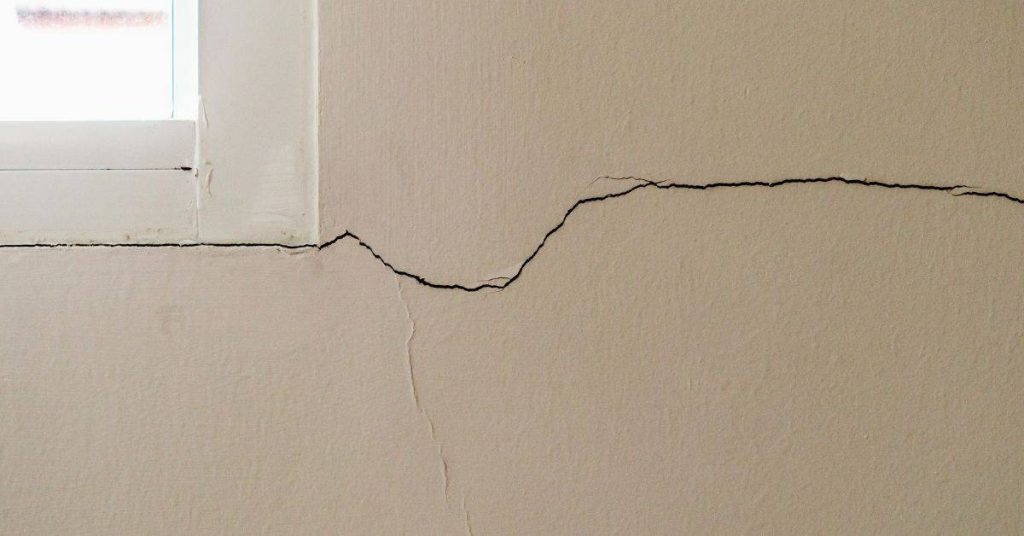
Introduction
Crack monitoring on slabs is watching cracks for changes to tell if the slab is moving. You use simple tell-tales or gauges to notice width changes over time, so you can decide if action is needed. Keep it plain and repeatable, with measurements at the same spots.
Start with an initial measurement of the crack width at a stable reference point and note where it sits. Then look for crack depth and track movement over time by rechecking at regular intervals and across key spots. Use basic monitoring tools and always check product labels, manufacturer instructions, and local rules for safety and limits.
Key takeaways
- Regularly inspect slabs and record crack width and any depth signs.
- Note movement by marking crack ends and comparing over time with reference points.
- Choose monitoring gear suitable for size, accessibility, and budget constraints.
- Install gauges or marks on clean surfaces and protect from moisture.
- Document readings clearly and store data in a simple, organized log.
- Safety: stop work if cracking accelerates and seek structural engineer advice.
Table of Contents
- Introduction
- Key takeaways
- Why Monitor Slab Cracks?
- Types of Slab Cracks to Prioritize
- Initial Assessment — Measuring Crack Width and Depth
- Monitoring Equipment and How to Choose It
- Installation and Best Practices
- Interpreting Readings — When Movement Is Active
- Safety, Documentation, and When to Call an Engineer
- Cost-Effective DIY Monitoring and Common Pitfalls
- Conclusion
- FAQ
Why Monitor Slab Cracks?
Monitoring cracks in a slab keeps people safe, protects the structure, and helps catch trouble early so you can slow or stop movement before it becomes a big repair. It isn’t a fix by itself—data from careful tracking informs decisions about when and what to repair, and the act of monitoring should be treated as a diagnostic tool that guides action rather than a cure.
Think of this as a practical, ongoing checkup for your concrete: it reveals what’s causing cracks (shrinkage, settlement, changes in load) and how those cracks change over time, so you know if things are stable or slipping toward bigger problems. Keeping good records also helps extend slab life, keeps repair scopes reasonable, and protects assets by catching shifts early. You’ll focus on simple methods like visual crack mapping, measuring crack widths, using basic gauges or sensors, and logging findings in a clear, repeatable way, with inspection intervals and documentation that adapt to seasonal cycles, moisture, and temperature changes. If you’re unsure about a tool or method, check the product label or manufacturer instructions and follow local rules, using safe ranges or alternatives when needed.
Risks and consequences of ignored movement
Ignoring slab cracks can lead to progressive damage. Active movement can cause structural issues, like delamination or punching shear.
Water ingress is another risk. Cracks let in moisture, leading to corrosion of reinforcement and further deterioration.
Serviceability loss is also a concern. Cracking can affect the slab’s ability to support loads, causing deflection and discomfort for users.
Early detection through monitoring helps prevent these issues from worsening or becoming costly to repair.
Triggers for starting a monitoring program
A monitoring program should start when there’s reason to suspect active movement. Common triggers include:
New construction defects. Cracks appearing soon after pouring could indicate problems with the mix, placement, or curing.
Seismic events or nearby excavation can cause settlement, triggering cracks and needing monitoring to assess stability.
Post-repair verification is another trigger. Monitoring ensures repairs have been effective and no further movement occurs.
Temperature changes, seasonal cycles, or significant moisture changes can also warrant starting a monitoring program.
Types of Slab Cracks to Prioritize
This section helps you sort cracks by what caused them and how serious they are, so you know what to monitor and what’s cosmetic. Define a clear priority: structural versus non-structural, and which cracks need ongoing monitoring versus quick fixes. We’ll list crack types by appearance and likely origin, so you can spot patterns like settlement, shrinkage, or overloading.
That context saves you from chasing cosmetic fixes when a crack could signal movement, and it guides your monitoring plan. You’ll learn practical checks—baseline surveys, gauges, calipers, and simple photo or pattern tracking—and how often to record results. Use the results to decide when to call in a pro for a structural assessment and how to document location, size, and changes over time.
Surface, shrinkage, and thermal cracks
These cracks usually form on the surface of slabs due to drying shrinkage, temperature changes, or minor settlement. They’re typically low-risk but should still be observed.
Drying shrinkage occurs as concrete loses moisture after placement. It often appears as hairline cracks at the top of a slab, running horizontally or vertically.
Thermal contraction happens when temperature drops cause the slab to shrink. These cracks are usually thin and diagonal or stepped, with no visible signs of instability.
While these cracks may not pose immediate structural concerns, monitor them periodically for any widening or changes in appearance.
Structural-pattern cracks (settlement, flexural, punching)
These cracks often indicate more serious issues related to loading or foundation problems. They require systematic monitoring and may need professional assessment.
Settlement cracks are typically diagonal or stepped, with visible signs of instability like sloping floors or doors sticking. They can be caused by soil settlement, inadequate compaction, or other foundation issues.
Flexural cracks run horizontally along the length of a slab and indicate excessive bending due to overloading or insufficient reinforcement. They may widen over time if the loading continues.
Punching shear cracks form around columns or walls, with cracks radiating outwards. They signify that the slab is failing in shear, which can lead to collapse if not addressed.
Initial Assessment — Measuring Crack Width and Depth
Establish a baseline by picking representative crack sites along each affected slab edge or control joint and recording width, length, and depth with clear tolerances. Use a mix of width methods (comparator, crack gauge, caliper, or scale in high‑resolution photos) and depth cues (visual with markings, endoscopy if available, or non‑destructive probes where feasible). Create a standardized data sheet and include date, time, location, crack ID, and the three measurements, plus any movement since the last reading.
Why it matters: consistent initial measurements let you track trends over time and spot real changes, not just noise. Document orientation, distance from joints, crack type, temperature context, and photo baselining with scale for reliable comparisons. Be mindful of potential error sources—zero gauges, clean surfaces, a stable environment—and note any uncertainty to aid interpretation.
Measuring initial crack width (tools and procedure)
To establish a baseline, you need to measure the initial width of cracks accurately. Here are some tools and procedures to help you.
- Crack Gauges: Inexpensive, easy to use. Available in various ranges (0-1mm, 0-2mm, etc.).
- Digital Calipers: More precise (+/- 0.05mm). Use the ‘depth’ function for crack width.
- Comparators: High accuracy (+/- 0.1mm), but more complex to use and expensive.
- High-Resolution Photos with Scale: Non-contact, useful for inaccessible cracks. Requires consistent lighting and scale reference.
- Rentable Tools (e.g., Laser Crack Meters): High-end, accurate (+/- 0.1mm). Around $50/day to rent.
Detecting and measuring crack depth and extent
Crack depth is crucial but harder to measure. Here are some methods:
Visual Estimation: Use reference markings (e.g., coins, nails) for scale. Works best for shallow cracks.
For deeper cracks, consider these options:
Endoscopic Access: Uses a flexible camera on a cable to see inside cracks. Requires crack opening of at least 6mm and is invasive.
Non-Destructive Probes: Use thin probes (e.g., metal rods, plastic strips) to measure depth without damaging the slab. Works best for wider cracks (>3mm).
If cracks are deep or complex, consider consulting standards or a specialist. They can advise on intrusive investigation methods like core drilling or ground-penetrating radar.
Monitoring Equipment and How to Choose It
Monitoring falls into three main categories: simple tell-tales (visual indicators), mechanical gauges (dial or lock-in devices), and electronic sensors (wired or wireless data loggers). Each type measures crack width, width change over time, or crack movement, and you’ll see them used in slabs differently depending on the job. The big trade-offs are cost, accuracy, and how tough they are in real construction conditions.
Choosing equipment comes down to how long you need the data, how much you’re willing to maintain, and how you’ll access it later. Think about installation effort, exposure to moisture and temperature, and whether you want manual notes or automated data logging. A practical approach is to match task needs to sensor resolution and maintenance, then plan for simple calibration and routine checks to keep things honest.
Tell-tales and simple crack monitors
Adhesive tell-tales are your basic, low-cost visual indicators. They’re like tiny flags that stick to the slab surface. When a crack forms or grows, it’ll break these flags, showing you where and how much movement has occurred.
Two-part plastic monitors work similarly but give you a bit more info. You mix two parts together, apply it across a suspected crack line, and let it set. If the slab moves, the monitor will show you the direction and amount of displacement.
Why use them? They’re cheap, easy to install, and great for short-term checks or low-budget projects. But remember, they only give you a snapshot in time. Once they break or change, you can’t reset them.
Mechanical and electronic gauges
For more accuracy, consider mechanical dial gauges or electronic dataloggers. Dial gauges have a needle that moves with slab displacement. They’re simple to use but require manual readings.
Electronic gauges are the high-tech option. They measure crack width changes over time and can log data for later review. Some even send alerts if movement exceeds set thresholds. But they need power (batteries or external) and may require calibration.
Considerations: Mechanical gauges are tough but less accurate. Electronic ones offer better precision but need protection from moisture and temperature extremes. Both should be installed carefully to avoid damaging the slab.
Matching equipment to objectives
Choosing the right tool depends on what you’re trying to achieve and your site conditions.
- Short-term stability check: Tell-tales or simple mechanical gauges are fine. They’ll show if there’s immediate movement.
- Long-term trend: Electronic dataloggers are best. They track changes over time, giving you trends and patterns.
- Forensic investigation: High-precision electronic gauges can help pinpoint causes of movement.
- Budget-conscious: Start with tell-tales or low-cost mechanical gauges. Then upgrade as needed.
- Rentable tools: Some gauges can be rented, saving you money if you only need them temporarily.

Installation and Best Practices
Choose the right sensor type and mounting method for slabs, then place them to cover critical crack paths and avoid dead zones. Surface-mounted extenders or embedded sensors each have tradeoffs; adhesive or mechanical fasteners affect longevity and reuse. Prepare and document every step so readings stay reliable and repeatable.
Clean and dry the area, manage moisture, and follow surface treatment instructions so the sensor sticks and lasts. Plan a simple labeling system and data log cadence so you can correlate readings with seasons and loads. Do periodic checks for drift, air gaps, or loose mounts and address issues promptly.
Surface prep, mounting, and alignment
Before installing sensors, prepare the surface to ensure strong adhesion and accurate readings. Start by cleaning the area thoroughly with a wire brush or compressed air to remove dust, dirt, and loose material.
Adhesion is key. Use a primer or adhesive surface treatment designed for your sensor type. Follow manufacturer’s instructions carefully. Let it cure as directed before mounting sensors.
Use mounting extenders if needed, but keep them short to minimize measurement error. Align them parallel to the slab’s plane and perpendicular to expected crack movement. Tighten mechanical fasteners securely, but don’t over-torque and damage the sensor or slab.
Sensor placement strategy and spacing
Place sensors strategically for representative data. Start at critical cracks, then use a grid or sampled approach across larger slabs.
Consider these factors when deciding sensor spacing:
- Distance from joints: Place sensors midway between joints to avoid shadowed readings.
- Gravity/thermal influences: Account for slab edges and corners where movement may be greater.
- Symmetry: Ensure data is balanced across the slab’s length, width, and depth.
Start with a tight grid (e.g., 1 ft spacing) near cracks, then space out (e.g., 2-3 ft) in less critical areas. Adjust based on initial readings.
Recording, frequency, and data handling
Establish a logging routine to track movement trends. Initially, record readings daily or weekly until trends stabilize. Then reduce logging to monthly or quarterly.
Use consistent units (e.g., millimeters) for all readings. Create a simple record template or digital log with these columns:
- Date
- Time
- Sensor ID/Location
- Reading Value
- Notes (e.g., temperature, load changes)
Maintain your logbook meticulously. It’s your primary tool for spotting trends and making informed decisions about your slab’s health.
Interpreting Readings — When Movement Is Active
Movement readings aren’t all-or-nothing. Look for trends over time, note if openings keep growing or if they bounce back, and separate gradual drift from short-term changes due to heat, moisture, or vibration.
Knowing how to read the slope and direction helps you decide when to watch, measure more often, or call in a pro. This matters because you can distinguish real, progressive movement from everyday variability, avoid false alarms, and escalate only when a pattern shows consistent progression and potential risk.
Patterns that indicate active or worsening movement
Active movement isn’t always obvious. Look for these patterns:
Progressive change: Consistent increases or decreases in readings over time.
Unidirectional change: Movement happening mainly in one direction – opening or closing cracks.
Accelerating rates: Faster movement over shorter periods. If you see these, act fast!
Differentiating thermal/seasonal cycles from structural shifts
Temperature and moisture cause slabs to move a bit. Here’s how to tell if it’s more:
Compare readings with temperature and humidity logs. Seasonal changes should follow these patterns.
Check for consistent movement outside these cycles. If you see it, dig deeper.
Consider occupancy patterns. Heavy use can cause extra movement.
Common false positives and verification steps
Sometimes readings lie. Here’s why:
Poor mounting: Gauges not level or secure can give wonky readings.
Transient loads: Heavy stuff moving around (like cars) can cause temporary shifts.
Measurement error: Instruments might be off. Check ’em!
To verify, recheck measurements, move gauges slightly, or use other indicators like joint openings and slab unevenness.
Safety, Documentation, and When to Call an Engineer
Safety comes first. If you see cracks or movement, stop risky work, clear the area, wear PPE, and set barriers. When in doubt, call in a professional to assess and guide next steps.
Keep a simple, dated log of what you observe: location, crack orientation, visible size described in words, weather and vibrations, and who was present. Use photos and simple sketches, with dates and times, and back up records. This audit trail helps you and insurers understand what happened and what to do next, and it signals when a professional is needed.
Immediate red flags and site safety actions
Safety’s your top priority. If you spot any of these, act fast:
Sudden large openings or new misalignments: Stop work immediately. Secure the area with barriers.
Service failures like water leaks or electrical issues: Shut off utilities if safe to do so. Evacuate if needed.
Ensure everyone’s wearing PPE. Set up temporary supports if necessary. Don’t let anyone near the affected area until it’s secure.
Reporting, recordkeeping, and communication
Keeping clear records helps make decisions and repairs. Here’s what to include:
Dated photos: Show the crack’s location, length, and width.
Measurements: Note visible widths (e.g., hairline, pencil width).
Timestamps: Record when you first noticed it and subsequent checks.
Environmental notes: Jot down weather conditions, vibrations, occupancy changes. Sketch diagrams if helpful.
When to bring in a structural engineer or specialist
Some issues need professional eyes:
Continued movement: If cracks keep widening despite your monitoring.
Multi-location cracking: When you find new cracks elsewhere on the slab.
Complex foundations: If your slab’s built over complicated footings or has unusual loading events.
Before they arrive, prepare a briefing package with location map, photos, observed behavior, and prior history. Prioritize your questions or concerns for their visit.
Cost-Effective DIY Monitoring and Common Pitfalls
Keep monitoring affordable by focusing on a few strategic slabs and the most critical crack paths. Set a realistic interval, like weekly to monthly, so you don’t drown in data. Use simple, low-cost methods and a basic tools list to capture changes without overreaching.
Your kit should include a notebook, pencil, a crack gauge or ruler, grid paper, a phone with timestamped photos, and containers to weather-note data. Record today’s baseline, date-stamped photos, and a simple chart or spreadsheet to track width changes and movement. Be aware of accuracy limits (for DIY gauges about ±0.05–0.1 mm) and the effects of temperature or moisture, which help you decide when a pro is needed. If you see sustained widening, new cracks, or unequal movement, call in a professional instrumentation or assessment.
Tools and materials checklist for DIY monitoring
Before you start, make sure you have the right tools. Here’s a simple checklist to guide you.
- Notebook or digital log: To record your observations and measurements.
- Pencil/marker: For marking cracks and making notes on-site.
- Ruler or crack gauge: Measure crack widths accurately. A transparent ruler or coffee stirrer with marks can work as a simple DIY gauge.
- Ruler-scale grid paper: Create a base map of your slab’s cracks for tracking changes over time.
- Smartphone with camera and timestamp: Take date-stamped photos to document crack progression.
- Lockable containers for weather notes: Record environmental conditions like temperature and humidity that might affect readings.
- Basic sealant/paint for marking: Mark critical points on the slab surface for consistent measurement.
- String or chalk marks (optional): Track minor movement by marking lines across cracks.
Quick rule: Always double-check your tools before starting. Inaccurate measurements lead to false readings.
Low-cost methods, apps, and photographic monitoring
While professional equipment is ideal, there are affordable alternatives that can help you monitor your slab’s movement.
Start with simple visual tracking. Use grid paper or tape to map out cracks on the surface. Mark critical points with paint or sealant for consistent measurement.
For measuring crack width, use transparent rulers or coffee stirrers marked at regular intervals. These are cheap and easy to use but have accuracy limits of around ±0.05–0.1 mm.
Photographic monitoring is another low-cost method. Take time-lapse photos from the same angle and distance to track changes over time. You can also use smartphone apps designed for measuring distances in photos, but keep in mind they have their own accuracy limits.
Common mistakes and troubleshooting tips
Avoid these common pitfalls to improve the quality of your data:
- Inconsistent logging: Ensure you’re measuring at the same points each time. Marking critical points helps maintain consistency.
- Poor sensor mounting: Make sure any gauges or tell-tales are securely attached and won’t shift during measurement.
- Ignoring environmental context: Keep track of temperature, humidity, and other factors that might affect readings.
- Over-interpreting minor fluctuations: Small changes can occur due to natural causes. Focus on sustained trends rather than single data points.
- Forgetting to document environmental conditions: This makes it hard to distinguish between structural movement and environmental effects.
Regularly review your methods and make adjustments as needed. Catching mistakes early ensures accurate, reliable data.
Conclusion
Keep the slab safe, durable, and looking right by staying on top of cracks and acting quickly when movement shows up. A steady, measured approach protects against bigger damage and higher repair costs.
Check in this order: confirm crack width with a clean ruler, note depth and location, observe for a week or you can use a simple monitoring setup to spot movement, verify equipment is installed correctly and not interfering with traffic, document every reading clearly, and decide when to escalate to a professional.
Common mistakes to avoid include ignoring small shifts, starting DIY monitoring without validating safety steps, and letting moisture or dust interfere with readings. Safety rules are simple: test in a small area first, use proper PPE, never force or remove slabs, and stop work if you see signs of sudden movement or compromise now.
When movement is active or readings worsen, it makes sense to call an engineer rather than push on alone. Stay disciplined, stay safe, and you’ll keep the project solid and your family protected.
FAQ
How do I make an initial measurement of crack width safely?
Use a crack width gauge or a small caliper and place it across the crack. Take a photo with a scale (like a ruler) visible so you can compare later. Record the measurement in your log and note crack orientation and any changes after rain or unloading.
What’s the best way to detect how deep a crack goes?
Assess depth with non-destructive checks when possible. Use a thin probe or a borescope only if you have access and it’s safe; otherwise rely on visible depth indicators and manufacturer/label guidance on the crack area. If you suspect you need a deeper check, mark the area and consult the product instructions or a pro before drilling or probing deeper.
How should I track crack movement over time?
Keep a simple daily log. Mark fixed reference points and take routine photos from the same angles. Use a string line or straightedge as a visual baseline and compare to earlier notes to spot direction or progression.
What equipment is appropriate for monitoring cracks as a DIY homeowner?
Basic tools work: a crack width gauge or caliper, a ruler with a scale, a marker for fresh baselines, a camera or phone for photos, and a simple log notebook. For ongoing checks, you can add a fixed reference point and a level or laser line if you have it, but don’t overcomplicate things.
What safety considerations should I keep in mind during crack monitoring?
Wear eye protection and sturdy footwear. Don’t stand on suspect areas or leaning edges that could fail. Stop if you see new spalling, widening, or cracking that makes the slab feel unstable, and consult a professional or local rules for next steps.