
Introduction
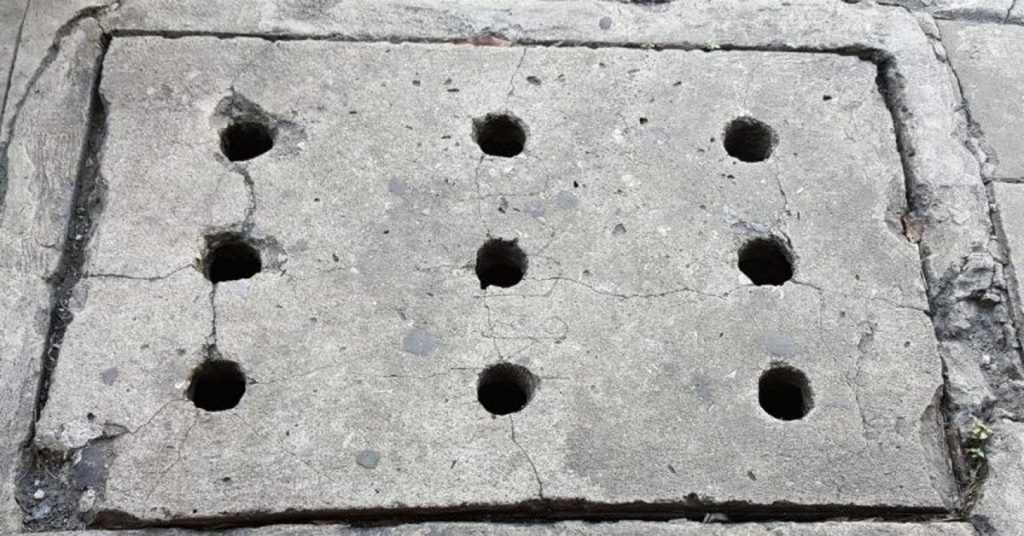
Core drilling small holes in concrete means using a core drill to bore precise holes and manage water for clean cuts.
Water control is about keeping the dust down and cooling the drill, so use a steady water feed or a flood guard. Choose a bit size and type that matches the hole you need, and inspect the manufacturer instructions for max RPM and depth. Plan the patch method before you start so you can clean, backfill, and finish to fit the surface.
Key takeaways
- Confirm core holes align with plans and avoid utilities; verify location before drilling.
- Use slow, steady feed and clamp drill to prevent wobble and chips.
- Water control: employ minimal supply, avoid splashing, and manage slurry at exit.
- Select small-core bits from compatible material and verify depth stops.
- Seal openings after patching to prevent water ingress and cracks.
- Dress and contain slurry; use dust control and PPE; monitor ventilation.
Table of Contents
- Introduction
- Key takeaways
- Quick Overview and When to Core Small Holes
- Tools and Materials Checklist
- Bit Choices and Selection Criteria
- Water Control Methods for Small-Core Drilling
- Setup and Drilling Technique for Precision and Safety
- Dust, Debris, and Slurry Management
- Patch Strategy and Finishing for Small Holes
- Material Specs, Standards, and Verification
- Conclusion
- FAQ
Quick Overview and When to Core Small Holes
Core small holes cover common needs like running electrical or plumbing, plus anchoring items to concrete. Consider slab thickness and any reinforced areas to judge feasibility.
Set expectations for complexity and time by matching the task to the hole size and location. When in doubt, verify project constraints in the product label or manufacturer instructions and plan accordingly.
Typical applications and use cases
Small core holes in concrete are essential for various trades to run their lines, wires, or install anchors. Here’s why precision matters:
Electrical work: Drilling precise holes allows electricians to route wires safely without damaging existing infrastructure.
Plumbing: Small cores let plumbers snake pipes through concrete structures, ensuring no leaks or cracks occur later.
Anchoring: Accurate core drilling enables secure anchor installation for heavy equipment or shelving units.
When not to core—alternatives and limitations
There are situations where coring might not be the best option. Consider these alternatives:
Thin slabs: If your concrete is less than 2 inches thick, drilling cores could compromise its structural integrity. Instead, use expansion bolts or sleeve anchors.
Reinforced areas: Drilling through reinforced sections can damage rebar and weaken the structure. In such cases, opt for undercutting or using chemical anchors.
Chiseling: For small holes (up to 1 inch), chiseling might be sufficient. However, it’s messy and may cause micro-cracks.
Tools and Materials Checklist
Prepare a concise set of tools: drills or coring machines, stands or clamps, and the right core bits. Include water-control items, PPE, and patch materials for after-work recovery.
Before starting, inspect each item’s label or datasheet for compatibility with concrete and reinforcement. Have a ready space to stage dust control and waste handling as part of the plan.
Drill options: handheld, hammer-drill, and benchtop/stand systems
Before you start drilling, make sure you’ve got the right tool for the job. This checklist helps you choose between handheld, hammer-drill, and benchtop/stand drill systems.
- Handheld Drill: Lightweight, easy to maneuver. Ideal for small holes, light materials like wood or plastic.
- Check drill size: Ensure it’s suitable for your project (e.g., 3/8″ for most DIY tasks).
- Confirm variable speed: Essential for different materials and tasks. Test by adjusting the trigger.
- Hammer-Drill: Heavy-duty, can hammer action for masonry. Great for concrete, brick, or stone.
- Check hammer action: Ensure it has a switch to engage/disengage hammer function. Test on a scrap piece of masonry.
- Benchtop/Stand Drill Press: Provides accurate, consistent drilling. Ideal for repetitive tasks or large holes.
- Check table size: Ensure it’s suitable for your project pieces (e.g., 12″ x 12″ for most DIY tasks).
- Confirm depth stop: Useful for consistent hole depths. Test by setting and drilling a scrap piece.
Quick rule: Always use the drill with the lowest power needed to get the job done. Overpowered drills can cause sloppy work or damage materials.
Accessories: guides, vacuums, splash guard, and water feed
Before you start mixing or pouring concrete, make sure you have all these essential accessories ready. They’ll help you maintain control over the process, capture slurry for recycling or disposal, and protect your site from unwanted mess.
- Concrete Edging Guide: Check that it’s long enough to span the entire length of your pour. Confirm by measuring its length against your formwork.
- Vacuum System: Ensure it’s compatible with your chosen concrete pump or mixer. Verify this by checking the manufacturer’s guidelines for both products.
- Splash Guard: Make sure it fits securely around your drill to prevent wet concrete from splattering. Test it by trying to remove it while the drill is running.
- Water Feed Hose: Check that it’s long enough to reach from your water source to your mixer. Measure it against the distance to confirm.
- Hose Clamps: Ensure they’re tight and secure to prevent leaks. Tighten them if necessary, then try to pull the hose off to check.
- Water Stop Valve: Confirm it’s functioning properly by opening and closing it a few times. If it sticks or doesn’t close completely, replace it.
- Concrete Slurry Containment: Have a designated area ready for capturing excess slurry. Verify this by marking out the area before you start pouring.
- Safety Gear: Don’t forget your personal protective equipment (PPE), including gloves, safety glasses, and ear protection. Check that everything is in good condition before starting work.
Quick rule: Always check your accessories before you start mixing or pouring. Skipping this can lead to costly rework, wasted concrete, and potential safety hazards.
Patch and finishing materials
Before you start patching, make sure to gather the right materials. This checklist helps you ensure you’ve got everything needed for a smooth finish.
- Cementitious Patch: Check product label for ingredients (cement, sand, aggregate). Ensure it’s suitable for your hole size and substrate type.
- Epoxy Patch: Verify it’s a two-part epoxy with correct resin-to-hardener ratio. Check if it’s suitable for your hole size and moisture conditions.
- Preformed Plugs: Ensure they match the hole diameter and depth. Check material (plastic, metal) suits your needs.
- Grout: Confirm it matches the color and texture of surrounding concrete. Check if it’s suitable for your patch size and joint width.
- Finishing Trowel: Ensure trowel size (4″ to 12″) suits your patch size. Check edge shape (square, round) for desired finish.
- Sealer: Verify it’s suitable for your patch material and surface type. Check if it provides the desired protection (moisture, UV, etc.).
- Safety Gear: Ensure you have gloves, safety glasses, and respiratory protection (for epoxy).
- Mixing Bucket: Check bucket size suits your batch size. Ensure it’s clean and free of debris.
Quick rule: Always follow manufacturer instructions for mixing, application, and safety precautions to avoid costly mistakes and rework.
Bit Choices and Selection Criteria
Your choice hinges on substrate type, the target hole size, presence of reinforcement, and your budget. Diamond, carbide-tipped, and masonry bits each have different cutting behaviors and life profiles.
Geometry, such as bit diameter and flute design, affects cutting speed and wear. Always verify bit specs on the manufacturer data sheet or product label before use.
Diamond vs Carbide vs Masonry Bits
When it comes to drilling into concrete, you’ve got three main bit types to choose from: diamond, carbide, and masonry. Each has its own strengths and weaknesses.
Diamond bits are the top dogs for durability and cutting speed. They’re coated in industrial diamonds, which make them ideal for tough jobs like drilling into reinforced concrete. They’re pricier than other options, but they’ll outlast ’em too.
Carbide-tipped bits are a step down in terms of durability and cutting speed, but they’re still pretty darn good. They’re cheaper than diamond bits, making them a solid choice for occasional DIYers. Just remember, they won’t last as long.
Masonry bits are the budget-friendly option, but they’re also the least durable and slowest cutters. They’re fine for light-duty work like drilling into concrete blocks or hollow-core slabs. But for tougher jobs, you’ll want to upgrade.
Bit geometry, bonding, and shank compatibility
The bit’s face type, bond hardness, and shank fit are crucial for a smooth drilling experience. Here’s what you need to know:
Bit Face Type: Choose between flat (for straight holes) or pointed (for angled holes). Check your project requirements before selecting.
Bond Hardness: Harder bonds last longer but can be more brittle. Softer bonds are less durable but won’t shatter as easily. It’s a trade-off, so consider your material and the bit’s intended use.
Shank Fit: Ensure the bit fits snugly in your drill/stand to prevent slippage and breakage. Common shank types are straight (for drills) and SDS (for hammer drills). Check your tool before buying bits.
Longevity and cost-per-hole considerations
When it comes to bits, you get what you pay for. Cheap ones might seem like a bargain, but they’ll wear out fast and end up costing more in the long run.
Check bit labels – They should tell you the expected lifespan and hole count. Go for higher numbers if you’ve got heavy drilling ahead.
Judging when to replace or resharpen a bit is like checking your car’s tires. If it’s bald, it’s time for new ones. Same goes for bits – if they’re dull or chipped, they’re done. Resharpens can extend life, but only so much.
Remember, the bit that saves you time and money in the long run is the one that lasts. So, don’t skimp on quality. Your wallet (and your walls) will thank you.
Water Control Methods for Small-Core Drilling
Wet drilling helps with cooling and dust suppression. Plan water delivery options that fit the job site and tooling you’re using.
Containment and capture are essential to manage slurry and protect nearby surfaces. Balance the amount of water for cooling with practical slurry management, and check local rules or site guidelines as needed.
Wet Drilling Techniques and Benefits
Wet drilling is the best way to control dust and heat when core drilling small holes in concrete. Water reduces dust by up to 90%, making it safer for you and your surroundings.
Apply water evenly, not too much, not too little. Too much water can flood the site, while too little won’t cool the bit or clear slurry effectively.
Use a water feed system that matches your drill. For handheld drills, consider a gravity-fed water bottle. For benchtop systems, use a pump-driven water supply.
Capture and Containment: Vacuums, Plugs, and Local Drainage
Containing the slurry is crucial to keep your jobsite clean. Here are a few methods:
Portable vacuums suck up water and debris as you drill. Connect it directly to your drill’s dust collection port.
For larger holes or when drilling multiple holes, use temporary plugs. Seal the hole with a rubber plug once done to prevent water from seeping out.
Route slurry to safe drains using hoses. Ensure you’re not draining into stormwater systems or other restricted areas.
Jobsite and Environmental Considerations
Always check local regulations before starting work. Some areas may have restrictions on water usage, noise levels, or waste disposal.
Proper disposal is key. Don’t let slurry run off into gardens, streets, or waterways. Collect and dispose of it responsibly.
Wet drilling can make surfaces slippery. Tape down wet areas to prevent slips and falls. Keep walkways clear and dry.
Setup and Drilling Technique for Precision and Safety
Start with marking the hole location and setting a pilot guide if available. Clamp the workpiece securely and establish a steady feed path.
Engage the bit with controlled pressure and keep a clean withdrawal to maintain alignment and extend bit life. If instructions differ, verify with the manufacturer or label before proceeding.
Proper alignment, guides, and clamping
Start by marking your drill points accurately. Use a template or draw directly on the concrete with a marker. A level will help ensure your holes are perpendicular.
Next, secure your guide or collar to the drill bit. This keeps your hole straight and prevents wandering. Tighten it firmly but not too much – you don’t want to damage the bit.
Clamping is crucial for stability. Use a stand if possible, or clamp your work piece down securely. The more stable your setup, the better your results will be.
Pilot holes and progressive cutting strategy
For larger holes, start with a smaller bit to create a pilot hole. This reduces stress on the drill and improves accuracy. It also helps prevent your bit from wandering.
If you’re using a single bit size, consider starting at a lower speed and gradually increasing as you go deeper. This lets the bit cut progressively, reducing strain and maintaining longevity.
Always keep an eye on your bit’s temperature. If it gets too hot, stop drilling and let it cool before continuing. Overheating can damage the bit and reduce its lifespan.
Dealing with rebar and hard inclusions
Concrete often contains hidden rebar or other hard inclusions. If you hit one, reduce your feed pressure immediately to prevent the bit from breaking.
If it’s a small piece of rebar, you might be able to drill through it using a diamond core bit designed for reinforced concrete. But if it’s large or you’re unsure, stop drilling and consult a structural professional.
Hard inclusions like aggregate can cause bits to bind or break. If you feel the bit binding, stop drilling immediately. Use a lower speed and less feed pressure when encountering these areas.
Dust, Debris, and Slurry Management
Control airborne dust with appropriate containment and local extraction when possible. Use barriers and masks as needed for worker comfort and safety.
Separate solids from water for disposal and plan short- and long-term cleanup. Check local regulations and product guidelines for disposal methods and labeling requirements.
Dust suppression and PPE
Silica dust from concrete drilling is harmful. Keep it under control.
Wet cutting is your best bet. Use a water feed system to keep dust down.
Personal Protective Equipment (PPE) is crucial. Workers need:
- Respirator or dust mask
- Safety glasses
- Hearing protection
- Work gloves
Slurry separation and waste disposal
Drilling in concrete creates slurry – a mix of water, cement, and solids. You need to separate them.
Use a slurry separator. These are cheap and easy to use. They spin the mixture, settling heavier solids at the bottom.
Once separated, follow local disposal rules:
- Solids: often go in regular trash or may need special handling
- Water: usually safe for drainage but check first
Patch Strategy and Finishing for Small Holes
Choose a repair method that matches hole size, location, and exposure. Prepare the surface by cleaning and lightly abrading where needed.
Finish to blend with the surrounding concrete and restore surface integrity. Always verify compatible patch materials and surface prep steps in the product data sheet or manufacturer instructions.
Choosing patch materials: cementitious, epoxy, or plugs
The material you choose for your concrete patch will greatly affect the result. Here are your main options:
- Cementitious Patches: Use for small holes in load-bearing areas. Look for high PSI ratings. Tip: Avoid using on vertical surfaces due to sagging.
- Epoxy Patches: Ideal for non-load bearing areas and exposed surfaces. Check for good chemical resistance. Tip: Keep the area cool during application.
- Plugs: Quick and easy fix, but not suitable for structural repairs. Use in low-traffic areas. Warning: Plugs can crack or pop out over time.
Surface prep and bonding checks before patching
Proper surface preparation is crucial for a strong bond. Start by cleaning the hole with water or a light cleaner.
Next, roughen the surface using a wire brush or acid etching. This increases the surface area for better adhesion.
Apply a primer to improve bonding and seal the porous concrete. Before patching, check for moisture using a simple test: place plastic over the hole and secure it with tape. If condensation forms within 16 hours, the concrete is too wet for patching.
Finishing, curing, and inspection
After applying the patch, follow this checklist to ensure a quality repair:
- Smooth Surface: Use a trowel or float to smooth the patch. Check for any high spots or voids.
- Cure Time: Follow the manufacturer’s guidelines for curing time. Keep the area moist using plastic sheeting if needed.
- Rebar Alignment: If you’ve patched over rebar, ensure it’s properly aligned and not covered by excess patch material.
- Edge Sealing: Check that the edges of the patch are well-sealed to prevent water intrusion.
Quick rule: Inspect your patch regularly during the first few weeks to ensure it’s curing properly and not showing signs of cracking or delamination.
Material Specs, Standards, and Verification
Summarize material properties and what the tool or repair material needs to tolerate. Look for manufacturer recommendations and basic standards that apply to your task.
Verify compatibility between bits, drills, and repair materials by checking spec sheets or labels. If something isn’t clear, contact the supplier or consult the manufacturer’s instructions for guidance.
What to check on manufacturer data sheets
Before you start drilling, review the manufacturer’s data sheet for your bits and drills. This step ensures compatibility and safety.
- Recommended drill speeds: Check these to avoid damaging bits or creating excessive heat.
- Compatible bit types: Ensure the bits match your drill’s chuck size and type (e.g., SDS, twist).
- Substrate limitations: Verify the material is suitable for concrete drilling.
- Bit life expectancy: Understand how many holes you can expect from a bit to plan replacements.
- Torque requirements: Check if your drill provides enough torque for the job.
- Noise levels: Consider this, especially in residential areas or when working indoors.
- Safety warnings: Read and follow all safety instructions.
- Warranty information: Know what’s covered and how to register for warranty.
Quick rule: Always check data sheets before starting a job. It saves time and prevents costly mistakes.
Basic concrete properties that affect drilling
The composition of the concrete you’re drilling into can impact your results. Here’s what to consider:
Compressive strength: Higher strengths (e.g., 4000 psi) require slower speeds and more powerful drills.
Aggregate type: Coarse aggregates like gravel can cause bits to wear faster, while fine sands may clog the bit.
Reinforcement location: Drilling near reinforcement (rebar) requires special bits or techniques. Always use a magnetic rebar locator first.
Regulatory and job-spec verification
Before you start drilling, ensure you’re in compliance with local codes and regulations:
Local codes: Check for any permits required or restrictions on working hours.
Environmental rules: Follow guidelines for dust control and waste disposal. Some areas may require slurry recycling.
Client/engineer requirements: Always follow any specific instructions given by the client or their structural engineer, such as hole spacing or depth restrictions.
Conclusion
Control of the drill and the water flow is what keeps holes clean, looks right, and avoids damage to the surrounding concrete or finishes. When you stay deliberate, you protect durability and appearance and keep the job safe from start to finish.
Check the plan in a single pass: confirm the hole location and size with a quick layout, gather the tools and materials you listed, set up water control and a stable work surface, run a dry test on a scrap area, then drill in short, planned passes with steady pressure and clear visibility; clean as you go and verify patch fit before finishing. If anything looks off, stop and recheck the setup before continuing.
Common mistakes to avoid are rushing the drill, over-penetrating or forcing the bit, and skipping water or slurry control, which invites dust, heat buildup, and chipping; always wear eye and respiratory protection, secure the workpiece, and power down before changing bits or addressing a snag. A simple safety rule is: never drill when the area isn’t properly supported or when you can’t clearly reach the work with a stable stance.
If the hole is large, in a high-stress area, or joins critical structural elements, or you encounter unexpected cracks, rebar, or moisture issues, call a professional. For most small-core work, careful planning, steady technique, and strict adherence to water control and patching steps will yield durable, good‑looking results. Get it right, and you’ll finish with confidence and a solid finish that lasts.
FAQ
How can I tell if I hit rebar or reinforcement, and what should I do?
If the bit suddenly grabs and won’t advance smoothly, you may have hit something hard like rebar. Stop drilling and inspect the hole with a light; you’ll often see a metal line or hear a solid tapping. Do not continue drilling; consult the project plans or a professional before proceeding.
What signs indicate the patch may not hold, and what are safe steps to take?
Visible cracks around the hole or unexpected movement of the patch material are red flags. Remove the loose material, re-clean the area, and reapply patch material per the product instructions. If in doubt, test a small area first or get a second opinion.
How should I finish and seal the hole to prevent water intrusion after patching?
Follow the patch product directions for curing and sealant use. Apply a compatible sealant or waterproof coating around the repaired area after patching, if the product instructions call for it. Check that the surface is fully dry before final finishing or backfilling.
What should I inspect after drilling to plan next steps safely?
Look for any signs of cracking, chipping, or loosened surrounding concrete. Verify the area around the hole is clean and stable before restoring with patch or guard materials. If you see structural concerns, stop and consult a professional before continuing.