
Table of Contents
Introduction
Choosing the right drill bit for masonry work is crucial to ensure efficiency and precision in your projects. This article delves into the differences between SDS-Plus, SDS-Max, and Straight Shank drill bits, helping you make an informed decision based on your specific needs and applications.
Introduction to Masonry Drill Bits
Masonry drill bits are essential tools designed to penetrate tough materials like concrete, brick, and stone. This section explores the various types of masonry drill bits, including SDS-Plus, SDS-Max, and straight shank, each tailored for specific applications and drilling needs.
Importance of Choosing the Right Drill Bit
Picking the right drill bit for masonry work is like choosing the right tool for any job—it makes all the difference. Using the correct bit ensures that you can drill through tough materials like concrete and brick without damaging your tools or the surface. A masonry drill bit is specifically designed to handle the density and hardness of these materials, making your work faster and more efficient.
When selecting a drill bit, consider the type of material you’re working with. Different materials require different bits, and using the wrong one can lead to poor results or even damage. For example, a bit designed for wood won’t perform well on concrete. Always check the manufacturer’s recommendations to ensure compatibility with your drill and the material.
Efficiency isn’t just about speed; it’s about doing the job right the first time. A proper masonry bit will help you avoid unnecessary wear and tear on your drill, saving you time and money in the long run. Remember, the right bit not only makes the job easier but also extends the life of your tools.
Overview of Masonry Drill Bit Types
When you’re tackling a project that involves drilling into tough materials like concrete or brick, choosing the right drill bit is crucial. SDS-Plus drill bits are a popular choice for many DIY enthusiasts. They fit into SDS-Plus drills and are great for light to medium-duty tasks. Their design allows for quick bit changes and provides a secure grip, making them a reliable choice for most home projects.
For heavier-duty tasks, consider using SDS-Max drill bits. These are designed for larger drills and can handle more demanding jobs. If you’re working on a project that involves drilling into reinforced concrete or other hard materials, SDS-Max bits provide the power and durability you need.
Straight shank drill bits are the most common type and can be used with standard drill chucks. They’re versatile and suitable for a variety of materials, but may not offer the same level of performance as SDS bits in masonry work. When deciding, think about the scope of your project and the materials you’ll be working with to choose the right bit for the job.

Understanding SDS Drill Systems
SDS drill systems are renowned for their exceptional power and efficiency, making them a top choice for masonry applications. In this section, we delve into the mechanics and benefits of these robust tools, highlighting why they are indispensable for professionals and DIY enthusiasts alike.
SDS Plus vs. SDS Max: Key Differences
When choosing between SDS Plus and SDS Max, think about the power and size you need for your project. SDS Plus drills are smaller and lighter, making them great for light to medium tasks like drilling into brick or concrete for home projects. They’re easier to handle and ideal for DIYers who need a versatile tool without the extra weight.
SDS Max drills, on the other hand, pack more punch. They’re designed for heavy-duty work, like breaking up concrete slabs or drilling large holes. If you’re tackling a big renovation or construction job, SDS Max is your go-to for its strength and durability. Just remember, it’s bulkier and can be more tiring to use over long periods.
Decide based on your task. For smaller, everyday jobs around the house, SDS Plus might be enough. But if you’re dealing with tougher materials or larger projects, consider the extra power of SDS Max. Always match the drill to the job to get the best results and efficiency.
SDS Plus Drill Bits: Features and Applications
SDS Plus drill bits are engineered for efficiency and durability, making them a preferred choice for masonry work. Their unique design features, such as a robust shank and optimized flute geometry, ensure precise drilling and enhanced performance in concrete and stone applications.
Lightweight and Versatile
SDS Plus drill bits are perfect for those light to medium-duty tasks around the house. Their design allows for quick bit changes, making them ideal for DIY projects where you need to switch between different tasks. Whether you’re hanging shelves or installing light fixtures, these bits provide the right balance of power and precision.
When working on materials like brick, concrete, or stone, SDS Plus bits excel in delivering efficient drilling without the bulk of heavier tools. They are engineered to handle these materials effectively, ensuring that your work is not only fast but also clean. This makes them a go-to choice for homeowners who need reliable performance without the hassle.
Before starting your project, always check the compatibility of your drill with SDS Plus bits. Most modern rotary hammers are designed to accommodate these bits, but it’s always good to confirm. This ensures that your tools work seamlessly together, giving you the best results with minimal effort.
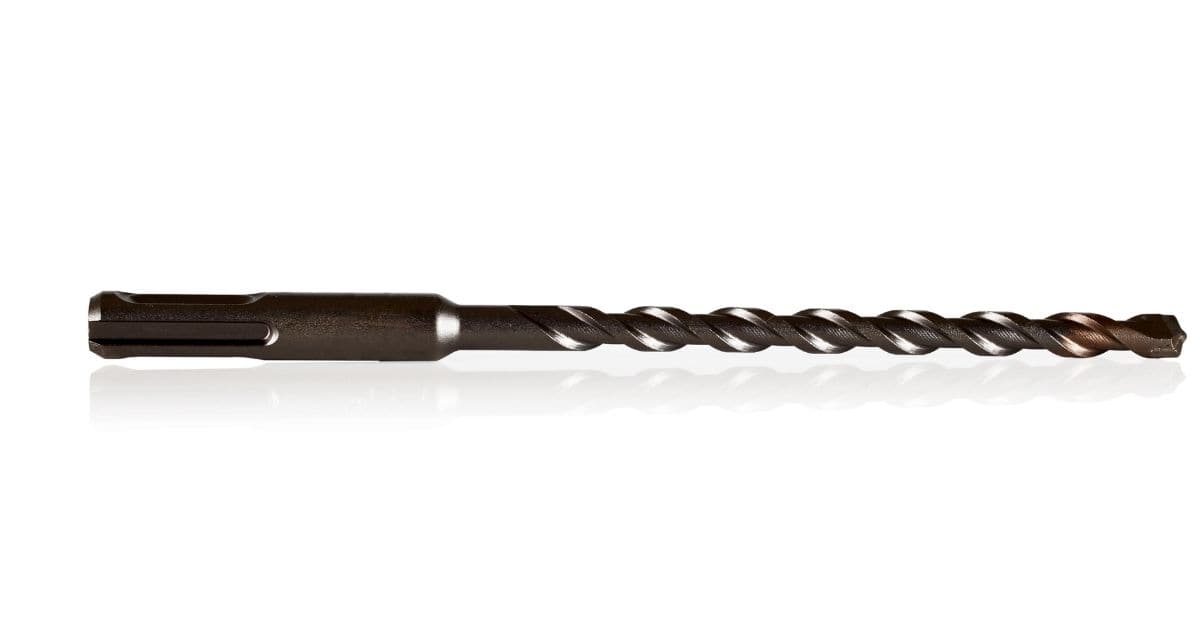
SDS Max Drill Bits: Features and Applications
SDS Max drill bits are engineered for heavy-duty masonry tasks, featuring a robust design that ensures durability and efficiency. Their unique shank system provides a secure fit and optimal power transfer, making them ideal for demanding applications in concrete and stone drilling.
Power and Impact Energy
SDS Max drill bits are built for power. When you’re working with tough materials like concrete or stone, you need a tool that can deliver. These drill bits are designed to handle high power and impact energy, making them ideal for heavy-duty tasks. Whether you’re drilling into a solid wall or breaking through a thick slab, the SDS Max can get the job done efficiently.
Before you start drilling, make sure your drill is compatible with SDS Max bits. These bits are larger and require a drill with a specific chuck. Once you’re set up, you’ll notice the difference right away. The impact energy of these bits allows them to cut through materials that would stop other bits in their tracks. This means less time and effort for you, and a cleaner, more precise hole.
When choosing an SDS Max drill bit, consider the material you’re working with and the depth of the hole you need. The right bit will make your project smoother and more efficient. With the power and impact energy of SDS Max drill bits, you can tackle even the toughest jobs with confidence.
Straight Shank Drill Bits: When to Use Them
Straight shank drill bits are ideal for tasks requiring precision and control, making them a preferred choice for drilling into softer materials like wood and plastic. Unlike SDS systems, which are designed for heavy-duty applications, straight shank bits offer versatility and ease of use in lighter, more delicate projects.
Simplicity and Versatility
Straight shank drill bits are a staple in any toolbox due to their straightforward design. They fit snugly into most standard drill chucks, making them easy to use without any special adjustments. Whether you’re drilling into wood, plastic, or metal, these bits can handle the job with ease.
One of the main advantages of straight shank drill bits is their versatility. They are suitable for a wide range of projects, from simple household repairs to more complex DIY tasks. When choosing a drill bit, consider the material you’re working with and the size of the hole you need. Straight shank bits come in various sizes, so you can find the right fit for your project.
Before starting your project, ensure your drill is compatible with straight shank bits. Most standard drills will accommodate them, but it’s always good to double-check. Once you have the right bit, you’ll find that these tools are both reliable and efficient for general use, offering a balance of simplicity and functionality.
Limitations in Masonry
Straight shank drill bits are not the best choice for heavy-duty masonry work. When you’re tackling tough materials like concrete or brick, these bits can struggle. They tend to slip in the chuck under high pressure, which means you might not get the power you need to drill effectively.
For masonry tasks, consider using an SDS system instead. SDS bits lock into the drill more securely, providing better energy transfer and reducing the risk of slippage. This makes them much more efficient for breaking through hard surfaces.
If you’re set on using straight shank bits, keep in mind that they work best for light masonry tasks. Always check your drill’s compatibility with the bit type and ensure you’re using the right tool for the job to avoid frustration and potential damage to your equipment.
Choosing the Right Drill Bit for Your Project
Choosing the right drill bit is crucial for the success of your project, as it ensures precision and efficiency. Understanding the material you’re working with and the specific requirements of your task will guide you in selecting the most suitable drill bit.
Assessing Material and Task Requirements
Before you start drilling, it’s crucial to match your drill bit to the material and task at hand. This ensures efficiency and prevents damage to both your tools and workpiece. Here’s what you’ll need to consider:
- Material Type: Identify whether you’re working with wood, metal, concrete, or another material. Each requires a specific drill bit designed to handle its unique properties.
- Drill Bit Size: Choose the correct size for the task. The diameter of the drill bit should match the size of the hole you need to create.
- Drill Bit Material: Opt for high-speed steel (HSS) for general use, cobalt for hard metals, or carbide for masonry. Each material off