

Introduction
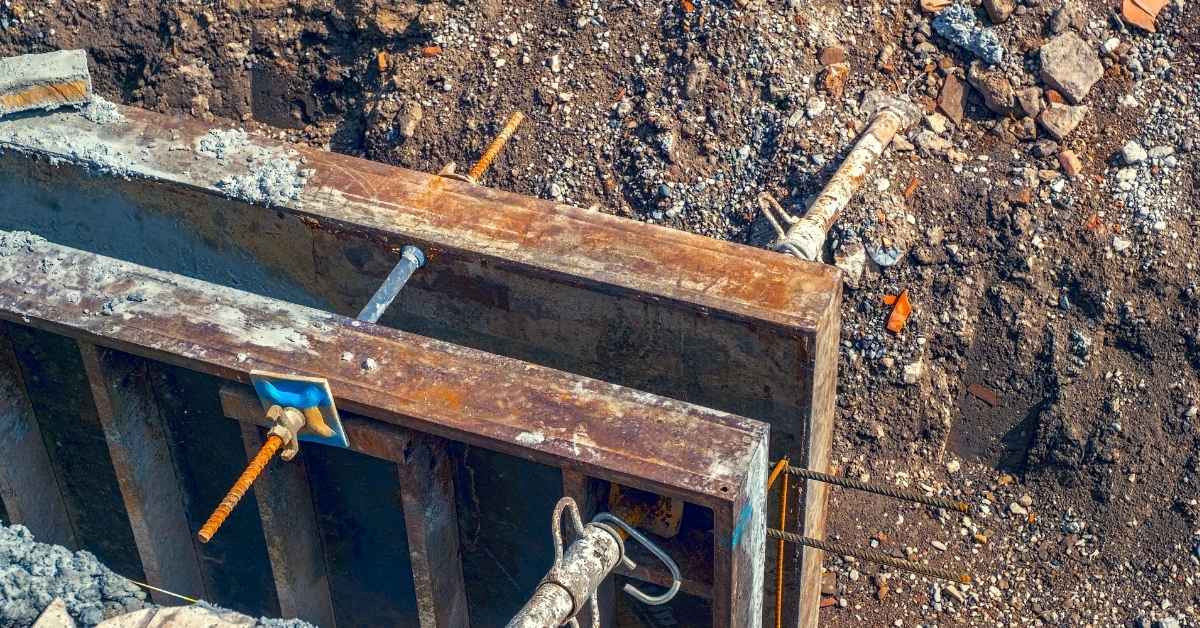
Concrete post base pockets and voids are hollow spaces that form around a post base when concrete doesn’t fill evenly. They can occur from improper forms, settling, or air pockets during pouring. These gaps can weaken the attachment if not addressed.
To patch invisibly, clean the area, mix a compatible repair mortar, and fill from the center outward, then tool flush with the surrounding concrete. Work in thin lifts and build up gradually to match texture and color as much as possible. Check product labels and follow local rules for setting time and curing to ensure a proper repair.
Key takeaways
- Identify post base pockets and voids before patching to tailor repair.
- Assess severity with moisture exposure, movement, and ongoing load to set urgency.
- Use compatible patch materials and proper mixing to avoid adhesion failures.
- Follow code-compliant flashing and sealing details to prevent future water intrusion.
- Wear PPE and follow manufacturer instructions to prevent skin and dust hazards.
- Cure patches under controlled conditions and protect from rain and surface traffic.
- Document repairs with photos and notes to guide future maintenance.
Table of Contents
- Introduction
- Key takeaways
- What Post Base Pockets and Voids Are, and Why They Matter
- Assessing Severity and Determining Repair Urgency
- Tools and Materials Checklist for Invisible Post-Base Repair
- Material Specs and Standards Explained
- Invisible Patching Strategies: Matching Structure and Finish
- Step-by-Step Invisible Patching Procedure
- Curing, Protection, and Waterproofing for Durable Invisible Repairs
- Maintenance, Prevention, and Troubleshooting Common Failures
- Conclusion
- FAQ
What Post Base Pockets and Voids Are, and Why They Matter
Post base pockets and voids are gaps that form around the bottom of concrete posts. They can appear as shallow depressions or larger hollows near the base. These conditions can host water and debris if left exposed, inviting deterioration over time.
Cosmetic concerns are common, but the issues run deeper. Poorly filled bases can undermine load transfer and invite corrosion or freeze-thaw damage in exposed climates. Understanding their impact helps prioritize repair actions for durability and appearance.
Typical formation mechanisms
Post base pockets and voids in concrete are primarily caused by improper construction practices. Poor consolidation during concrete placement leaves behind honeycombing or isolated underside pockets.
Gaps in formwork can result in delamination, where the surface layer of concrete separates from the underlying structure. Settlement of the concrete after pouring can also create voids.
Freeze-thaw cycles and corroding reinforcement further exacerbate these issues, leading to increased void formation. Understanding these mechanisms helps prevent future problems.
Common void types and visible signs
Voids around post bases can manifest in several ways. Hairline voids are thin, barely visible cracks that run through the concrete’s surface. They may not pose immediate structural risks but should be addressed to prevent further deterioration.
Honeycombing is a more severe form of voiding where large areas of the concrete have insufficient aggregate or paste, leaving behind a Swiss cheese-like appearance. This can compromise the structure’s integrity.
Delamination occurs when the surface layer of concrete separates from the underlying substrate due to poor bonding. Isolated underside pockets form when there is inadequate support beneath the post base during construction.
Visually and tactically inspecting the area for signs of voids, such as cracking, discoloration, or a spongy feel, can help identify these common types. Matching the repair method to the void type ensures effective restoration.
Assessing Severity and Determining Repair Urgency
Evaluate defects by observing size, depth, and exposure. Small, shallow pockets near sheltered bases may tolerate temporary delay, while larger voids that reach reinforcement or are exposed require swift attention. The goal is to classify defects without guessing, using a practical framework.
Consider how weather, moisture, and traffic affect urgency. Dry conditions often simplify repair, whereas ongoing exposure keeps repair priority high. Always verify any adverse conditions against manufacturer guidance or local rules before proceeding.
Visual checkpoints and quick field tests
Before starting any repair work, use this checklist to visually inspect and perform low-tech tests on the concrete post base.
- Visible cracks: Look for hairline or wider cracks around the post base. Cracks can indicate settlement or movement.
- Discoloration: Check for stains, efflorescence (white powdery substance), or other discolorations that may suggest moisture issues.
- Uneven surfaces: Inspect for dips, bulges, or rough patches, which could indicate voids or deterioration.
- Post alignment: Ensure the post is plumb (vertical) and level. Any deviation may suggest settlement or damage to the base.
- Hammer sounding: Tap around the post base with a hammer. A dull thud could indicate a void behind the surface.
- Probing: Gently probe the concrete with a screwdriver or similar tool to check for soft or crumbling material, which may suggest deterioration.
- Post movement: Try to wiggle the post. Any movement could indicate a weak base.
- Moisture presence: Look for signs of water damage, such as rust on reinforcement or dampness in the area.
Quick rule: If voids are visible or detected by these quick checks, proceed with repair planning immediately to prevent further deterioration.
When to measure, test, or bring in a professional
Certain situations require more than visual inspection and quick field tests. Here are guidelines on when to use measurement tools, non-destructive testing, or consult a structural engineer.
Measurement tools: Use tape measures and levels to assess dimensions and alignment of the post and base. This helps ensure proper repair and replacement methods are used.
Non-destructive testing (NDT): For critical structures or suspected extensive damage, consider NDT methods like ground-penetrating radar (GPR) or infrared thermography to detect hidden voids or deterioration without causing further damage.
Structural engineer: If the post is load-bearing, or widespread deterioration is suspected, consult a structural engineer. They can provide expert assessment and guidance on appropriate repair methods to ensure safety and longevity of the structure.
Tools and Materials Checklist for Invisible Post-Base Repair
Assemble a basic toolkit for surface preparation and application. Include scrapers, brushes, and a clean container for mixing, plus a trowel or margin trowel for placement. Safety gear such as gloves and eye protection should be on hand.
Group consumables by task: cleaning and profiling, bonding, filling, and finishing. Check product data sheets for substrate compatibility and curing requirements, and reference local codes or manufacturer instructions to confirm acceptable materials. Do not proceed without confirming these details.
Surface-prep and cutting tools
To effectively remove loose concrete and contaminants, you’ll need a range of tools designed for the task. Safety gear is also crucial.
- Angle grinder: With appropriate disc (e.g., diamond or cup wheel), it cuts and grinds concrete. Ensure it’s suitable for your task.
- Grinding discs: Choose the right type – diamond for cutting, cup wheel for grinding. Check condition before use.
- Chisels: Handheld or pneumatic, they remove loose concrete. Ensure they’re in good condition.
- Wire brushes: For removing contaminants and preparing surfaces. Avoid clogging by using the right size for your task.
- Safety gear: Include safety glasses, gloves, ear protection (for grinders), and dust mask/respirator.
- Optional: Rentable tools: Consider renting or borrowing specialized tools to save costs. Always check their condition before use.
Repair materials and finishing products
Choosing the right repair materials ensures a lasting, invisible fix. Here are key components to consider.
- Repair mortar: Look for high-strength, fast-setting options. Check compatibility with your substrate and climate.
- Bonding agent: Enhances bond between old and new concrete. Follow label instructions for correct application.
- Colorant: Match the original color or choose a new one. Ensure it’s compatible with your repair mortar.
- Microcement/skim coat: For a smooth, seamless finish. Check setting times and application methods on labels.
- Corrosion-resistant anchorage: Essential for post bases. Choose options rated for your load requirements.
- Avoid common mistakes: If materials aren’t performing as expected, recheck labels/datasheets for correct usage and storage conditions.
Material Specs and Standards Explained
The key material properties to verify are bond strength, shrinkage, and freeze-thaw resistance, and you should check manufacturer data and local code requirements for each material you use. Do not rely on assumptions; compare the label or datasheet to your project plans before proceeding. Ensuring these properties helps the post base pocket perform over time.
A simple on-site check is to compare the labels or datasheets of received materials with those specified in the project plans. An experienced installer typically reviews manufacturer data to confirm these properties align with local requirements. If materials do not match specifications, contact the supplier for replacement or verification, and replace incorrect materials to avoid installation errors or structural issues.
Choosing the right repair mortar or grout
Selecting the appropriate repair material is crucial for a successful post-base patch. Key factors to consider include:
Workability: The material should be easy to apply and spread, especially in thin featheredges or deep fills.
Shrinkage compensation: To prevent cracking due to drying shrinkage, choose a material that offers adequate shrinkage compensation.
Always consult the product’s technical datasheet for detailed specifications. If a thin featheredge is required, opt for a material with high flowability and low shrinkage. For deep fills, select a material with a good aggregate-to-cement ratio and low water demand.
Anchors, fasteners, and corrosion protection options
Properly securing posts to the repaired base is essential for longevity. Consider the following options:
Stainless steel vs. coated fasteners: Stainless steel offers excellent corrosion resistance, while coated fasteners provide protection at a lower cost.
Epoxy anchors: These are ideal when low-strength concrete or high load transfer is required, providing superior bond strength.
Protective coatings can further enhance corrosion resistance. Always verify compatibility with the repair system and local environmental conditions. In high-corrosion risk areas, consider stainless steel fasteners or protective coatings. For low-strength concrete or high load transfer needs, evaluate epoxy anchors as an option.
Invisible Patching Strategies: Matching Structure and Finish
Approach repairs with a focus on restoring structural integrity where needed and blending for invisibility where possible. Structural strategies prioritize solid fill and proper adhesion to the substrate. Cosmetic strategies aim to minimize visible seams and color differences.
Hybrid methods combine both aims, addressing void fill and surface finish in a coordinated sequence. Consider how curing, paint or sealant compatibility, and substrate texture affect final appearance and performance. Verify compatibility with manufacturer guidance and local rules to ensure a durable result.
Structural Fill vs. Cosmetic Skim Solutions
When repairing post base pockets and voids, ensure you choose a repair solution that addresses both structural integrity and cosmetic invisibility.
Deep Structural Repair Mortars are suitable for voids over 50mm deep or those with compromised surrounding concrete. They provide high compressive strength and restore structural soundness.
Polymer-Modified Overlays or Microcement are appropriate for shallow voids under 25mm deep, particularly when the surface condition is good. They offer a seamless finish but lack the deep penetration of structural repair mortars.
Incorrect selection can result in premature failure or visible repairs. Always measure void dimensions and assess surface condition before making your decision.
Color, Texture, and Edge Blending Techniques
Matching the existing concrete’s color and surface texture is essential for an invisible repair. Observe the repair area under different lighting conditions to ensure accurate matching.
If the existing concrete has consistent color and texture, sample and match colors using appropriate pigments. Use tooling techniques to replicate the texture. For varied color or texture, use feathering techniques at edges to blend the repair into the surrounding area. Consider using multiple pigments to mimic variations.
Inadequate matching can result in visible repairs that detract from the overall appearance. Inspect existing concrete for color variations, aggregates, and surface texture before starting any blending work.
Step-by-Step Invisible Patching Procedure
Begin with careful demolition to expose the void and clean the area. Prepare the substrate to remove dust, laitance, and loose material. Set up a controlled environment if possible to optimize adhesion.
Proceed with placement of repair material in stages to fill the void completely. Consolidate with a trowel and finish to blend with surrounding concrete. Verify the patch is fully bonded and smooth before moving to curing and protection steps.
Step-by-Step Process
The following steps outline the invisible patching procedure for concrete post base pockets and voids. They ensure a successful, long-lasting repair that blends seamlessly with the existing structure.
- Preparation: Review tools, materials, and safety gear. Ensure you have all necessary items before starting.
- Demolition: Carefully remove delaminated concrete using a chisel and hammer or an angle grinder with a diamond blade. Be cautious not to damage surrounding areas.
- Cleaning: Remove rust, contaminants, and loose debris from the repair area using a wire brush or compressed air. Ensure the surface is clean for proper adhesion.
- Substrate Conditioning: Apply a bonding agent or primer to the cleaned surface following the manufacturer’s instructions. This promotes better adhesion of the repair material.
- Placing Repair Material: Pack the repair mortar or grout into the voids using a trowel, float, or other suitable tools. Ensure the mix is properly workable and free from air entrapment.
- Forming Hidden Fills: For deep voids, use formwork or grout to support the repair material and prevent sagging. Remove forms once the material has set according to the manufacturer’s instructions.
- Finishing: Tool the surface to match the existing texture using a trowel or float. Apply pigments or stains to achieve color matching, testing on a small area first.
- Cleanup and Final Checks: Clean tools and work area thoroughly. Inspect the patch visually and with quick field tests to ensure it’s structurally sound and blends seamlessly with the surrounding concrete.
Preparation: removal, cleaning, and substrate conditioning
The first step in any repair process is adequate preparation. This ensures proper adhesion of the repair material to the existing substrate.
Removal: Begin by removing any delaminated concrete using a chisel and hammer or an angle grinder with a diamond blade. Be cautious not to damage surrounding areas, as this can compromise the integrity of the entire structure.
Cleaning: Remove rust, contaminants, and loose debris from the repair area using a wire brush or compressed air. Ensure the surface is clean for proper adhesion. Inspect the area for any hidden damage or corrosion before proceeding.
Substrate Conditioning: Apply a bonding agent or primer to the cleaned surface following the manufacturer’s instructions. This promotes better adhesion of the repair material, ensuring a strong bond between the old and new concrete.
Placing repair material and forming hidden fills
The choice of repair material significantly impacts the result of your patch. Here are some techniques to ensure continuous, strong fills:
- Packing Mixes: Use a trowel, float, or other suitable tools to pack mixes into pockets and voids. Ensure the mix is properly workable for easy application.
- Grout or Formwork for Deep Voids: For deep voids, use grout or formwork to support the repair material and prevent sagging. Remove forms once the material has set according to the manufacturer’s instructions.
- Avoid Entrapped Air: Ensure the mix is free from air entrapment. Improperly mixed or rushed application can lead to voids, weakening the fill’s strength.
- Proportion and Consistency: Verify mix proportions and consistency according to manufacturer’s instructions. Incorrect proportions can result in cracking, staining, or weak bond.
Finishing, texture replication, and color matching
Achieving an invisible patch requires precise finishing. Here are practical steps to replicate the existing surface’s texture and match its color:
Tooling: Use a trowel or float to tool the surface, replicating the existing texture. Ensure tools are clean and in good condition for optimal results.
Texture Stamps: For heavily textured surfaces, use texture stamps to replicate the pattern accurately. Apply these immediately after placing the repair material to ensure a perfect match.
Pigments and Small-Sample Tests: Use pigments or stains to achieve color matching. Always test on a small, inconspicuous area first to ensure the desired result. Allow the patch to cure according to the manufacturer’s instructions before applying any final sealants or coatings.
Curing, Protection, and Waterproofing for Durable Invisible Repairs
Follow appropriate curing practices to minimize shrinkage and cracking. Keep the patch protected from rapid drying and extreme temperature changes during early cure. Protective measures reduce surface discoloration and edge debonding.
Apply waterproofing or protective coatings in accordance with product guidelines and local requirements. Verify compatibility with the repair material and substrate, and consider chloride exposure in vulnerable environments. Inspect curing adherence against the manufacturer’s instructions for best results.
Recommended curing approaches and monitoring
Proper curing is crucial for the strength and appearance of your repair material. Follow these guidelines to ensure optimal results:
Wet Curing: If required by the manufacturer, maintain a consistent moisture level and temperature during curing. Use a fine mist spray or damp cloth to keep the surface moist.
Membrane Curing: Apply a compatible curing membrane uniformly, following the manufacturer’s instructions. This helps retain moisture and prevents dust from adhering to the repair area.
Regularly inspect your repair for signs of under-curing (soft spots, discoloration) or over-curing (excessive cracking). If issues arise, adjust conditions or reapply the curing method as needed.
Drainage, sealers, and corrosion inhibitors
Protect your repair by ensuring proper drainage and applying compatible sealers. If corrosion is a concern, consider using corrosion inhibitors or sacrificial layers:
Improve Drainage: Assess the post’s surroundings for water accumulation points. Install weep holes or slope the grade away from posts to encourage water runoff.
Select Sealers: Choose a sealer compatible with both your repair material and substrate. Apply it according to the manufacturer’s instructions, ensuring even coverage.
Corrosion Protection: If corrosion is a concern, apply corrosion inhibitors or sacrificial layers as per the manufacturer’s instructions before sealing. This helps prevent future damage from moisture and corrosive agents.
Maintenance, Prevention, and Troubleshooting Common Failures
Establish routine inspection to detect early signs of patch failure, discoloration, or re-cracking. Plan simple maintenance steps that address small issues before they grow. Document findings to track performance over time.
When problems appear, diagnose whether they stem from adhesion, curing, or substrate movement. Use practical fixes that respect the original repair method and materials, and consult manufacturer guidance or codes if needed. Prioritize fixes that restore both durability and appearance.
Concrete Post Base Best Practices: Avoiding Voids or Pockets
Preventing voids or pockets in concrete post bases involves careful design and installation. Key aspects to consider include:
- Proper placement: Ensure forms are level, plumb, and square to minimize settling and void formation.
- Consolidation: Thoroughly vibrate concrete to remove air pockets and ensure proper compaction around rebar.
- Rebar cover: Maintain adequate rebar cover (typically 2-3 inches) to protect steel from corrosion and maintain structural integrity.
- Formwork quality: Use sturdy, well-maintained forms that fit tightly together to prevent leakage and voids.
By adhering to these best practices, you can significantly reduce the risk of pockets forming during initial concrete casting.
Concrete Post Base Inspection Schedule
Maintain regular inspections of your concrete post bases to address minor issues promptly. Follow this checklist:
- Visual Inspection: Examine for cracks, discoloration, or other signs of deterioration every 3-6 months.
- Water Intrusion Check: Look for water stains, efflorescence, or soft spots that may indicate water penetration.
- Movement Assessment: Gently push and pull on the post to ensure it’s secure; any movement could signal a problem.
- Rebar Exposure Check: Inspect for exposed rebar, which can lead to corrosion and structural compromise.
Quick Rule: If minor cracks or other issues are present, perform interim repairs using appropriate sealants or fillers. Consult a professional if deterioration persists or worsens despite corrective actions.
When to repair again versus replace the post or base
Deciding between repeat repairs and replacement depends on several factors. Consider the following:
Extent of deterioration: Minor cracks may be repairable, but extensive damage might warrant replacement.
Load path integrity: If the post or base can no longer safely bear loads, replacement may be necessary.
Life-cycle costs: Weigh the cost of repeated repairs against the upfront expense of replacement. Consult with a professional to assess long-term savings and safety.
Ultimately, it’s crucial to consult with a structural expert when deciding between repair and replacement. Incorrect decisions can lead to costly failures or unnecessary expenses.
Conclusion
Concrete post base pockets and voids affect safety, durability, and appearance. When you finish, you want a repair that lasts, looks right, and doesn’t introduce new problems.
Check your approach by confirming the pocket or void is accessible, select the compatible patching method and materials, prepare and test in a small area first, apply the patch with the correct bonding and depth, and allow for proper curing and protection after repair. Then monitor for leaks or movement and address any issues promptly before they grow.
Common mistakes to avoid include rushing the patch without proper surface cleaning, using the wrong material for the substrate, or skipping curing and protection steps. Always follow manufacturer instructions and local rules, work safely with PPE, and test a patch in a hidden area before committing to the full repair. If there is any sign of ongoing movement, water intrusion, or structural concern, consider bringing in a professional to avoid costly damage. With careful steps, you can achieve an lasting, nearly invisible repair and restore the integrity of the structure.
FAQ
What common causes create post base pockets and voids in concrete foundations?
Pockets and voids often form when concrete around the base settles, when formwork is not fully filled, or when a gap is left to allow drainage. Shifting ground, improper compaction, and inadequate vibration during pouring can also contribute.
How can I tell if a post base pocket or void exists behind a finished surface?
Visual cues include cracks at the base, gaps around the post, or uneven surfaces near the footing. If you need confirmation, inspect by removing a small area of finish or use non-destructive probing methods per manufacturer instructions or local guidance.
What factors influence the choice of invisible patching method?
Consider the substrate material, the size and depth of the void, and the load path from the post. Refer to product labels and manufacturer instructions for compatible patching compounds and follow local rules for waterproofing and bonding requirements.
How do I verify the repair will remain invisible and durable over time?
Assess the texture and finish match with the surrounding concrete and ensure proper curing and protection. Check for firm adhesion, absence of surface cracking, and a consistent appearance after the patch has cured according to the product instructions.