

Table of Contents
- Table of Contents
- Introduction
- Understanding Ergonomics in Construction
- Essential Ergonomic Equipment for Concrete Mixing
- Choosing the Right Ergonomic Tools for Your Concrete Mixing Station
- Maintenance Tips for Ergonomic Equipment
- Techniques for Safe Lifting and Handling
- Designing an Ergonomic Concrete Mixing Station
- Cost-Benefit Analysis of Ergonomic Investments
- Exercises and Stretches for Back Pain Prevention
- Innovative Ergonomic Solutions for Concrete Mixing Stations
- Safety Protocols for Long-Term Health
- Personal Experiences and Testimonials
- Real Stories: How Ergonomics Transformed Concrete Mixing Stations
- Common Mistakes in Ergonomic Setups
- Avoiding Pitfalls in Ergonomic Concrete Mixing Setups
- Conclusion
- FAQ
Introduction
To save your back while setting up a concrete mixing station, prioritize ergonomic design and proper equipment placement. This article explores essential tips and strategies to enhance comfort and efficiency, ensuring a safer and more productive working environment.
Understanding Ergonomics in Construction
Ergonomics is the science of designing work environments to fit the needs of workers, and it plays a crucial role in construction by minimizing physical strain and preventing injuries. In construction settings, particularly during tasks like concrete mixing, workers face significant ergonomic challenges that can lead to discomfort and long-term health issues.
Implementing ergonomic practices in construction not only boosts productivity but also reduces worker fatigue, making it essential for efficient operations. By using ergonomic tools and equipment, such as adjustable mixers and supportive footwear, construction teams can enhance safety and efficiency at concrete mixing stations. Proper setup, including attention to posture and equipment placement, ensures a healthier and more comfortable work environment for everyone involved.
Essential Ergonomic Equipment for Concrete Mixing
Ergonomic equipment is crucial for enhancing efficiency and safety in concrete mixing stations. Tools like adjustable-height mixers and ergonomic shovels are specifically designed to reduce strain and improve comfort during use. Additionally, incorporating anti-fatigue mats can significantly decrease the physical toll on workers who stand for extended periods.
Implementing ergonomic solutions not only boosts productivity but also minimizes the risk of injury. Wheeled carts and dollies help in transporting heavy materials, reducing the need for lifting and carrying. Proper personal protective equipment, such as back braces and supportive footwear, further supports worker health. Organizing the mixing station layout to facilitate smooth movement can prevent unnecessary bending and reaching, leading to a more efficient workflow.
Ergonomic Mixers
When you’re mixing concrete, the right mixer can make a world of difference. Ergonomic mixers are designed to reduce physical strain, making your job easier and safer. Look for mixers with adjustable handles and controls that are within easy reach. These features help you maintain a comfortable posture, reducing the risk of back and shoulder injuries.
Pay attention to the weight and balance of the mixer. A well-balanced mixer is easier to maneuver and requires less effort to operate. This can significantly cut down on fatigue during long mixing sessions. If a mixer feels awkward or heavy, it’s not the right choice. You want a tool that works with you, not against you.
Consider mixers with vibration-dampening technology. Excessive vibration can lead to hand-arm vibration syndrome, a serious condition that can cause long-term damage. A mixer with good vibration control will keep your hands and arms comfortable, even during extended use. Don’t compromise on this feature; your health is worth it.
Anti-Fatigue Mats
Standing on hard surfaces for long periods can be brutal on your body. That’s where anti-fatigue mats come in. These mats are designed to reduce the stress on your legs and back, making those long hours of mixing concrete a lot more bearable. If you’re serious about comfort, invest in a quality mat that provides proper cushioning. It might seem like a small thing, but it can make a huge difference in how you feel at the end of the day.
When choosing a mat, look for one that’s durable and easy to clean. Concrete work can get messy, so you don’t want a mat that falls apart after a few uses. Also, check the mat’s grip. The last thing you need is a mat that slips around while you’re working. A good anti-fatigue mat should stay put, providing a stable surface to stand on.
Don’t skimp on this. A cheap mat might save you a few bucks now, but it could cost you in discomfort and even medical bills later. Take care of your body by choosing a mat that supports you properly. Your feet and back will thank you.
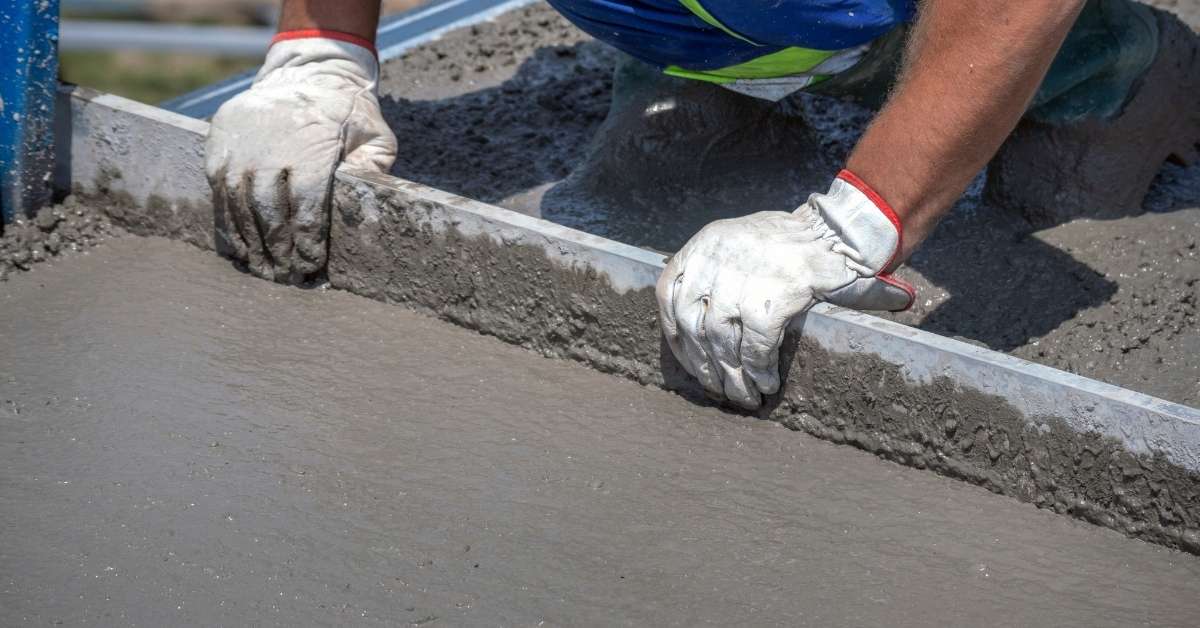
Choosing the Right Ergonomic Tools for Your Concrete Mixing Station
Picking the right ergonomic tools can make or break your concrete mixing setup. With so many options on the market, it’s crucial to know what features to look for. The right tools not only save your back but also increase efficiency and safety on the job.
- Adjustable Mixers: Look for mixers with adjustable heights and easy-to-reach controls. This helps maintain a comfortable posture, reducing strain on your back and shoulders.
- Ergonomic Shovels: Choose shovels with cushioned grips and lightweight materials. These features reduce hand fatigue and make shoveling easier on your body.
- Anti-Fatigue Mats: Invest in durable, non-slip mats that provide proper cushioning. They reduce stress on your legs and back during long hours of standing.
- Wheeled Carts and Dollies: Use these to transport heavy materials instead of carrying them. This minimizes lifting and lowers the risk of injury.
- Supportive Footwear: Wear shoes with good arch support and slip-resistant soles. Proper footwear is essential for stability and comfort on the jobsite.
- Vibration-Dampening Technology: Opt for tools that minimize vibration to prevent hand-arm vibration syndrome. This is crucial for long-term health.
- Quality Over Cost: Don’t be tempted by cheap tools. Investing in quality ergonomic equipment pays off in reduced medical bills and increased productivity.
Comparing Ergonomic Features
When evaluating tools, focus on ergonomic features that align with your needs. Adjustable components, weight distribution, and ease of use are key factors. Consider how each tool will fit into your workflow and whether it will genuinely enhance your setup. Remember, the right tool should work with you, not against you.
Maintenance Tips for Ergonomic Equipment
Keeping your ergonomic equipment in top shape is crucial for ensuring its longevity and effectiveness. Regular maintenance not only extends the life of your tools but also keeps them functioning safely and efficiently. Here are some practical tips to help you maintain your ergonomic gear.
- Inspect your tools regularly for wear and tear. Look for cracks, loose parts, or any signs of damage that could compromise safety.
- Clean your equipment after each use. Remove concrete residue and dust to prevent buildup that can affect performance.
- Lubricate moving parts, like mixer handles and wheels, to keep them operating smoothly. This reduces friction and prevents premature wear.
- Check the stability of anti-fatigue mats. Ensure they are not curling at the edges or losing their grip, which can lead to accidents.
- Store tools in a dry, secure place to protect them from moisture and damage. Proper storage extends the life of your equipment.
- Replace worn-out parts immediately. Don’t wait for a small issue to become a bigger problem that could lead to injury.
- Review the manufacturer’s maintenance guidelines for each piece of equipment. Following these instructions can prevent voiding warranties and ensure optimal performance.
Tool-Specific Care
Different tools require different care routines. For example, ergonomic shovels benefit from regular handle checks to ensure they remain secure, while mixers need more frequent lubrication. Tailor your maintenance efforts to the specific needs of each tool for the best results.
Techniques for Safe Lifting and Handling
Proper lifting techniques are essential to prevent back injuries, especially when handling heavy materials. By keeping a straight back and bending at the knees, you can significantly reduce the risk of strain. Engaging your core muscles and using ergonomic tools like lifting straps or dollies can further support safe lifting practices.
Understanding the weight and balance of materials before lifting is crucial for safety. Additionally, teamwork plays a vital role in distributing weight evenly and minimizing individual strain. These practices not only protect your physical health but also enhance efficiency and safety on any DIY project or jobsite.
Proper Lifting Techniques
Before you even think about lifting, take a moment to plan your move. Look at the path you’ll take and make sure it’s clear of obstacles. If the load is too heavy or awkward, don’t be a hero—get some help. Assess the weight and decide if you need a buddy or a dolly.
When you’re ready to lift, stand close to the object with your feet shoulder-width apart. Bend at the knees, not your waist, and keep your back straight. Grip the load firmly and lift with your legs, not your back. This is crucial to avoid injuries. Keep the load close to your body as you stand up.
As you move, keep your eyes forward and walk slowly. If you need to turn, move your feet instead of twisting your torso. Twisting while carrying a heavy load is a fast track to a sore back. Remember, don’t rush; steady and safe wins the day.
Designing an Ergonomic Concrete Mixing Station
Designing an ergonomic concrete mixing station is essential for preventing back injuries and ensuring a comfortable work environment. Key features such as adjustable height and accessible tools can make a significant difference in reducing strain and enhancing efficiency.
By setting up a well-organized mixing station, workers can maintain good posture and body mechanics, which is crucial for long-term health. Ergonomic tools and equipment not only improve the mixing process but also contribute to a safer and more productive jobsite.
Layout Planning
When setting up your concrete mixing station, think about the flow of work. Place materials like sand, cement, and gravel close to the mixer. This cuts down on walking back and forth, saving time and energy. Keep tools and equipment within arm’s reach to reduce bending and stretching. A well-organized layout means less strain and more efficiency.
Consider the height of your mixing station. It should be comfortable for you to work without hunching over. If you’re constantly bending, you’re doing it wrong. Adjust the height of the mixer or use platforms if needed. Check base compaction to ensure stability and safety. A sturdy base prevents unnecessary movements and accidents.
Lighting is crucial. Make sure your workspace is well-lit to avoid mistakes and mishaps. Shadows can hide hazards and lead to errors. Keep the area clear of clutter. A tidy space reduces the risk of trips and falls. Remember, a well-planned layout isn’t just about convenience—it’s about working smarter, not harder.
Equipment Placement
Getting your equipment in the right place is key to working efficiently and safely. You want everything within easy reach, so you’re not wasting time or risking injury by stretching or bending too much.
- Concrete Mixer Position it close to the work area. This saves time and reduces the need to carry heavy loads across the site.
- Wheelbarrow Keep it nearby for easy transport of mixed concrete. Make sure the path is clear to avoid spills and accidents.
- Shovels Store them upright and close to the mixer. This makes it easy to grab one when you need to add more materials.
- Water Supply Ensure a hose or water source is within arm’s reach of the mixer. Quick access to water is crucial for the right mix consistency.
- Safety Gear Have gloves, goggles, and masks readily available. Safety should never be an afterthought.
Pro tip: Always test your setup before you start mixing. A few minutes of prep can save you a lot of hassle down the line.
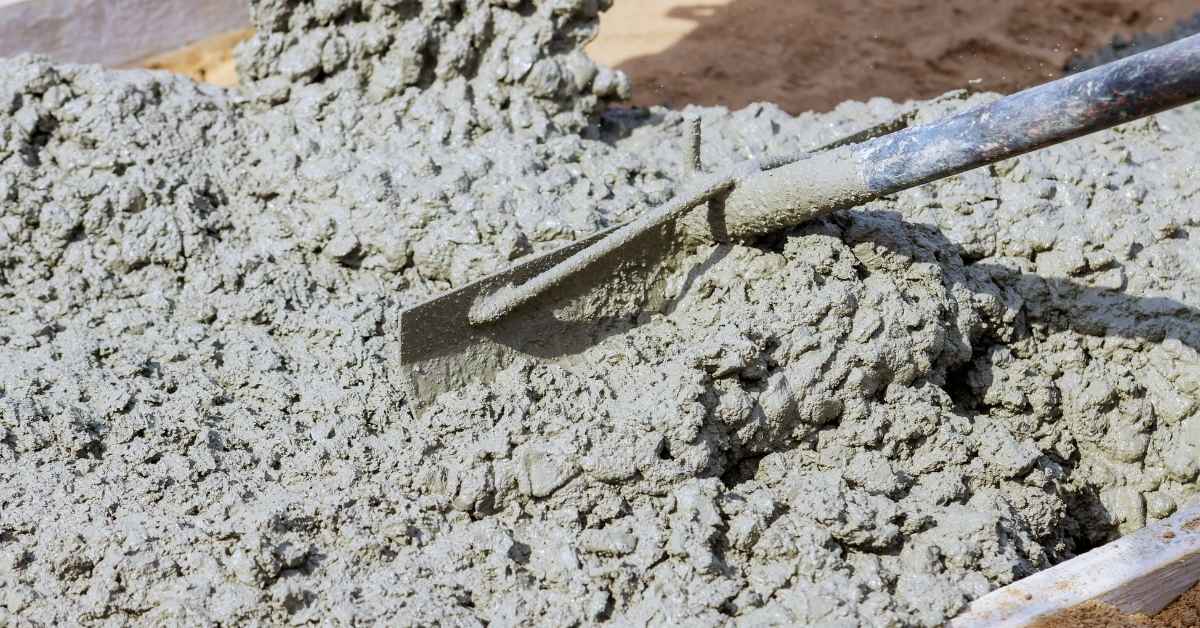
Cost-Benefit Analysis of Ergonomic Investments
Investing in ergonomic equipment for concrete mixing, such as adjustable height tables and anti-fatigue mats, can significantly impact both costs and productivity. While the initial expense might seem high, financing options are available to ease the burden. Over time, these investments can lead to substantial financial benefits by reducing injury-related costs and boosting worker efficiency.
For those working on DIY projects or managing job sites, ergonomic investments can offer more than just financial savings. They contribute to improved worker satisfaction and lower turnover rates, creating a more stable and motivated workforce. Case studies have shown that companies with ergonomic setups often see a noticeable improvement in overall job site performance.
Return on Investment
Investing in ergonomic improvements pays off faster than you might think. By creating a safer and more comfortable work environment, you’ll see a drop in worker injuries and absenteeism. This means fewer medical bills and less downtime, which translates directly to savings. So, when you’re weighing costs, remember that ergonomic upgrades can reduce long-term expenses.
But it’s not just about cutting costs. Ergonomic improvements can also boost productivity. When workers are comfortable, they work more efficiently and make fewer mistakes. This increased output means more gets done in less time, leading to higher profits. So, don’t just look at the upfront costs—consider how quickly these changes can start paying for themselves.
Before you dive in, make sure to evaluate your current setup. Identify problem areas where ergonomic improvements are most needed. This targeted approach ensures you get the best bang for your buck. Remember, it’s not just about buying new chairs or desks; it’s about creating a workspace that supports your team and your bottom line.
Exercises and Stretches for Back Pain Prevention
Exercises and stretches play a crucial role in preventing back pain, especially for workers at a concrete mixing station. Key exercises such as the cat-cow stretch, child’s pose, and seated spinal twist help alleviate tension and improve flexibility, making them essential for maintaining a healthy back.
Incorporating these exercises into a daily routine can significantly enhance mobility and prepare the body for physical tasks. Consistency and gradual progression are vital, along with safety precautions and modifications for those with existing back issues or limited mobility. By focusing on proper posture and duration, workers can effectively prevent back pain and improve overall well-being.
Daily Stretch Routine
Start your day with a few simple stretches to keep your back in good shape. Begin with a gentle standing forward bend. Stand with your feet hip-width apart, slowly bend forward at the hips, and let your arms hang towards the floor. Hold for 15-20 seconds and feel the stretch in your lower back and hamstrings.
Next, try the seated twist. Sit on a chair with your feet flat on the ground. Place your right hand on the back of the chair and twist your torso to the right, holding for 15 seconds. Repeat on the other side. This helps in keeping your spine flexible.
Finish with a shoulder roll. Stand or sit up straight and roll your shoulders forward in a circular motion 5 times, then reverse. This simple move relieves tension and improves posture. Remember, consistency is key. A few minutes each day can prevent a lot of back trouble down the line.
Innovative Ergonomic Solutions for Concrete Mixing Stations
Advanced ergonomic techniques can revolutionize how you set up your concrete mixing station. By incorporating innovative tools and methods, you can significantly reduce physical strain and enhance efficiency. These solutions are designed to take the weight off your body, allowing you to work smarter, not harder.
- Powered Hoists: Use powered hoists to lift heavy bags of cement or aggregates. These devices minimize manual lifting, reducing the risk of back injuries.
- Tool Suspension Systems: Implement tool suspension systems to support the weight of heavy tools. This reduces fatigue and allows for more precise control.
- Adjustable Work Platforms: Invest in adjustable platforms that can be raised or lowered to suit your height. This helps maintain a neutral posture and prevents unnecessary bending.
- Ergonomic Wheelbarrows: Choose wheelbarrows with pneumatic tires and ergonomic handles. These features make transporting materials easier and less taxing on your body.
- Exoskeletons: Consider using wearable exoskeletons for tasks that require repetitive lifting. These devices provide additional support and reduce muscle strain.
- Vibration Control Technology: Opt for tools with built-in vibration control to prevent hand-arm vibration syndrome. This is crucial for long-term health and comfort.
- Smart Monitoring Systems: Utilize smart systems that monitor your posture and provide real-time feedback. These can help you adjust your techniques and avoid strain.
Implementing Advanced Techniques
To make the most of these innovations, start by assessing your current setup and identifying areas that cause the most strain. Gradually integrate these advanced tools and techniques, ensuring you and your team are trained to use them effectively. This proactive approach not only enhances safety but also boosts productivity on the jobsite.
Safety Protocols for Long-Term Health
Ensuring long-term physical health on construction sites requires adherence to critical safety protocols. Proper lifting techniques, the use of personal protective equipment (PPE), and maintaining correct posture during tasks like mixing and pouring are essential to prevent injuries.
Implementing these measures not only safeguards workers but also enhances productivity by reducing downtime due to injuries. Regular breaks and stretching exercises help in minimizing strain, while an organized workspace can significantly reduce unnecessary movements and bending. Prioritizing these practices fosters a safer and more efficient working environment.
Essential Safety Practices for Long-Term Health on the Jobsite
Keeping yourself safe and healthy on the jobsite isn’t just about wearing a hard hat. It’s about adopting habits and using tools that protect your body over the long haul. Follow these essential safety protocols to minimize injuries and ensure you can keep working comfortably for years to come.
- Always use personal protective equipment (PPE) like gloves, goggles, and masks to shield yourself from dust and debris.
- Maintain proper posture during tasks. Keep your back straight and bend at the knees when lifting heavy objects.
- Take regular breaks to stretch and rest your muscles. This helps prevent fatigue and reduces the risk of strain.
- Organize your workspace to minimize unnecessary movements. Keep tools and materials within easy reach to avoid overextending.
- Stay hydrated and take care of your nutrition. A well-fueled body performs better and recovers faster.
- Use ergonomic tools and equipment designed to reduce strain and improve comfort. Investing in quality gear can prevent injuries.
- Educate yourself and your team on safe practices and encourage a culture of safety on the jobsite.
Implementing Regular Safety Checks
Conduct regular safety checks of your equipment and workspace. Look for hazards like loose tools or uneven surfaces that could lead to accidents. Addressing these issues promptly ensures a safer environment for everyone involved.
Personal Experiences and Testimonials
Personal experiences and testimonials highlight the transformative impact of ergonomic improvements in concrete mixing. Workers have shared stories of reduced back strain and increased efficiency thanks to ergonomic setups and tools that have significantly improved their daily routines.
For those working on DIY projects or job sites, understanding the benefits of ergonomics can lead to healthier, more productive work environments. By implementing ergonomic solutions, workers not only experience physical relief but also enhanced emotional well-being, as confirmed by industry experts and occupational health professionals.
Real Stories: How Ergonomics Transformed Concrete Mixing Stations
Hearing from those who have experienced the benefits of ergonomic setups can be eye-opening. Many DIY enthusiasts and professionals alike have shared how simple changes improved their work efficiency and reduced physical strain. These personal accounts highlight the real-world impact of investing in ergonomic solutions.
- One work mate reported that switching to an adjustable-height mixer reduced their back pain significantly, allowing them to work longer without discomfort.
- A contractor shared that using anti-fatigue mats not only made standing for long hours more bearable.
- Another user emphasized the importance of proper tool placement, noting that organizing their mixing station reduced unnecessary movements and saved time.
- Several workers mentioned that investing in ergonomic shovels with cushioned grips made a noticeable difference in reducing hand fatigue during extended projects.
- One highlighted the value of supportive footwear, which provided stability and comfort, preventing slips and falls on the jobsite.
- Many agreed that regular maintenance of ergonomic equipment ensured longevity and consistent performance, underscoring the importance of upkeep.
Lessons Learned from the Field
These stories underline the practical benefits of ergonomic investments. They show that even small adjustments can lead to significant improvements in comfort and efficiency. By learning from others’ experiences, you can make informed decisions about your own setup, ensuring a safer and more productive workspace.
Common Mistakes in Ergonomic Setups
Ergonomic setups can often go wrong due to common mistakes such as improper height adjustments and the use of unsuitable tools. Ignoring posture and workspace organization are frequent errors that can lead to discomfort and inefficiency. These issues can be avoided with practical tips and ergonomic adjustments.
For those working in DIY or jobsite environments, understanding these mistakes is crucial for maintaining health and productivity. Proper ergonomic setups not only prevent strain and injuries but also enhance workflow efficiency. By addressing these common errors, you can create a more comfortable and effective workspace.
Avoiding Pitfalls in Ergonomic Concrete Mixing Setups
Setting up an ergonomic concrete mixing station isn’t just about buying the right tools. It’s about using them correctly and avoiding common mistakes that can lead to discomfort and inefficiency. Here are some pitfalls to watch out for and how to steer clear of them.
- Ignoring Adjustable Features: If your mixer or tools have adjustable settings, use them. Not adjusting to your height or reach can cause unnecessary strain.
- Poor Tool Placement: Keep all tools and materials within arm’s reach. Stretching or bending too much to grab something can lead to injury.
- Skipping Maintenance: Regularly check and maintain your equipment. Worn-out tools can be unsafe and make your job harder.
- Overlooking Personal Protective Equipment (PPE): Always wear the right PPE like gloves and goggles. Skipping these can lead to injuries that are easily preventable.
- Neglecting Workspace Organization: A cluttered workspace can cause trips and falls. Keep your area tidy to work more efficiently and safely.
- Underestimating Load Weight: Know your limits. If a load is too heavy, use a dolly or get help. Lifting too much on your own is a quick way to hurt your back.
- Forgetting to Take Breaks: Regular breaks prevent fatigue and reduce the risk of mistakes. Don’t push yourself too hard; it’s not worth the injury.
Fine-Tuning Your Setup
Take the time to adjust your setup to fit your needs. Test different configurations to find what works best for you. This proactive approach not only prevents injuries but also boosts your efficiency, making your workday smoother and more productive.

Conclusion
Taking care of your back isn’t just for the pros; it’s crucial for anyone mixing concrete. You’ve learned how to set up your station with ergonomics in mind. Don’t skip on the right equipment and techniques. They might seem like an extra cost, but they save you from a world of hurt down the line.
Remember, lifting with your legs, not your back, is key. And make sure your tools and materials are within easy reach. A well-designed mixing station isn’t just safer; it makes the job faster and more efficient. Don’t let bad habits or shortcuts lead to injuries.
Finally, don’t underestimate the power of regular stretches and exercises. These simple steps can prevent long-term pain and keep you working comfortably. Learn from the mistakes of others and take the time to set up your station right. Your back will thank you.
FAQ
Why is the right setup important for mixing concrete?
Setting up your mixing station correctly saves your back and boosts efficiency. A poor setup means more bending and lifting, which leads to fatigue and injury.
How high should my mixing station be?
Keep your mixing station at waist height. This reduces the need to bend over constantly, protecting your back and making the job easier.
What tools do I need for a good setup?
Use a sturdy table or platform for your mixer and keep tools like shovels and buckets within easy reach. Having everything organized saves time and effort.
Can I mix concrete on the ground?
You can, but it’s a bad idea. Mixing on the ground forces you to bend over too much, which strains your back and slows you down.
Is there a safe way to lift heavy bags of concrete?
Always lift with your legs, not your back. If a bag is too heavy, split it into smaller loads or get help to avoid injury.