
Introduction
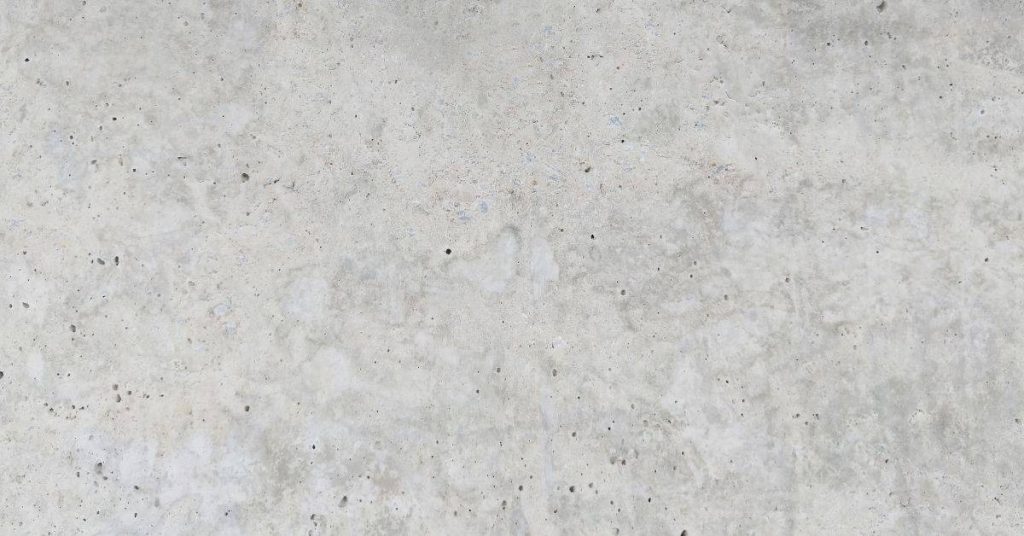
Concrete honeycombing is voids or gaps in the concrete left by poor compaction, creating a honeycomb-like texture. It’s often visible on the surface as rough pockets and can affect how the finish looks and wears. For DIYers, inspect exposed areas after form removal and under surfaces to spot these voids early.
Common causes include poor compaction, insufficient vibration, or material issues. For minor honeycombing, clean out loose material and patch with a cementitious patching mix, tamping to fill voids and bring the surface back to level. For larger areas, the repair may require more extensive stripping and re-patching; always follow product labels and local rules, and consider professional guidance if you’re unsure about structural implications.
Key takeaways
- Concrete honeycombing is voids left by poor compaction or improper finishing.
- Inspect for coarse air pockets and visible gaps after set to confirm.
- Minor honeycombing usually doesn’t affect strength, but seal and patch promptly.
- Major honeycombing undermines bonding; consider reconstruction or overlay with proper surface prep.
- Repair methods vary: surface patching for small voids, full-depth repairs for larger.
- Always check manufacturer instructions and local codes before repairs or replacements; safety first.
Table of Contents
- Introduction
- Key takeaways
- What Is Concrete Honeycombing?
- Common Causes of Honeycombing
- Assessing Severity: Minor Vs Structural Honeycombing
- How Honeycombing Affects Structural Integrity and Durability
- Diagnosing Before Repair: Step-by-Step Evaluation
- Repair Methods: from Patching to Reconstruction
- Tools, Materials, and Material Specs Explained
- Cost Estimates, Budgeting Tips, and Hiring Professionals
- Conclusion
- FAQ
What Is Concrete Honeycombing?
Honeycombing is a practical way to describe irregular, cavity-filled voids that resemble a honeycomb pattern in concrete pours. It shows up as rough, porous patches with exposed aggregates and pits on the surface and just beneath it. These voids form when the mix isn’t consolidated well enough to fill all gaps around the aggregates.
It’s more than a cosmetic flaw because it can reduce strength, increase porosity, and speed up deterioration due to moisture and chemicals. Expect the article to cover how to assess severity and decide between patching, injections, or possible replacement. You’ll also see a high-level roadmap of methods we’ll dive into later.
Visual Characteristics and Visual Checkpoints
Inspect your concrete surface regularly to catch honeycombing early. Here’s a simple checklist.
- Exposed Aggregate: Look for areas where small stones are visible on the surface. This could indicate voids beneath.
- Rough Pockets: Feel for uneven, pitted areas. These might hide honeycombing.
- Rebar Exposure: Check if any rebar is exposed. This suggests poor consolidation or inadequate cover.
- Patterned Voids: Look for irregular cavities that resemble a honeycomb pattern.
- Edges and Joints: Inspect these areas closely as they’re prone to honeycombing.
- Bases and Foundations: Check these critical areas for any signs of voids.
- Color Variation: Discolored patches might hide underlying issues.
- Wet/Dry Test: Sprinkle water on the surface. If it soaks in quickly, there may be voids beneath.
Quick rule: Regular inspections help catch honeycombing early, preventing bigger problems later.
How Honeycombing Differs from Delamination, Spalling, and Cracking
Honeycombing is different from other concrete defects. Here’s how:
Delamination: This occurs when the top layer of concrete separates from the underlying layers due to improper curing or excessive water content. Honeycombing, on the other hand, involves voids within the concrete itself.
Spalling: Spalling is the flaking or peeling off of the surface of concrete. It’s often caused by freeze-thaw cycles or inadequate reinforcement. While honeycombed areas may also flake off over time, spalling typically starts at the surface and moves inward.
Cracking: Cracks are linear separations in the concrete. They can be caused by settling, shrinkage, or excessive loading. Honeycombing, however, involves irregular voids within the concrete mass.
Common Causes of Honeycombing
We’ll distinguish systemic workmanship issues from single mistakes, showing how widespread practices influence honeycombing more than any one-off error. This helps guide repair choices and prevention efforts. Expect guidance on what to verify in your project setup.
Then we’ll break down causes by stage: mixing, placement, and curing. You’ll learn how water-cement balance, slump, aggregate quality, and proper vibration interact to trap air and create void channels. Formwork, reinforcement, and protection during curing also play critical roles.
Poor Placement and Inadequate Compaction
Improper placement of concrete can lead to honeycombing. When concrete is placed too high or too low, air gets trapped, creating voids.
Lack of vibration or compaction also contributes to this issue. Vibrators help force air out and ensure the mortar fills spaces around aggregate. Without proper vibration, air pockets remain, leading to honeycombing.
Incorrect formwork practices can also cause problems. Gaps behind forms allow air to enter, creating void channels. Misaligned or missing studs can lead to similar issues.
Mix Design and Material Issues
Material choices significantly impact concrete’s performance. The wrong mix design or contaminated materials can result in void formation and poor consolidation.
- Coarse Aggregate Gradation: Incorrect gradation can lead to excessive voids between aggregates, reducing the paste around them and weakening the concrete.
- Overly Dry Mixes: Too little water reduces workability, making it hard for mortar to fill spaces. This results in air pockets and honeycombing.
- Excessive Slump Reduction: Using too much slump-reducing admixture can make the concrete stiffer, trapping air and preventing proper consolidation.
- Contaminated Materials: Dirty aggregates or contaminated cement can impair bonding, leading to voids and honeycombing.
Formwork, Reinforcement Congestion, and Environmental Factors
Dense rebar layouts can block flow paths, preventing concrete from filling spaces properly. This leads to voids and honeycombing.
Poor form release also contributes to the problem. If forms aren’t removed at the right time, they can pull out mortar as they’re taken off, leaving voids behind.
Extreme temperatures or rapid drying can cause concrete to shrink and crack, creating voids. Inadequate moisture retention during curing can exacerbate this issue.
Assessing Severity: Minor Vs Structural Honeycombing
We’ll provide criteria to separate cosmetic patches from defects that affect structural performance. Consider depth, location near supports, and visible reinforcement exposure. These factors help decide repair urgency and method.
Expect practical steps like mapping voids, inspecting for rebar exposure, and sounding test areas. If you suspect structural issues, the guidance will cover safety actions and when to call in a structural engineer.
Inspection Checklist and Measurable Indicators
Before you decide on repairs, follow this checklist to assess the severity of honeycombing.
- Void depth: Measure voids’ maximum depth. If it’s more than 10% of slab thickness, be concerned.
- Void extent: Map out all voids. If they’re widespread or continuous, that’s serious.
- Rebar exposure: Check if rebar is exposed. Any exposure needs immediate attention.
- Location: Honeycombing near supports or load paths? That’s worse than along non-critical edges.
- Moisture/efflorescence: Presence signals deeper issues, possibly indicating water ingress.
- Crack patterns: Check for cracks around voids. They could indicate structural distress.
- Sounding with hammer/probe: Use a hammer or probe to check void depth and integrity. Soft spots need further investigation.
- Percent bonded area: Estimate the percentage of rebar in contact with concrete. Less than 50% is bad.
Quick rule: If any indicator shows severe issues, consider structural honeycombing and consult an engineer.
When to Consult a Structural Engineer
Some cases of honeycombing require professional assessment. Here’s when:
Exposed or corroded reinforcement: If rebar is exposed and/or showing signs of corrosion, an engineer must evaluate it.
Deep/continuous voids: If voids are deep (more than 10% of slab thickness) or continuous, consult a structural engineer. They might need to assess the entire structure.
Load-bearing elements: Honeycombing in load-bearing elements like beams, columns, or foundations needs immediate engineering input. These areas support the entire structure’s weight.
How Honeycombing Affects Structural Integrity and Durability
Voids interrupt the continuous concrete matrix, creating weak zones and promoting crack paths under load. This can lower local strength and lead to early cracking in service.
Void-rich concrete also becomes more permeable, inviting water and aggressive agents to reach reinforcement. The result can be corrosion, freeze-thaw damage, and accelerated deterioration in exposed areas.
Reinforcement Exposure and Corrosion Risks
Honeycombing can expose reinforcement, setting the stage for corrosion. Here’s why that matters:
Exposed rebar is directly exposed to air and moisture, which initiates corrosion cells. Chlorides from de-icing salts or seawater accelerate this process.
Corrosion causes expansion of the steel, putting pressure on surrounding concrete. This leads to spalling, where chunks of concrete break off, further exposing reinforcement and widening voids.
Over time, corrosion weakens the rebar, reducing its cross-sectional area and strength. This compromises the structure’s integrity and can lead to progressive deterioration and eventual failure.
Load-Bearing and Serviceability Concerns
Honeycombed concrete has reduced strength, which affects its ability to bear loads and maintain serviceability:
Voids cut through the continuous matrix of concrete, creating preferential paths for cracks. This lowers the modulus of rupture, making the structure more susceptible to cracking under service loads.
In foundations, columns, beams, and retaining structures, reduced strength can lead to increased deflections and settlements. Over time, this may cause doors and windows to stick, floors to slope, or retaining walls to lean.
Honeycombing also increases permeability, allowing water to penetrate and freeze in cold weather. This can exacerbate problems like freeze-thaw damage, scaling, and alkali-silica reactions, further compromising the structure’s long-term serviceability.

Diagnosing Before Repair: Step-by-Step Evaluation
Start with safety and site prep, securing utilities and controlling water intrusion as needed. Establish stable access for the diagnostic work that follows.
Then you’ll perform a visual audit, document extent, and use simple tests to gauge depth and moisture. This sets up a clear prioritization for repair and choosing the right method.
Step-by-Step Repair Process
Before you start any repair, follow this step-by-step process to ensure safety and accurate diagnosis.
- Establish PPE: Wear appropriate personal protective equipment (PPE) including hard hat, safety glasses, gloves, and steel-toed boots.
- Lock out/mark utilities: If needed, lock out or mark any utility lines near the affected area to prevent accidental damage.
- Control water intrusion: Use tarps or other barriers to control water flow and prevent further honeycombing.
- Isolate the affected area: Cordon off the area to keep workers and occupants safe during diagnosis and repair.
- Ensure stable access: Make sure you have a stable platform or scaffolding to work from, if needed.
- Conduct visual audit: Document all honeycombed regions with high-resolution photos. Measure approximate depth and surface area using a tape measure or ruler.
- Perform non-destructive testing: Use a hammer sounding test to gauge void depth, check moisture levels, assess surface hardness, and profile the surface to determine defect severity.
- Evaluate structural integrity: Determine if honeycombing compromises load transfer, bond between patch material and mortar, or subject-to-traffic stress. Categorize zones as high-priority repair, moderate, or cosmetic-only.
- Plan repairs: Based on your findings, outline eligible repair methods (patching, epoxy/grout injections, overlay, or removal/re-pour) and draft a step-by-step repair sequence with QA checks.
Non-Destructive and Destructive Testing Options
To assess honeycombing, use non-destructive testing (NDT) methods first. These help identify voids without causing further damage.
Hammer Sounding Test: Tap the surface with a hammer to listen for hollow or dull sounds indicating voids. Mark suspected areas for further investigation.
Rebound Hammer Test: Measure the hardness of the concrete’s surface using a rebound hammer. This helps assess the severity of honeycombing and indicates if the concrete is sound.
Ultrasound Testing: Use an ultrasound probe to detect voids beneath the surface. This method requires specialized equipment but provides accurate results.
If NDT methods suggest significant honeycombing, consider invasive investigation. Drill small holes or remove concrete samples to expose and measure voids directly. However, be cautious not to cause further damage during these processes.
Measuring Void Size, Depth, and Location
Accurate measurement of voids helps select the appropriate repair technique. Here’s how to map affected areas and record dimensions:
Use a tape measure or ruler to approximate the surface area of honeycombed regions. Mark these areas with chalk or paint for easy identification.
To measure depth, use a hammer sounding test and correlate the sound with known depths (e.g., tapping on a known-depth void). Alternatively, use an endoscope or borescope to visually inspect voids through small holes drilled into the surface.
Record locations relative to reinforcement and structural elements. This helps determine if honeycombing affects load-bearing capacity or other critical aspects of the structure. Use a simple sketch or digital plan to document these findings, noting any rebar exposure or other concerns.
Repair Methods: from Patching to Reconstruction
We’ll match repair options to honeycombing severity, from cosmetic patching to more extensive removals. The idea is to pick the simplest method that reliably restores performance and appearance.
Surface prep, bonding, and material compatibility come into play for each method. You’ll see a practical view of when to use patches, injections, grout fills, or full-depth reconstruction.
Surface and Patch Repairs (Bonding Agents, Repair Mortars)
Before patching honeycombed concrete, prepare the surface. Remove loose material, clean with a wire brush, and rinse.
Use a bonding agent to ensure your repair mortar sticks. Apply it thinly, let it dry slightly, then apply the mortar. Match the repair mortar’s strength to the existing concrete.
For cosmetic patches, use a fine aggregate mix. For structural repairs, use a strong, coarse aggregate mix. Always follow manufacturer guidelines for mixing and application.
Injection, Grouting, and Void Filling Techniques
Epoxy or cementitious injections are best for small voids. Low-viscosity grouts fill larger voids. Drill holes, clean them, then inject under pressure.
Key to successful injection: match the material’s viscosity to the void size. Too thick, it won’t flow. Too thin, it leaks out.
Avoid common pitfalls: don’t overpressure, which can cause new cracks. Don’t inject when concrete is wet or frozen. Always test a small area first.
Partial Removal and Full Replacement
If honeycombing is structural, partial removal may be needed. Cut out damaged concrete, protecting reinforcement. Use a chisel and hammer or a saw.
For monolithic repair, ensure the new concrete bonds well. Clean the exposed surfaces, apply bonding agent, then pour and finish the new concrete.
If damage is extensive, full replacement may be safest. Consult a structural engineer before proceeding. Always follow local codes and regulations.
Tools, Materials, and Material Specs Explained
Prepare a practical toolbox list, including surface prep tools, mixing gear, and injection equipment. This helps you plan workflows and avoid missing critical items.
You’ll also get guidance on patch mortars, bonding agents, and cure considerations. The goal is to check spec sheets and comply with standards before starting work.
Tools and Materials Checklist
Before you start any concrete repair work, consult this checklist to ensure you have all necessary tools and materials. It’ll save you time and trips to the hardware store.
- Safety gear: Hard hat, safety glasses, gloves, and steel-toed boots.
- Surface prep tools: Hammer drill, chisel, vacuum/blower for dust removal.
- Mixing equipment: Bucket, mixing paddle, or drill with mixing attachment.
- Application tools: Trowels, floats, grout bags, and injection gear.
- Detection/verification gear: Moisture meter to check concrete’s moisture content.
- Patching materials: Cementitious repair mortars (thick patch and fine grout), epoxy/polyurethane injections for deep voids, bonding agents, color-match pigments, waterproofing sealers, and curing compounds.
- Epoxy/polyurethane injection gear: Injection pumps or syringes, ports, and needles.
- PPE (Personal Protective Equipment): Respirator for dust protection, long sleeves, and long pants.
Quick rule: Always double-check your tools and materials before starting any repair work to avoid delays and ensure a successful outcome.
Material Compatibility and Standards to Verify
The right material choices are crucial for a durable, long-lasting repair. Here’s what you need to verify before starting your work.
- Compressive strength: Ensure the patch material’s compressive strength matches or exceeds that of the existing concrete (look for ASTM C882/C882M standards).
- Bond strength: Check the bond strength of the repair mortar to ensure it adheres well to the existing concrete.
- Shrinkage: Look for low shrinkage materials to prevent cracking due to drying (ASTM C157/C157M).
- Curing requirements: Follow the manufacturer’s guidelines for curing times and conditions to achieve optimal strength development.
- Water-cement ratio: Maintain a suitable water-cement ratio (typically 0.4-0.6) to ensure proper hydration and strength gain.
- Slump/flow targets: Adjust the consistency of your repair mortar to match the slump or flow target specified by the manufacturer for easy application.
- Temperature tolerances: Ensure the repair material can be applied within the specified temperature range (usually 50-90°F or 10-32°C).
- Compatibility with existing concrete: Check if the patch material is compatible with your existing concrete to avoid staining, discoloration, or weak bonds.
Quick rule: Always consult local codes and product data sheets for compliance and follow manufacturer guidelines for best results.
Cost Estimates, Budgeting Tips, and Hiring Professionals
Identify what drives costs, like material needs, labor intensity, and accessibility. The repair method chosen will push the budget in different directions.
Finally, we’ll cover when to DIY versus hire, how to compare quotes, and what information you should gather for a clear scope and warranty. This helps you plan realistically and avoid surprises.
Cost Factors and Budgeting Guidance
Repairing honeycombing isn’t one-size-fits-all. Costs vary based on damage extent, access, materials, and labor.
Material selection impacts cost. Spot patches are cheaper than full-depth repairs. Epoxy grouts can be pricey but offer superior strength.
Get accurate quotes by measuring voids, assessing accessibility, and asking pros for detailed estimates. Prioritize repairs based on safety, structural importance, and budget.
Allocate a 10-20% contingency for surprises. Unexpected issues can pop up during repair, so it’s wise to have some wiggle room in your budget.
When to DIY vs. When to Hire a Contractor
DIY is great for minor, non-structural honeycombing with good access. You’ll save on labor costs and gain satisfaction from a job well done.
Hire licensed specialists for structural elements, extensive repairs, or confined spaces. They have the expertise, tools, and insurance to tackle tough jobs safely and efficiently.
Expect paperwork and guarantees from pros. They should provide a detailed scope of work, warranties, permits (if needed), and clear milestones with payment terms.
DIY is fine for shallow voids and easy access. But if you’re unsure about safety or structural integrity, it’s best to leave it to the professionals.
Conclusion
Patching honeycombing isn’t glamorous, but doing it right protects safety, strength, and appearance long after the dust settles. Focus on solid repairs that hold up to load, weather, and abrasion, not quick fixes that fail sight unseen.
First, check the damage in a logical order: confirm whether it’s minor or structural, locate the voids and their causes, remove loose material, clean the surface, test patch material compatibility, prepare the substrate, apply patch or rebuild as needed, cure properly, and then re-inspect for any signs of settlement or new voids. Do this area by area, document what you see, and use the right materials and mix ratios for your concrete and patch product. If you’re unsure about the severity, start small and test a tiny patch before committing to larger work.
Common mistakes to avoid include skipping a proper diagnostic step, using the wrong patch product or mix, and rushing cure times. Follow safety rules: wear eye protection and gloves, shut off power if you’re near electrical, and work in good ventilation. Don’t compact patches with force or hammer out voids when you should be cleaning and priming; plan your sequence and keep children and pets away from the work zone.
If the damage is structural, or if you’re dealing with large voids, deep recession, or compromised reinforcement, hire a professional rather than pushing on. In those cases, get a clear written scope, reasonable cost estimates, and a realistic schedule before work starts. Stay disciplined, check your work against the guidelines here, and you’ll finish with a durable, safe repair you can trust. You’ve got this—steady, careful steps now pay off with long-lasting results.
FAQ
What is concrete honeycombing?
Honeycombing is the presence of voids or gaps in the concrete near the surface. It looks like a honeycomb pattern and weakens the outer layer. You can usually see it when you chip away a loose patch or see exposed aggregate.
What causes honeycombing?
Poor compaction is the main culprit. Wet or improperly placed concrete can trap air and leave voids. Material issues, like too much aggregate or too little cement paste, also contribute.
How do you repair minor versus major honeycombing?
For minor honeycombing, you patch with a compatible grout or patch material and finish smooth. Major honeycombing may require removing damaged concrete, re-patching, and possibly resurfacing or rebuilding the affected area. Always follow the patch material label and manufacturer instructions.
How can you prevent honeycombing in new work, and what are the risks of ignoring it?
Use proper compaction, correct mix, and good formwork with clean joints. Keep vibrations and placement timing in check. If you ignore it, the surface can spall, crack, or deteriorate faster, and the outer layer can fail under load. Check product labels, instructions, and local guidelines for specific steps.