
Introduction
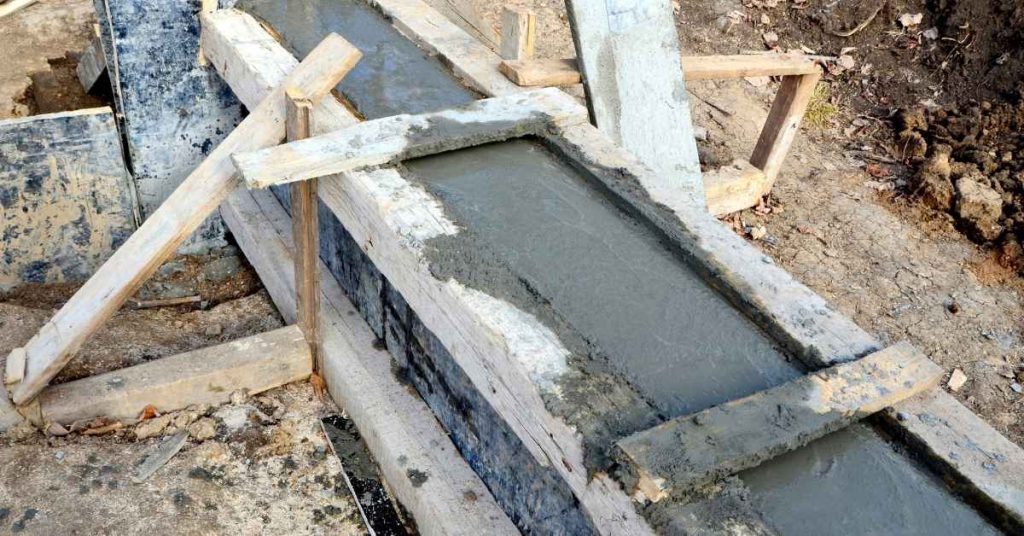
Concrete form release is a coating applied to forms to prevent sticking and to help control staining and color issues on the surface.
Key takeaways
- Choose release agents carefully; improper use can stain and dull decorative color.
- Plan form removal timing with manufacturer instructions and local code guidance.
- Use recommended tools and materials from two or three reliable suppliers.
- Apply release evenly to avoid soft faces and patchy color on edges.
- Monitor curing and immediate post-pour steps to preserve color consistency.
- Wear PPE and ensure ventilation when using chemical release products.
Table of Contents
- Introduction
- Key takeaways
- Why Proper Form Release Matters for Color and Surface Integrity
- Types of Form Release Agents (and When to Use Each)
- Choosing the Best Release Agent for Your Project
- Application Techniques and Tools Checklist
- Curing, Form Removal, and Immediate Post-Pour Steps to Preserve Color
- Troubleshooting and Fixes for Stains, Soft Faces, and Patchy Color
- Maintenance, Long-Term Care, and Preserving Decorative Color
- Project Planning, Estimating Costs, and Common Mistakes to Avoid
- Conclusion
- FAQ
Why Proper Form Release Matters for Color and Surface Integrity
Choosing the right form release and applying it correctly protects decorative and structural concrete from common finish problems. Poor release can cause staining, blotchy color, ghosting, or soft faces that rub off under foot traffic. The wrong choice or technique also increases rework time and repair costs later on.
Compare oil-based, water-based, and specialty stamp-release options to see which is compatible with your decorative methods, pigments, and sealers. Use criteria like project type, stamping method, curing regime, humidity, temperature, and substrate porosity to guide your selection. Thoughtful prep, proper timing relative to pour, and the right application thickness help keep the face clean and release-free during stamping and finishing.
How release agents interact with concrete and form materials
The right release agent makes the difference between a smooth, clean pour and a nightmare. Different form materials – steel, wood, plastic – each have their own quirks.
- Steel forms: Release agents prevent bonding to steel. Use oil-based for best results. Look for ‘steel form’ compatibility. Avoid applying too thin; it may not cover well.
- Wood forms: Release agents stop concrete from sticking to wood. Water-based or specialty stamps work here. Check ‘wood form’ rating. Too much can soak in, causing blotchiness.
- Plastic forms: Release agents ensure easy removal of plastic forms. Use water-based or specialty stamps. Look for ‘plastic form’ compatibility. Avoid over-applying; it might not release cleanly.
Common surface problems caused by improper release use
Improper use of release agents can lead to a host of issues. Excess release left on the form face can transfer onto your concrete, causing stains and patchy color.
Incompatibility with your chosen form material or curing regime can result in soft faces – weak, crumbly surfaces that need rework.
Poor coverage leaves spots where the release agent didn’t protect, leading to blotchy color and texture defects. These issues cost time and money to fix.
Types of Form Release Agents (and When to Use Each)
Release agents fall into broad categories: barrier/oily, reactive/chemically active, powder/dust-on, and hybrids. Each type interacts with the concrete surface differently and affects color stability and form removal. Knowing how they work helps you choose based on decorative goals vs. structural pours.
Match the release to form design and curing conditions. For stamp patterns or color reinforcement, consider how humidity and temperature influence timing. Weigh pros and cons such as adhesion, staining risk, cleanup needs, odor, and worker safety to decide what fits your project best.
Barrier (oily) releases
Barrier release agents are oily, film-forming products that create a physical barrier between the concrete and the form. They prevent sticking by keeping the two surfaces separate.
How they work: These agents create a thin, continuous layer on the form surface. This layer prevents direct contact with the concrete, ensuring easy form removal after curing.
Considerations: While effective in preventing adhesion, overapplication can lead to surface staining. Be sure to apply these agents evenly and sparingly to avoid this issue. They’re best suited for structural pours where a smooth finish is desired but not critical.
Reactive releases and emulsions
Reactive release agents are chemically active products that form a bond with the form surface. They offer cleaner, more consistent finishes compared to barrier releases.
How they work: These agents react with the form material, creating a thin, weak layer that easily separates from the concrete during form removal. This process leaves a smoother, more uniform surface behind.
Compatibility considerations: Reactive releases are compatible with most pigments and sealers but can cause issues if not properly matched to your specific application. Always test on a small area before full application. They’re ideal for decorative pours where a crisp edge release is desired.
Powder/dust-on and specialty releases
Powder or dust-on releases are dry, powdered products that create a physical barrier similar to oily releases. They’re typically used in conjunction with concrete stamps for decorative finishes.
How they work: These agents are applied as a fine dust on the form surface before pouring. The powder absorbs moisture from the concrete, creating a weak layer that separates easily during form removal.
Specialty products: Some specialty releases are designed for specific applications, such as acid-sensitive or integral-colored mixes. Always choose a release agent compatible with your mix design to avoid surface defects or staining. These agents are often used in decorative pours where intricate patterns and textures are desired.
Choosing the Best Release Agent for Your Project
Assess form material compatibility and pick release types—oil-based, water-based, demi-release, polymer, or mold-release—based on wood, steel, or composite forms and the risk of staining or adhesion. The choice should align with your color method and finish goals. Check labels and manufacturer guidance for specifics before committing.
Consider environmental conditions and cure timing, plus how the release might affect color uniformity, bleed, or antique wash results. Evaluate finish requirements such as slip resistance, texture, sealer compatibility, and cleanup ease. Use a practical validation workflow that includes spot tests and cross-checks with coatings you plan to apply later.
Match release to form material and finish type
The right release agent depends on your form materials and the desired finish. Here’s what you need to know:
- Steel forms: Use oil-based or reactive releases. Avoid demi-release for smooth finishes, as it can cause staining.
- Plywood forms: Oil-based or polymer releases work well. Stay clear of water-based agents that may cause adhesion issues.
- Plastic/composite forms: Demi-release or mold-release are best. Avoid oil-based agents, which can leave residue and affect the finish.
- Silicone-lined forms: Use demi-release or reactive releases. Oil-based agents may not release properly, leading to cracking.
- Stamped finishes: Reactive or polymer releases are ideal. Avoid oil-based agents that can bleed into stamps and cause discoloration.
- Smooth finishes: Water-based or demi-release agents work well. Be cautious with oil-based agents, which may leave residue and affect the final appearance.
Compatibility with coloring methods and sealers
Release agents can interact with coloring methods and sealers. Here’s what to consider:
Integral color: Most release agents are compatible, but test first to ensure no discoloration or bleed.
Surface-applied stain: Avoid oil-based releases that may interfere with stain penetration. Test demi-release and reactive agents for compatibility with your chosen sealer.
Antiquing: Reactive or polymer releases are usually compatible, but test first to ensure no interference with the antiquing wash results. Be cautious with oil-based agents that may cause discoloration.
Application Techniques and Tools Checklist
Outline which release agents are appropriate for your finish and stamp patterns, and which to avoid. Surface prep should address cleanliness, moisture targets, and whether the form will be sealed. Compatibility with forms and release agents is essential for a clean edge.
Document a step-by-step application approach with patch tests, handheld sprayers, rollers, or brushes, and watch for puddling. Include timing cues between pour, form removal, and initial curing, plus recommended coverage checks per area. Always plan for safety and a straightforward cleanup after form removal.
Tools and materials checklist
Before you start, make sure you have the right tools for a smooth application. Here’s your essentials list.
- Sprayer: For even coverage, use an airless or high-volume low-pressure sprayer.
- Brushes/Rollers: For touch-ups and edges, have 2-3 inch brushes and a 9-inch roller on hand.
- Dust-on applicator (if using powder): A simple sieve or dusting bag will do the trick.
- Gloves: Protect your hands with durable, chemical-resistant gloves.
- Safety glasses: Essential for protecting your eyes from splashes and debris.
- Respirator (for solvent-based agents): Ensure proper ventilation and protection against fumes.
- Rags/towels: For cleaning up spills and wiping hands.
- Disposal bags/container: Keep a designated area for waste materials.
Quick rule: Always check your release agent’s product data sheet (SDS) for specific tool recommendations and safety guidelines.
Proper application methods and visual checkpoints
Apply your release agent like a pro with these step-by-step techniques. Inspect your work to avoid common pitfalls.
- Patch test: Before full application, test on a small area to ensure compatibility with form material and finish.
- Spray technique: Use a side-to-side or criss-cross pattern for even coverage. Keep the nozzle 12-18 inches from the surface.
- Avoid puddling: Watch out for excessive film or pooling, which can cause staining and soft spots.
- Back-roll/brush technique: After spraying, use a roller or brush to smooth out any imperfections and ensure even coverage.
- Overlap strategy: Apply release agent in manageable sections, overlapping each pass by 50% for complete coverage.
- Re-application intervals: Reapply every 24 hours or as needed to maintain a fresh layer before concrete placement.
- Inspect edges: Pay extra attention to corners and edges where staining often occurs due to uneven application.
Quick rule: Always inspect your work visually before placing concrete. A quick walkthrough can save you from costly mistakes.
Safety precautions and environmental considerations
Protect yourself, your team, and the environment by following these safety guidelines and disposal practices.
- PPE: Wear appropriate personal protective equipment as recommended on the product SDS.
- Ventilation: Ensure adequate ventilation in work areas, especially when using solvent-based agents.
- Spill control: Have spill kits ready to contain and clean up any accidental releases.
- Disposal guidelines: Follow local regulations for disposal of release agent containers and waste materials. Never pour down drains or into the ground.
- Product SDSs: Always consult product data sheets (SDS) for specific safety instructions, first aid measures, and emergency procedures.
Quick rule: Always prioritize safety over speed. Take your time to follow guidelines and protect yourself and the environment.