
Introduction
The finishing sequence for this concrete work is the order of steps you follow after pouring: bull float, edge, joint, then walk away. This approach helps keep the surface workable while reducing roughness and lines. It works best when you have the right tools and a fresh pour to guide the finish.
Before you start, do a quick pre-pour check of formwork, consistency, and drainage to catch obvious issues. Keep the finishing tools handy for bull floating, edging, and managing joints, and strike off the surface to the desired level. If the surface starts to stiffen or you see signs of over-trowel, pause and reassess rather than forcing a finish.
Key Takeaways
- Pre-pour inspection checks forms, subgrade, and forms for level and cracks.
- Lock in finishing sequence: bull float, edge, joint, then final walk away.
- Keep tools clean and sharp; wear PPE to prevent gouges and injuries.
- Control joints with proper spacing and depth guidance from manufacturer or code.
- Weather and curing: protect exposed concrete and avoid early traffic.
- Identify common flaws early and pause only when surface is stable and safe.
Table of Contents
- Introduction
- Key Takeaways
- Quick Overview of the Finishing Sequence and Why Order Matters
- Pre-Pour Planning and Quality Inspection
- Tools and Materials Checklist
- Step-by-Step Finishing Sequence (Practical Actions and Timing Cues)
- Jointing and Control Joints: Methods, Spacing, and Depth Guidelines
- Surface Finishes: Trowelled, Broom, and Stamped Options
- Curing, Weather Impacts, and Timing
- Common Mistakes, Troubleshooting, Safety, and When to Call a Pro
- Conclusion
- FAQ
Quick Overview of the Finishing Sequence and Why Order Matters
The finishing sequence affects how water moves and cures in the slab, how the surface gains strength, and how cracks are minimized. Look for drag lines, shadowing, and proper joint alignment as practical indicators that the process is on track. Quick prompts like “Is bull float ready for edge pass?” and “Are joints properly spaced and sealed?” help you self-check in real time.
Choosing the order matters for long-term performance and cost savings, because proper timing supports smooth, durable finishes and effective curing. Skipping steps or rushing may create an uneven surface and visible marks; feel the surface—firm but still slightly plastic with a small indentation when pressed—to judge readiness. If bull float marks show, re-wet and repeat the pass, and adjust if the concrete is too wet or dry after verification with the surface check.
Bull Floating Importance
Initial bull floating sets the foundation for subsequent steps in concrete finishing, affecting water management and strength development.
Evenly distribute water across the surface to prevent dry spots that could lead to cracks or weak points. Check for consistent drag lines, indicating proper float pressure and even water distribution.
Ensure your bull float is flat, smooth, and in good condition to avoid leaving marks or damaging the concrete surface. Adjust float pressure or check tool condition if drag lines are inconsistent or missing. Re-float the area with correct pressure for consistent results.
When ‘Walk Away’ Is Acceptable
The phrase ‘then walk away (sometimes)’ refers to knowing when to leave freshly poured concrete alone. Understanding this step’s purpose and when to apply it is essential.
‘Walking away’ allows the concrete to set undisturbed, promoting strength development and a smooth finish. However, it’s not always applicable immediately after bull floating or edging. The timing depends on factors like temperature, humidity, and concrete mix design.
Check your local conditions and follow manufacturer recommendations for initial setting times. Once the concrete has reached its initial set, you can ‘walk away’ confidently, knowing that further finishing steps can wait until the concrete is ready.
Pre-Pour Planning and Quality Inspection
Verify form alignment, plumbness, levelness, and bracing, ensuring clean joints and secure nailers without sharp corners that can telegraph through the finish. A true-to-dimensions setup reduces surprises once the concrete begins to pour. Document any deviations before you mix or pour.
Assess subgrade readiness, moisture, drainage, and frost risk, making sure the base is compact and uniform. Check reinforcement placement, chairs, and spacers to maintain required cover from the forms. Review the batch ticket and weather conditions to confirm compatibility with the site plan before proceeding.
Site, Forms, and Reinforcement Checks
Before pouring concrete, ensure structural integrity and finish quality by verifying key form and reinforcement aspects at a glance.
- Form dimensions: Check that forms are true to dimensions. Any deviation could affect the final finish.
- Plumb and level: Ensure forms are plumb (vertical) and level (horizontal). Out-of-square forms can lead to an uneven surface.
- Bracing: Confirm forms are securely braced. Inadequate bracing may cause forms to shift during pouring, leading to cracks or an uneven finish.
- Joints: Inspect joints between forms for cleanliness and proper alignment. Dirty or misaligned joints can telegraph through the concrete surface.
- Nailers: Check that nailers are properly installed to prevent form movement during pouring.
- Gaps or sharp corners: Ensure there are no gaps between forms or sharp corners that could affect the final finish.
- Rebar/welded wire mesh: Verify correct size, spacing, and embedment depth for rebar or welded wire mesh. Incorrect placement can weaken the structure.
- Chairs/spacers: Confirm chairs or spacers are in place and properly spaced to maintain required cover from form surfaces. Inadequate spacing can lead to weak spots in the concrete.
Quick rule: If forms are not true, plumb, level, securely braced, or have dirty joints, gaps, or sharp corners, address and correct these issues before proceeding.
Concrete Mix and Delivery Checks
Before commencing pours, verify concrete quality and availability for timely finishing by assessing these aspects:
- Slump range: Inspect the batch ticket to confirm slump range (usually 2-4 inches for most finishes). Incorrect slump can impact workability and finish quality.
- Aggregate size: Ensure aggregate size adheres to project specifications. Incorrect aggregate size may result in an uneven or weak surface.
- Admixtures: Confirm admixtures align with plans. Incorrect admixtures can affect setting time, strength, and finish quality.
- Air content: Check air content (typically 4-7% for most finishes). Excessive or insufficient air can weaken the concrete or cause an uneven surface.
- Temperature: Verify concrete temperature is within acceptable range (usually 50-90°F). Extreme temperatures can impact setting time and strength.
- Delivery timing: Coordinate with the plant to ensure timely delivery, aligning with your finishing crew’s schedule.
Quick rule: If the mix does not meet specified slump range, aggregate size, admixtures, air content, or temperature, request a new batch or adjust the mix design as needed before pouring.
Safety and Crew Planning
Ensure safe working conditions and efficient crew coordination by addressing these aspects before pouring concrete.
- Weather Forecast: Check the weather forecast to anticipate any rain or extreme temperatures that could affect finish quality.
- Wind Exposure: Assess wind exposure. High winds can cause rapid evaporation of water from the surface, leading to a weak finish.
- Temporary Shelter: Plan for temporary shelter if rain threatens during pouring or finishing.
- Site Safety: Inspect the site for any potential hazards (e.g., tripping hazards, unstable surfaces).
- Access and Equipment Needs: Ensure access for equipment, material staging, and timely delivery. Acquire any necessary equipment before pouring begins.
- PPE: Confirm that personal protective equipment is available and in good condition.
- Crew Tasks: Coordinate crew tasks to ensure efficient pouring and finishing.
Safety Rule: If the site is unsafe or lacks necessary equipment, address safety concerns and acquire required equipment before proceeding with concrete pouring.
Tools and Materials Checklist
A practical tools and materials checklist covers core tools (bull float, edging tool, jointer/groover, hand trowels, magnesium float, and a finishing broom or texture tool) and essential materials (cement mix, water, bonding agents for patches, curing compound or blankets, release agent, and sealers). It explains when each is used in the finishing sequence to help you achieve a smooth, even surface.
Having the right tools and materials on hand helps you follow the sequence efficiently and avoid rework. Regular tool maintenance, safe cleaning practices, and a quick on-site check keep finish quality high and extend tool life; replace worn parts as needed. Skipping maintenance or using dull tools can lead to subpar results, so inspect for cleanliness, sharpness, and proper functioning before starting, and verify conditions that affect performance.
Required Tools: Bull Float, Edger, Jointing Tools, Trowels
The listed tools are essential for achieving a smooth concrete surface. They are used sequentially to ensure a high-quality finish.
- Bull Float: Employed after screeding to eliminate excess water and level the surface. It features a large, flat blade (typically 6-8 feet long) and is operated manually or mechanically.
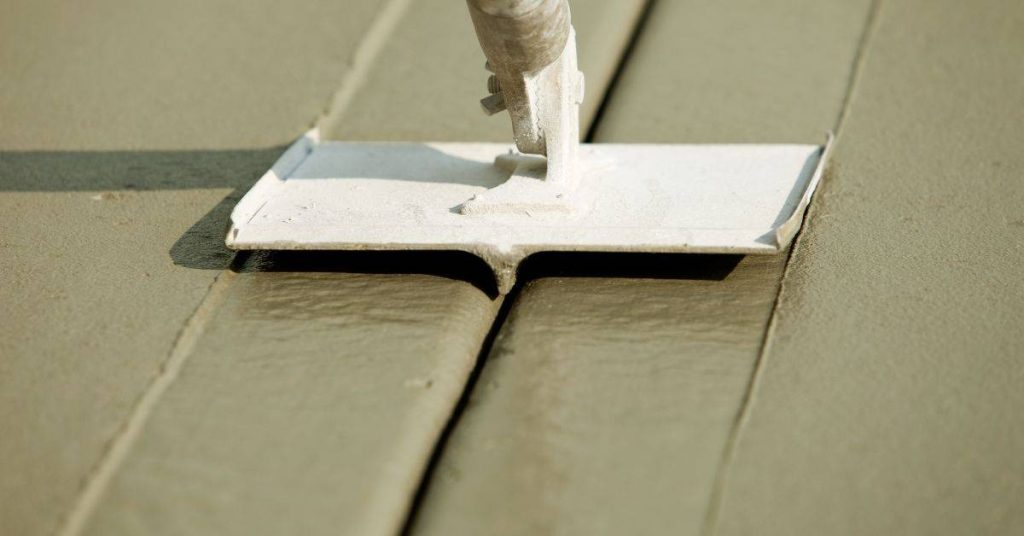
- Edging Tool: Applied along forms prior to floating to create a clean, sharp edge. It aids in preventing raveling and maintains form accuracy.
- Jointer/Groover: Used after initial floating to cut control joints into the concrete surface. This helps prevent random cracking due to shrinkage.
- Hand Trowels (Finishing Trowel, Margin Trowel): Finishing trowels (12-16 inches) are used for final smoothing and sheen development. Margin trowels (4-8 inches) help create a smooth edge.
- Magnesium Float: Optional, but beneficial for large surfaces or when a smoother finish is desired. It has a lighter, more flexible blade than the bull float.
Optional Tools and Rentals
While not always necessary, these tools can speed up work or achieve specific finishes. Consider renting for short-term use or when the investment doesn’t justify purchase.
- Power Trowel: A motorized bull float that can significantly reduce labor time on large surfaces. It’s ideal for high-traffic areas like driveways and warehouses.
- Power Float: Similar to a power trowel, but designed for smaller surfaces or when a more delicate touch is needed. It’s great for residential patios and walkways.
- Concrete Saw (Walk-Behind or Handheld): Used for cutting control joints or expanding existing ones. Renting saves the cost of purchasing, but consider safety features and maintenance needs.
Step-by-Step Finishing Sequence (Practical Actions and Timing Cues)
Coordinate finishing with the progress of curing by observing bleed water and surface response before proceeding. Follow a practical rhythm that advances from screed to bull float, then edge work, joints, and final finishing. Avoid overworking the surface while curing is active to prevent pull-apart edges or wave marks.
Timing cues come from surface behavior rather than clocks. Check for proper sheen, drag reduction, and uniform texture as you move through each step. Keep curing considerations in mind to prevent disruption from premature drying or re-wetting, and adjust your pace to the concrete’s response on site.
Concrete Finishing Steps
This sequence ensures a smooth, durable concrete finish.
- Inspect forms; secure and level them if necessary before proceeding.
- Verify all tools and materials are present.
- Begin screeding and bull floating the surface once it reaches suitable consistency.
- After initial bull floating, allow bleed water to rise (15-30 minutes in ideal conditions).
- Proceed with edging and jointing; ensure your edger has sharp blades for a clean cut.
- Allow concrete to rest briefly (5-10 minutes) before final finishing using a hand trowel or preferred tool.
- Check surface temperature and resistance to tool marks. Wait longer if it’s still warm or shows no resistance.
- Stop working the concrete when it shows resistance to tool marks and feels cool to the touch (2-4 hours in ideal conditions).
Screed and Bull Float Technique
The initial step in finishing concrete involves screeding and bull floating the surface to achieve an even, smooth texture that enhances the final finish.
Before commencing, assess the concrete’s consistency. It should be fluid enough to fill any voids but not excessively wet. Adjust the water/cement ratio or consult admixture instructions if necessary.
Employ a straight and level screed to remove excess concrete from the surface. Subsequently, use a bull float to smooth out any imperfections. Work the float in long, sweeping motions, applying consistent pressure across the entire surface.
Note: The optimal timing for this step varies based on concrete mix and weather conditions. Generally, initiate screeding and bull floating once the concrete reaches a consistency of approximately 3000-4000 psi (21-28 MPa). Always refer to local guidelines or manufacturer recommendations for precise timing.
Edging and Jointing Sequence
After bull floating, proceed with edging and jointing the concrete. This step helps prevent raveling and controls cracking by providing a controlled path for cracks to follow.
Before edging, inspect the concrete surface for levelness. If necessary, re-bull float the surface to ensure it’s even before proceeding.
Using an edger with sharp blades, cut a groove around the perimeter of the slab. This helps prevent raveling and provides a clean edge. Then, use a jointing tool to create control joints in your desired pattern. These should be spaced evenly and cut to a depth of at least 1/4 the thickness of the slab.
Tip: The optimal timing for edging and jointing depends on the concrete mix and weather conditions. Typically, start this process once the bleed water has risen to the surface (around 15-30 minutes after initial placement).
Final Finishing and Timing
The final step in concrete finishing involves applying any desired decorative finishes, such as stamping or brooming. Stop working the surface once it’s ready.
After edging and jointing, allow the concrete to rest briefly (around 5-10 minutes) before proceeding with final finishing. This initial curing helps prevent overworking the surface.
Using a hand trowel or other desired finish tool, apply any decorative finishes to the surface. Then, assess the surface’s readiness by feeling for warmth and resistance to tool marks. If it’s still warm or shows no resistance, wait longer before stopping to avoid overworking or underworking the surface.
Note: The optimal timing for final finishing varies based on concrete mix, weather conditions, and desired finish. Generally, stop working the concrete once it shows resistance to tool marks and feels cool to the touch (typically 2-4 hours after initial placement in ideal conditions). Always check product labels or manufacturer instructions for specific recommendations.

Jointing and Control Joints: Methods, Spacing, and Depth Guidelines
Plan joint placement to align with doors, walkways, and edges, while considering reinforcement and high-stress zones near columns or heavy equipment. Determine whether extra joints are needed in wide slabs or near features that experience movement. Maintain consistent spacing to control cracks effectively.
Check project specs and local codes for expansion and control joint requirements, noting maintenance implications and future repairs. Verify that joints are deep and clean enough to perform as designed, and document locations for future rework or sealing. Ensure the plan accommodates site constraints and anticipated loads.
Grooving Vs Saw-Cut Vs Preformed Joints
Concrete joints can be created using three primary methods: grooving, saw-cutting, and using preformed joint formers. Each method has its advantages and is suitable for different applications.
Grooving involves creating grooves in the concrete surface while it’s still wet. This method is typically used for small slabs and requires a specialized grooving machine.
Saw-cutting, on the other hand, is performed after the concrete has hardened. A diamond-blade saw is used to cut through the slab, creating clean, precise joints. This method is ideal for larger slabs and allows for greater control over joint depth.
Preformed joint formers are inserted into the forms before pouring. They create a continuous groove that can be filled with a flexible material like polyurethane or silicone. This method is often used in precast concrete manufacturing and for creating expansion joints.
Spacing and Depth: Safe Ranges and Confirmations
The spacing and depth of control joints are critical factors in concrete finishing, helping manage cracking, distribute stresses evenly, and maintain structural integrity.
Joint Spacing generally falls between 10 to 24 feet (3 to 7 meters) for interior slabs and 8 to 16 feet (2.5 to 5 meters) for exterior slabs. However, this can vary based on slab size, reinforcement, and loading conditions. Always verify project specifications and local codes.
Joint Depth should be at least one-fourth of the slab’s thickness but not more than one-third. For instance, if your slab is 6 inches thick, the joint depth should range between 1.5 to 2 inches (38 to 50 mm). Always consult project specifications and local codes for precise requirements.
To ensure proper jointing, confirm these details with your project engineer or architect before starting work. Using a joint spacing gauge and depth gauge during the finishing process can help maintain consistency.
Surface Finishes: Trowelled, Broom, and Stamped Options
Surface finishes for concrete include trowelled, broomed, and stamped textures. Each finish changes the look and feel, from smooth to textured to patterned, so choose based on wear, slip resistance, and maintenance needs. A blot test helps confirm the surface is dry to touch but still slightly damp underneath.
In DIY projects, understanding how moisture, timing, and tool choice affect the result helps prevent issues like dusting or uneven exposure. A consistent approach and proper curing readiness support long-lasting surfaces; verify the surface condition and plan for weather or surface treatment. If the surface is too dry, apply a light mist of water and let it sit before continuing.
How and When to Apply Each Finish
Timing is crucial for applying surface finishes to avoid defects. Always check the surface response before proceeding.
Broom, trowel, or stamp finishes should be applied immediately if the surface is still wet and sticky (plastic state).
If the surface has begun to set but remains workable (doughy state), delay application until the surface is plastic again. Reapply if defects appear due to incorrect timing.
Repair and Touch-up Tips for Each Finish
Inspect your finished surface for any defects or inconsistencies. Familiarize yourself with typical beginner mistakes.
For light trowel marks, wet the area and use a soft brush to gently buff them out. For patched broom strokes, re-wet the area and reapply the broom finish, ensuring consistent pressure and direction.
Revisit affected areas, re-wet if necessary, and reapply the finish to correct defects and maintain overall quality.
Curing, Weather Impacts, and Timing
Apply core curing principles by managing moisture, temperature, and time to support strength and crack resistance. Understand the general intent of curing windows for typical slab thickness and exposure, and tailor them to the site. Use practical cues rather than fixed times to gauge progress.
Survey weather impacts on evaporation rates and set times, adjusting duration and protection for heat, cold, wind, and humidity. Integrate curing with the bull float, edge, and jointing steps to avoid conflicts with set times. Monitor surface moisture and color changes, and be prepared with contingency plans and documentation for deviations.
Curing Methods for Concrete
Proper moisture retention during concrete curing is vital for strength development. Here are common methods:
- Moist Curing: Apply water through spraying, fogging, or using damp burlap. Maintain consistent moisture until the slab reaches its target strength, typically within 28 days. Re-wet if signs of drying appear.
- Liquid Curing Compounds: Follow manufacturer’s guidelines for application. These compounds form a protective barrier, slowing down evaporation.
- Surface Covers: Use plastic sheeting or breathable blankets. Follow application and removal instructions. Protect from wind and sun when possible.
Weather Mitigation for Concrete Curing
Extreme weather conditions can impact concrete curing effectiveness. Monitor local forecasts to adjust your plan accordingly:
- High Temperatures (>30°C/86°F) or Low Humidity: Increase moist curing frequency, apply liquid compounds earlier, or use surface covers.
- Low Temperatures (<10°C/50°F), Windy, or Rainy Conditions: Reduce exposure, increase moist curing duration, and/or use additional protective coverings. Re-check cure after weather swings; re-wet and re-cover if necessary.
Common Mistakes, Troubleshooting, Safety, and When to Call a Pro
Follow a troubleshooting flow to identify common issues such as sheen, drag marks, hollow spots, or loose aggregate, and decide whether to address them immediately or defer. Use simple diagnostic steps to avoid backtracking during the pour. Maintain a calm, methodical approach to corrections.
Adopt a safety and PPE checklist tailored to finishing tasks, including eye and respiratory protection, non-slip footwear, and proper handling of materials. Use bite-size remediation tips for drag marks and delayed joints, and know when to rework versus walk away to cure. Define clear criteria for consulting a professional, such as significant cracks, widespread misalignment, or weather-related setbacks.
Troubleshooting Checklist for Surface Defects
Use this checklist during concrete finishing to identify and address common surface issues promptly.
- Sheen: Uneven or inconsistent sheen can indicate improper trowelling. Check: Trowelling technique and timing. If skipped: Inconsistent finish.
- Drag marks: Visible drag marks suggest incorrect tool pressure or speed. Adjust: Tool pressure and speed, or rework the area.
- Raised aggregate: Exposed aggregate indicates insufficient finishing. Check: Finishing technique and timing. If skipped: Uneven surface.
- Hollow spots: Hollow areas suggest inadequate consolidation. Check: Consolidation process. If skipped: Weakened surface.
- Cracking: Fine cracks may indicate improper curing or drying. Check: Curing and drying methods. If skipped: Structural compromise.
- Scaling: Surface scaling indicates excessive water or improper mixing. Check: Water-to-cement ratio and mixing process. If skipped: Delamination.
- Blisters: Blisters suggest trapped moisture or inadequate curing. Check: Curing method and timing. If skipped: Surface delamination.
- Pop-outs: Pop-outs indicate weak spots in the concrete. Check: Aggregate distribution and mixing process. If skipped: Structural weakness.
Quick rule: Regularly inspect the surface during finishing to catch issues early.
Safety Protocols for Concrete Finishing
Prioritize safety during concrete finishing tasks with these guidelines:
- Personal Protective Equipment (PPE): Wear appropriate PPE, including:
- A mask or respiration device to protect against dust.
- Eye protection.
- Non-slip footwear for stability.
- Gloves for hand protection.
- Handling Heavy Tools and Materials: Use proper lifting techniques to prevent injury. If unsure, consult the tool’s manual or seek professional advice.
- Working in Harsh Conditions: Adjust your work schedule and take necessary precautions when working in:
- Hot conditions: Stay hydrated and take breaks as needed.
- Cold conditions: Dress appropriately to maintain body heat.
- Windy or rainy conditions: Secure tools and materials, and consider rescheduling if safety is compromised. If unsure about how to proceed safely, consult a professional.
Conclusion
A well-executed finishing sequence protects your concrete from early damage and gives you a smoother, longer‑lasting surface. Prioritizing safety, planning, and careful timing helps you avoid costly fixes and missed expectations.
Check the practical steps in a calm, natural flow: assess the forecast and site conditions, confirm forms and forms’ support are solid, ensure the mix and additives meet local guidance, pour in the planned order, finish with the bull float and edges, address joints and control placements, apply the chosen surface finish, and keep the slab protected during curing. If anything looks off, pause, recheck the plan, and proceed only when conditions are suitable and you’ve verified every critical point. Always use proper PPE, keep a clear working area, and test a small area first before applying any new technique to the whole slab.
Two common mistakes to avoid are rushing the sequence or overworking the surface once edging and jointing begin, which can trap picking and lead to surface imperfections or weakened joints. Another pitfall is ignoring curing needs or changing weather plans mid‑stream; follow the agreed timing cues for finishing and guarding the slab, and respect the cure window. If airflow or sun exposure is heavy, shade or cover as needed and avoid exposing fresh concrete to rapid drying. When in doubt, consult local guidelines or a professional before proceeding with major steps or large slabs.
If you encounter persistent cracking, poorly formed joints, or signs that the substrate is uneven, it makes sense to bring in a pro rather than risk a costly mistake. With careful planning, steady hands, and respect for safety and timing, you can achieve a durable, good‑looking result and move on to the next project with confidence.
FAQ
What Should I Look for During Pre-Pour Quality Inspection?
Check the formwork for alignment and support. Verify that the substrate and subgrade are prepared and free of debris. Confirm any required joints, drainage, and access points are in place, and review the plan for this pour.
What Finishing Tools Should I Have and How Are They Used?
Keep the bull float, edging tool, groover or jointer, and a screed board handy. Use each tool in the recommended order and keep blades clean to avoid pulling fibres or fines into the surface.
What Are Key Steps for Pouring and Striking Off Concrete?
Pour evenly, then strike off to the desired height with a straight edge. Work quickly enough to maintain a workable surface, but avoid rushing. After screeding, check for high or low spots and address them before finishing steps proceed.
How Do I Trim Edges and Avoid Common Edge Problems?
Trim edges while the slab is still workable to create clean lines. Use an edging tool along the forms to compact and shape the edge. Avoid overworking the edge after the initial strike-off to reduce feathering and indentation.