
Introduction
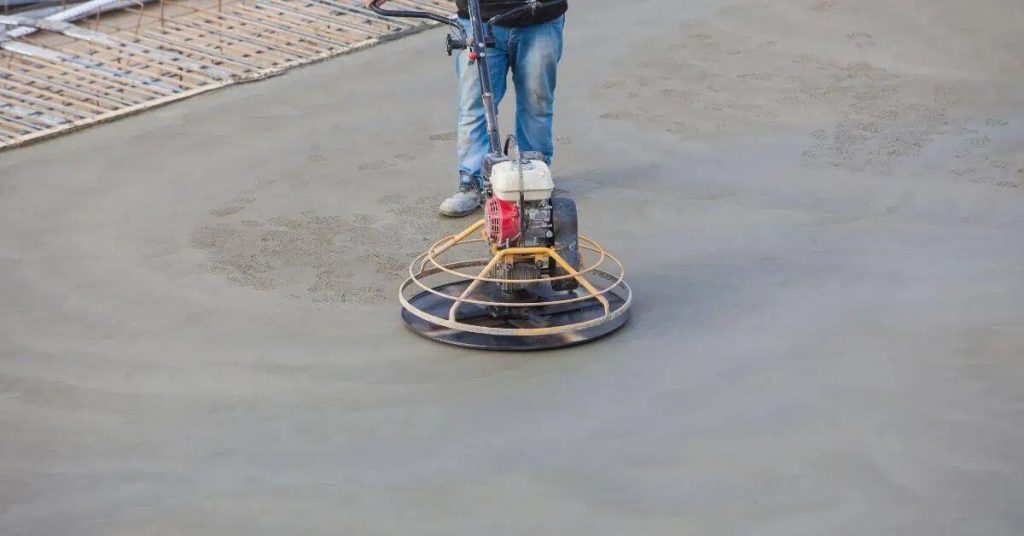
Concrete finishing at high altitude means adjusting your process and materials to account for thinner air and changing weather so the slab cures properly and finishes stay intact.
Keep the surface protected from rapid evaporation by scheduling pours for cooler parts of the day, covering with appropriate material soon after finishing, and watching wind and sun exposure. Check the mix instructions and local guidelines for any recommended adjustments, and plan for longer cure times or additional protection as needed.
Key takeaways
- Expect longer set windows and variable evaporation; adjust finishing timing accordingly.
- Use controlled misting or curing covers to manage evaporation during finishing.
- Monitor surface moisture and avoid roller marks or cracks from rapid drying.
- Prep and place at altitude with consistent trowel timing; avoid rushed transitions.
- Use proper PPE and follow local standards; safety first when finishing and curing.
- Always consult manufacturer labeling and local codes for mix and curing.
Table of Contents
- Introduction
- Key takeaways
- Why High Altitude Changes Concrete Behavior
- Evaporation Spikes During Finishing: Identification and Risks
- Set Time Changes and Mix-Design Factors at Altitude
- Curing Adjustments and Moisture-Retention Strategies
- Finishing Techniques and Timing Modifications for High-Altitude Work
- Monitoring, Testing, and on-Site Controls
- Tools and Materials Checklist; Specs and Standards to Consult
- Case Studies, Troubleshooting and Mitigation Plans
- Conclusion
- FAQ
Why High Altitude Changes Concrete Behavior
At altitude, the air is thinner and drier, which changes how concrete breathes and dries. You’ll notice faster surface moisture loss and different heat transfer during early curing. These factors influence finishing timing and how you manage set and cure on site.
Translate those conditions into practical actions: watch sheen, bleed, and ease of finishing as moisture shifts; account for stronger winds that can affect surface texture; and plan curing and temperature control to minimize cracking and edge effects. Use on-site checks for slab temperature, surface moisture, sun exposure, and wind to guide decisions and document any adjustments for quality control.
Atmospheric drivers of evaporation and heat transfer
The thin air at high altitudes creates a perfect storm for rapid concrete drying. Here’s why:
- Reduced air density: Lower pressure means less air is pressing down on your slab, allowing moisture to escape faster.
- Increased wind-driven evaporation: Stronger winds whip away surface moisture before it can be reabsorbed into the concrete.
- Greater radiant cooling: Intense sunlight and cooler nights at high altitudes cause rapid temperature swings, driving off more moisture.
This combination leads to evaporation spikes and surface drying stress during finishing. Keep an eye on your slab; it’s drying faster than you think.
How altered conditions affect hydration and set time
The quick surface drying and temperature swings at high altitudes can play tricks on your concrete’s set time. Here’s what to expect:
- Accelerated surface stiffening: The rapid moisture loss causes the surface to harden quickly, sometimes giving a false sense of set.
- Internal hydration lag: While the surface is drying out and stiffening, internal curing may still be happening, causing a delay in true set.
To get it right on-site, check cement/admixture datasheets for set-time expectations under high-altitude conditions. Consider running lab-mix trials to confirm and adjust your timing accordingly.
Evaporation Spikes During Finishing: Identification and Risks
An evaporation spike happens when free moisture is lost faster than expected during placement, bleed, or finishing. In high altitude, these spikes can occur more readily due to wind and heat differences. Understand what the spike looks like and how to respond.
Recognize risks such as plastic shrinkage, surface dusting, and compromised consolidation. Look for rapid drying cues, whitening, and grainy feel as indicators. Plan mitigation steps like shading, misting with caution, wind breaks, and adjusting curing to protect the surface after finishing.
Plastic Shrinkage and Early-Age Cracking Mechanisms
At high altitudes, evaporation spikes can cause rapid surface moisture loss during the plastic state of concrete. This quick drying produces tensile stresses that the unset concrete can’t withstand, leading to:
Plastic shrinkage cracks: Fine, hairline cracks on the surface that weaken finishing performance and may worsen over time.
These cracks form due to the lack of cohesion in the unset cement paste. As moisture evaporates faster than it can be replaced by bleed water, tensile stresses build up and cause cracking.
Surface Defects from Rapid Evaporation (Dusting, Crazing, Scaling)
Evaporation spikes at critical moments during finishing can cause or worsen several surface defects:
Dusting: A fine layer of cement particles and laitance that forms on the surface due to rapid drying. This makes it difficult to achieve a smooth, dense finish.
Crazing: Fine cracks that form in the surface layer as a result of excessive drying shrinkage. These cracks can widen over time, allowing water ingress and further damage.
Scaling: Flaking or peeling of the surface layer due to rapid evaporation causing tensile stresses. This can occur even before finishing is complete, leading to poor durability and early-age cracking.
Set Time Changes and Mix-Design Factors at Altitude
Altitude shifts how cement types perform and how heat develops in the mix, which can move initial and final set timing. Consider how different cement families behave when air is thinner and temperature swings are common. Retain workability while still aiming for consistent set progression.
Think about SCMs, water content, and admixtures as tools to balance heat, evaporation, and set. Align mixing, placement, and curing windows with the adjusted set behavior so compaction stays reliable and surface quality remains steady.
Role of cement chemistry and admixture selection
At high altitudes, concrete set time can change due to thinner air and temperature swings. Cement type plays a role here. Type I/II cements have standard early strength development but may not perform well in thin-slab or exposed locations due to rapid evaporation. High-early-strength mixes, on the other hand, might be too fast for proper finishing.
Admixtures can help manage set behavior. Retarders slow down setting time, giving you more working time. Accelerators speed up initial set but may lead to faster evaporation if not properly managed. Water reducers improve workability and slump retention, helping maintain target consistency despite increased evaporation.
Always confirm admixture compatibility with your cement type and other mix components before use. Follow suppliers’ recommended dosages for best results.
Mix design levers and water management
Managing water content is crucial at high altitudes due to increased evaporation. Reduce the water-to-cement ratio (W/C) to minimize bleeding and plastic shrinkage. However, be careful not to make the mix too dry as it can lead to poor compaction and reduced strength.
Supplementary cementitious materials (SCMs) like fly ash or slag can help modulate heat development and reduce set time. Their fineness and curing reactions also interact with reduced atmospheric pressure, so choose SCM types based on your specific conditions.
Internal curing agents, such as pre-soaked lightweight aggregates, can help maintain adequate moisture content during the early stages of hydration. This reduces the risk of plastic shrinkage cracking and improves long-term durability.
Before starting any major pour, conduct a mock-up to verify your mix design’s performance under local conditions. Adjustments may be necessary based on observed set time, workability retention, and curing requirements.
Curing Adjustments and Moisture-Retention Strategies
High altitude brings wind, sun, and low humidity that drive evaporation. Monitor these risks and adjust curing timing to protect the fresh concrete. Decide when to modify or pause curing to maintain moisture and strength gain.
Use proactive methods such as moisture retention and shielding from sun and wind. Explore extended or modified curing regimes and compatible curing aids to minimize evaporation while avoiding problems like mold or trapped heat. Track wind, sun, substrate temperature, and surface moisture to guide actions.
Surface treatments and evaporation barriers
At high altitudes, rapid evaporation can cause surface defects. To combat this, apply liquid membrane-forming curing compounds within 15-30 minutes after finishing. These seal the surface, preventing water loss without trapping excessive heat.
Wet coverings, like burlap or Hessian cloth soaked in water, can also be used. Apply these immediately after finishing and keep them wet for at least 72 hours. Follow product guidelines for best results.
Polyethylene sheeting is another option. Lay it on the surface within an hour of finishing, securing edges to prevent wind from lifting it. Remove it after 3-7 days, depending on weather conditions.
Active moisture systems, fogging and insulating methods
Fogging or misting can be used to maintain surface moisture. Start within an hour of finishing and continue for the first 24-72 hours. Use a fine mist to mimic rain, promoting even hydration. Ensure water quality is clean to prevent contamination.
Insulating blankets can help retain heat and moisture. Apply them immediately after finishing and keep them on for at least 3 days. Remove before the concrete gains too much strength to avoid damaging it.
Wind can disrupt these methods, so use windbreaks or shields when possible. Also, consider power requirements for fogging systems, ensuring a reliable source is available.

Finishing Techniques and Timing Modifications for High-Altitude Work
Evaporation affects bleed water behavior and surface hydration, so some finishing steps should shift in sequence or timing. Identify which passes to delay or expedite to reduce crazing, dusting, or scaling. Let conditions like temperature, humidity, and wind guide these thresholds.
Describe precise timing changes for each stage and provide practical decision rules to pause or proceed. Recommend tool choices and sequencing tweaks to minimize damage while working with drier mixes. Include curing and protection steps to maintain surface quality during finishing.
Criteria for delaying initial and final finishing
The high-altitude environment can speed up evaporation, making concrete set faster. Don’t rush your finishing schedule. Here are signs to guide you:
Surface Sheen: Wait until the surface sheen disappears before starting initial finishing. This indicates that bleed water has stopped rising.
Bleed Water Behavior: Observe bleed water. If it’s still weeping, wait. It needs to stop before you start troweling.
Edge Resistance: Gently push on the concrete edges with your thumb. When they’re firm but not hard, it’s time for initial finishing. Always verify with small-area trials.
Tool selection and finishing sequence to minimise reworking
High-altitude conditions can make concrete surface delicate. Choose your tools wisely and follow this sequence:
- Low-energy initial strike-off: Use a magnesium float or a wood float for the first pass. They’re gentle on the surface.
- Limited trowelling passes: Keep troweling passes to a minimum. Too many can overwork the surface, weakening it.
- Bull-floating: Do this early, before the concrete stiffens too much. It helps consolidate and level the surface.
- Edging: Use an edger tool to clean up the edges. Be gentle; high-altitude conditions can make edges brittle.
- Joint tooling: Do this after the final trowel pass, when the concrete is still slightly plastic. It helps control cracking.
- Sealing and curing: Immediately after finishing, apply a sealant or cure-and-seal product to protect the surface from rapid evaporation.
Monitoring, Testing, and on-Site Controls
Set up practical monitoring for ambient and surface conditions, including temperature, humidity, wind, and surface moisture indicators. Use a simple data-logging cadence to capture trends during the pour. Consider embedded sensors if available to enrich the data set.
Translate readings into actionable finishing and curing decisions. Place sensors to reflect the slab, adjust passes, and decide when to delay or speed up. Keep a running plan for curing methods based on real-time conditions and maintain clear records for QA.
Field testing protocols and pre-finishing checklist
Before you start finishing, run through this checklist to minimize evaporation-driven defects.
- Check weather forecast: Ensure no sudden temperature spikes or wind gusts are expected.
- Measure wind speed: Use a simple anemometer. Over 10 mph can cause rapid drying.
- Inspect surface bleed: Check for even bleeding. Inconsistencies may lead to finish issues.
- Test slump/workability: Ensure concrete is workable but not too fluid to prevent segregation.
- Check protective equipment: Make sure sunshades, windbreaks, and curing blankets are ready.
- Monitor ambient temperature: Use a site thermometer. Sudden increases can speed up set time.
- Assess relative humidity: Low RH (<50%) can cause rapid drying and shrinkage.
- Check concrete temperature: Use an infrared gun. Uneven temperatures may lead to finish issues.
Quick rule: If conditions aren’t stable, delay finishing until they improve.
Data logging, trends and decision thresholds
Continuous data logging helps anticipate evaporation spikes and set time changes. Here’s how to use it:
Set up sensors for temperature (ambient and surface), relative humidity, and wind speed. Log data every 15-30 minutes.
Watch for trends: Look at graphs or charts to spot sudden increases in temperature or drying rates.
Use manufacturer guidelines along with these thresholds:
– Temperature differential (concrete – air): < 20°F (<11°C)
– Drying rate: < 0.5 lb/ft²/day (2.4 kg/m²/day)
– Surface moisture: > 90% RH
Tools and Materials Checklist; Specs and Standards to Consult
List essential equipment for high-altitude finishing, such as windbreaks, misting systems, curing blankets, and surface moisture meters. Prioritize portability, stability, and weather resistance for jobsite reliability. Have a plan for rough conditions and quick reconfigurations.
Pack the right materials and review key documents before work begins. Look over project specs, codes, and standards from reputable sources, and check manufacturer instructions for admixtures and curing products. Maintain a clear checklist to confirm access to power, water, and documentation at the pour site.
Site equipment and consumables for evaporation control
Before you start pouring, ensure you have all the necessary equipment and materials to manage evaporation at high altitudes.
- Windbreaks or enclosures: Protect your pour from wind. Confirm they’re stable and weather-resistant.
- Fogging/misting system: Maintain surface moisture. Check dosing rates with supplier.
- Portable fans: Aid curing process. Ensure they’re portable for easy relocation.
- Temperature/humidity gauges: Monitor conditions. Calibrate before use.
- Moisture meters: Check surface moisture. Confirm accuracy with supplier.
- Trowels, screeds, floats: Essential tools for finishing. Ensure they’re in good condition.
- Curing blankets/wraps: Retain moisture. Check application instructions with supplier.
- Admixtures dosing equipment: Measure set-time modifiers, evaporation retardants. Confirm capacities with supplier.
Quick rule: Always confirm supplier recommendations to avoid under/overdosing and improper application.
Codes, standards and manufacturer guidance to reference
Before starting work, consult relevant documents to ensure your methods comply with industry standards and local regulations.
- Project specs: Review for specific requirements. Ensure you understand them fully.
- Local building codes: Check for altitude-specific rules. They may differ from sea-level standards.
- ACI guidelines (e.g., ACI 301, 302): Follow recommended practices for concrete construction.
- ASTM standards (e.g., C494, C1582): Ensure admixtures meet required performance levels.
- EN equivalents: If applicable, review European norms for additional guidance.
- Manufacturer data sheets: Follow application instructions for admixtures and curing compounds.
- Warranty requirements: Understand what’s covered. Ensure your methods align with warranty conditions.
Quick rule: Always prioritize local building codes and project specs over other guidelines if there are conflicts.
Case Studies, Troubleshooting and Mitigation Plans
Develop concise case-study templates that capture altitude-specific conditions, observed evaporation indicators, and the data collected for analysis. Use these to ground troubleshooting and replicate success on other projects. Keep the templates practical and easy to fill in on site.
Outline detection protocols for evaporation spikes with real-time cues and trigger points. Include immediate mitigations such as windbreaks, misting, and curing measures, plus longer-term mix or process adjustments. Build a simple decision tree to guide actions and record outcomes for future work.
Real-world scenarios and corrective actions
High-altitude concrete work can present unique challenges. Here are a few real-world examples and the steps taken to address them:
Case 1: Quick-set Concrete in Colorado
Altitude: 8,500 ft.
Issue: Premature surface drying and quick set time.
Action:
- Immediate: Created windbreaks and misted the surface.
- Curing: Used rapid-cure blankets to retain moisture.
- Mix Design: Added a set-retardant admixture for better control over setting times.
Case 2: Crazing in Argentina
Altitude: 7,000 ft.
Issue: Surface crazing and plastic shrinkage cracks.
Action:
- Immediate: Shaded the pour to reduce evaporation.
- Curing: Implemented a standardized curing regime with regular misting.
- Mix Design: Adjusted water-cement ratio and accounted for aggregate moisture.
Rapid-response repairs and preventive checklists
Use this checklist when you notice visible defects on your pour to minimize damage and prevent recurrence.
- Check for plastic shrinkage cracks: Long, shallow cracks forming during drying. Prevent by using evaporation-reducing admixtures and maintaining consistent curing.
- Inspect for dusting: Fine powder on the surface due to premature drying. Mitigate with immediate misting or shading, and adjust water-cement ratio in future mixes.
- Examine for crazing: Fine cracks forming a network on the surface. Prevent by using set-retardants, maintaining consistent curing, and addressing high evaporation rates.
- Monitor formwork: Check for film formation or premature drying of forms. Address by misting forms before stripping and adjusting placement sequencing.
- Measure ambient temperature: High temperatures speed up evaporation. Adjust pour rate, consolidation timing, and use windbreaks or enclosures if necessary.
- Check humidity levels: Low humidity accelerates moisture loss. Use hooded humidity sensors and adjust curing methods accordingly.
- Observe wind velocity: High winds increase evaporation rates. Create temporary enclosures or use windbreaks to protect the pour.
- Review slump/flow changes: Rapid loss of slump indicates quick moisture loss. Adjust mix design, account for aggregate moisture, and use evaporation-reducing admixtures.
- Evaluate surface moisture: Premature drying can lead to strength loss. Use moisture meters and adjust curing methods as needed.
Quick rule: Regularly inspect your pour, address issues promptly, and document lessons learned for future projects.
Conclusion
At high altitude, the mix dries faster, set times shift, and curing must be controlled to protect safety, durability, and appearance. Treat these steps as non negotiable before you pour again, and keep the job moving in a way that preserves the surface and your sanity on site. Safety, durability, and testing in a small area first are the three guardrails you live by here.
Check and proceed in this order: assess current weather and wind, confirm finish timing with your mix supplier and the project spec, adjust formwork and moisture plan for the day, prepare your curing and moisture-retention setup, and start with a small test area to verify finish and set behavior before committing to large pours.
Common mistakes to avoid are pushing finishing too soon when evaporation is high, skimming or closing too early which traps moisture, and skipping a dedicated curing plan that keeps the surface moist without creating runoff. Always protect workers by issuing a clear plan, maintain clean tools, and monitor surface temperature and humidity so you aren’t chasing problems after they set.
If you’re unsure about mix changes, weather windows, or curing strategies for your specific altitude, don’t push through alone—consult a pro or the spec sheets, and remember that a measured, cautious approach saves time, money, and the risk of costly repairs. You’ve got this: stay deliberate, stay safe, and finish strong.
FAQ
How does heat from finishing tools affect curing at high altitude, and how can I manage it?
Tool heat can speed up evaporation and roughen the surface if you work too hot. Use lighter passes, keep blades sharp, and pause to let the concrete rest so you don’t cook the surface.
How can I safely measure surface temperatures to avoid heat-related issues?
Use a simple infrared thermometer to spot-check the surface as you finish. If temps rise quickly or the surface looks glossy or oily, back off and pause to cool before continuing.
Does the choice of finishing tool affect heat buildup, and what should I check?
Different tools transfer heat differently. Check the tool’s temp behavior on the label or manufacturer instructions and follow recommended duty cycles for concrete work at altitude.
What cooling options work best to control surface temperature during finishing?
Air cooling is common, but you can use intermittent water mist if the project allows. Verify that any cooling method won’t wash away bleed water or disturb the surface finishing, and follow local guidance.