
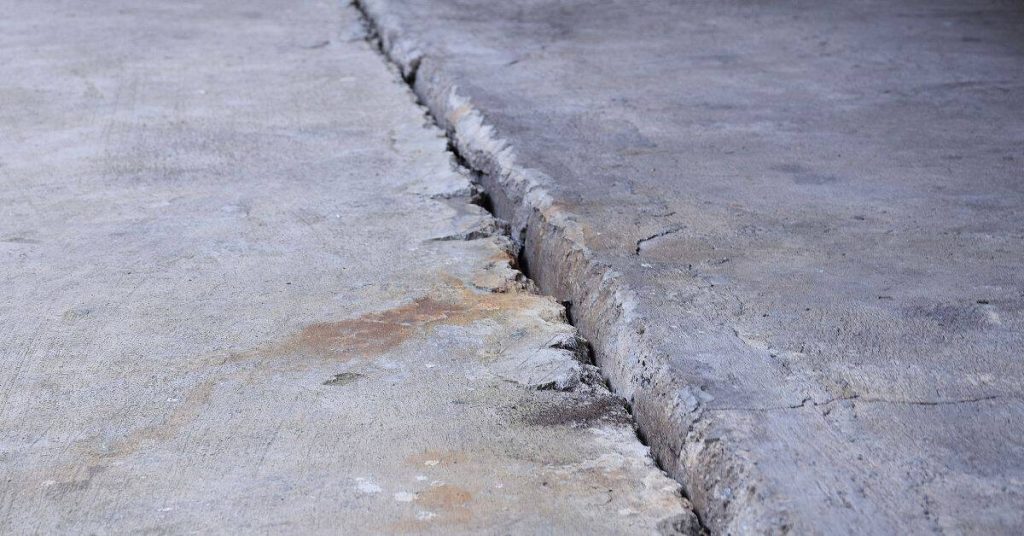
Introduction
A wetting test is a simple way to reveal active movement and leak paths in concrete. Apply water to the surface and watch how it spreads to identify cracks, joints, or porous areas. This helps you see where water can travel and where repairs may be needed.
Keep the test small and controlled, and follow safety and local guidelines for your project. If you notice active movement or unexpected leaks, check the product labels, manufacturer instructions, and local rules before proceeding with repairs. Use the results to plan practical, DIY-friendly fixes and confirm any steps with a pro if needed.
Key takeaways
- What the wetting test is and why it reveals movement and leaks.
- When to use it: indications, exclusions, and suitable scenarios for testing.
- Tools and materials checklist to prepare without overbuying or missing items.
- Prepare the site for testing: clean, dry, stable footing, and containment.
- Step-by-step wetting test procedure: water application, observation, notes.
- Safety: follow precautions—protect skin, prevent slips, and dispose water responsibly.
- How to interpret results: active movement vs static issues, with documentation.
Table of Contents
- Introduction
- Key takeaways
- What the Wetting Test Is and Why It Works
- When to Use a Wetting Test — Indications and Exclusions
- Tools and Materials Checklist
- Preparing the Site for Testing
- Step-by-Step Wetting Test Procedure
- How to Interpret Results: Active Movement Vs Static Issues
- Visual Checkpoints and Documenting Findings
- Limitations, Troubleshooting, and Follow-up Testing
- Conclusion
- FAQ
What the Wetting Test Is and Why It Works
The wetting test is a diagnostic aid that uses moisture to reveal how crack faces and seepage respond. It helps show moving cracks, new or changing flow paths, and where moisture travels through a concrete surface. It is not a definitive structural assessment, but it can point to active movement and leak paths that deserve attention.
Explain to readers that moisture can highlight differences in crack gape, staining, and flow patterns that are not obvious when the surface is dry. Emphasize that results should be interpreted conservatively and corroborated with additional checks or professional advice as needed.
Purpose and basic science
The wetting test is a simple yet powerful diagnostic tool. It uses water to reveal hidden movement, leaks, and cracks in concrete.
Here’s how it works:
Capillary action pulls water into tiny cracks and pores. Surface tension helps the water stick to surfaces, even against gravity. When water meets a leak path or moving crack face, it flows, stains, or causes visible changes.
Expected observable responses
After applying water, observe the following:
Immediate seepage: This indicates an active leak path. Water is escaping through a crack or hole.
Delayed damp spots: These appear hours to days later. They suggest slow seepage or moisture migration within the concrete, possibly due to a hidden crack or void.
Widening/closing hairline gaps: Cracks that widen or close after wetting are actively moving. This could be due to temperature changes, structural movement, or other factors.
When to Use a Wetting Test — Indications and Exclusions
Use the test when you have undiagnosed damp spots or you need to trace where moisture travels through a concrete area. It helps evaluate suspected movement or evolving leaks without heavy equipment. It is a practical first read rather than a final judgment on structural condition.
Avoid the test if there is obvious structural instability or active major flooding. In those cases, seek professional assessment and follow local safety guidelines. When in doubt, consider alternative non-destructive tests and refer to manufacturer instructions or local rules for guidance.
Typical indications
The wetting test is your go-to when you’ve got a mystery on your hands. Here’s where it shines:
Intermittent leaks. Water only shows up sometimes? This test might help pinpoint the culprit.
Unclear leak location. You know water’s getting in, but you’re not sure where. A wetting test can trace its path.
Recent hairline cracking near water features or drains. If cracks are fresh and close to where water should be, this test could reveal if they’re active.
Contraindications and alternatives
Now, there are times when the wetting test isn’t your best bet. Here’s when to pump the brakes:
Active structural instability. If you suspect serious damage or movement, don’t DIY. Get a pro involved ASAP.
Major flooding. After heavy floods, it’s best to wait for everything to dry out completely before testing.
Alternatives? Consider these:
– Pressure testing: For sealed systems like pipes or tanks.
– Dye tracing: To follow water paths in complex systems.
– Structural engineer evaluation: If you suspect serious issues, don’t guess. Get an expert opinion.
Tools and Materials Checklist
Gather simple, non-specialist tools such as a spray bottle or watering can, clean rags, and a level or straightedge for reference marks. A notepad or basic camera can help document observations. Keep the setup portable and low-cost for easy site transport.
Optional devices can include a moisture meter or a simple thermoset dye approved for concrete work, if you intend to document moisture patterns more clearly. Always verify that any device is suitable for your concrete finish and follow product instructions and local requirements.
Basic tools for homeowners
Before you start, gather these essentials. They’re cheap, easy to find, and will help you get the job done right.
- Hand sprayer or pump bottle: To apply water evenly. A fine mist is best.
- Towels: For cleaning up spills and wiping off excess water.
- Non-staining dye (optional): To highlight cracks and leaks. It’s not necessary, but it can make the test easier to read.
- Camera/smartphone: To document your findings. Pictures don’t lie, and they’ll help you remember what you’ve found.
- Chalk or tape: For marking cracks and leaks for future reference or repair.
- Moisture meter (if available): To confirm moisture levels before and after the test. It’s not crucial, but it can provide extra insight.
Quick rule: If you’re unsure about any tool, ask at your local hardware store. They’ll set you straight.
Professional or optional equipment
If you’re tackling a big job or want more precise results, consider these tools. They’re not essential, but they can make your life easier.
- Spray rig: For large-scale applications. It ensures even coverage and saves time.
- Calibrated moisture meter: For accurate readings. It’s especially useful if you’re tracking progress over time.
- Borescope: To inspect hard-to-reach cracks and voids. It’s like having a third eye.
- Thermal camera: To detect heat loss or gain, which can indicate air leaks or poor insulation. It’s not water-specific, but it can provide valuable context.
Quick rule: Always read the manufacturer’s instructions before using any tool. Safety first!
Preparing the Site for Testing
Clean the testing area to remove loose debris and keep nearby finished surfaces protected. Establish baseline dryness with a quick wipe and visual check, so you can spot changes later. Mark reference points with simple, durable indicators for repeatable observation.
Include basic safety prep such as removing trip hazards, ensuring good ventilation if you’re using sprays, and keeping children or pets away from the test zone. Record initial conditions and any observations before applying moisture.
Cleaning and surface prep
Start by gently cleaning the concrete around the crack. Use a soft brush or broom to remove loose debris.
Be careful not to grind or use harsh chemicals, as this could alter the crack’s appearance or cause false readings during your test.
If there are any surface salts, lightly mist them with water and let it sit for a few minutes before brushing off. This helps dissolve the salts without damaging the concrete.
Once cleaned, allow the area to dry completely before taking baseline photos and starting your test. This ensures you’re capturing the crack’s natural state.
Baseline documentation and marking
Before applying water, document the current state of the crack with photos. Take pictures from various angles to capture any visible details or movement.
Mark the ends of the crack using a piece of tape or a marker. This helps you track its length and any changes over time.
Also, mark reference points along the crack’s path. These can be small dots made with a pencil or more pieces of tape. They help you measure any movement or leakage accurately.
Note down the ambient conditions too – recent weather, temperature, humidity – anything that might affect your test results.
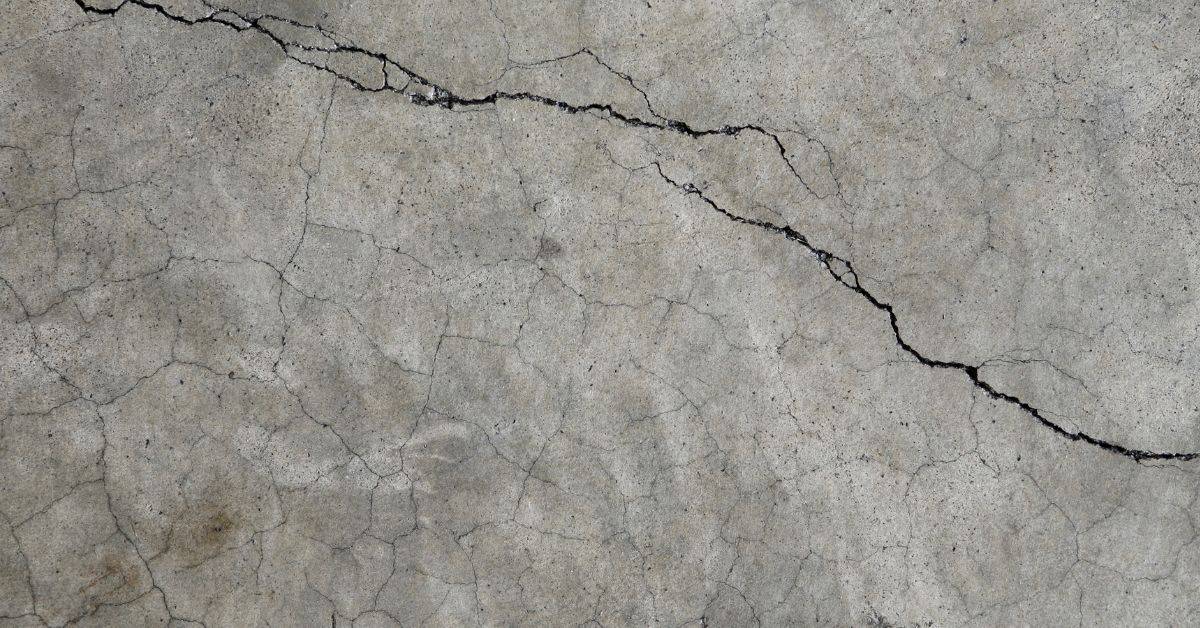
Step-by-Step Wetting Test Procedure
Apply moisture in a controlled, limited way to a defined patch, avoiding saturation of large areas. Observe at regular intervals for changes in crack gape, staining, or seepage patterns. Record what you see and any movement you can discern.
Limit water exposure to prevent damage to finishes or nearby materials. If the site conditions require it, adapt the procedure and consult product instructions or local guidelines for safe limits. Pause and reassess if new cracking or unusual behavior occurs.
Step-by-Step Process
The following steps guide you through the wetting test procedure, ensuring a thorough and accurate assessment of your concrete’s condition.
- Preparation: Inspect the area, clear debris, and mark any cracks or points of interest. Ensure safety by wearing gloves and protective clothing.
- Wet the surface: Using a spray bottle or hose with a fine nozzle, start wetting the concrete locally around cracks and suspected leak paths. Work in small sections to maintain control over water application.
- Maintain saturation: Keep the area wet for 10-15 minutes, allowing water to penetrate and reveal any active movement or leaks. Be patient; rushing this step can lead to inaccurate results.
- Monitor and observe: Check for visible flow, new stains, or changes in crack width. Use a flashlight if needed to spot subtle signs of leakage. If you’re unsure about any findings, consult with a professional.
- Cleanup and final checks: After the test, allow the area to dry completely. Re-inspect the site for any new damage or signs of movement that may have been introduced during testing. Make necessary repairs or follow up with a professional if needed.
Controlled wetting technique
The key to an effective wetting test lies in applying water gradually and locally, allowing you to monitor immediate and delayed responses accurately. Over-saturating the area can mask results and make interpretation difficult.
Start by targeting specific cracks or suspected leak paths with a fine spray of water. Use a spray bottle or hose with a fine nozzle for better control. Work in small sections, moving systematically across the area to be tested.
Tip: Keep the water flow steady but gentle. You’re aiming for gradual saturation, not a heavy stream that could overwhelm and distort results.
Monitor the area closely as you wet it. Look for immediate responses such as water flowing out of cracks or stains appearing on nearby surfaces. Also, keep an eye out for delayed reactions like changes in crack width that may take several minutes to become apparent.
Monitoring and observation checklist
Use this checklist during and after the wetting test to ensure you’ve covered all bases in your assessment. Refer to it as soon as you start applying water, and revisit it at regular intervals over the following hours.
- Visible flow: Look for water exiting cracks or flowing along suspected leak paths. This is a clear sign of active movement or leakage.
- New stains: Check for discoloration on nearby surfaces, which could indicate water seepage.
- Crack width changes: Measure and compare crack widths before and after wetting. Increased width may suggest ongoing structural issues.
- Damp spread: Observe how far and how quickly water spreads across the surface. Rapid, extensive spreading could point to underlying voids or weak spots.
- Sound changes: Listen for any new or altered noises coming from the concrete as it becomes saturated. Hollow-sounding areas may indicate delamination or other internal problems.
- Temperature changes: Feel for temperature differences in the concrete, which can sometimes reveal hidden moisture or heat loss due to air leakage through cracks.
- Plant and vegetation response: Keep an eye on nearby plants and grass. Wilting or discoloration after wetting could suggest root intrusion into cracks or other underlying issues.
- Odor changes: Smell for any unusual odors, which might indicate the presence of gas leaks or decaying organic matter within the concrete.
Quick rule: Revisit your observations at least every 30 minutes for the first two hours, then once more after six to eight hours. Concrete can take time to reveal its secrets, so be patient and persistent in your monitoring.
How to Interpret Results: Active Movement Vs Static Issues
Look for consistent changes in crack width, new or shifting stains, or newly visible flow paths during and after moisture exposure. Distinguish between active movement and static leakage patterns by comparing to baseline observations. Be cautious with interpretations and cross-check with other observations.
Consider that capillary rise or superficial staining may mimic movement. When in doubt, treat findings as areas worth monitoring and seek additional evaluation from a professional or consult the manufacturer guidance for your materials.
Step-by-Step Process
Follow these practical steps to interpret your concrete crack wetting test results and distinguish active movement from static issues.
- Review baseline documentation and photos taken before the test. Check for any initial signs of movement or leakage.
- Inspect the test area again after the controlled wetting. Look for new or changing cracks, gaps, or seepage points.
- Compare observations with your monitoring and observation checklist. Note down any differences from the baseline.
- Check if there’s a repeating pattern of leakage or gap changes. This could indicate active movement or structural issues.
- If you find signs of active movement, consider consulting a professional engineer or structural specialist. They can provide further assessment and advice on necessary repairs.
Indicators of Active Movement
Certain signs during your wetting test may suggest ongoing movement in your concrete structure. These findings warrant further assessment:
Reversible gap changes with moisture cycles indicate active movement. Gaps that open and close with wetting and drying could signal underlying structural issues.
Repeating seepage patterns, especially at specific points or along cracks, might also suggest active movement. This could be due to water finding the path of least resistance through cracks or other defects.
If you observe these signs, it’s crucial to consult a professional for further evaluation and potential solutions.
Indicators of Non-Structural Leakage
Some patterns during your test may indicate benign seepage or surface-permeation issues, which are less concerning:
Surface wicking – Water moving along the surface without penetrating deep into cracks or gaps. This is usually due to capillary action and can be addressed with simple sealing.
Persistent damp but no gap change – Areas that remain consistently damp but show no signs of widening cracks or new leakage may simply have a surface permeability issue. These can often be resolved with appropriate sealants.
For these issues, consider short-term fixes like sealing and waterproofing. However, if in doubt, always consult a professional for advice tailored to your specific situation.
Visual Checkpoints and Documenting Findings
Take clean, well-lit photographs from the same angles to show pre- and post-test conditions. Use a simple timeline to record when changes appeared. Write concise notes on crack behavior and moisture patterns for later review.
Video clips can help capture dynamic changes, while a written summary should highlight notable findings and any uncertainties. Store the records with location details and reference marks to aid contractor review or specialist follow-up.
Photography and Video Techniques
Use these techniques to capture clear, useful images and videos during your wetting test.
- Consistent angles: Keep camera angle consistent for before-and-after shots.
- Scale references: Include a ruler or tape measure in shots to show size.
- Timestamps: Note down when each photo/video is taken.
- Wide shots: Capture the whole area of interest for context.
- Close-ups: Zoom in on cracks and stains to track changes.
- Stain progression: Photograph any stains or discoloration before and after wetting.
- Crack behavior: Video cracks to see if they widen, leak, or stay static.
- Avoid shadows: Position lighting carefully to avoid harsh shadows.
Quick rule: Consistency and detail are key. Make it easy for others (or your future self) to understand what you’ve captured.
Test Log and Reporting Format
Keep a simple, organized test log to track conditions and observations.
- Location: Clearly mark where the test is being conducted.
- Date & time: Note down when the test starts and ends.
- Weather: Record temperature, humidity, and any precipitation.
- Initial condition: Describe the concrete’s initial state (dry, wet, cracked).
- Water application: Note how much water was used, where it was applied, and when.
- Observations (intervals): Jot down changes every 15-30 minutes. Look for leaks, stains, or crack widening.
- Next steps: Based on observations, note what follow-up actions are needed.
Quick rule: A well-organized log helps you track changes over time and makes it easier to communicate with contractors or specialists.
Limitations, Troubleshooting, and Follow-up Testing
Acknowledge common limitations such as false positives, masking by porous finishes, or delayed responses after moisture exposure. If results are unclear, adjust the test scope or repeat under different conditions. Use conservative judgment when deciding next steps.
For troubleshooting, verify surface conditions, protect materials, and consider alternative tests or professional input. When needed, plan follow-up testing with appropriate precautions and rely on official instructions and local guidance for any further actions.
Common pitfalls and how to avoid them
Here are some common mistakes homeowners make during the wetting test and how to avoid them:
- Over-wetting: Too much water can damage surfaces. Apply water gradually, giving it time to soak in.
- Misreading capillary staining: Confusing water stains with active leaks. Compare results with baseline documentation and monitor over time.
- Poor baseline documentation: Inadequate initial marking and recording. Be thorough in your initial markings and notes.
- Ignoring environmental factors: Not considering temperature, humidity, or wind. Test under similar conditions each time.
- Rushing the test: Expecting immediate results. Be patient; capillary action takes time.
Remember, accuracy comes from careful observation and comparison over time.
Complementary diagnostic methods
When the wetting test results are unclear or high stakes, consider combining it with other diagnostic methods for a more comprehensive understanding of your structure’s health.
Dye tracing: This involves injecting a harmless dye into suspected leak paths to trace their route. It can confirm if water is indeed moving through those paths.
Pressure tests: These involve sealing off sections and applying pressure to find leaks. They’re useful for detecting non-structural leakage that might not show up in the wetting test.
Thermal imaging: This uses infrared cameras to detect temperature differences, which can indicate heat loss or gain due to air infiltration – a common cause of non-structural leakage. It’s also useful for finding areas of poor insulation.
Conclusion
Wetting the concrete helps you see what is moving and where water will travel, so you can fix the right problems without guessing. Do the test carefully and keep safety first, because the goal is a durable, clean finish that won’t leak or crack worse.
To execute the method without guesswork, start small and follow a simple flow: verify the area is safe and clear, gather the tools you listed, prepare the site, apply water as directed, watch for active movement or new seepage, document what you see, mark the leak paths, avoid over-wetting or forcing water into joints, run a second quick check if needed, and plan follow-up testing after any repair work to confirm it’s settled.
Common mistakes to avoid are using too much water or leaving water in contact too long, trying to diagnose complex structural issues from a single spot, and ignoring safety rules or protective gear. Treat any wet test as a diagnostic probe, not a full repair, and always protect outlets, wiring, and finished surfaces while you test.
If you see large cracks, persistent leaks, or movement after repairs, or you’re unsure how to proceed without compromising structural integrity, call a professional. Stay disciplined, stay safe, and use the test results to guide focused, low-risk fixes that keep your project on track and your concrete looking solid.
FAQ
What should I do if the wetting test shows active movement or new leaks?
Mark the exact spot and stop further testing in that area. Review the site plan, review the material you used, and plan a follow-up test after addressing any obvious causes. Check manufacturer instructions for repairs and local guidelines before proceeding.
Can I reuse water or use any container for the test water?
Use clean water from a reliable source. Keep the water free of debris and contaminants that could affect readings. Label containers if you’re doing multiple tests so you don’t mix samples.
Why might a leak path only show up after a heavy soak or rainfall simulation?
Water can travel through small cracks or joints that aren’t active under dry conditions. The wetting test can reveal paths that water follows when pressure increases. If it appears, document the route and plan targeted repairs.
How do I protect nearby areas and people during the test?
Seal off the testing area from foot traffic and pets. Cover nearby surfaces to catch overspray and avoid slipping hazards. Always work with a clear path and have a plan to stop the test if conditions change unexpectedly.