

Introduction
Paintable sealant compatibility means choosing a caulk that will accept paint without cracking, pulling away, or staying tacky once cured. In plain terms: pick a sealant labeled paintable and match it to the paint type you plan to use, and check the manufacturer’s instructions and recommended drying time. For DIYers, that means buying the right cartridge and testing a small bead before you do the whole job.
Work like a site foreman: prep the joint, apply a neat bead, tool it smooth, and let it cure fully per the product label before painting. If you’re not sure whether a sealant and paint are compatible, test first or consult the product data sheet and follow local best practices for adhesion and movement capacity.
Key takeaways
- Verify paint label recommendations with the sealant manufacturer before application.
- Choose alkyd, acrylic, or hybrid sealants compatible with your paint type.
- Surface prep with clean, dry, dust-free joints improves adhesion and reduces cracking.
- Prime porous substrates before caulking to improve paintability and sealant adhesion.
- Test compatibility on a hidden patch before full-scale painting to catch failures.
- Wear eye protection and disposable gloves when applying caulk and paint.
Table of Contents
- Introduction
- Key takeaways
- Why Caulk-Paint Compatibility Matters
- Common Sealant Chemistries and Paintability
- How Different Paint Types Interact with Sealants
- Surface Preparation and Priming for Reliable Adhesion
- Selecting a Sealant for the Joint and Environment
- Application Techniques to Prevent Cracking After Painting
- Testing Compatibility Before Full-Scale Painting
- Troubleshooting Failures and Repair Strategies
- Conclusion
- FAQ
Why Caulk-Paint Compatibility Matters
Using a paint that’s incompatible with the sealant under it can lead to visible failures like peeling, cracking, or loss of adhesion between layers. These failures shorten the life of the joint and often require removal and rework rather than a simple touch-up.
Match the material properties—flexibility, elongation, and adhesion—so both paint and sealant move together over time. Always check the manufacturer instructions or product data sheet for guidance on whether a sealant is paintable and any surface-prep or cure requirements before painting.
Outcomes of incompatibility
Using incompatible caulk and paint can lead to a range of issues that’ll make your job look shoddy. Here’s what you might see:
Peeling Paint: The paint starts lifting off the wall or trim, creating an unsightly mess.
Cracking Sealant: The caulk cracks along the joints, letting in water and dirt, and making your job look unfinished.
Staining: Incompatible caulks can bleed through paint, leaving discolored streaks or spots.
When to prioritize sealant vs paint performance
Not all jobs are created equal. Sometimes you gotta choose between a flexible sealant and a great-looking paint job.
Flexible Sealant: If your joints move – think doors, windows, or expansion joints – go for a flexible sealant. It’ll handle the movement without cracking. Waterproofing is also crucial in bathrooms or kitchens, so choose a sealant that can keep moisture out.
Paint Appearance: If you’re after a perfect paint job, like on trim work or cabinets, prioritize the paint. Choose a paintable caulk that’ll take your paint well and won’t show through.
Common Sealant Chemistries and Paintability
Acrylic latex sealants are often paintable and easy to finish, while silicone sealants are frequently not paintable without special primers or paints designed for silicone. Polyurethane, polysulfide, and hybrid MS/STS products each behave differently and may accept paint only after specific preparation.
Don’t assume paintability based on chemistry alone; read the product label or technical data sheet for each sealant you consider. If the TDS or manufacturer instructions aren’t clear, contact the manufacturer or choose a product explicitly labeled paintable for your intended coating.
Acrylic latex (water-based) sealants
Acrylic latex sealants are a popular choice for DIY homeowners due to their ease of use and paintability. They’re water-based, making them easy to clean up and less harmful than solvent-based alternatives.
Paintability: Acrylics can be painted over with most latex paints without issue. Just make sure the sealant is fully cured before painting.
Movement capacity: While acrylics are generally flexible, they may not stretch as much as elastomeric options like silicone or polyurethane. This means they might crack under high movement or stress.
Silicone and 100% silicone sealants
Silicone sealants are known for their durability, resistance to mold, and excellent adhesion. However, not all silicones can be painted over.
Paintability: Most pure silicones are not paintable. They resist adhesion of paints due to their non-porous surface. Always check the product label or technical data sheet (TDS) for paintability information.
If you want a silicone sealant that can be painted, look for ones specifically labeled as ‘paintable’ or use a compatible primer before painting.
Polyurethane and hybrid (MS/STS) sealants
Polyurethanes and hybrid (moisture-curing silicone/urethane, or MS/STS) sealants offer a good balance of durability, flexibility, and paintability. They perform well on various substrates like wood, metal, and concrete.
Paintability: These sealants are typically paintable with both latex and oil-based paints. However, always confirm this with the manufacturer to ensure compatibility with your chosen paint.
Performance: Polyurethanes and hybrids often have good resistance to chemicals, abrasion, and weathering. They also offer high movement capacity, making them suitable for areas subject to expansion and contraction.
How Different Paint Types Interact with Sealants
Waterborne (latex) paints generally have lower solvent content and are more forgiving on many sealants, but they can still affect adhesion or flexibility depending on the sealant chemistry. Solvent-based (alkyd) paints and high-solids coatings can soften or degrade some sealants during application or cure if the sealant isn’t compatible.
Specialty coatings like elastomeric paints require the sealant to handle greater movement and flexibility without bond loss. Verify solvent compatibility and recommended paint types on the sealant’s technical literature or label before applying any coating.
Waterborne (latex/acrylic) paints
Waterborne, or latex, paints are water-based and generally compatible with acrylic sealants. They’re a good choice for most jobs.
However, they can cause issues with some solvent-rich or nonporous sealants. Always check the label before using.
Latex paints allow moisture to escape as they dry, which helps prevent peeling and bubbling. But if your sealant doesn’t ‘breathe’ well, you might have problems.
Oil-based and alkyd paints
Oil-based and alkyd paints use strong solvents that can attack some sealants. They’re great for durability, but they need careful handling.
Before using, test a small area first to ensure compatibility. Check the manufacturer’s guidelines too.
These paints take longer to dry than latex, so plan your project accordingly. But they provide excellent adhesion and flow.
Elastomeric and specialty coatings
Elastomeric paints are flexible and stretch to accommodate movement in surfaces. They need compatible, flexible sealants to work well.
Consider the film thickness and how much movement your surface can handle. Too thick or too much movement can cause cracking.
Specialty coatings often have unique properties, so always follow manufacturer instructions for best results.
Surface Preparation and Priming for Reliable Adhesion
Proper preparation starts by removing old sealant, cleaning the joint of dirt, mildew, and oils, and ensuring the substrate is dry and dust-free. Use appropriate cleaners and a rag or brush; aggressive solvents may be needed for some residues but check compatibility first.
A primer or adhesion promoter is sometimes required for certain substrates or sealant/paint combinations to achieve a durable bond. Refer to product instructions and apply primers where the technical data sheet specifies them before installing sealant or painting.
Removing old sealant and cleaning surfaces
Before applying new caulk or paint, you must remove any old, cracked, or peeling sealant. Use a utility knife to score the sealant, then use a putty knife or scraper to pry it off.
For stubborn areas, apply a strong adhesive remover like Goo Gone or WD-40. Let it soak for 15 minutes, then scrape off the old sealant.
Once removed, clean the surface with a degreasing agent like TSP (trisodium phosphate) or a mild detergent to remove any dirt, grease, or residue. This ensures a sound bonding surface without damaging the substrate.
When and how to prime
Priming is crucial for certain surfaces to ensure proper adhesion of your paint or sealant. Porous masonry like brick or concrete, bare wood, and certain metals typically require priming.
Consult the product data sheet of your chosen paint or sealant for recommended primers. Some common primers include acrylic primer, oil-based primer, and shellac-based primer.
Apply primer using a brush or roller, following the manufacturer’s instructions for coverage and drying times. Priming seals the surface, improves adhesion, and helps prevent tannin bleed (where the natural oils in wood discolor paint).
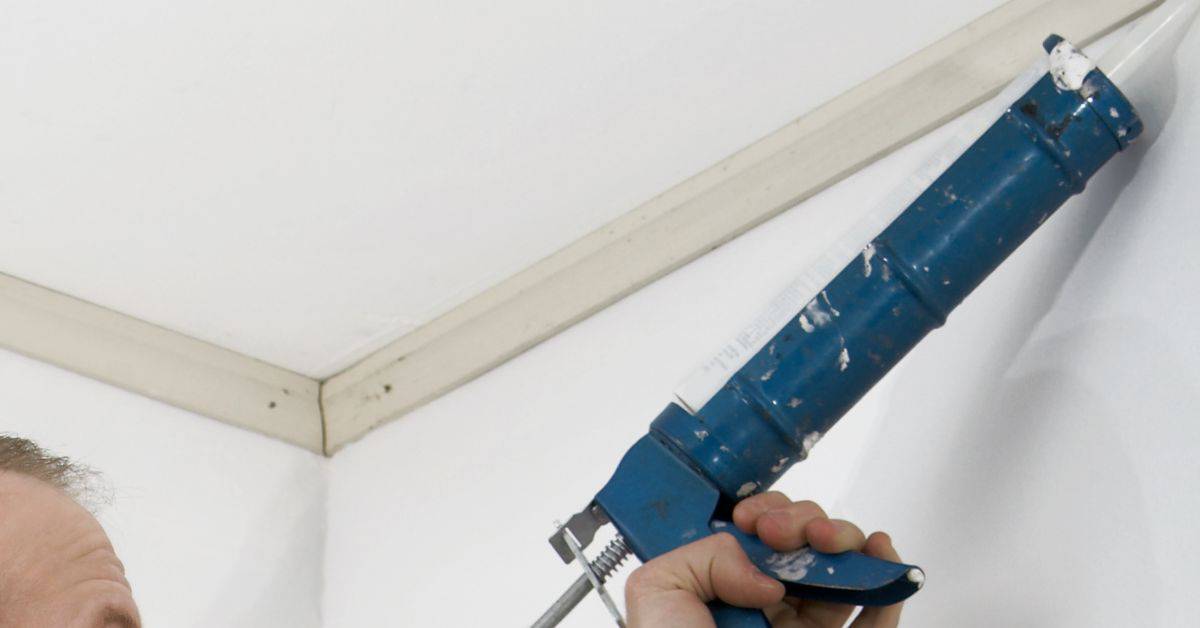
Selecting a Sealant for the Joint and Environment
Pick a sealant whose movement capability matches expected joint expansion and contraction and whose adhesion suits the substrates involved. Consider UV exposure, wet conditions, and whether the location is interior or exterior when comparing product features.
Look up the sealant’s technical movement rating and service temperature range on the product data sheet to confirm suitability for the job. When in doubt, check manufacturer recommendations or choose a higher-performance product with proven weathering characteristics.
Assessing joint movement and design
Before you pick a sealant, understand your joint’s movement capability. It’s how much the joint can open or close over time.
Most joints fall into one of three categories:
- Low movement: less than 10% (e.g., expansion joints in concrete)
- Medium movement: 10-25% (e.g., control joints in masonry)
- High movement: more than 25% (e.g., corners of doors and windows)
Don’t guess. Check the manufacturer’s data for each sealant’s movement accommodation capability.
Substrate and exposure considerations
The material your joint is on matters. So does where it is – indoors or out, and what it’s up against (like chemicals or weather).
Check the sealant’s rating for each substrate:
- Wood
- Metal
- Masonry
- PVC
And consider these exposure conditions:
- UV light (sun)
- Moisture
- Chemical contact
Application Techniques to Prevent Cracking After Painting
Correct joint sizing, consistent bead installation, and thorough tooling are essential to minimize stress concentrations that can cause cracking after paint is applied. Apply sealant in the proper joint geometry and backer rod depth for the material and movement expected.
Cure time matters: allow the sealant to achieve its full cure per the product label before painting to avoid trapping solvents or stressing the joint. Follow the manufacturer’s cure guidance and maintain recommended temperature and humidity during cure for best results.
Proper joint sizing and backer rod use
Size your joints right to keep sealant happy. The depth-to-width ratio should be around 1:3 for most jobs. Too deep, it’ll crack under stress. Too wide, it won’t bond well.
Backer rods are your friend here. They fill the joi