Crafting with Concrete

All things about crafting with concrete. Concrete is a versatile material that can be used in many different ways.

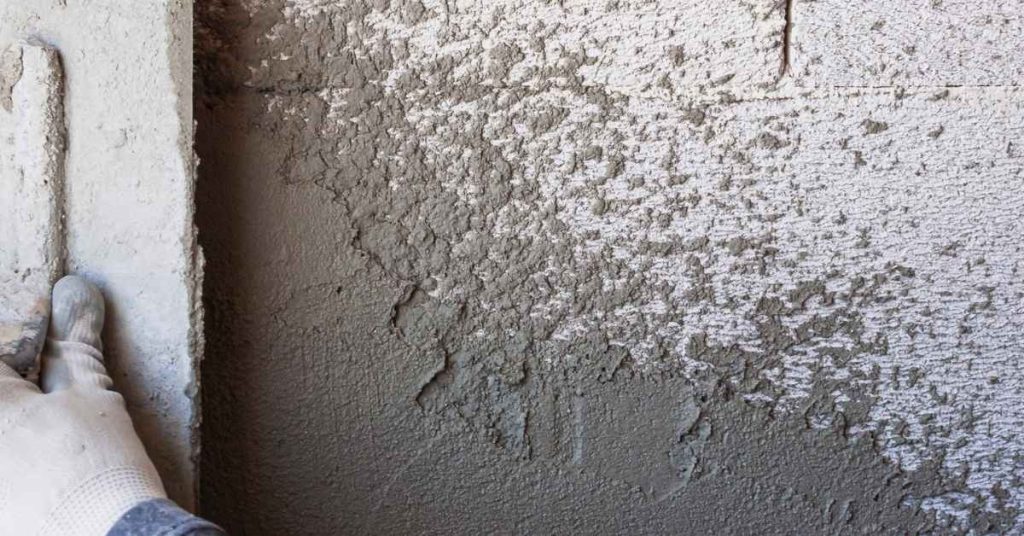
Close-up of a large crack in a stucco wall

Stucco Soffits and Overhangs: Crack Control at Framing Transitions and Vent Cutouts

Introduction Stucco soffits and overhangs are the sheltered edges under the roof where it meets the wall, and cracking happens where framing moves or openings exist. This article walks you through noticing those cracks early and keeping moisture out. You’ll learn simple, hands-on checks you can perform during a DIY project and what to fix […]

Stucco Soffits and Overhangs: Crack Control at Framing Transitions and Vent Cutouts Read More »
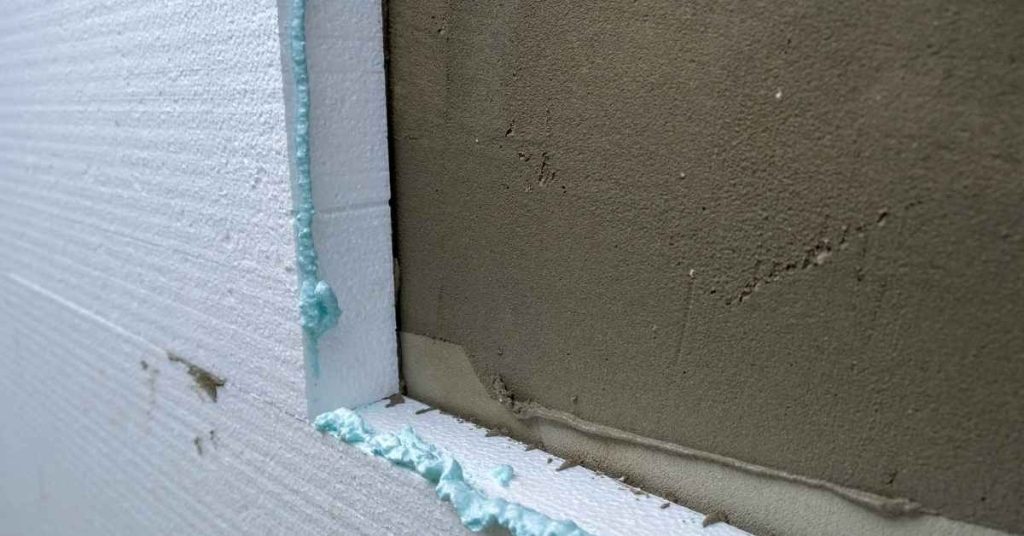
Close-up of stucco edge with foam insulation and sealant

Stucco Parapet Walls: Coping, Cap Flashing, and Why the Top Edge Is the #1 Leak Source

Introduction Coping, cap flashing, and the top edge are the critical areas that control leaks on stucco parapet walls. This article explains why the top edge leaks and how to approach coping and flashing like a DIY job. Because every project is different, check manufacturer instructions and local rules for your setup. We’ll cover coping

Stucco Parapet Walls: Coping, Cap Flashing, and Why the Top Edge Is the #1 Leak Source Read More »

Worker applying first coat of stucco on wall with trowel

Three-Coat vs One-Coat Stucco: Thickness Targets, Cure Times, and Where Each Fails

Introduction Three-coat stucco uses three separate layers, while one-coat finishes are completed in a single composite application. Thickness targets and cure times depend on the system you choose, so always check the product label and local rules rather than guessing. Also verify how a weather-resistive barrier is used and how the lath is installed, since

Three-Coat vs One-Coat Stucco: Thickness Targets, Cure Times, and Where Each Fails Read More »

Hand smoothing wet scratch coat over base wall surface