Crafting with Concrete

All things about crafting with concrete. Concrete is a versatile material that can be used in many different ways.

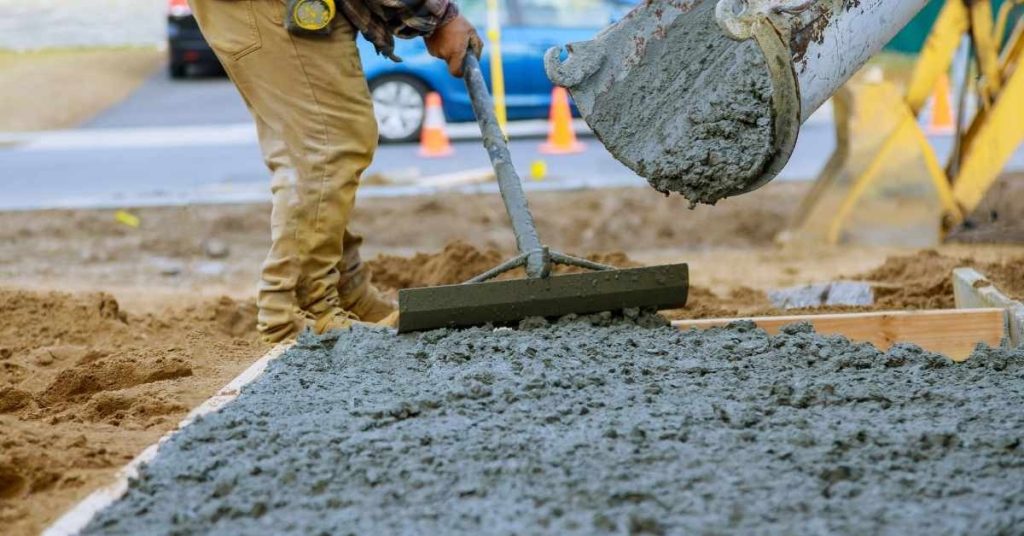
Worker smoothing wet concrete with rake near pouring excavator

Concrete Discoloration From Plastic Curing: Preventing ‘Tarp Lines’ and Blotches

Introduction Concrete discoloration from plastic curing happens when the surface dries unevenly under plastic sheeting, creating lighter and darker patches. Tarp lines and blotches form where edges or wrinkles trap moisture or restrict evaporation. That’s a common DIY issue when you want a smooth, uniform finish without waiting longer. To prevent it, lay the plastic […]

Concrete Discoloration From Plastic Curing: Preventing ‘Tarp Lines’ and Blotches Read More »
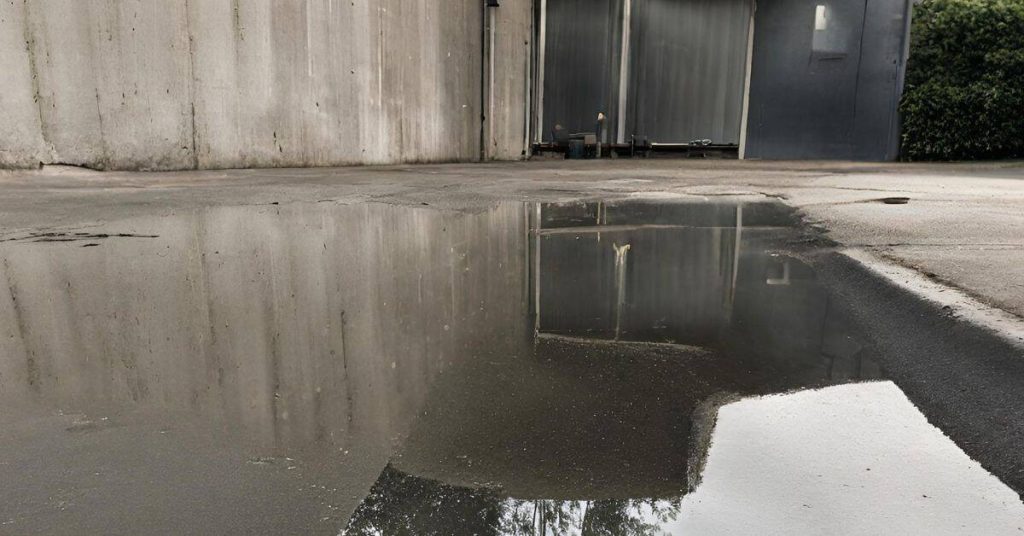
Concrete floor with large water puddle near wall

Concrete Dark Spots After Cure: Water, Curing Plastic, or Contamination—How to Tell

Introduction Dark spots on cured concrete usually indicate moisture issues, improper curing, or contamination. This article will help you tell which cause is at play and what to check on a DIY jobsite. We’ll cover practical signs to look for and simple checks you can do with common tools. Curing methods include keeping moisture with

Concrete Dark Spots After Cure: Water, Curing Plastic, or Contamination—How to Tell Read More »

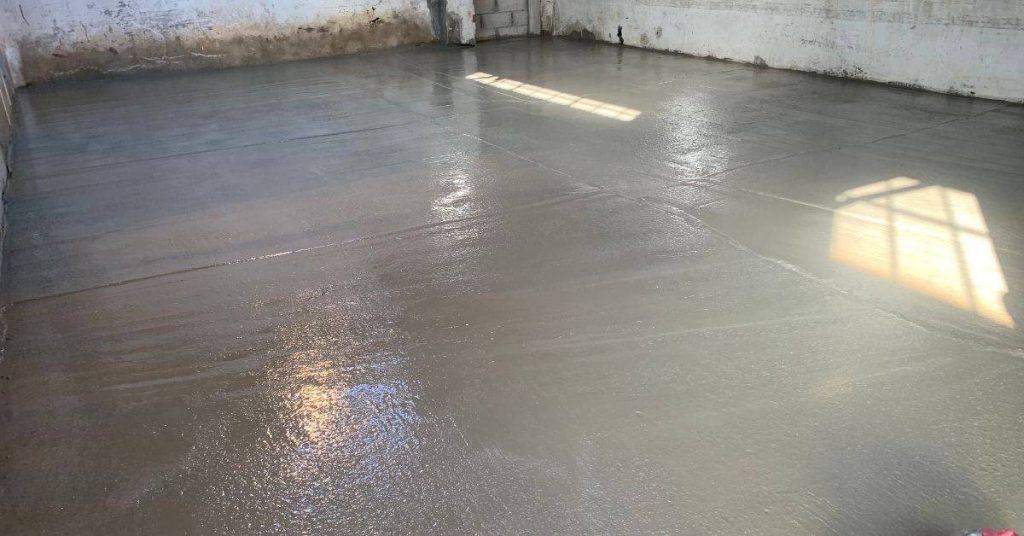
Freshly poured concrete floor inside a building

Why New Concrete Gets Soft Spots: Bleed Water, Overworking, and Local Fixes

Introduction Soft spots in new concrete are areas where the surface feels mushy or weak while it cures. They commonly form when extra bleed water rises to the surface or when the mix is overworked during finishing. Identifying the cause helps you choose the right fix and prevent this from reoccurring. Watch for shiny patches,

Why New Concrete Gets Soft Spots: Bleed Water, Overworking, and Local Fixes Read More »

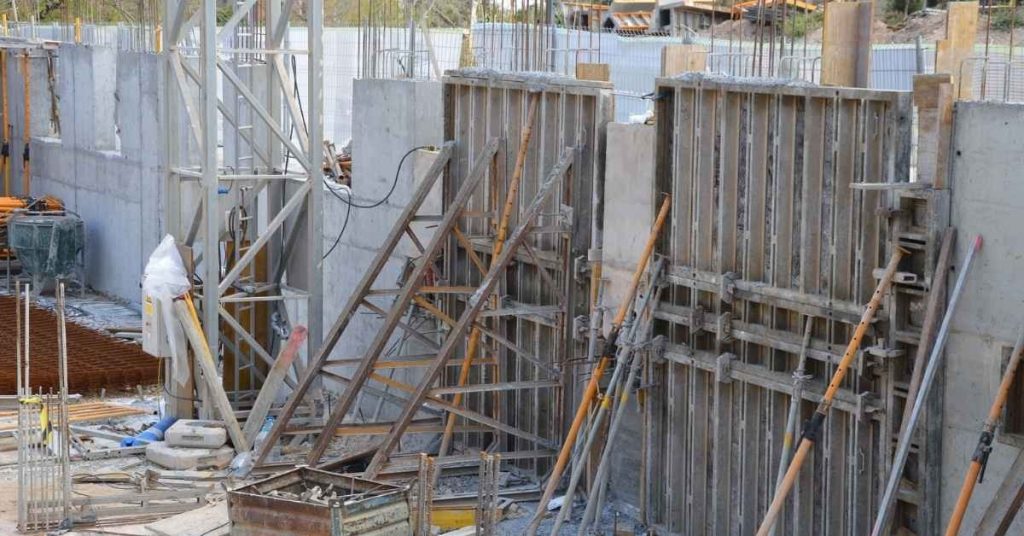
Concrete wall formwork with bracing supports at construction site