Render / Stucco

Render / Stucco covers exterior cement-based finishes that protect walls and make them look good for years.

I write about substrate prep, lath and base coats, mixing, application techniques, control joints, curing, waterproofing details, and patch repairs. You’ll also see guides on diagnosing problems like cracking, hollow spots, moisture damage, and delamination.

If you’re working on an exterior wall finish, start here—prep and detailing matter more than people think.

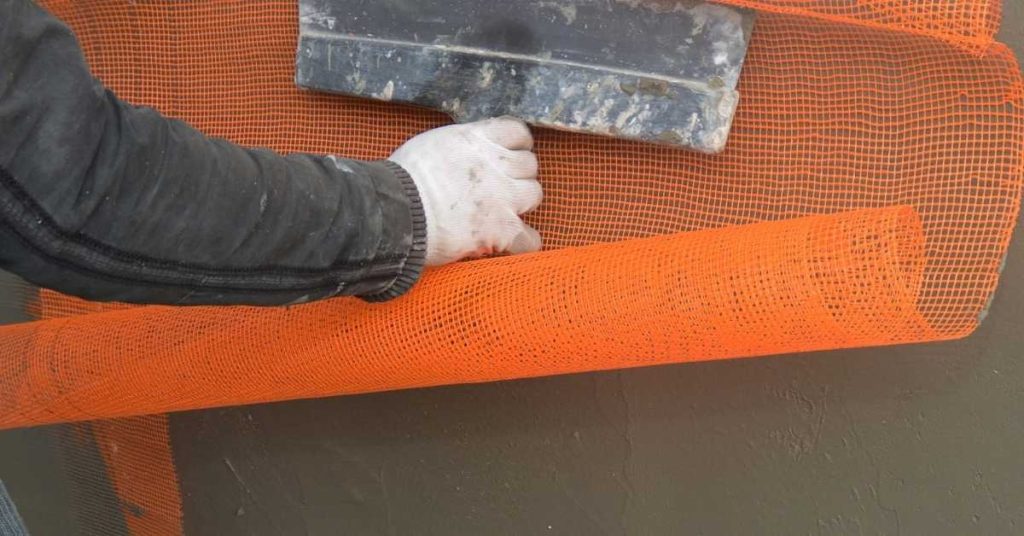
Person applying orange fiberglass mesh onto wet stucco surface

Cracks Over Framing in Stucco: Reinforcement Mesh Patterns That Actually Hold

Introduction Reinforcement mesh helps prevent cracks where stucco meets framing. Different mesh patterns distribute movement across a crack and across corners, so choose one that fits your wall and framing. Always check manufacturer and local guidance for mesh type, installation height, and any soak-in or primer requirements. For a DIY install, plan your mesh pattern […]

Cracks Over Framing in Stucco: Reinforcement Mesh Patterns That Actually Hold Read More »
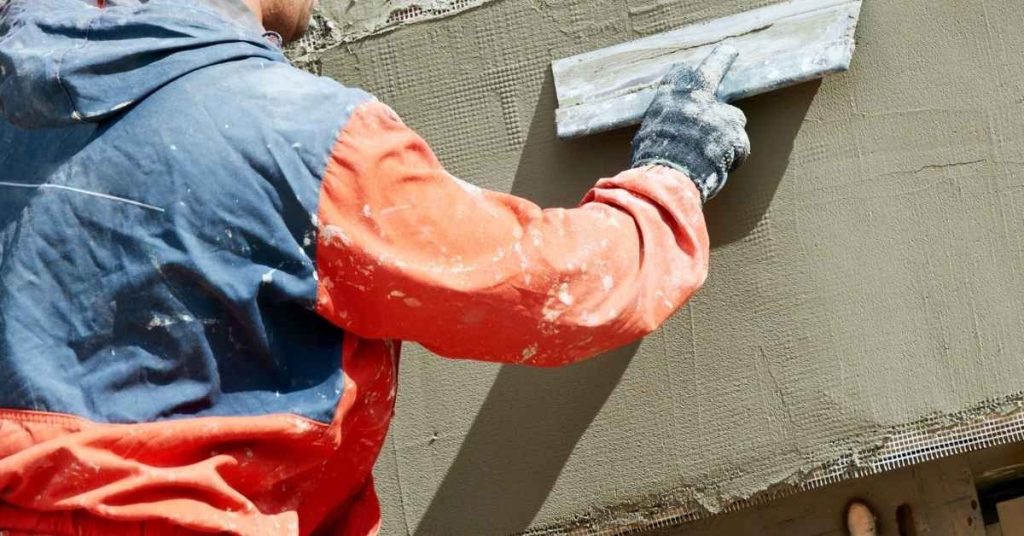
Person applying stucco to wall with trowel

Stucco Window Sills Done Right: Slope, End Dams, and Rot Prevention

Introduction This is about making stucco window sills that shed water properly and resist rot. You’ll focus on the right slope, install end dams, and plan for long-lasting rot prevention. Tackle it like a practical DIY project with common tools and careful flashing. Choose materials and details that stand up to moisture, and verify with

Stucco Window Sills Done Right: Slope, End Dams, and Rot Prevention Read More »

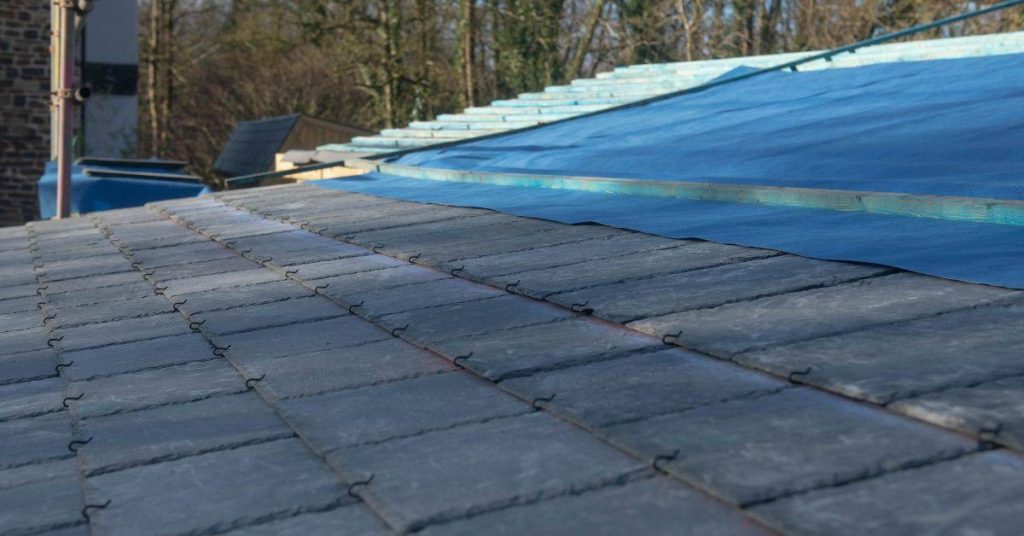
Slate roof tiles partially installed with underlayment visible

Stucco Meets Roof: Step Flashing, Sealant Placement, and Drainage Gaps

Introduction Step flashing, sealant placement, and drainage gaps are the practical techniques used at the stucco-roof intersection to prevent leaks. In plain talk, they’re the fail-safes you create where the wall meets the roof to keep water out. Follow local practice and the manufacturer instructions for flashing, sealant, and any required gaps, and check product

Stucco Meets Roof: Step Flashing, Sealant Placement, and Drainage Gaps Read More »

Exterior building wall with scaffolding and stucco application in progress

Stucco Lath Fasteners That Last: Corrosion, Length, and Avoiding Loose Walls

Introduction Stucco lath fasteners are the hardware that attach exterior stucco lath to the framing and keep the wall solid. They come in several styles for different substrates, so you should pick ones that fit your lath and backing material. Check the label or manufacturer guidance to ensure corrosion resistance and proper compatibility with your

Stucco Lath Fasteners That Last: Corrosion, Length, and Avoiding Loose Walls Read More »

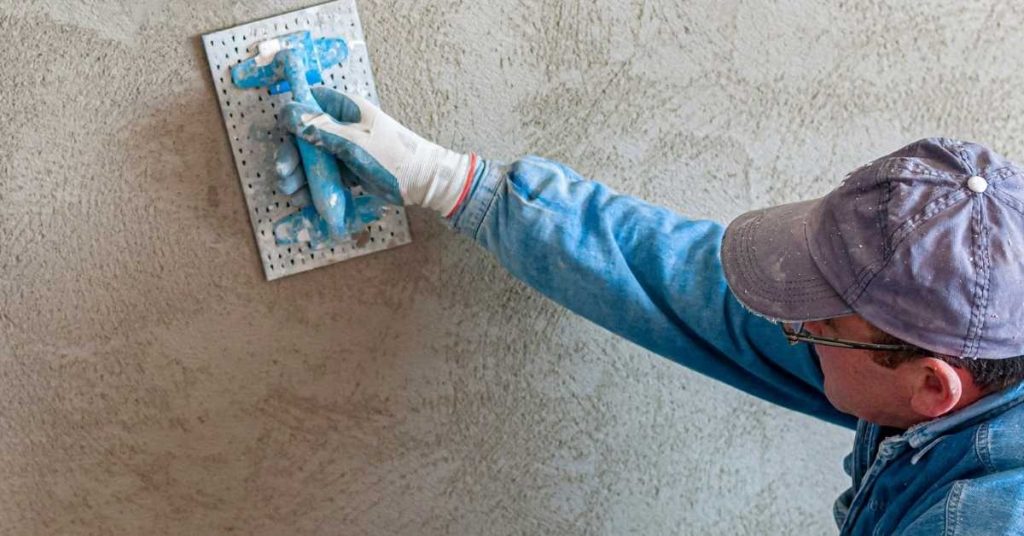
Worker applying stucco texture with a blue float tool

Sand Float Stucco Texture Matching: Tool Angles, Timing, and Avoiding Shine

Introduction A sand float stucco texture is a lightly rough, matte finish achieved by floating mortar with a sanded tool to create texture. This article covers practical techniques and the feel of the finish when you’re applying it on a DIY project. It stays away from glossy shine and aims for a consistent, hand‑worked look.

Sand Float Stucco Texture Matching: Tool Angles, Timing, and Avoiding Shine Read More »

Closeup of stucco surface with a visible crack

Curing Stucco Patches in Heat and Wind: Mist Schedules and Weak-Finish Prevention

Introduction Curings stucco patches in heat and wind means maintaining a light, frequent mist to keep the surface from drying too fast and cracking. Misting is usually done on a schedule you adjust to the day, shielding the patch from direct sun when needed. Always monitor the patch for dryness, and check product and local

Curing Stucco Patches in Heat and Wind: Mist Schedules and Weak-Finish Prevention Read More »

Close-up of beige horizontal lap fiber-cement siding

Painting Fiber-Cement Siding: Primers, Cut Edges, and Why Factory Finishes Still Fail

Introduction Painting fiber-cement siding means choosing compatible primers, sealing exposed cut edges, and recognizing that factory finishes can still peel or wear. This is a practical, hands-on guide you can follow without fancy tools or theory. Check manufacturer instructions and local rules for product compatibility and weather windows. Start by inspecting boards for damage, then

Painting Fiber-Cement Siding: Primers, Cut Edges, and Why Factory Finishes Still Fail Read More »

Man painting exterior wall white with roller on extension pole

How to Paint Exterior Trim in Direct Sun: Avoiding Lap Marks, Drag, and Early Failure

Introduction Direct sun painting exterior trim means applying paint or stain to trim while it’s in full sun, which increases drying speed and can cause lap marks. It creates risk of uneven color, brush drag, and early coating failure if you don’t manage the heat and moisture. Keep an eye on how the surface behaves

How to Paint Exterior Trim in Direct Sun: Avoiding Lap Marks, Drag, and Early Failure Read More »