
Introduction
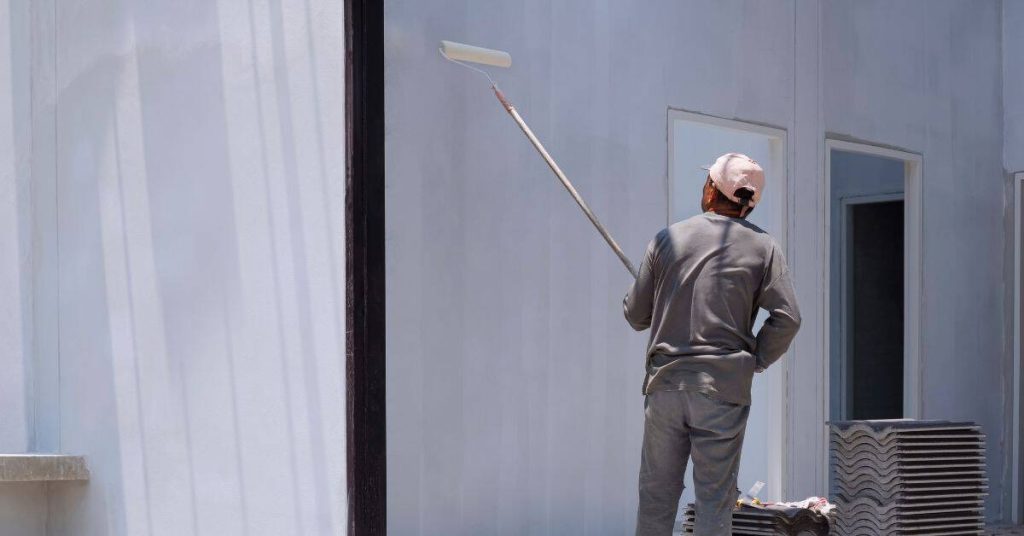
Direct sun painting exterior trim means applying paint or stain to trim while it’s in full sun, which increases drying speed and can cause lap marks. It creates risk of uneven color, brush drag, and early coating failure if you don’t manage the heat and moisture. Keep an eye on how the surface behaves and adjust your approach accordingly.
To do it right, work in small sections while watching the sun and wind, and keep a wet edge to avoid lap marks. Back-brush or tip-out to blend and reduce drag, and monitor the surface for heat buildup before continuing. Always check the product label and manufacturer guidance, and follow local rules for coatings on exterior trim.
Key takeaways
- Schedule work to minimize direct sun on fresh coats and edges
- Choose exterior paints and primers rated for hot, sunny exposure
- Wear appropriate PPE and monitor heat; take scheduled breaks
- Prep surfaces in stable temperatures; repair cracks before surface priming
- Apply in thin, workable coats; maintain a wet edge and blend
- Use targeted spraying with brush work to blend and hide lap
Table of Contents
- Introduction
- Key takeaways
- Why Painting in Direct Sun Causes Lap Marks, Drag, and Premature Failure
- Selecting Paints, Primers, and Finishes for Hot, Sunny Exposure
- Tools, PPE, and Materials Checklist for Successful Work in Direct Sun
- Surface Preparation and Repair Specifically for Hot Conditions
- Timing, Sequencing, and Staging Work to Minimize Sun-Related Defects
- Application Techniques to Avoid Lap Marks and Drag
- Spraying Strategies and Blending with Brushwork in Direct Sun
- Visual Checkpoints, Common Defects, and Step-by-Step Troubleshooting
- Conclusion
- FAQ
Why Painting in Direct Sun Causes Lap Marks, Drag, and Premature Failure
Direct sun speeds up how fast the film dries, which can trap solvent at the surface and lead to uneven film formation. The sun also heats the substrate, causing differential movement and rapid evaporation that disrupts a smooth layoff. These factors combine to weaken adhesion on sun-exposed trim and set the stage for defects.
Watch for a warm surface, fast drying near edges, and shifting backing as you work. The result is visible lap marks, drag, and early failure if the film never settles evenly. Understanding these mechanisms helps you plan timing and technique more carefully.
Film formation, flash drying, and curing basics
When you paint exterior trim, the solvent or water in your paint starts to evaporate. This is what forms the film that protects and decorates your trim.
If it’s too hot out, this evaporation happens too fast. That’s called flash drying. It prevents proper film formation because the binder can’t coalesce – stick together – before the solvent or water is gone.
This leads to two problems: lap marks and a powdery surface. Lap marks are those ugly lines you see where you overlapped your brush or roller strokes. A powdery surface means the paint didn’t form a solid film, so it’s weak and can flake off easily.
How heat and light cause mechanical and aesthetic problems
When trim heats up in direct sun, it expands. Then when the temperature drops at night, it contracts. This movement can put stress on your paint film.
If the paint hasn’t cured properly due to flash drying, this movement can cause drag. That’s when the paint pulls away from the surface in tiny cracks or lines. It looks bad and weakens the bond between the paint and the trim.
UV rays from the sun also accelerate the breakdown of the binder in your paint. This is called photo-degradation. It makes your paint fail early, losing its gloss and becoming chalky or cracked.
Selecting Paints, Primers, and Finishes for Hot, Sunny Exposure
Choose products designed for outdoor exposure with good UV resistance and elasticity. Primer choices should match the substrate and provide a compatible bond for the finish you intend to use. Sheen and elasticity matter because they influence how the film stretches and resists cracking in sunlit heat.
Always verify manufacturer recommendations for sun exposure, and cross-check labels or data sheets before committing to a mix. If in doubt, ask at the store or consult the manufacturer instructions for your climate and project conditions.
Best paint types and sheens for exterior trim
For exterior trim in direct sun, you’ll want a paint that’s tough, flexible, and resistant to UV damage. Exterior acrylic latex paints are your best bet. They’re water-based, easy to clean up, and have good adhesion and flexibility.
100% acrylic formulations offer the best durability and UV resistance. Avoid paints with high vinyl content as they can chalk and lose their gloss over time in direct sun.
As for sheen, higher-gloss paints reflect more light and are easier to clean. Semi-gloss or high-gloss will hide imperfections better than flat or satin finishes. But remember, higher-gloss means more reflection of the sun’s rays, which can make your trim look hotter.
Oil-based paints have good UV resistance but take longer to dry and cure, and they’re harder to clean up. Use them if you need better adhesion or want a smoother finish, but be prepared for the extra effort.
Primer and adhesion-promoter guidance
A good primer is your first line of defense against sun damage. It promotes better paint adhesion, seals porous surfaces, and blocks tannins from bleeding through.
For exterior trim, use a stain-blocking, high-adhesion primer. This will help prevent issues like knot bleed and tannin staining, which can discolor your topcoat over time in direct sun. It also promotes better bonding of your topcoat, ensuring it lasts longer.
If you’re painting pressure-treated lumber or cedar, use a primer that’s specifically designed for these materials. They have built-in mildew resistance and better adhesion properties.
Always follow the manufacturer’s recommendations for surface preparation and application. This will ensure your primer performs as expected and gives your topcoat the best possible start.
Tools, PPE, and Materials Checklist for Successful Work in Direct Sun
Bring brushes, rollers, and a spray setup that you can keep wet enough to avoid heavy drag. Include caulks, cleaners, and compatible masking supplies to protect adjacent surfaces. Have temperature measuring tools to monitor surface and ambient conditions as you work.
Plan for temporary shading and wind protection if you can, and confirm tool compatibility with your chosen paint. Pack extra consumables and safety gear so you can adapt without stopping the job to hunt supplies.
Brush, roller, and sprayer choices and maintenance
Choose the right tools for your paint type and surface. Maintain them to keep a wet edge and consistent finish in fast-drying conditions.
- Natural bristle brushes: Use for oil-based paints. Synthetic bristles can melt.
- Synthetic brushes: Ideal for latex paints. Nylon or polyester bristles maintain their shape.
- Roller covers: Choose nap length based on surface texture: 1/4″ to 3/8″ for smooth, 3/8″ to 1/2″ for semi-smooth, 1/2″ to 3/4″ for textured.
- Sprayers: Use for large areas or complex shapes. Choose airless or HVLP for consistent atomization.
- Maintain brushes: Clean with appropriate solvent after each use to prevent bristle damage and maintain edge.
- Maintain rollers: Rinse and clean covers thoroughly to remove paint residue. Allow to dry completely before storing.
- Sprayer maintenance: Regularly clean spray tips, filters, and pumps to prevent clogging and maintain consistent spray pattern.
Quick rule: Always match tool type to paint type. Clean tools thoroughly after use to maintain quality and longevity.
Safety equipment, cleaning agents, and temporary shading solutions
Protect yourself from paint fumes and chemicals. Clean up properly. Use temporary shade to reduce surface temperature.
- Respirator: Wear for oil-based paints or high VOC levels. Ensure it fits properly and is compatible with your paint type.
- Safety glasses: Protect eyes from paint splatter and debris. Consider goggles for better protection.
- Gloves: Use to protect hands from chemicals. Choose based on paint type: latex for water-based, nitrile or neoprene for oil-based.
- Cleanup solvent: Have appropriate solvent on hand for your paint type: mineral spirits for oil-based, soap and water for latex.
- Temporary shade: Use canopies, umbrellas, or tarps to reduce surface temperature. Keep area well-ventilated to prevent fume buildup.
Quick rule: Always use appropriate PPE for your paint type. Clean up spills promptly and thoroughly to prevent damage and maintain safety.
Surface Preparation and Repair Specifically for Hot Conditions
Clean the trim thoroughly to remove dirt, oils, and any contaminants that would weaken film adhesion. Sand or abrade only as needed to create a solid key without tearing the surface. Address any cracks or raised grain before applying primer or paint.
Ensure the substrate is dry and free of moisture to avoid trapped water under the film. In hot conditions, take care not to overwork the surface, which can raise dust and create future bonding failures.
Cleaning, sanding, and profiling for adhesion
Start by removing all dirt, dust, and loose paint from your trim. Use a wire brush or scraper to get rid of any flaking material.
Glossy surfaces need to be abraded to create a profile for the new paint to bond with. Use 120-grit sandpaper, working in the direction of the grain. For old coatings, you might need to use a higher grit like 150.
Wipe off any dust with a damp cloth and let it dry completely before moving on.
Filling, caulking, and treating stains or tannin bleed
Before painting, fill any cracks or holes with a paintable exterior filler. Sand it smooth once dry.
Choose a caulk compatible with your chosen paint. Apply it to gaps and seams, then tool it in for a smooth finish.
For sap stains, rust, or water stains, use a stain-blocking primer or sealer. These are designed to prevent tannin bleed, which can ruin your paint job. Follow the manufacturer’s instructions for application and drying times.

Timing, Sequencing, and Staging Work to Minimize Sun-Related Defects
Plan work during the cooler parts of the day and sequence faces to minimize sudden transitions from sun to shade on wet film. Work in a logical order to keep a consistent edge and avoid overlapping wet areas that can trap solvents. Use shaded windows when possible to slow drying for better finish control.
Check sun path and weather forecasts to avoid long, intense sun exposure during application. Verify manufacturer-recommended temperature and humidity windows for your chosen products, and adjust your schedule accordingly.
Best times of day, sectioning, and workflow strategies
Timing is crucial when painting exterior trim in direct sun. The best time to paint is early morning or late afternoon.
Morning: Start around 7-8 AM. The air is cool, and the sun’s rays are less intense. This gives your paint more time to level out before the heat builds up.
Afternoon: Begin painting again around 4-5 PM. The sun is lower in the sky, providing some relief from its harshest rays.
Break your trim into manageable sections. Work one section at a time, keeping a consistent wet edge by painting logically around features like windows and doors.
Using temporary shade and wind blocks while working
Setting up temporary shade can significantly slow down the drying process, helping you avoid lap marks and drag. Here’s how:
Shade: Use a portable canopy or even a large tarp attached to ladders to create a shaded work area. Move it as needed throughout the day to stay in the shade.
Wind blocks: Wind can cause paint to dry too quickly, leading to issues. Set up temporary wind screens using cardboard, foam board, or even large sheets of paper. Place them around your work area to block gusts.
Staging ladders properly also helps control dust and debris. Keep them close to the wall but not so close that they’re in direct sunlight. This gives you a stable platform to work from while keeping your paint job clean.
Application Techniques to Avoid Lap Marks and Drag
Use cutting-in, feathering, and back-rolling or back-brushing to keep a consistent film thickness. Maintain a wet edge and avoid stopping in mid-edge to prevent visible seams. Move steadily to reduce pressure changes that cause drag or texture differences.
Keep a uniform overlap and avoid piling product in one spot. Work in small sections and continually check that the previous pass is not pulling away as you proceed.
Cut-in, feathering, and maintaining a wet edge
Start your strokes at the top of each trim piece. Work your way down, using long, smooth motions to avoid starting or stopping in the middle of a stroke.
When you reach an edge, feather your final stroke into the adjacent wet paint. This blends the edges and prevents lap marks. Keep your brush loaded but not overloaded with paint to maintain control.
Maintain a wet edge by working in manageable sections. Don’t let the paint dry out before you’ve blended it into the next section. If you see any drag or lap marks, stop and blend them immediately.
Roll-and-tip, back-brushing, and back-rolling methods
The sun can dry paint quickly, so use roll-and-tip or back-brushing techniques to even out film thickness. After rolling on your paint, immediately go over it with a brush, working perpendicular to the direction of the roller marks.
For back-rolling, apply paint as usual, then roll backwards over the same area. This helps level any raised grain and improves coverage. Be sure not to overwork the paint or you’ll risk lifting off the first coat.
Use these techniques sparingly and only where necessary. Too much back-brushing or rolling can cause drag and unevenness. Remember, less is more under direct sun.
Spraying Strategies and Blending with Brushwork in Direct Sun
Spraying can offer speed and a more uniform base coat when conditions are right. Plan for overlapping spray passes and proper atomization to minimize texture differences with brushwork. Set up a clean transition zone where spray meets brushed areas.
Blend sprayed areas with brushed work to avoid lap lines. Confirm that spray settings and nozzle choice are compatible with the product you are using and the substrate you are coating.
Sprayer selection, settings, and overlap technique
Choosing the right sprayer is crucial. HVLP systems are great for detail work like trim, giving you better control and less overspray. Airless sprayers can be faster but may require more touch-up.
Thinner coats with proper overlap prevent runs and laps. Aim for 50% overlap on each pass. Test your spray pattern first, adjust for temperature and evaporation.
Blending sprayed coats with hand-applied finishes
After spraying, immediately back-brush or tip the edges to blend textures. Work in small sections to maintain a wet edge and prevent sags or streaks.
For best results, use the same brush for both spraying and brushing. This ensures consistent texture and helps hide any spray marks.
Visual Checkpoints, Common Defects, and Step-by-Step Troubleshooting
Look for lap marks, drag, orange peel, sags, and signs of early adhesion failure as you inspect a freshly coated trim. Prioritize corrective actions that restore a smooth, even film and proper surface texture. Document the conditions when defects occur to guide future projects.
Record temperature, humidity, and surface temperature to understand what changed between coats or days. Use the manufacturer instructions and data sheets as your reference when choosing corrective steps and recoat intervals.
Step-by-Step Process
Use this checklist to ensure a thorough visual inspection, identify common defects, and troubleshoot issues while painting exterior trim in direct sun.
- Preparation: Check weather conditions (temperature, humidity), surface temperature, and ensure it’s above dew point. Skip this at your peril: wrong conditions lead to adhesion failure.
- Safety first: Wear appropriate PPE, including gloves, goggles, and a respirator if spraying.
- Inspect surface: Check for dirt, mildew, or stains. Miss this step and you’ll have poor adhesion and early failure.
- Sandbox lightly: Remove any loose paint or debris. Skipping this leaves valleys in your finish.
- Prime problem areas: Apply a spot primer to stains, tannin bleed, or bare spots. Neglecting this invites lap marks and drag.
- Section off: Divide trim into manageable sections. Ignore this and you’ll struggle with maintaining a wet edge.
- Apply first coat: Use your chosen application method (brush, roller, spray). Rush through and you’ll see lap marks and drag lines.
- Inspect after drying: Check for defects like sags, orange peel, or adhesion failure. Ignore these and they’ll worsen with each coat.
- Apply second coat: If needed, apply a second coat, ensuring you maintain a wet edge. Miss this step and you’ll have visible lap marks.
- Final inspection: Check for any missed defects or areas needing touch-up. Overlook this and your trim won’t look its best.
Quick rule: Always document conditions when defects occur to learn from past mistakes.
How to recognize lap marks, drag lines, and adhesion failure early
Use this checklist to spot problems before the coating fully cures, allowing for timely repairs.
- Lap marks: Look for visible lines where coats overlap. These appear when you didn’t maintain a wet edge or applied too much paint at once.
- Drag lines: Feel for rough, raised areas with your fingers. These occur when paint dries too quickly and is dragged across the surface.
- Adhesion failure: Check if paint peels or flakes off easily. This happens when surfaces weren’t properly prepared or conditions were wrong.
- Orange peel: Inspect for a textured, bumpy appearance. This is often due to applying paint too thickly or in high humidity.
- Sags: Look for drips or runs. These occur when paint was applied too thickly or the surface wasn’t level.
Quick rule: If you spot any of these issues early, address them promptly to minimize damage and rework.
Repair methods and when to strip and restart
Use this checklist to decide on the best repair option based on the severity of defects found during your visual inspection.
- Light sanding: For small lap marks or drag lines, lightly sand and spot-prime before recoating. Ignore this and you’ll trap defects under new coats.
- Recoat strategy: If defects are minor, consider recoating after proper preparation. But beware: underlying issues may reappear.
- Full removal: For severe adhesion failure or sags, strip and restart the process. Neglecting this leads to a poor finish that won’t last.
- Re-evaluate conditions: Before reapplying, check weather conditions again. Skipping this may lead you back into the same problems.
Quick rule: Always prioritize fixing underlying issues to ensure a lasting, quality finish.
Conclusion
Finish your project with a durable, clean look by sticking to the proven sequence and protecting the trim from heat and sun damage. When you follow the right steps, you reduce lap marks, drag, and premature failure, and you keep the job safe and repeatable.
Check the surface for dryness and repairs, choose paints, primers, and finishes rated for hot exposure, test a small patch, set up staging to minimize sun, work in cooler periods, clean and prime, apply thin coats with a wet edge and blend with brush or spray as recommended, stop if the color or sheen shifts, and recheck after drying. Do this in the order that fits your site, and never skip the test patch or the drying intervals between coats.
Common mistakes to avoid are skipping surface prep, painting in peak sun or heat, and rushing the coats. Always respect flash times, use thin coats, and maintain a true wet edge; wear the right PPE, keep the work area ventilated, and clean up spills promptly to prevent damage or safety issues.
If the project involves tall ladders, complex repairs, or persistent coating failures, it’s wise to call a professional. When in doubt, slow down and verify each step before moving forward. Stay deliberate, stay safe, and you’ll finish with a trim that lasts.
FAQ
How do I spot signs the sun is too hot for painting exterior trim?
Check for excessive glare, heat shimmer, and fast drying that makes edges dry before you blend. If the surface is scorching to the touch, back off and reassess your plan. Stop if the material looks stressed or blistering starts.
What’s the best time window to paint exterior trim in direct sun?
Aim for periods when the sun isn’t directly overhead and the surface isn’t scorching. Look for shade or cooler morning/late afternoon light, and plan big steps when temps feel steady. If you have to work in sun, keep coats thin and work in short bursts with breaks.
How should I handle blotchy lap marks when painting in sun?
Keep a consistent load on the brush and work a wet edge to blend as you go. Avoid heavy, thick coats that dry too fast, and back-brush to even out any ridges. If lap marks form, you may need to lightly rework the area while it’s still workable.
What should I do if wood starts to warp or blister in heat?
Stop painting and let the surface cool before continuing. Inspect for moisture prison or trapped heat under the coating, then address any repair needs and re-prime if you’ve exposed bare wood. Don’t force a coating onto warped or blistered wood.