Render / Stucco

Render / Stucco covers exterior cement-based finishes that protect walls and make them look good for years.

I write about substrate prep, lath and base coats, mixing, application techniques, control joints, curing, waterproofing details, and patch repairs. You’ll also see guides on diagnosing problems like cracking, hollow spots, moisture damage, and delamination.

If you’re working on an exterior wall finish, start here—prep and detailing matter more than people think.

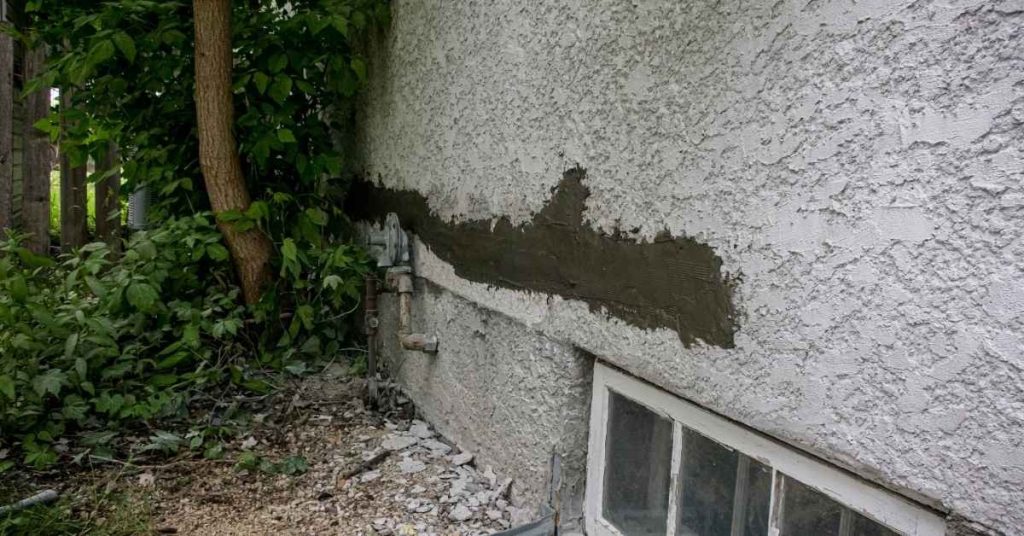
Stucco Patch Curing Stains: How to Reduce “Dark Rings” Around Repairs

Stucco Patch Curing Stains: How to Reduce “Dark Rings” Around Repairs

Introduction Dark rings around stucco repairs are staining caused by moisture during the curing process. This article calls out a practical, hands-on approach to reduce those stains while you patch. What you do and when you do it matters for a cleaner, longer-lasting repair. Plan ahead for weather, especially in Eugene, and keep the surface […]

Stucco Patch Curing Stains: How to Reduce “Dark Rings” Around Repairs Read More »
Fasteners Through Stucco: Sealing Strategies That Don’t Create a Water Trap

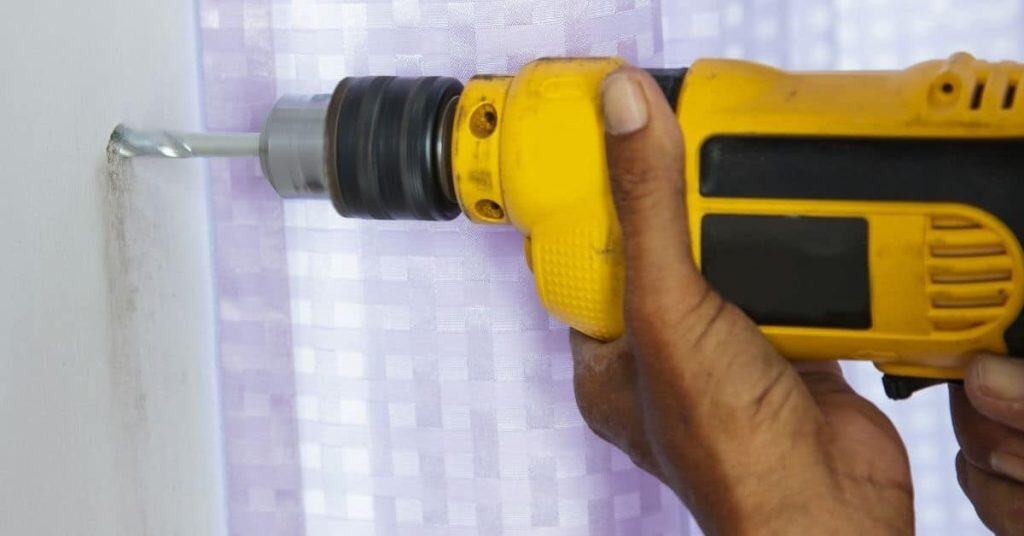
Sealing Fasteners Through Stucco: A Step-by-Step Timeline to Avoid Water Traps

Introduction The process of sealing fasteners through stucco can seem daunting, but with a clear understanding of the timeline and steps involved, you can ensure a watertight finish that lasts. This guide walks you through the entire process, from site assessment to final inspection, with an emphasis on how long each step takes. Whether you’re

Sealing Fasteners Through Stucco: A Step-by-Step Timeline to Avoid Water Traps Read More »

Stucco over Foam (Eifs/Thin Coat): What Changes with Base Coat and Mesh Placement

Stucco over Foam (Eifs/Thin Coat): What Changes with Base Coat and Mesh Placement

Introduction Stucco over foam (EIFS/thin coat) is a layered exterior finish that uses insulation foam beneath a base coat and reinforced mesh. This article keeps it practical for DIYers and focuses on how base coat and mesh placement change when you install over foam. Think of it as a lightweight, flexible alternative to traditional stucco,

Stucco over Foam (Eifs/Thin Coat): What Changes with Base Coat and Mesh Placement Read More »

Mesh Weight Selection: Where Heavier Mesh Makes Sense

Mesh Weight Selection: Where Heavier Mesh Makes Sense

Introduction Heavier mesh is wire or synthetic mesh with higher mass per area used where extra strength matters. It resists deformation under load and helps maintain openings during pours. Check the label or manufacturer guidance for what “heavy” means for your project. Look for applications like larger spans or high-traffic areas where durability is a

Mesh Weight Selection: Where Heavier Mesh Makes Sense Read More »

Fixing Recurring Stucco Cracks at Corners of Windows: Why They Happen and Reinforcement Options

Fixing Recurring Stucco Cracks at Corners of Windows: Why They Happen and Reinforcement Options

Introduction Recurring cracks at window corners are caused by movement in the wall and framing that stresses the stucco. That movement can come from settling, shrinkage, or simple temperature changes. Understanding this helps you plan repairs that move with the wall rather than fight it. Reinforcement options include embedding a corner mesh in a flexible

Fixing Recurring Stucco Cracks at Corners of Windows: Why They Happen and Reinforcement Options Read More »

Repairing Rusted Corner Bead: How to Cut Back and Rebuild Without Chasing Cracks Forever

Repairing Rusted Corner Bead: How to Cut Back and Rebuild Without Chasing Cracks Forever

Introduction Rusted corner bead damage is when the metal trim at the wall corner has corroded and risks cracking the drywall. You’ll see rust stains, flaky edge metal, or bent corners that don’t sit square. This article walks you through a practical, hands-on repair plan. First, identify the damaged metal and assess if the drywall

Repairing Rusted Corner Bead: How to Cut Back and Rebuild Without Chasing Cracks Forever Read More »

Bulging Stucco Diagnosis: How to Tell Moisture Issues from Lath Failure

Bulging Stucco Diagnosis: How to Tell Moisture Issues from Lath Failure

Introduction Bulging stucco usually signals moisture intrusion or lath failure and should be treated as a warning sign. You’ll learn how to tell the difference between moisture-related swelling and lath failure through simple visual checks and non-invasive assessments, plus practical steps to evaluate exterior walls. The guide outlines common causes, practical maintenance habits, and how

Bulging Stucco Diagnosis: How to Tell Moisture Issues from Lath Failure Read More »

Head Flashing Vs “just Caulk”: What’s Actually Protecting the Opening

Head Flashing Vs “Just Caulk”: What’s Actually Protecting the Opening

Introduction Head flashing is the primary shield against water around an opening, and caulk alone cannot provide lasting protection. This matters because proper flashing directs water away and prevents leaks, while improper gaps can lead to rot and interior damage. The guide walks through how to assess openings, distinguish flashing from caulk, and apply practical

Head Flashing Vs “Just Caulk”: What’s Actually Protecting the Opening Read More »