Plaster

Plaster is for cement-based and traditional plastering projects where a smooth or durable surface is the goal.

You’ll find guides on surface prep, bonding, scratch/brown/finish coats, patching, corner details, sanding and finishing, and how to avoid common issues like cracking, poor adhesion, and uneven texture.

If your project is “make this wall look right again,” this is the category to start with.

Hand applying textured plaster to wall with a red trowel

Clay Plaster Basics: Mixing, Application, and Crack Control That’s Realistic

Introduction Clay plaster basics are simple, old-fashioned wall coverings made from clay, sand, and water that you mix and trowel onto a surface. This article gives a practical, hands-on look at mixing, applying, and why cracks happen. You’ll learn how to handle the mix and what to watch for on site. Expect a straightforward, honest […]

Clay Plaster Basics: Mixing, Application, and Crack Control That’s Realistic Read More »

Worker smoothing fresh plaster wall wearing helmet and mask

Fresco vs Limewash on Fresh Plaster: What’s Possible and What Isn’t

Introduction Fresco involves pigments mixed into plaster as it cures, while limewash is pigment suspended in lime that you apply to the surface. On fresh plaster, the timing and technique you use will influence how well each method sticks and how the final look develops. This article gives a plain‑spoken DIY overview of what each

Fresco vs Limewash on Fresh Plaster: What’s Possible and What Isn’t Read More »

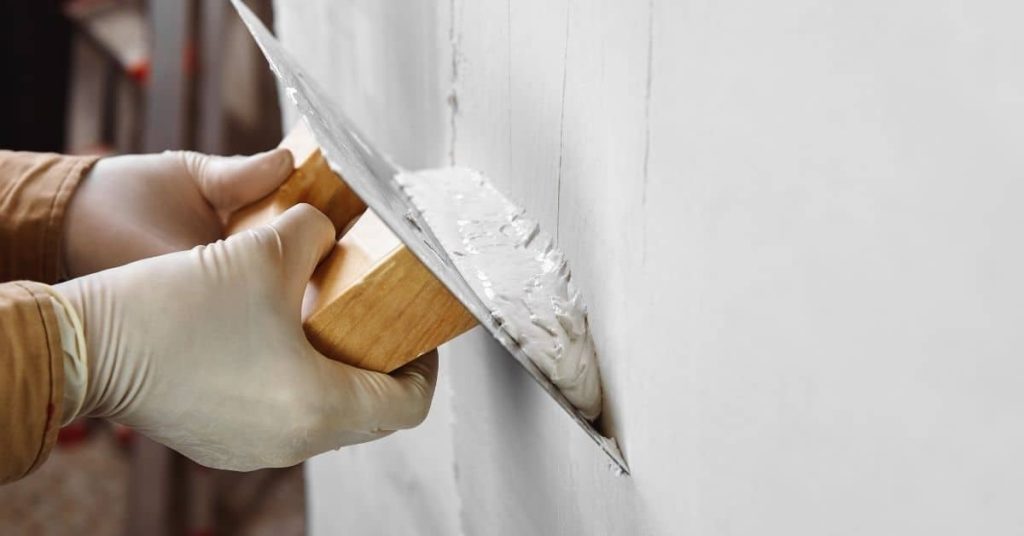
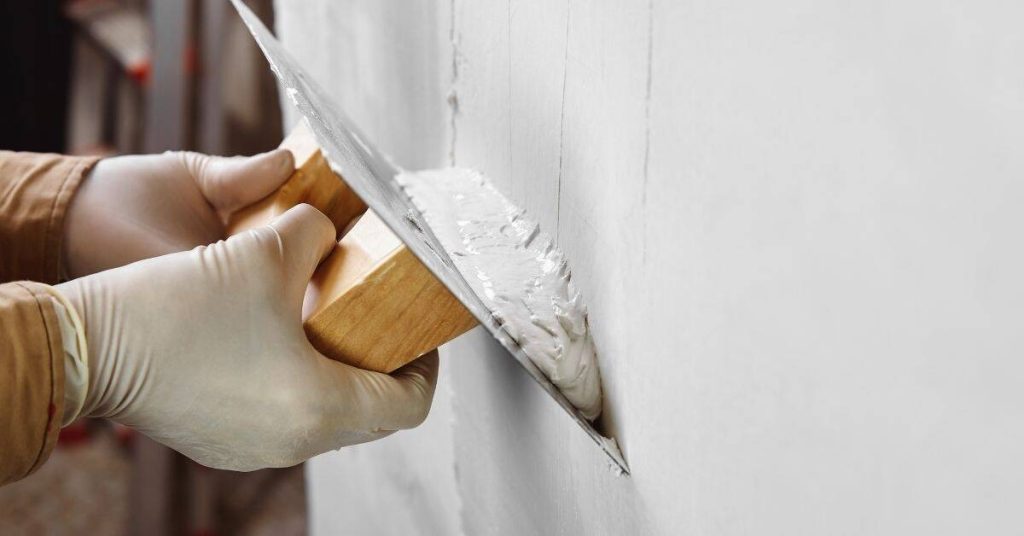
Gloved hands applying plaster on wall with trowel

Gypsum Over Lime Plaster: Compatibility Traps and Smart Primers

Introduction Gypsum over lime plaster is when you apply gypsum-based finish over a lime plaster substrate, which calls for checking compatibility first. Lime and gypsum cure differently, so mismatches can cause peeling or cracking, and a proper primer or bond coat helps. Plan your prep and follow manufacturer or product guidance for the exact steps.

Gypsum Over Lime Plaster: Compatibility Traps and Smart Primers Read More »

Worker smoothing plaster on wall with trowel

Curved Wall Plaster Repairs: Feathering Without Creating Flat Spots

Introduction Feathering curved wall plaster repairs means blending new plaster into a curved surface so the seam disappears. Keep the edges thin and gradually widen the feather so you don’t leave a detectable transition. Check the work by stepping back and looking for a consistent curve and light reflections. Use a light touch and work

Curved Wall Plaster Repairs: Feathering Without Creating Flat Spots Read More »

Close-up of textured white plaster wall surface

Finding Studs Behind Plaster and Lath: Magnets, Probing, and Avoiding Wire Hits

Introduction Finding studs behind plaster and lath means locating the wall framing behind the plaster so you know where to anchor. In practice, DIY folks use magnets to find fasteners and then verify with a probing method to confirm stud depth. This approach helps you avoid guessing and reduces the risk of drilling into wires

Finding Studs Behind Plaster and Lath: Magnets, Probing, and Avoiding Wire Hits Read More »

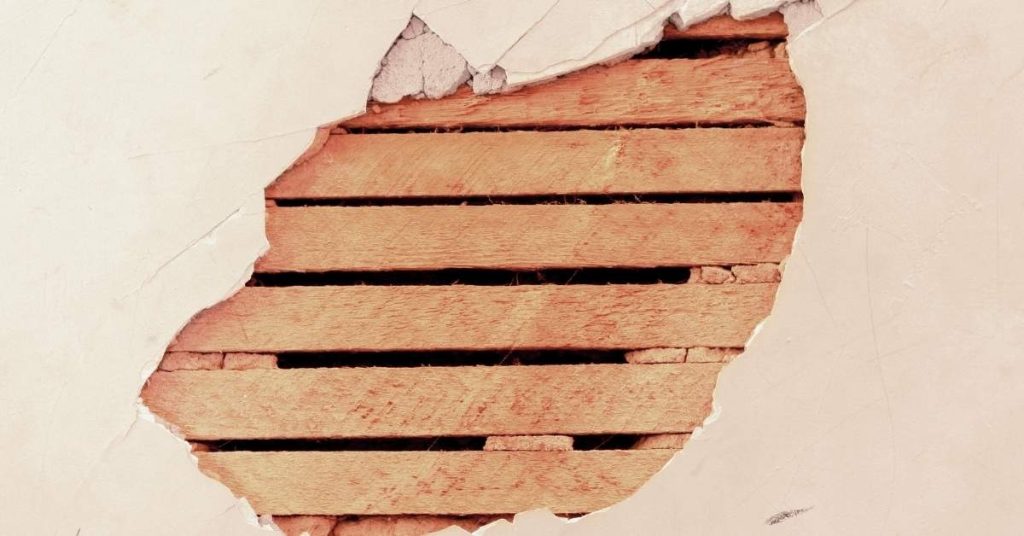
Broken plaster revealing wooden lath behind wall

Loose Lath Under Plaster: Refasten vs Replace (a Practical Decision Guide)

Introduction Refastening loose lath is usually the simplest first step to fix plaster that’s pulling away. If the lath is rotten or severely warped, replacement might be the safer option. Check for signs of damp, rot, and whether the plaster remains solid. Decide between refastening and replacing by inspecting the lath condition and the soundness

Loose Lath Under Plaster: Refasten vs Replace (a Practical Decision Guide) Read More »

Person applying fresh plaster to wall with trowel and hawk

When Plaster Cracks Matter: Cosmetic Lines vs Movement Red Flags

Introduction Cosmetic cracks are fine, non-structural lines that don’t indicate movement. Movement-related cracks show ongoing change in the wall and may signal settlement or moisture problems. In DIY terms, sturdy plaster can crack from drying or shrinkage, but bigger concerns require closer checks for movement. Visual signs to watch include hairline cracks that stay the

When Plaster Cracks Matter: Cosmetic Lines vs Movement Red Flags Read More »

Close up of drill bit covered in red dust powder

Plaster Dust Control for Small Jobs: Containment, Venting, and Cleanup That’s Livable

Introduction Plaster dust control means keeping dust confined, vented, and cleaned so a small job stays livable. Set up a defined work area with barriers or plastic, cover floors, and contain the dust to the room you’re working in. Wear appropriate PPE like a dust mask, eye protection, and gloves, and remove loose clothing to

Plaster Dust Control for Small Jobs: Containment, Venting, and Cleanup That’s Livable Read More »