Plaster

Plaster is for cement-based and traditional plastering projects where a smooth or durable surface is the goal.

You’ll find guides on surface prep, bonding, scratch/brown/finish coats, patching, corner details, sanding and finishing, and how to avoid common issues like cracking, poor adhesion, and uneven texture.

If your project is “make this wall look right again,” this is the category to start with.

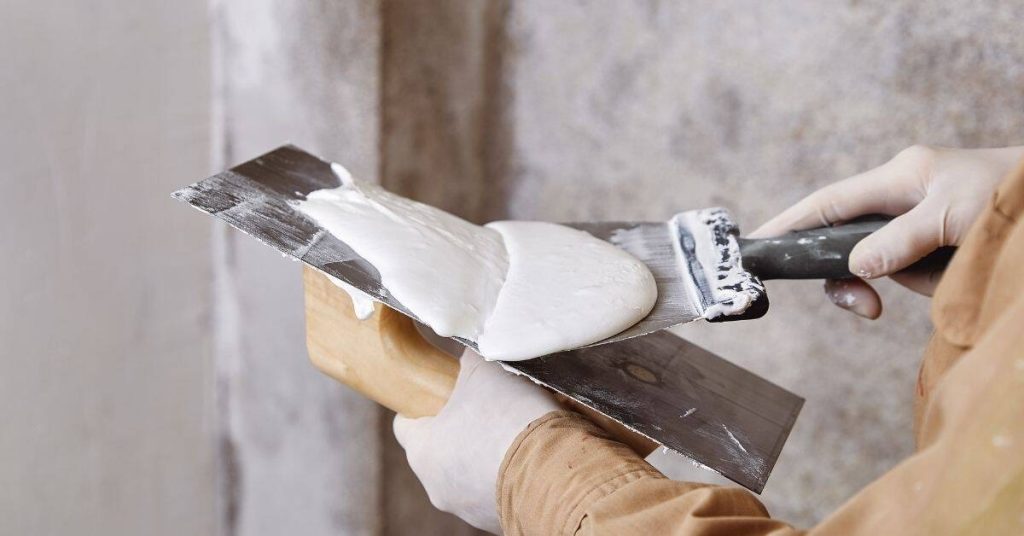
Hands applying plaster on wall with trowel

Pinholes in Venetian Plaster: Causes and application tweaks to prevent them

Introduction Pinholes in Venetian plaster are small surface holes that appear when the plaster or glaze dries with trapped air. They usually come from air pockets formed during mixing, application, or drying, especially if coats are too thick or work is too wet. Filling them after the fact is harder than preventing them. To prevent […]

Pinholes in Venetian Plaster: Causes and application tweaks to prevent them Read More »
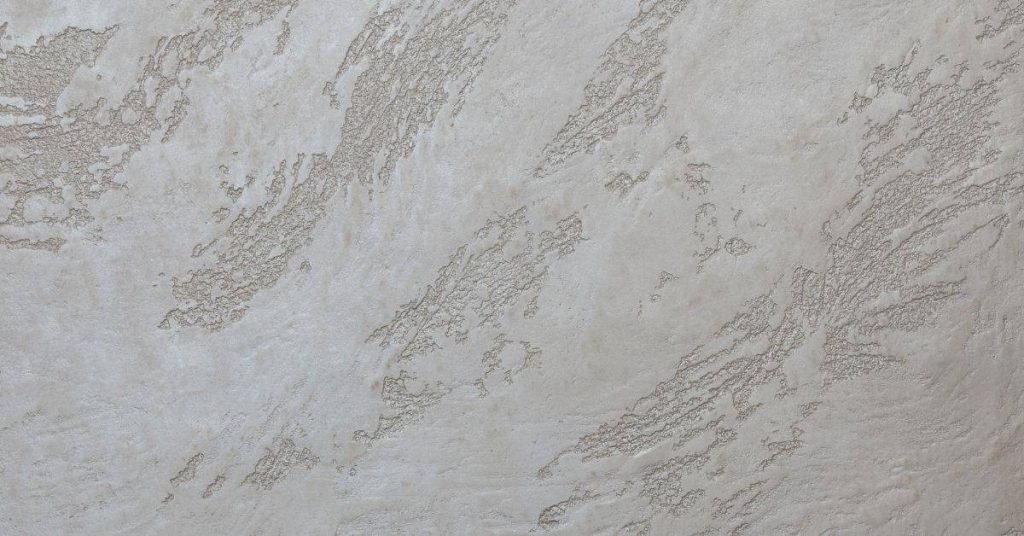
Textured clay plaster wall with subtle pattern

Clay Plaster in Kitchens: Grease cleanup and protective topcoats that work

Introduction Clay plaster in kitchens is a natural, breathable wall finish that you can apply to walls and ceilings. Grease will require gentle cleaning and the right sealing approach to keep the plaster from staining. Check product labels and manufacturer guidance for cleaning methods and compatible sealers. Protective topcoats help resist grease and moisture, but

Clay Plaster in Kitchens: Grease cleanup and protective topcoats that work Read More »

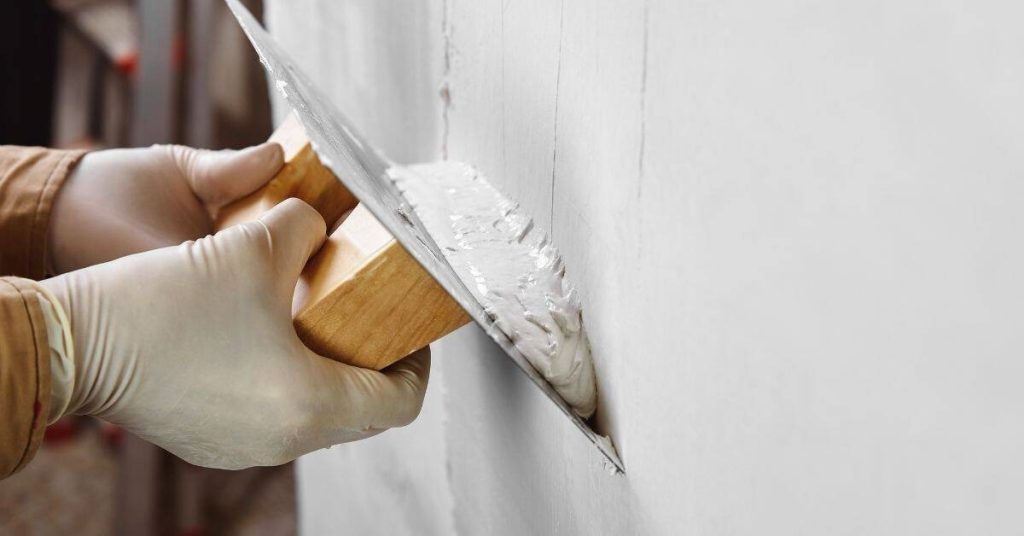
Hand applying plaster to wall with trowel

Plaster Wall Cracks: Which Ones Are Cosmetic and Which Signal Movement

Introduction Hairline cracks in plaster walls are usually cosmetic, while wider cracks that shift or show displacement can signal movement. This article gives a plain-spoken check for what to look for and how to judge the difference. You’ll learn simple signs to watch and steps to take before you decide on DIY fixes or calling

Plaster Wall Cracks: Which Ones Are Cosmetic and Which Signal Movement Read More »

Black and white marble tile surfaces

Tadelakt vs Tile: Where Tadelakt Works, Where It Fails, and What to Use Instead

Introduction Tadelakt is a traditional lime plaster finish used on walls and wet areas. This article offers a plain‑spoken look at where it works well, where it doesn’t, and what you should consider as a DIYer. We cover the basic idea of applying it, the materials you’ll need, and when tiling might be a safer

Tadelakt vs Tile: Where Tadelakt Works, Where It Fails, and What to Use Instead Read More »

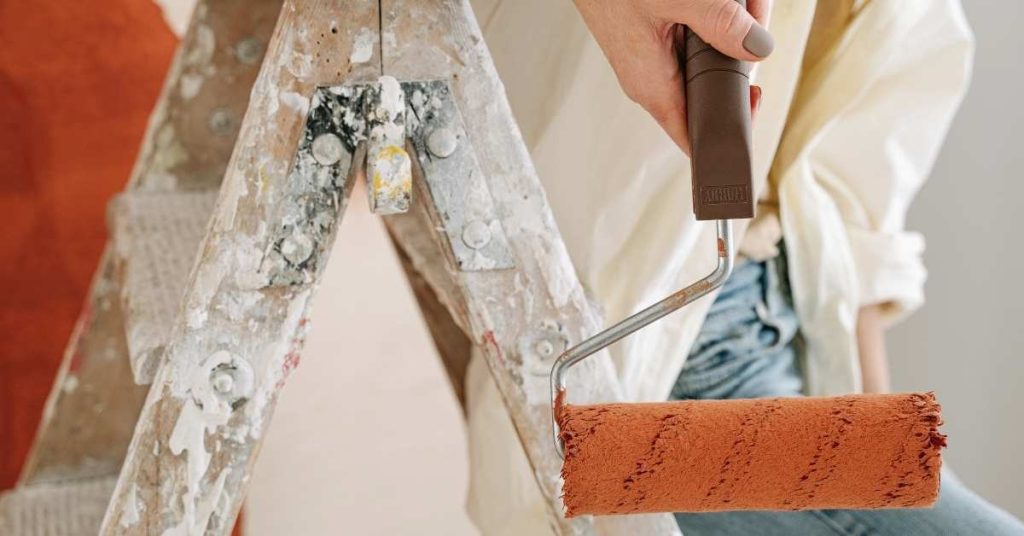
Hand holding paint roller with rusty orange paint near old paint-splattered ladder

Clay Plaster Pigments: Color Mixing, Mottling Control, and How to Test Panels

Introduction Clay plaster pigments are natural earths and oxides mixed into clay-rich binders to tint finishes, and color control comes down to careful mixing, testing, and understanding how clay and additives shift hue and value. For DIY panels, make small test boards, try layered thin coats, and note drying color versus wet—check product labels and

Clay Plaster Pigments: Color Mixing, Mottling Control, and How to Test Panels Read More »

Worker smoothing plaster on a wall wearing blue uniform and helmet

Clay Plaster in Bathrooms: Where It Works, Where It Fails, and Safe Sealing Options

Introduction Clay plaster in bathrooms is an earthen wall finish that can work well in low-splash, well-ventilated areas but is not inherently waterproof. It handles humidity better than some gypsum finishes and gives a warm, tactile surface, though you need to check product instructions and local building rules before using it near showers or tubs.

Clay Plaster in Bathrooms: Where It Works, Where It Fails, and Safe Sealing Options Read More »

Gray Venetian plaster wall texture with subtle irregular patterns

Plaster in Kitchens: Grease Contamination Tests and Primer Choices Before Painting

Introduction Plaster in kitchens means checking for grease contamination and choosing the right primer before you paint to ensure the finish sticks and cleans up later. I’ll walk you through quick, practical grease tests you can do with household items and what to look for so you know when surface conditioning is needed. This is

Plaster in Kitchens: Grease Contamination Tests and Primer Choices Before Painting Read More »