Informative

Informative is where I post general notes and observations from working with concrete and cement-based materials.

These aren’t always step-by-step tutorials. They’re more like field notes: what’s changing in materials, what works in practice, and how to think about common problems before they happen.

If you like the “why” behind the how-to guides, you’ll probably enjoy this section.

Worker pouring concrete mix over steel rebar grid

DIY Grout-Style Mixes vs True Concrete: When High Sand Content Is Actually Stronger

Introduction Grout-style mixes with high sand content differ from true concrete in composition and how they cure. In some cases, more sand can bulk up the mix and feel stronger, but that doesn’t mean it works the same as real concrete in every situation. Always check the product label and manufacturer guidance to confirm sand […]

DIY Grout-Style Mixes vs True Concrete: When High Sand Content Is Actually Stronger Read More »
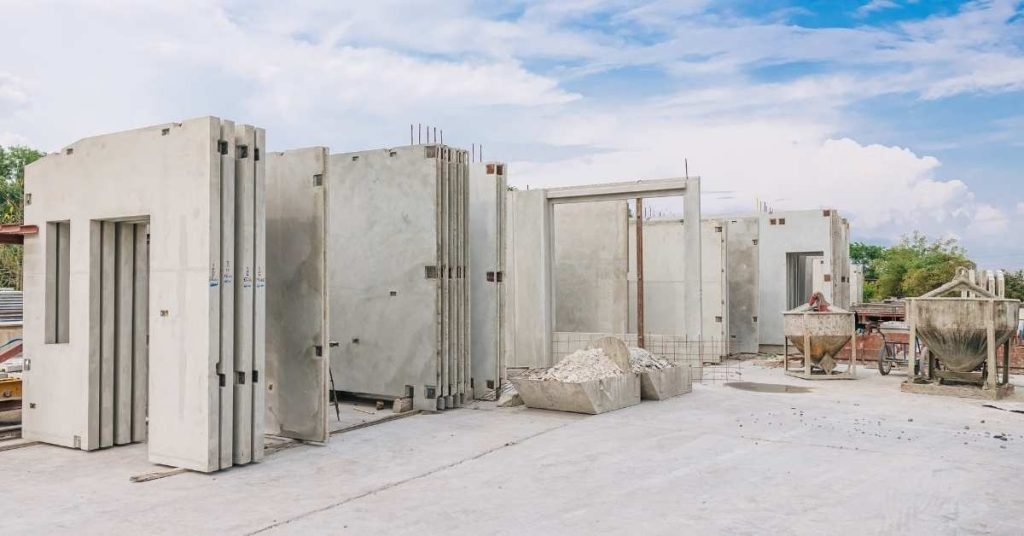
Stacked precast concrete wall panels outdoors on construction site

Infrared Thermography on Concrete Walls: Spotting Moisture and Delamination Without Guesswork

Introduction Infrared thermography is a non-contact inspection method that shows temperature differences on concrete walls to reveal moisture and delamination. It helps you spot problem areas without invasive probing, so you can plan remediation. Use it as a hands-on tool to guide where to open the wall and what to seal. In practice, expect to

Infrared Thermography on Concrete Walls: Spotting Moisture and Delamination Without Guesswork Read More »

Concrete screed tool smoothing wet concrete surface

Choosing Aggregate Size for Small Forms: Fewer Voids, Fewer Bugholes, Easier Finishing

Introduction Smaller aggregate size reduces voids and bugholes and makes finishing easier. For DIY projects, pick an aggregate that fits the form and follow the bag label and manufacturer guidance. If in doubt, check local rules or guidance from the mix supplier before deciding. Consolidation and slump are about how well the concrete fills tight

Choosing Aggregate Size for Small Forms: Fewer Voids, Fewer Bugholes, Easier Finishing Read More »