
Informative

Informative is where I post general notes and observations from working with concrete and cement-based materials.

These aren’t always step-by-step tutorials. They’re more like field notes: what’s changing in materials, what works in practice, and how to think about common problems before they happen.

If you like the “why” behind the how-to guides, you’ll probably enjoy this section.

Gray concrete surfaces with visible cracks and joints

Routing Cracks for Sealant: V-Groove Sizes That Improve Longevity

Introduction A V-groove is the angled notch you cut into concrete to give sealant a clean, tight bed. Routing cracks this way helps the sealant adhere properly and stay in place. Always check the product label or manufacturer instructions for the recommended groove width, since exact sizes vary. Do the job with a sharp chisel […]

Routing Cracks for Sealant: V-Groove Sizes That Improve Longevity Read More »
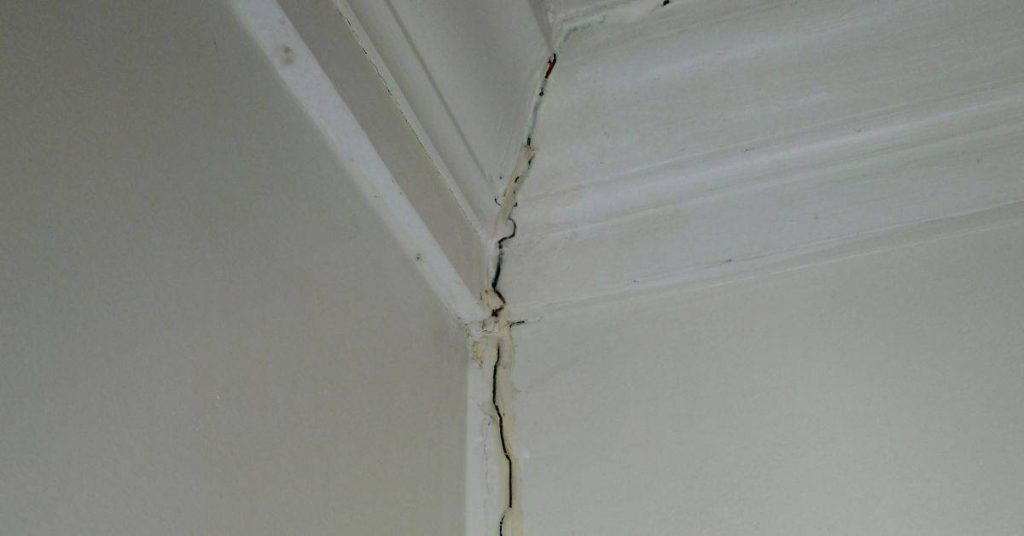
Hairline crack in plaster wall corner near ceiling trim

Hairline Crack Repairs That Don’t Show: Routing vs Injection vs Surface Fill

Introduction Hairline crack repairs that don’t show are methods that seal the crack and restore a smooth, uniform surface without visible seams. Routing, injection, and surface fill are common DIY options you can choose based on access and how the crack behaved. The goal is to blend the repair so it’s hard to notice after

Hairline Crack Repairs That Don’t Show: Routing vs Injection vs Surface Fill Read More »

Hand holding trowel with wet concrete inside container

Feather-Edge Patch Failures: Minimum Thickness Rules and Better Edge Details

Introduction Feather-edge patch failures occur when the thin edge of a patch is not thick or stable enough to grip the surrounding concrete. In plain terms, the edge can erode or chip and the patch pulls away. Make sure you follow the material’s directions and local rules for edge prep. To avoid failures, clean and

Feather-Edge Patch Failures: Minimum Thickness Rules and Better Edge Details Read More »