Informative

Informative is where I post general notes and observations from working with concrete and cement-based materials.

These aren’t always step-by-step tutorials. They’re more like field notes: what’s changing in materials, what works in practice, and how to think about common problems before they happen.

If you like the “why” behind the how-to guides, you’ll probably enjoy this section.

Man smoothing plaster on wall with float tool

Hempcrete Retrofits for Insulation: Detailing to Avoid Moisture Traps and Mold

Introduction Hempcrete retrofits for insulation are a breathable, lime-based mix used to insulate while letting moisture escape. This approach helps slow heat loss and reduce moisture traps if installed with proper detailing. Work with the material by keeping joints open to airflow and following manufacturer or local guidance. Plan for surface prep, air sealing, and […]

Hempcrete Retrofits for Insulation: Detailing to Avoid Moisture Traps and Mold Read More »

Empty unfinished room with smooth white plastered walls

Hempcrete Walls: DIY Build Basics, Drying Time, and Moisture Failure Modes

Introduction Hempcrete walls are walls built from a lime-hemp composite that forms a lightweight, breathable enclosure. As a DIY builder, you’ll mix a lime-hemp composite and place it into formwork, then let it cure with good airflow. The key is understanding that these walls are different from cement blocks and rely on porous curing and

Hempcrete Walls: DIY Build Basics, Drying Time, and Moisture Failure Modes Read More »

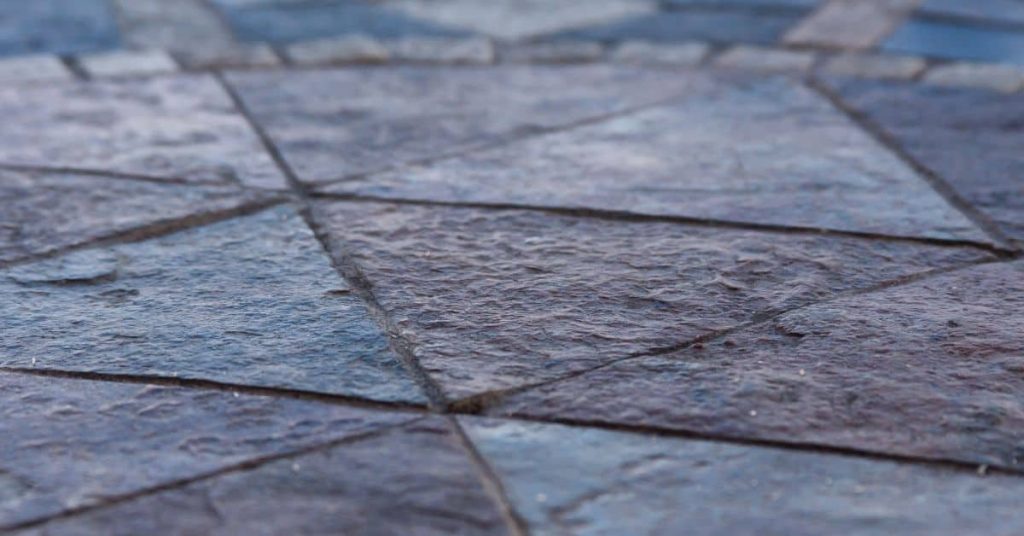
Close-up of textured stamped concrete floor tiles

Concrete Curing Compounds: When to Use Them (and When They Ruin Adhesion)

Introduction Concrete curing compounds are products applied to fresh concrete to retain moisture and control evaporation. They often come as liquid sprays or wipe-on films that form a moisture-retaining barrier as the concrete hardens. Check the label to see if it’s intended for curing only or for sealing and curing, and follow local guidance. Use

Concrete Curing Compounds: When to Use Them (and When They Ruin Adhesion) Read More »