Off-Topic

Off-Topic is a holding category for posts that don’t fit the main focus of this site.

Some of these articles still get occasional traffic or answer useful side questions, but they aren’t part of my core content around concrete, plaster/stucco, and masonry. Over time, I may update, reorganize, or move posts out of this category as the site becomes more focused.

If you’re here by accident, the best place to start is the Concrete or Render/Stucco categories.

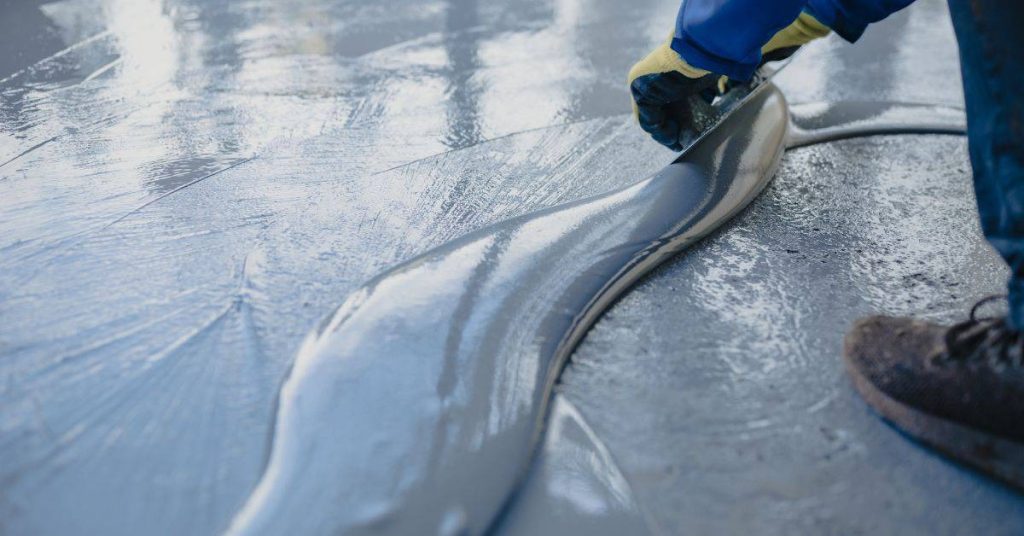
Person spreading glossy epoxy floor coating with squeegee

Pinholes in Floor Coatings: Prime Coats, Squeegee Technique, and Offgassing Control

Introduction Pinholes in floor coatings are tiny voids that form when the surface isn’t sealed and moisture or air escapes as the coating cures. They undermine moisture control and adhesion, especially if the primer or first coat isn’t applied correctly. Check that your primer is stated for moisture control and compatible with the topcoat you’re […]

Pinholes in Floor Coatings: Prime Coats, Squeegee Technique, and Offgassing Control Read More »
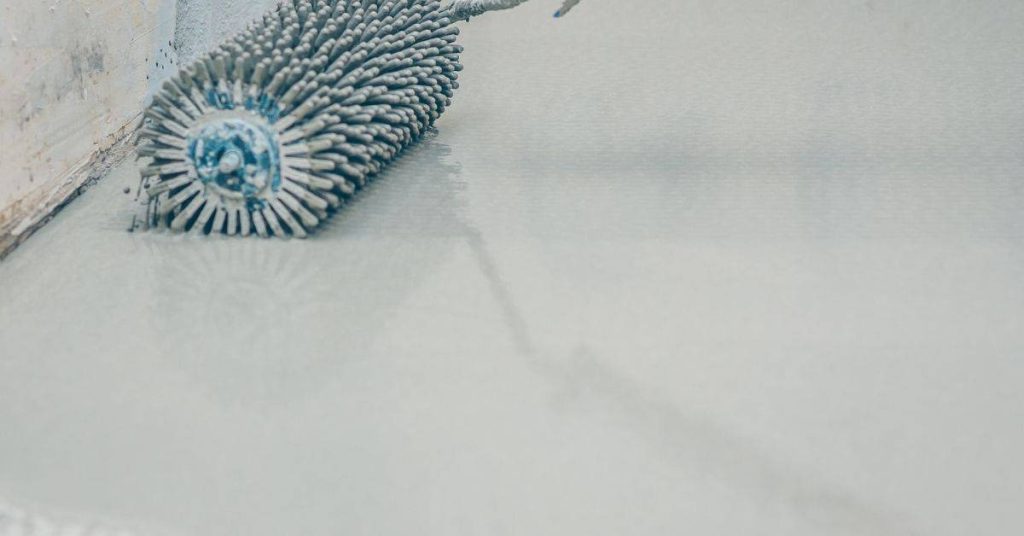
spiked roller laying on smooth wet epoxy floor coating

Why Epoxy Turns Waxy After Cure: Identifying Blush and Cleaning Without Smearing

Introduction Epoxy blush is a waxy, milky film that forms on the surface after curing. It happens when humidity and temperature during curing push oils to the top. This film isn’t cured epoxy and can be wiped away before recoating. To clean without smearing, wipe with a clean solvent or water with a little soap,

Why Epoxy Turns Waxy After Cure: Identifying Blush and Cleaning Without Smearing Read More »

Black spiked roller with red handle on smooth floor surface

Topcoating Epoxy With Urethane: Recoat Windows and Sanding Levels That Prevent Delam

Introduction Topcoating epoxy with urethane is applying a urethane topcoat over an epoxy coating to seal and protect the finish. This step adds abrasion resistance and UV protection beyond the epoxy layer. Do it only after the epoxy has cured as instructed and the surface is clean and prepared for a new coat. Choose compatible

Topcoating Epoxy With Urethane: Recoat Windows and Sanding Levels That Prevent Delam Read More »

paintbrush next to an open can of blue paint

Moisture Issues Under Coatings: DIY Screening That Beats Guessing

Introduction Moisture issues under coatings occur when dampness gets trapped beneath the finish, weakening adhesion and inviting rot. This article explains in plain terms how to spot it, screen for it, and decide what to fix. Think of it as a DIY screening approach you can do with basic checks and honest inspections. Moisture quilts

Moisture Issues Under Coatings: DIY Screening That Beats Guessing Read More »

Hand holding blue caulking gun near ceiling joint

Why Joint Sealant Bubbles: Offgassing, Moisture, and How to Prevent It

Introduction Bubbles in joint sealant are air pockets that form as the material cures, usually from offgassing or trapped moisture. In DIY work, you may see these as foamy spots or gaps that weaken the seal. Check the label and manufacturer guidance to know what conditions or temps are allowed. Prevention comes from clean joints,

Why Joint Sealant Bubbles: Offgassing, Moisture, and How to Prevent It Read More »

Glossy reflections on a dark epoxy-coated floor surface

Spot-Sealing Stains: How to Avoid ‘Shiny Islands’ on Matte Sealers

Introduction Spot-sealing stains are the shiny patches that can appear on a matte sealer after applying it. They usually form where the stain or moisture drew the sealer unevenly. In this guide we’ll keep things practical and show how to prevent those islands from showing up. To avoid them, work in small, controlled areas and

Spot-Sealing Stains: How to Avoid ‘Shiny Islands’ on Matte Sealers Read More »

Man kneeling fixing a toilet with tools nearby

Fixing ‘Hot Tire Pickup’ Without Recoating Everything: Cleaning and Spot Repair Options

Introduction Hot tire pickup is tire marks on a cured floor coating that you can treat with cleaning and spot repair instead of recoating. This approach focuses on removing the stain and restoring gloss in the affected area. It avoids the hassle and cost of a full recoat, but you still need to follow safe,

Fixing ‘Hot Tire Pickup’ Without Recoating Everything: Cleaning and Spot Repair Options Read More »

Paint roller with textured surface applying coating on floor

Flake Floor Topcoat Orange Peel: Roller Choice, Pot Life, and Temperature Effects

Introduction Flake Floor Topcoat Orange Peel is a textured coating finish created by rolling to leave small pits in the surface. Choose a roller with a short nap and a smooth frame, and test small areas to see how the texture lands. Apply in even coats and follow the manufacturer’s guidance for drying and cure

Flake Floor Topcoat Orange Peel: Roller Choice, Pot Life, and Temperature Effects Read More »

Person using a handheld electric sander on drywall

How to Fix Bubbles in Polyaspartic: Sanding Windows and Recoat Strategy

Introduction Bubbles in polyaspartic coatings are pockets of trapped air or solvent that form during application and cure. This guide gives a practical, DIY approach to sanding those bubbles smooth and planning a follow-up coat. Always check your product label and local rules before starting. Sanding around windows helps blend the repair so the new

How to Fix Bubbles in Polyaspartic: Sanding Windows and Recoat Strategy Read More »

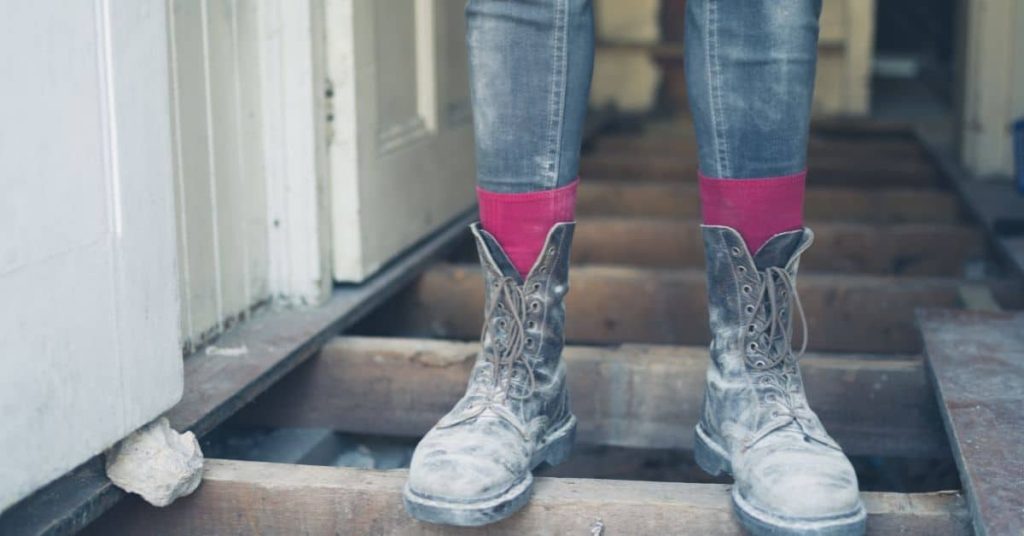
Person wearing dusty work boots standing on exposed wooden floor joists

Polyaspartic That Sets Too Fast: Staging Your Work to Avoid Lap Marks

Introduction When a polyaspartic coating sets too fast, you lose time to blend edges and fix lap marks. Staging your work means breaking the job into smaller batches so you can maintain a wet edge and avoid visible seams. This article gives practical, hands-on tips you can apply at the jobsite. Factors like temperature, humidity,

Polyaspartic That Sets Too Fast: Staging Your Work to Avoid Lap Marks Read More »