Off-Topic

Off-Topic is a holding category for posts that don’t fit the main focus of this site.

Some of these articles still get occasional traffic or answer useful side questions, but they aren’t part of my core content around concrete, plaster/stucco, and masonry. Over time, I may update, reorganize, or move posts out of this category as the site becomes more focused.

If you’re here by accident, the best place to start is the Concrete or Render/Stucco categories.

Man working on pool deck installation using tools and safety glasses

Painting Pool Decks: Slip Resistance, Chlorine, and Cool-Deck Options

Introduction Painting pool decks means choosing a coating that resists slipping, stands up to chlorine and pool chemicals, and stays cooler underfoot; it’s a practical surface upgrade, not a decorative paint job. Think about slip additives, chemical resistance, and reflective or “cool” coatings when you pick products, and always check the label and manufacturer instructions […]

Painting Pool Decks: Slip Resistance, Chlorine, and Cool-Deck Options Read More »

Three paintbrushes and one paint roller on yellow background

How to Paint Stairs for Grip: Additives, Abrasion Resistance, and Maintenance

Introduction Painting stairs for grip means using paint and additives that improve traction and hold up to foot traffic while keeping the surface safe and durable. This is a hands-on job: pick the right paint for the stair material, choose a compatible anti-slip additive or aggregate, and follow the product directions and local rules for

How to Paint Stairs for Grip: Additives, Abrasion Resistance, and Maintenance Read More »

Person in white clothes holding paint roller and bucket near ladder

Painter’s Tape Alternatives: Liquid mask, edge sealers, and when they beat tape

Introduction Painter’s tape alternatives are products and techniques—like liquid masking, edge sealers, and specialty sealants—that block paint or create clean edges where tape isn’t ideal. They work best on irregular surfaces, tight curves, or when tape would lift or leave residue, but check the product label and manufacturer instructions for surface compatibility and drying time.

Painter’s Tape Alternatives: Liquid mask, edge sealers, and when they beat tape Read More »

Spray Booth Ventilation for DIY Projects: Fan Types and Safe Filter Stacks

Introduction Spray booth ventilation is the system that moves contaminated air away from your work area and through filters or exhaust so you can breathe and keep overspray under control. In a DIY setup that means choosing the right fan type for the space and building a filter stack that captures paint particles and solvents;

Spray Booth Ventilation for DIY Projects: Fan Types and Safe Filter Stacks Read More »

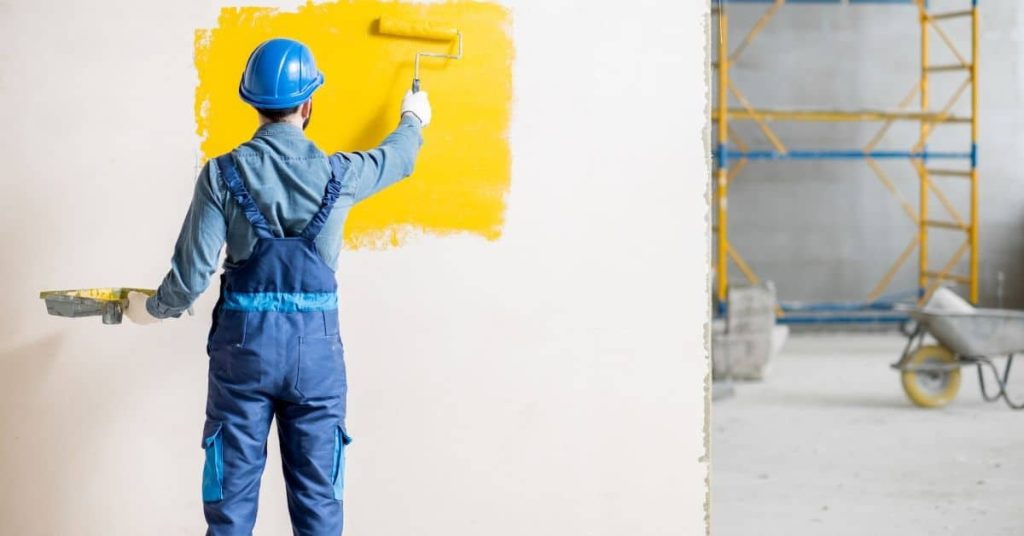
Worker painting wall yellow with roller wearing hard hat

Choosing a Respirator for Painting: Cartridge Types and Real-World Fit Checks

Introduction Choosing a respirator for painting means picking the right cartridge type for the materials you’re using and making sure the mask actually seals to your face. Cartridges filter different hazards so check the paint product labels and the cartridge manufacturer instructions to match the cartridge to the solvents or particulates you’ll encounter. For DIY

Choosing a Respirator for Painting: Cartridge Types and Real-World Fit Checks Read More »
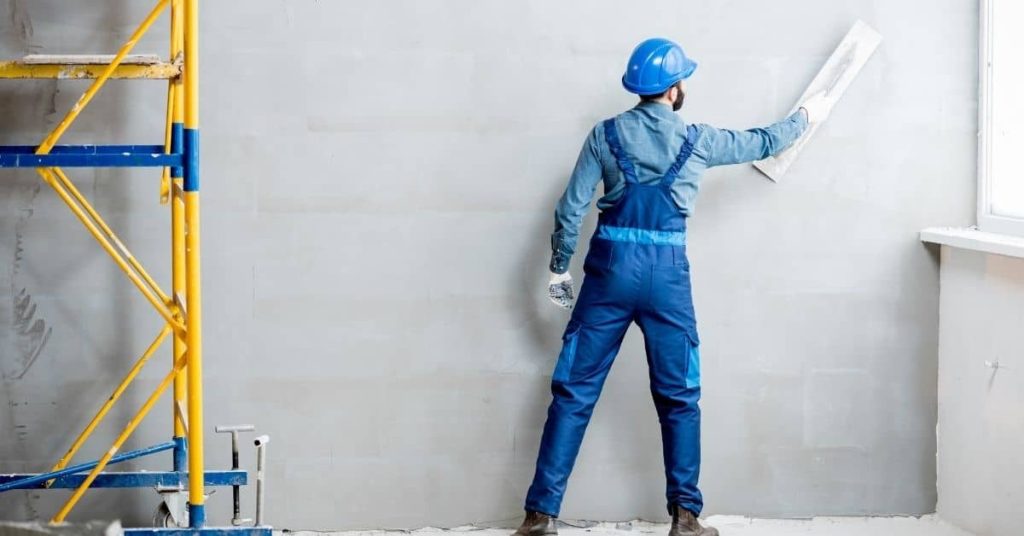
Worker smoothing wet plaster on a gray interior wall

How to Create a Zero-Lap-Mark Wall: Section Planning and Keeping a True Wet Edge

Introduction A zero-lap-mark wall is a layout and pour technique that keeps your fresh plaster or skimcoat from drying in visible steps where new material meets old. It means planning your sections and timing so each pass blends into the next while the edge is still workable. This is a hands-on job that needs steady

How to Create a Zero-Lap-Mark Wall: Section Planning and Keeping a True Wet Edge Read More »

Hand holding paint roller with orange paint above drop cloth

Orange Peel After Rolling: Causes, Fixes, and When Spraying Is Easier

Introduction Orange peel after rolling is a textured, dimpled finish that happens when paint or concrete topping doesn’t level out before it skins over. It’s usually caused by wrong material viscosity, working too slowly, rolling with an unsuitable nap or roller technique, or environmental factors like temperature and humidity. A quick jobsite fix is to

Orange Peel After Rolling: Causes, Fixes, and When Spraying Is Easier Read More »

three paintbrushes and one paint roller covered in blue paint

Reusing Old Paint Safely: Straining, Mixing, and When to Toss It

Introduction Reusing old paint safely means checking its condition, removing contaminants, and mixing it back to a usable state before you apply it. Think like a tradesman: look, smell, and stir to decide if it’s worth saving, and follow the product label or manufacturer instructions for thinning or additives. If anything is off—bad smell, mold,

Reusing Old Paint Safely: Straining, Mixing, and When to Toss It Read More »

Paintbrush with white paint against light pink wall

Paint Storage in Freezing Weather: What Freezing Does and How to Test Usability

Introduction Paint storage in freezing weather means the paint can change consistency and performance when exposed to subfreezing temperatures, so treat frozen or thawed paint as potentially compromised. In practical terms, freezing can separate components and alter drying behavior; check the product label or manufacturer instructions for freeze sensitivity. When in doubt, run a usability

Paint Storage in Freezing Weather: What Freezing Does and How to Test Usability Read More »