Concrete

Concrete is where I keep my step-by-step guides for planning, pouring, and finishing concrete projects.

Topics include base prep, forms, reinforcement, thickness, mixing and placing, finishing, curing, sealing, and long-term durability. I also cover troubleshooting—what to do when concrete cracks, scales, dusts, or cures unevenly.

If you’re new to concrete, start with the planning and prep articles. They prevent most of the expensive mistakes.

Post-Installed Anchor Torque: How Tight Is Tight Without Cracking Concrete

Post-Installed Anchor Torque: How Tight Is Tight Without Cracking Concrete

Introduction Tighten post-installed anchors to a level that provides reliable holding strength without cracking the concrete. The guide offers practical guidance, tips, and rules of thumb to help you judge tightness, recognize signs of over- or under-torquing, and apply sensible limits across common anchor types. Key takeaways Follow manufacturer torque specs; excess twist risks concrete […]

Post-Installed Anchor Torque: How Tight Is Tight Without Cracking Concrete Read More »
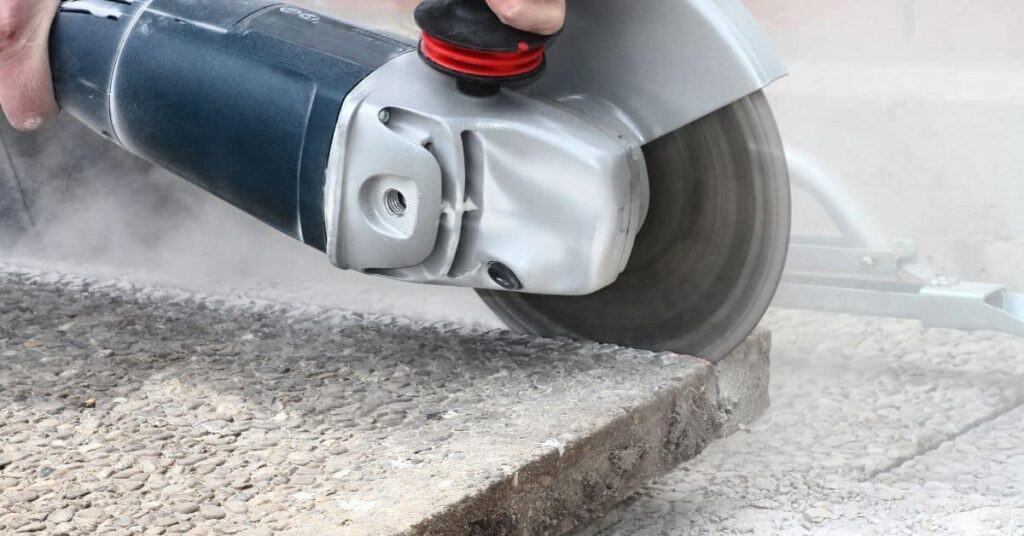
Cutting a Clean Expansion Gap at a Slab-to-House Line: How to Do It Without Ugly Edges

Cutting a Clean Expansion Gap at a Slab-to-House Line: How to Do It Without Ugly Edges

Introduction A clean expansion gap at a slab-to-house line prevents cracking and unsightly edges by allowing for movement. You’ll learn how to plan the gap, make clean cuts, and manage edge finishes with practical steps and best practices. Key takeaways Ensure expansion gap is consistent along the slab-house joint for movement. Use masking tape and

Cutting a Clean Expansion Gap at a Slab-to-House Line: How to Do It Without Ugly Edges Read More »

Pouring Around Pipes: Sleeves

Pouring Around Pipes: Sleeves

Introduction Sleeves are used to seal and protect pipe penetrations when pouring around pipes. You’ll learn how to position sleeves, choose compatible materials, and apply practical steps to prevent leaks and achieve a neat finish. The article walks through common scenarios, tips, and rules of thumb for installing sleeves in concrete pours. Key takeaways Prevent

Pouring Around Pipes: Sleeves Read More »

Concrete Stair Landing Drainage: Small Slope Details That Prevent Puddling

Concrete Stair Landing Drainage: Small Slope Details That Prevent Puddling

Introduction Small slope details on a concrete stair landing prevent puddling. The guide walks through practical ways to shape the landing, set proper gradients, and position drainage so water flows away from the stairs, helping you keep surfaces dry and safe. Key takeaways Ensure positive slope away from stairs of at least 1/8 inch per

Concrete Stair Landing Drainage: Small Slope Details That Prevent Puddling Read More »

Concrete Step Riser Cracks: Why They Appear and Which Fixes Are Real Fixes

Concrete Step Riser Cracks: Why They Appear and Which Fixes Are Real Fixes

Introduction Concrete step riser cracks occur due to movement, wear, and poor initial construction, and only the right fixes restore safety and appearance. In this guide you’ll learn how to assess crack size and progression, distinguish cosmetic from structural issues, and what practical repair approaches are realistically effective. Key takeaways Concrete step riser cracks differ

Concrete Step Riser Cracks: Why They Appear and Which Fixes Are Real Fixes Read More »

DIY Concrete Mixing Consistency: a Repeatable “bucket Method” That Keeps Batches Matching

DIY Concrete Mixing Consistency: a Repeatable “Bucket Method” That Keeps Batches Matching

Introduction A repeatable bucket method for mixing concrete ensures batches stay consistent. The guide walks through practical steps to measure materials, control water, and mix duration so each batch matches the last. You’ll learn how to adjust for variability and build a reliable workflow that makes it easier to reproduce concrete results across projects. Key

DIY Concrete Mixing Consistency: a Repeatable “Bucket Method” That Keeps Batches Matching Read More »

Fixing Uneven Color After a Wash: How to “reset” the Surface Without Making It Worse

Fixing Uneven Color After a Wash: How to “Reset” the Surface Without Making It Worse

Introduction You can reset uneven color after a wash by carefully rebalancing the surface without making it worse. This guide walks through practical steps, common pitfalls to avoid, and general tips you can apply to restore an even look. Key takeaways Assess underlying causes of color inconsistency before attempting remedies. Clean surfaces with mild, compatible

Fixing Uneven Color After a Wash: How to “Reset” the Surface Without Making It Worse Read More »

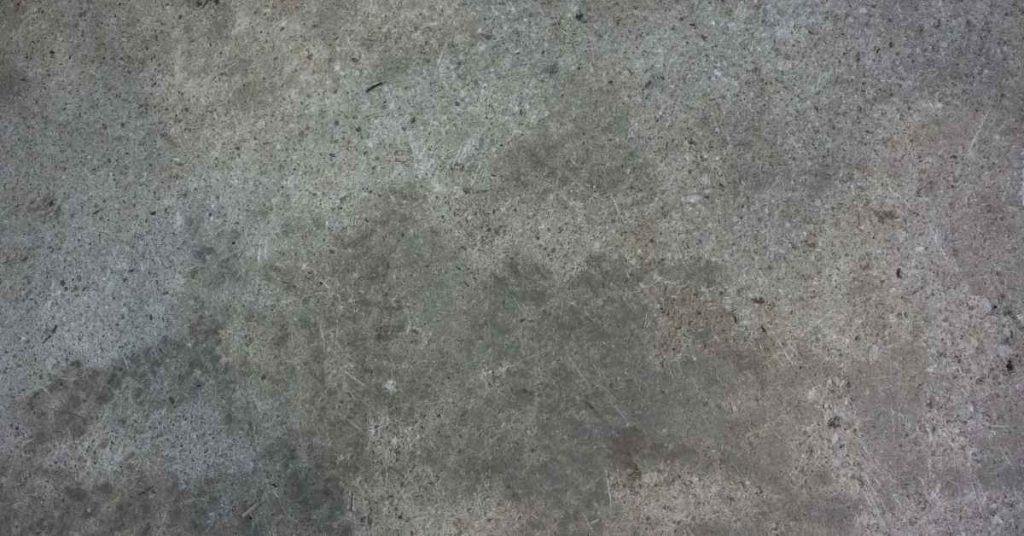
Rough concrete surface with blotchy stains and texture variations.

Concrete Stain Compatibility: Why Some Stains Fail on Dense Troweled Floors

Introduction Dense troweled concrete floors can resist stain absorption, causing many stains to fail. You’ll learn why this happens, and how to select compatible stains and proper surface prep to achieve reliable color results. Key takeaways Dense troweled floors have low porosity; stain requires compatible penetrating formulas and proper surface prep protocols. Epoxy sealers or

Concrete Stain Compatibility: Why Some Stains Fail on Dense Troweled Floors Read More »

Joint Filler Options for Garage Slabs: Rigid Vs Semi-Rigid Explained Simply

Joint Filler Options for Garage Slabs: Rigid Vs Semi-Rigid Explained Simply

Introduction Rigid and semi-rigid joint fillers are the main options for garage slabs, with different movement tolerances and durability. This article explains how to tell which is best for your slab and walks you through practical considerations, installation tips, and real-world examples. You’ll learn how to assess slab movement, select materials, and apply simple rules

Joint Filler Options for Garage Slabs: Rigid Vs Semi-Rigid Explained Simply Read More »