Concrete

Concrete is where I keep my step-by-step guides for planning, pouring, and finishing concrete projects.

Topics include base prep, forms, reinforcement, thickness, mixing and placing, finishing, curing, sealing, and long-term durability. I also cover troubleshooting—what to do when concrete cracks, scales, dusts, or cures unevenly.

If you’re new to concrete, start with the planning and prep articles. They prevent most of the expensive mistakes.

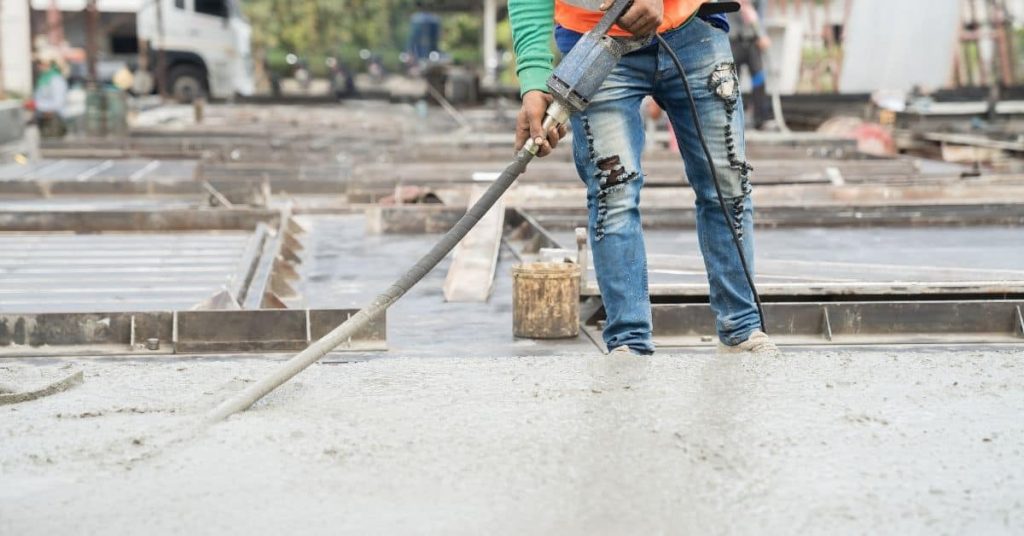
Worker pouring concrete slab at construction site

Radon Barrier and Sub-Slab Venting: DIY-Friendly Options Under a New Slab

Introduction Radon barrier and sub-slab venting are methods to prevent radon gas from entering a new slab by managing soil gases under the concrete. This article covers practical, DIY-friendly approaches you can consider during a new slab pour. You’ll need to test the site and follow local rules to know what level of mitigation is […]

Radon Barrier and Sub-Slab Venting: DIY-Friendly Options Under a New Slab Read More »
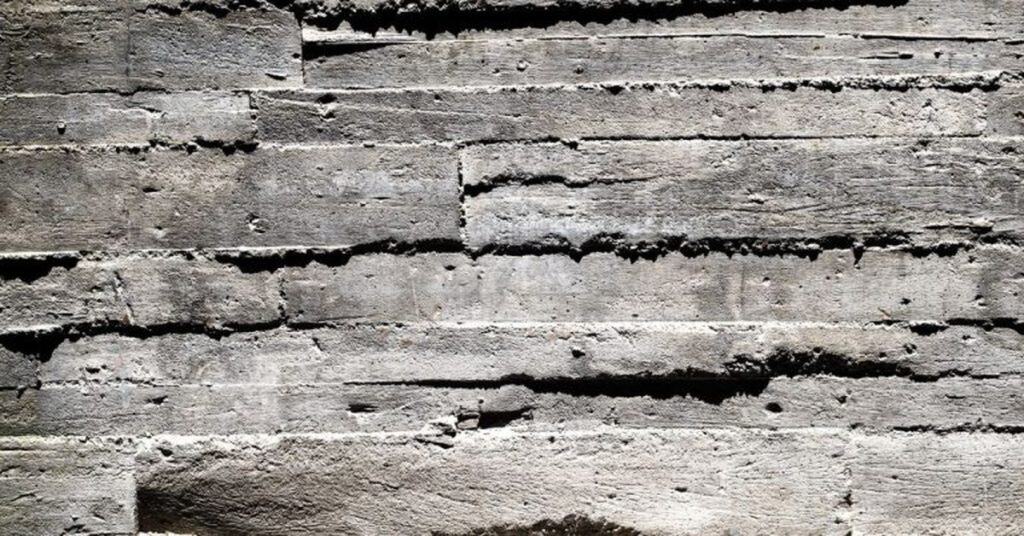
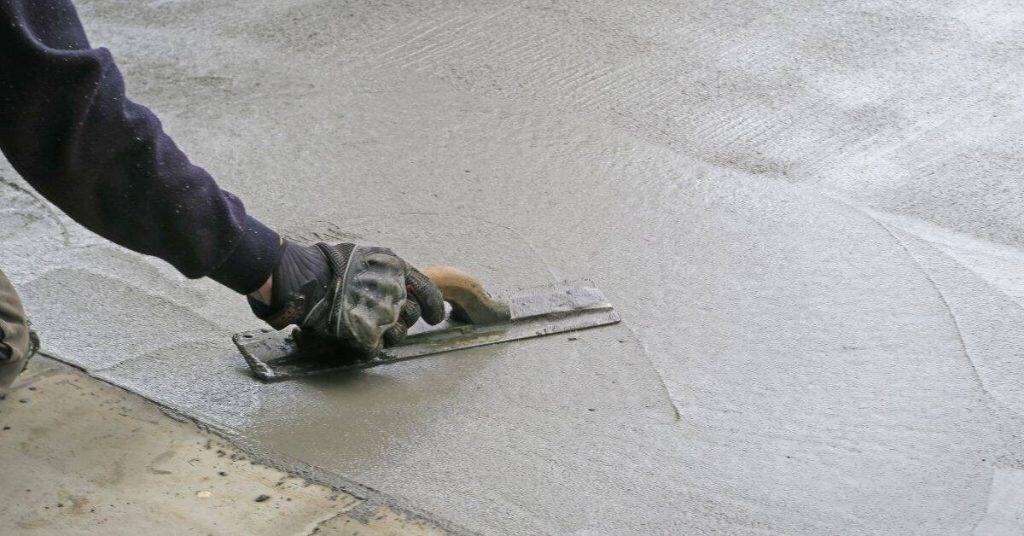
Close up of rough concrete surface with wood form texture

Vapor Barrier Under Concrete Slabs: When You Need It and How to Install It

Introduction A vapor barrier under concrete slabs is a sheet or layer placed beneath the slab to slow or stop moisture from the ground. Use it when the soil is damp, there is a chance of rising moisture, or the project requires a dry, stable floor. Check local guidance and the manufacturer’s installation instructions for

Vapor Barrier Under Concrete Slabs: When You Need It and How to Install It Read More »

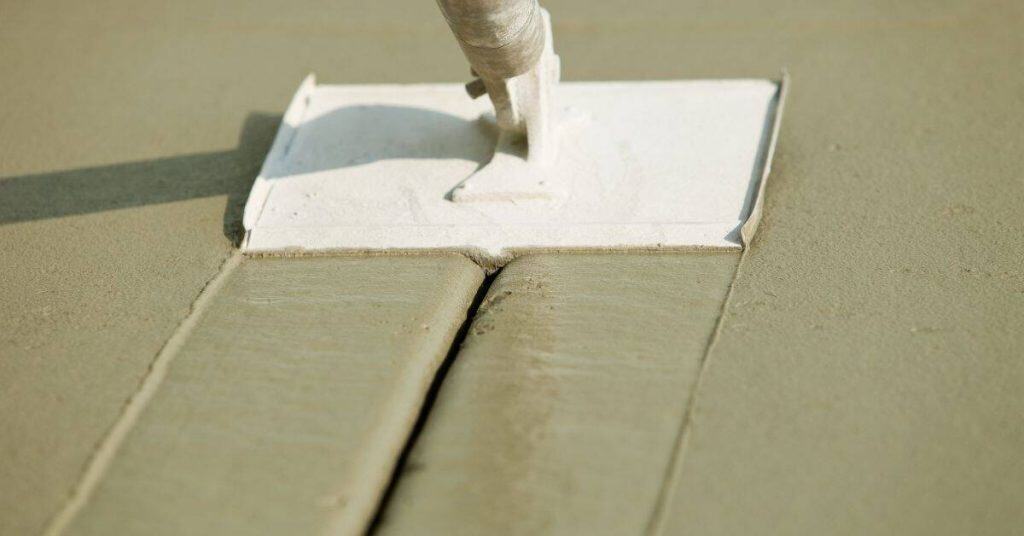
Smooth concrete slab with visible control joint lines

How to Layout Control Joints for a Patio, Driveway, and Garage Slab

Introduction Control joints are intentional gaps placed in a concrete slab to control where it cracks. When laying out a patio, driveway, or garage slab, plan the joints to create a clean, predictable pattern that follows the overall shape. Check local rules and the product instructions for allowable spacing and methods before you start. Decide

How to Layout Control Joints for a Patio, Driveway, and Garage Slab Read More »

Concrete surface being grooved with a hand tool

Control Joints Vs Expansion Joints in Concrete: Placement, Spacing, and Timing

Introduction Control joints are deliberate grooves that control where cracks form, while expansion joints separate slabs to accommodate movement. In practice, placement is planned during finishing to guide cracking, and timing depends on how the concrete cures and hardens. Always check manufacturer instructions and local rules for any specific requirements. Spacing and type depend on

Control Joints Vs Expansion Joints in Concrete: Placement, Spacing, and Timing Read More »

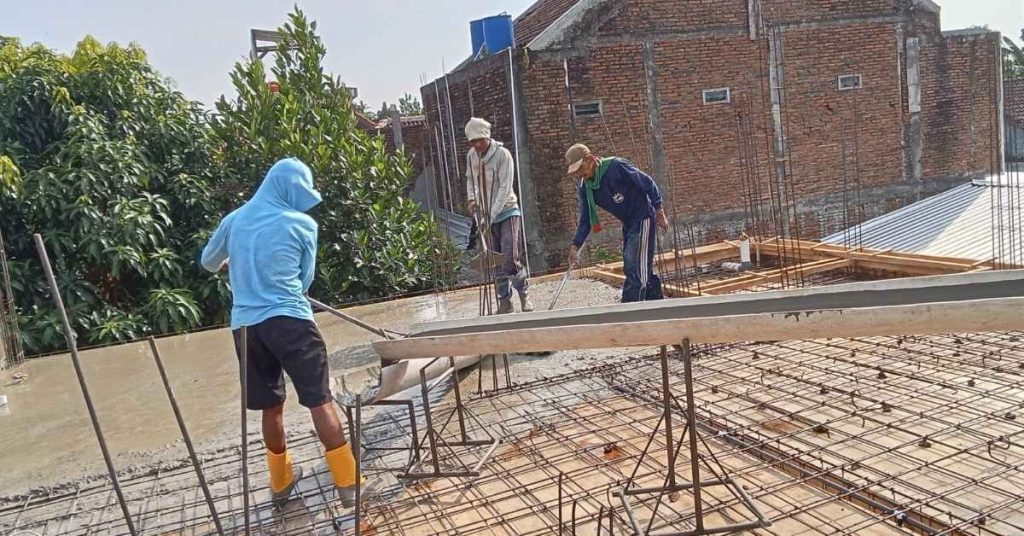
Workers pouring concrete over rebar grid on construction site

Concrete Slab Thickness Guide: 4-Inch, 5-Inch, 6-Inch and When Each Makes Sense

Introduction This guide explains when to use concrete slabs of 4, 5, or 6 inches. The thickness you choose depends on the finished use, soil conditions, and expected load. Always check local rules and project requirements before pouring. In the field, folks often opt for lighter slabs for simple patios, while heavier loads call for

Concrete Slab Thickness Guide: 4-Inch, 5-Inch, 6-Inch and When Each Makes Sense Read More »

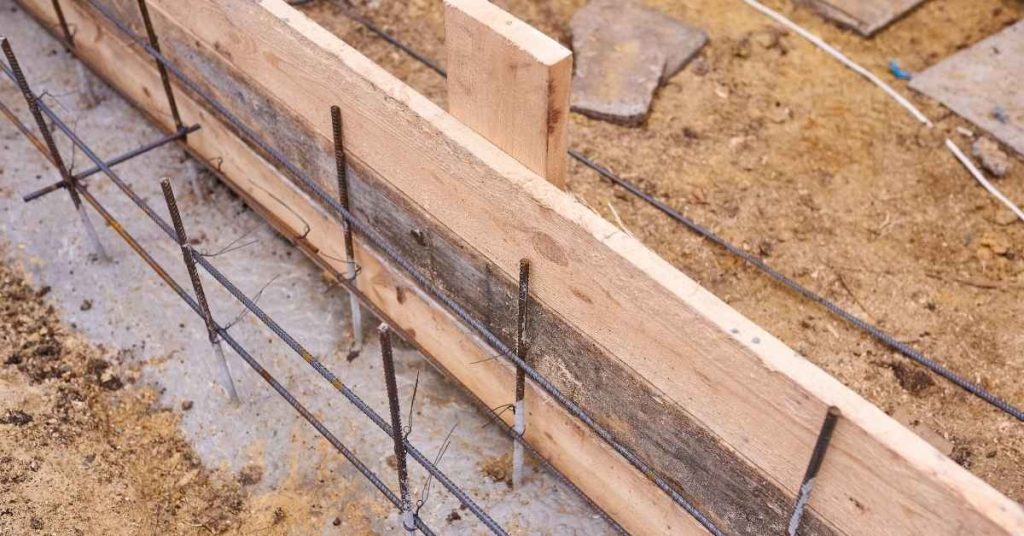
Wooden concrete form with rebar set in dirt and gravel

Anti-Corrosive Admixtures in Concrete: Problems Explained: Causes, Testing, and Fixes

Introduction Anti-corrosive admixtures are additives used to slow or prevent the corrosion of steel in concrete. This topic covers how improper mix, moisture, and exposure can lead to corrosion problems and why a DIYer should understand the basics. We’ll explain causes, testing, and fixes in plain language for practical, on-site work. Common problems include rust

Anti-Corrosive Admixtures in Concrete: Problems Explained: Causes, Testing, and Fixes Read More »

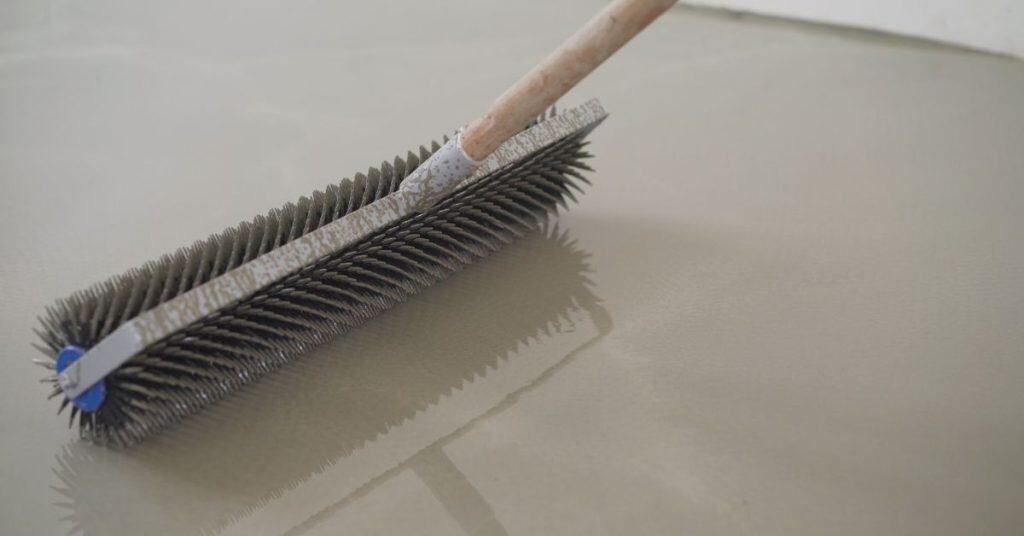
Stiff-bristle roller spreads wet self-leveling cement on floor.

Applying Self-Leveling Compound (Problems Explained: Causes, Testing, and Fixes)

Introduction Self-leveling compound is a leveling overlay that smooths and flattens a concrete floor when mixed and poured correctly. It fills low spots and creates a ready surface for flooring, but preparation and timing matter. Prepare the subfloor, mix to the right consistency, and work before it starts to set. Problems often come from improper

Applying Self-Leveling Compound (Problems Explained: Causes, Testing, and Fixes) Read More »

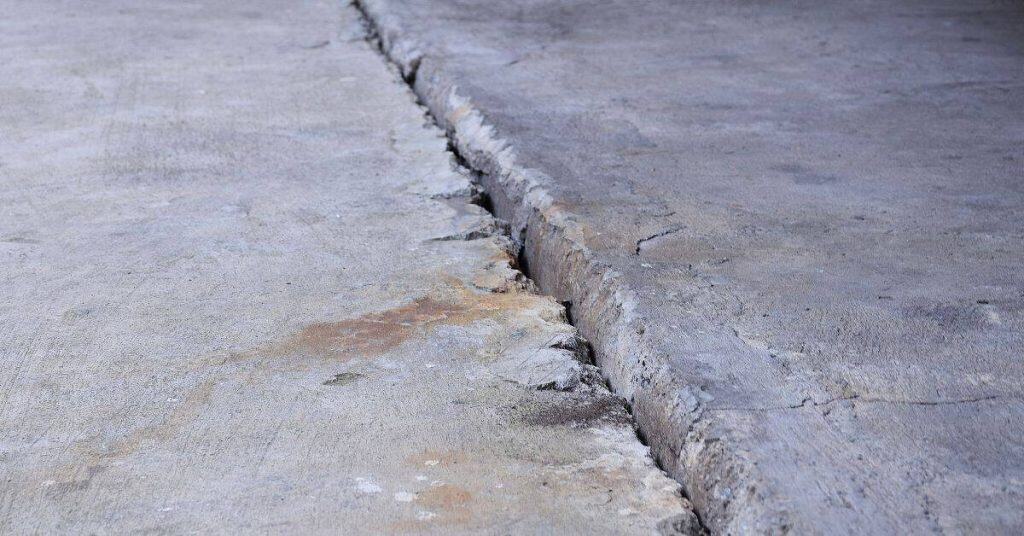
Large crack and gap between two old concrete slabs

Crack Isolation Membranes: What They Can and Can’t Do on Older Slabs

Introduction Crack isolation membranes are thin sheets or coatings that separate a flooring layer from the concrete to limit crack transfer. They’re installed between the slab and the finish, acting as a buffer rather than a full repair. On older slabs, you’ll need to verify compatibility and follow product instructions for best results. What they

Crack Isolation Membranes: What They Can and Can’t Do on Older Slabs Read More »

Delamination Testing: Tap Test

Delamination Testing: Tap Test

Introduction Delamination testing using the tap test provides a quick check for bond failures in composite laminates. The guide explains how to perform the test, recognize abnormal sounds or responses, and interpret what those cues mean for structural integrity. You’ll learn practical steps, common tips, and how to determine when further inspection or more thorough

Delamination Testing: Tap Test Read More »